In This Guide
Let's be honest, finding a spider in your house can send a shiver down your spine. And if you've spent any time online, you've probably heard the horror stories. One name in particular seems to haunt homeowners: the brown recluse. Its reputation precedes it, often painting a picture of a creature whose bite guarantees a nasty, flesh-eating wound. Meanwhile, another common visitor, the wolf spider, often gets mistaken for this notorious recluse and suffers from a bad case of mistaken identity. I've lost count of how many blurry photos friends have sent me, asking in a panic if they've found a brown recluse. Nine times out of ten, it's a harmless wolf spider.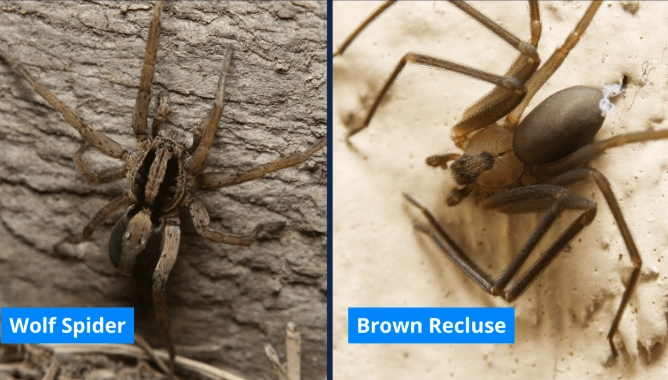
The confusion between a wolf spider or brown recluse is incredibly common, and frankly, it leads to a lot of unnecessary fear and, worse, harmful actions. Killing every spider you see isn't a great strategy—many are beneficial predators. But knowing which one is which? That's power. It's the difference between calmly relocating a helpful roommate and knowing when to exercise serious caution.
The Core of the Confusion: Both spiders are brownish, can be similar in size, and are found in and around homes in overlapping regions of the United States. From a quick, nervous glance, they can look alike. But look closer, and the differences are profound and life-saving to understand.
This guide is here to cut through the noise, the myths, and the internet hype. We're going to break down exactly how to tell a wolf spider from a brown recluse, what to do if you find one, and most importantly, what to do if you think you've been bitten. We'll rely on information from experts like entomologists at universities and public health guidelines, not just forum anecdotes. Because when it comes to something like a potential brown recluse spider bite, you need facts, not fear.
The Ultimate Face-Off: Wolf Spider vs Brown Recluse Identification
You can't manage what you can't identify. So let's get down to the nitty-gritty details. Forget just color; we need to look at the architecture.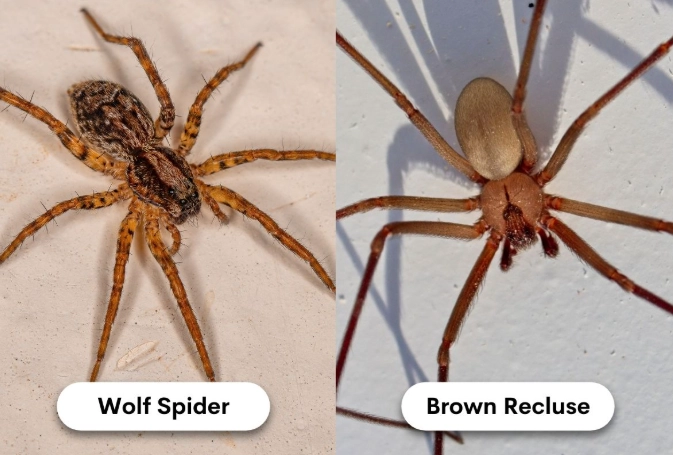
First, the eyes. This is the single best way to tell them apart if you can get a good look (maybe with a zoomed-in photo, not by putting your face close!). Wolf spiders have excellent eyesight for hunting and have a distinct eye pattern: four small eyes in a bottom row, two large eyes above them, and two medium-sized eyes on top of the head. It's a bit of a staggered arrangement. The brown recluse, however, has six eyes arranged in three pairs, forming a semi-circle. Most spiders have eight eyes, so the recluse's six is a key giveaway. It's a tough detail to see without magnification, but it's a definitive one.
Then there's the body. A wolf spider is a robust, hairy hunter. Its body is designed for power and pursuit. It often has a distinct pattern on its carapace (the front section), like stripes or a kind of herringbone pattern, and its legs are thick and strong-looking. A brown recluse is, well, reclusive. It's smoother, less hairy, and has a more delicate build. Its legs are longer and thinner in proportion to its body. But the most famous mark is the violin marking. On the brown recluse's carapace, there's usually a darker, violin-shaped patch with the "neck" of the violin pointing towards the abdomen. This is why it's sometimes called the "fiddleback spider." Important note: not all brown recluses have a pronounced violin, and other harmless spiders can have vaguely similar markings. Don't rely on this alone.
I remember once in a shed, I saw a large, fast-moving brown spider. My heart jumped. But as it paused, I saw the reflective tapetum in its large eyes (they shine at night with a flashlight, like a cat's) and the hairy, striped body. Pure wolf spider. The relief was immediate, followed by admiration for its speed.
| Feature | Wolf Spider | Brown Recluse |
|---|---|---|
| Primary Color | Brown, gray, black with often distinct stripes or patterns. | Uniform tan to dark brown. |
| Body & Leg Hair | Quite hairy and robust. | Fine, short hairs; appears sleek. |
| Eye Pattern | Eight eyes in three rows (4-2-2). Two large, prominent forward-facing eyes. | Six eyes arranged in three pairs (dyads) in a semi-circle. |
| Distinct Marking | Variable patterns (stripes, herringbone) on carapace. | Dark, violin-shaped mark on carapace (not always clear). |
| Web | Does not build a web to catch prey. May have a silk retreat. | Builds an irregular, off-white, sticky "sheet" web in secluded areas. |
| Behavior | Active hunter. Fast, agile, often seen running on ground. | Shy, reclusive. Avoids light, prefers clutter and undisturbed areas. |
| Habitat in Home | Ground level: basements, garages, under furniture, door frames. | Undisturbed clutter: boxes, piles of clothes, behind furniture, attics, storage areas. |
Behavior is another dead giveaway. Finding a wolf spider or brown recluse is a different experience. Wolf spiders are the joggers of the spider world. You'll see them moving, often quickly, across the floor, especially at night. They're pursuing their prey. Brown recluses are the hermits. You almost never see them out in the open. They hide in dark, quiet, messy places and come out at night to hunt near their webs. If a spider sprints across your living room carpet, it's almost certainly not a brown recluse.
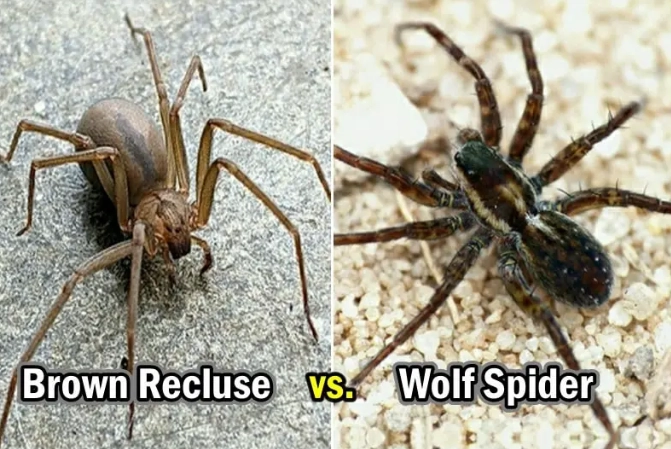 Think of it this way: one is an athletic ground predator, the other is a secretive ambusher.
Geography: Where You Actually Need to Worry
This is a huge point that gets overlooked. The fear of the brown recluse is nationwide, but its actual established range is not. According to comprehensive maps from entomology departments, like those at the University of California, the brown recluse is primarily found in the south-central United States. States like Missouri, Kansas, Oklahoma, Arkansas, Texas, Louisiana, Mississippi, Alabama, Georgia, and parts of Tennessee, Kentucky, Illinois, Indiana, and Ohio form its core territory.
If you live in New York, California, Washington, or Florida (outside the panhandle), the chance of finding a native, established brown recluse population in your home is virtually zero. Spiders can hitch rides in boxes, so a single one *might* very rarely appear, but infestations are not a realistic concern. Yet, I've talked to people in Seattle terrified of them. This geographic anxiety is a real problem, often fueled by misidentification.
Wolf spiders, on the other hand, are found almost everywhere in the U.S. and across the globe. They're habitat generalists. So, if you're outside the brown recluse's range and see a large brown spider, the odds are overwhelmingly in favor of it being a wolf spider or another harmless species. Knowing your location is the first, easiest filter in the wolf spider or brown recluse dilemma.
The Bite: Separating Fact from Nightmare Fiction
This is where the hysteria reaches its peak. Let's demystify it with some hard facts.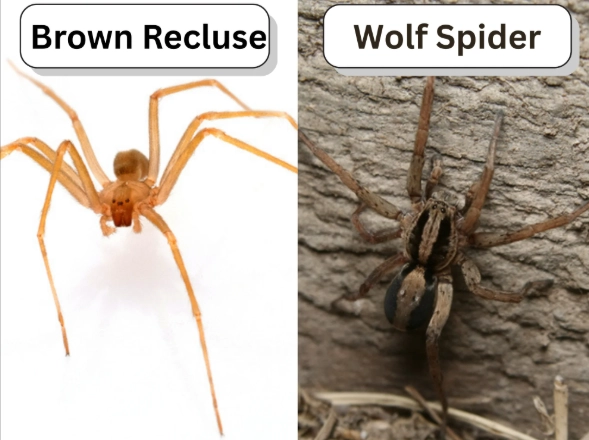
Wolf Spider Bite: Imagine a bee sting. That's the typical scale. A wolf spider bites in self-defense if it's trapped or pressed against skin (like in clothing or bedding). It's not aggressive. The bite might cause localized pain, redness, itching, and slight swelling. It's unpleasant but almost always medically insignificant. The venom is not considered dangerous to humans. I've been bitten by a small wolf spider while gardening (I accidentally grabbed it). It was a sharp pinch, a bit of redness for a day, and that was it. No drama.
Critical Point: The vast majority of so-called "spider bites" diagnosed by doctors, especially outside the brown recluse's range, are not spider bites at all. They are often skin infections (like MRSA), bites from other insects, or allergic reactions. Spiders get a bad rap. The Centers for Disease Control and Prevention (CDC) notes that skin infections are commonly misattributed to spiders. A spider rarely bites more than once, so multiple lesions are almost certainly not from a spider.
Brown Recluse Bite: Here, the concern is real, but the reality is often exaggerated. The brown recluse's venom contains compounds that can cause localized tissue damage (necrosis) in some people. The key phrase is in some people. Many bites result in only mild, red, self-healing wounds. A significant portion cause no reaction at all.
However, a minority of bites can become "necrotic," where the tissue around the bite dies, creating an ulcer that can take weeks or months to heal, potentially leaving a scar. These are the stories that make the news. Systemic reactions (fever, chills, nausea) are possible but rare. The bite itself is often not very painful initially—sometimes you don't even feel it. Pain and a blister develop over several hours.
What to Do If You Suspect a Bite
Panic is not a treatment plan. Here's a sensible, step-by-step approach.
- Stay Calm & Clean the Wound. Wash the area thoroughly with soap and water. Apply an ice pack to reduce swelling and pain.
- DO NOT follow dangerous internet "remedies." Do not apply electric shock, bleach, or attempt to cut out the bite. You will cause far more damage than the spider ever could.
- Seek Medical Attention If:
- You are in the brown recluse's geographic range AND you saw the spider clearly enough to identify it (capturing it safely in a jar helps immensely).
- The wound rapidly gets worse—severe pain, a spreading blue or purple discoloration, a blister that turns into an ulcer, or a central area that looks sunken or turns dark.
- You develop systemic symptoms like fever, muscle aches, or a rash.
- Manage Symptoms. For mild reactions (from any bite), over-the-counter pain relievers and antihistamines can help. Keep the area clean and monitored.
The University of California's Statewide Integrated Pest Management Program has excellent, non-sensationalized resources on brown recluse bites that align with this advice. It's about prudent care, not horror-movie reactions.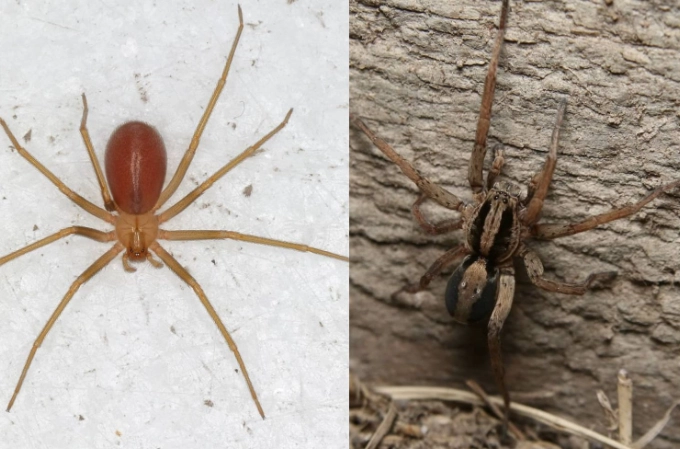
Living With (or Without) Them: Prevention and Control
Whether you're dealing with a wolf spider or brown recluse, the goal is usually to keep them outside or encourage them to leave peacefully.
For Wolf Spiders: They often wander in by accident. Since they eat pests, having one in your basement or garage isn't the worst thing. If you must remove it, use the cup-and-card method and release it outside. To deter them:
- Seal cracks and gaps around doors, windows, and foundations.
- Reduce outdoor lighting near doors (lights attract insects, which attract spiders).
- Keep grass and vegetation trimmed back from the house.
For Brown Recluse Spiders: Control is more targeted because of the potential risk. The strategy revolves around making your home inhospitable.
- Declutter Ruthlessly. This is the most important step. They hide in cardboard boxes, piles of paper, stored clothes, and unused items. Switch to plastic, sealed totes for storage.
- Move Beds Away from Walls and avoid storing items under the bed. Shake out bedding and clothing that has been on the floor or in storage.
- Use Sticky Glue Traps (monitor traps) placed along walls in basements, closets, and storage areas. These are excellent for monitoring activity and catching wandering spiders. They'll tell you if you have a problem and where it is.
- Careful Insecticide Use. If an infestation is confirmed, targeted applications of residual pesticides in cracks, crevices, and behind baseboards by a professional can be effective. But insecticides alone, without the crucial step of removing clutter, are almost useless.
Pro Tip: If you're cleaning a suspected brown recluse area (like an attic or storage room), wear gloves and long sleeves. Be mindful when reaching into dark, undisturbed spaces. It's about avoiding accidental contact, not because they're seeking you out.
Final Thoughts: Knowledge Over Fear
The whole wolf spider or brown recluse confusion is a perfect example of how a little knowledge can replace a lot of anxiety. Most of the large, scary-looking spiders in your home are harmless wolf spiders, if not something even more benign. They're just looking for a meal, not a fight.
The brown recluse deserves respect and caution if you live in its territory, but not hysterical fear. It's a shy creature that wants nothing to do with you. Managing your environment—cleaning up clutter—is 90% of the battle.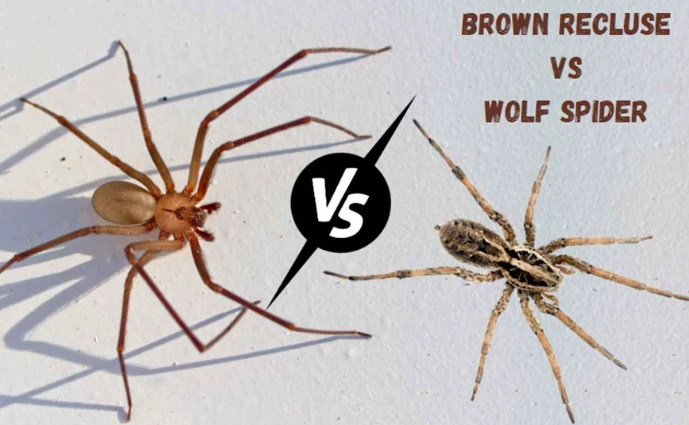
So next time you see a scurrying brown shape, take a breath. Remember the eyes, remember the behavior, remember your location. You might just find yourself appreciating a complex little predator instead of reaching for a shoe. And if you're ever in serious doubt, especially about a bite, err on the side of caution and consult a medical professional—with the spider in a jar if you can. But please, leave the internet horror stories where they belong: in the realm of fiction.
For further reading and to verify the information here, I always recommend checking resources from university entomology departments. The Purdue University Extension publication on spiders is a fantastic, science-based starting point that covers identification and biology without sensationalism.
LEAVE A REPLY
Your email address will not be published. Required fields are marked *