Quick Guide
- Is That Really a White Spider? How to Tell
- The Usual Suspects: Common White or Pale Spiders in Homes
- Why Are There White Spiders in My House? (The Real Reasons)
- What to Do: A Step-by-Step Action Plan
- Prevention: How to Make Your Home Less Inviting
- Your Questions, Answered (FAQ)
- Wrapping It Up: A Balanced Perspective
So you've spotted a white spider in your house. That moment—maybe in the corner of the bathroom, scuttling across the basement floor, or worse, dangling near your bed—is enough to give anyone a jolt. I remember the first time I saw one, a pale, almost translucent thing on my white ceiling. I nearly missed it. My brain took a second to register: that's not a bit of dust or fluff, it's moving. It's a surprisingly common discovery for homeowners, and it sparks a flood of questions. Are they dangerous? Why are they white? How did they get in, and more importantly, how do I get them out?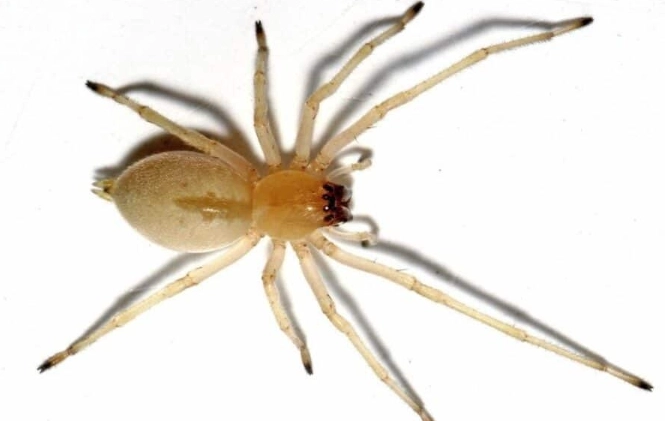
Let's clear the air right away. Most of the time, white spiders in your house are not a sign of some exotic, deadly infestation. In fact, they're usually just common house spiders wearing a different color, or at a particular life stage. But knowing which is which is the key to moving from panic to a plan. This guide is here to walk you through exactly that—identification, reasons, risks, and practical, safe solutions. We'll cut through the internet myths and focus on what you need to know.
A quick thought: The term "white spider" isn't a scientific classification. It's a description we use for spiders that appear light-colored, pale, or whitish to our eyes. This can happen for several biological reasons, which we'll get into. So when you search for "white spiders in house," you're really looking at a handful of usual suspects.
Is That Really a White Spider? How to Tell
Before you decide on a course of action, you need to know what you're dealing with. Misidentifying a harmless spider as dangerous (or vice versa) leads to unnecessary stress or, conversely, unnecessary risk.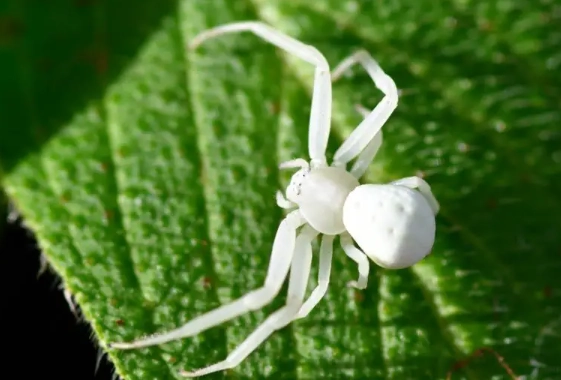
Here’s what to look for, beyond just the color:
- The Color & Texture: Is it a pure, chalky white? Or more of a pale yellow, beige, or grey? Some appear almost creamy. Also, does the body look smooth, or is it covered in tiny, velvety hairs? Hair can be a big clue.
- Size & Shape: Get a sense of its size (legspan and body). A dime-sized spider is different from one the size of a quarter. Note the body shape: is the abdomen round, oval, or elongated?
- Legs: Are the legs long and spindly, or relatively short and stout? Are they uniformly colored, or do they have bands or markings?
- Web: This is a huge giveaway. Is it hanging out in a messy, tangled cobweb in a corner? Or is it in a neat, organized orb web? Maybe it's not in a web at all, just walking on the floor.
- Location in the House: Basements, garages, and crawl spaces host different spiders than living rooms or bedrooms.
Grab a flashlight (from a safe distance!) and try to note these details. Even a blurry phone photo can help with later identification. The goal isn't to become an arachnologist overnight, but to gather enough info to match it to the common profiles below.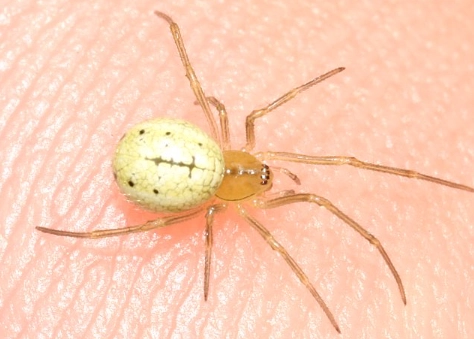
The Usual Suspects: Common White or Pale Spiders in Homes
Based on the features above, you can usually narrow it down to one of these three. I've put together a comparison table because, honestly, it's easier to see side-by-side.
| Spider Type | Typical "White" Appearance | Size (Legspan) | Web & Behavior | Risk Level |
|---|---|---|---|---|
| Common House Spider (Parasteatoda tepidariorum) | Abdomen can be pale yellow, beige, or dirty white, often with darker, chevron-like markings. The rest is brownish. | About 0.5 to 1 inch | Builds messy, tangled cobwebs in upper corners, window frames, and undisturbed areas. Sits in the web waiting for prey. | Harmless. Bites are extremely rare and not medically significant. |
| Cellar Spider (Pholcidae) - "Daddy Long-Legs" | Body is a very pale, almost translucent grey or tan. The defining feature is its incredibly long, thin, light-colored legs. | Legspan up to 2 inches, body tiny. | Loose, irregular, wispy webs in damp, dark places (cellars, basements, garages). They vibrate rapidly in their web when threatened. | Harmless. Fangs are too small to pierce human skin effectively. They eat other spiders, including dangerous ones. |
| Yellow Sac Spider (Cheiracanthium mildei) | Body is pale yellow, sometimes greenish-yellow or light beige. The legs are slightly darker at the tips. | About 0.5 to 0.8 inches | Does not build a traditional catching web. Creates a small, white, silken "sac" or retreat in upper corners, behind pictures, or in folded fabrics. Hunts at night. | Low risk. Can bite if pressed against skin (e.g., in bedding). Bite may cause a painful, red, itchy welt that heals in days. Serious reactions are uncommon. The CDC notes sac spiders as spiders of "moderate medical importance" but far less severe than widows or recluses. |
See? Already less mysterious. The vast majority of white spiders in house sightings will be one of these. The first two are basically freeloading roommates who eat bugs. The Yellow Sac Spider is the one to be more aware of, but it's still not a reason to call an exterminator for a single sighting.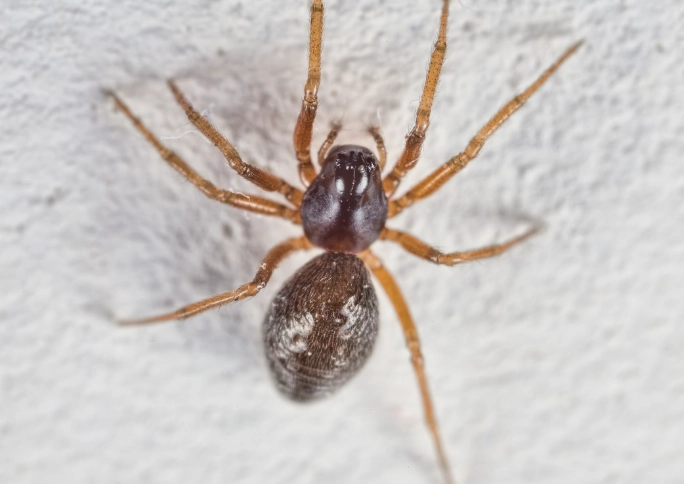
Important Note on "White" Recluses or Widows: This is a major source of fear. True Black Widows are, well, black. Brown Recluses are a uniform tan to dark brown. They do not appear as pure white spiders. However, a spiderling (baby) or a recently molted adult of any species can appear much lighter or whitish until its new exoskeleton hardens and darkens. A freshly molted brown recluse might look pale, but its distinctive dark violin marking on the cephalothorax is usually still faintly visible. If you live outside the known range of brown recluses (centered in the south-central US), the odds of it being one are astronomically low. The University of California's spider site is an excellent resource for range maps and clear identification guides to help rule out dangerous species.
Why Are They White, Anyway?
It's a fair question. In nature, bright white isn't exactly great camouflage. Here are the main reasons you might find a white spider indoors:
- Molting: This is the big one. Spiders grow by shedding their old exoskeleton. Right after this process, their new "skin" is soft and pale. It can take several hours or even days for their normal color to return. So, a white spider in your house might just be one that recently got a new outfit.
- Species-Specific Coloration: Some spiders, like the Yellow Sac Spider or certain cellar spiders, are naturally pale as part of their species' adaptation.
- Pigmentation Variations: Occasionally, individual spiders within a common species can have less pigment, making them appear lighter than their siblings.
- Dust and Debris: A spider living in a dusty attic or basement might have its web and body coated in fine dust, giving it a ghostly, whitewashed appearance.
Why Are There White Spiders in My House? (The Real Reasons)
They're not there to terrorize you. Spiders follow a simple logic: food, shelter, and mates. Your home provides all three, sometimes in abundance.
- Food Buffet: Spiders eat insects. If you have white spiders in your house, it's a near-certain sign you have other small insects (flies, mosquitoes, ants, moths, pill bugs) also living there. The spiders are a symptom, not the root cause. They found the all-you-can-eat bug buffet you're inadvertently hosting.
- Perfect Shelter: Homes offer stable temperatures, protection from rain and wind, and plenty of dark, quiet hiding spots. Basements, wall voids, attic eaves, and the space behind bookcases are spider condos.
- Accidental Entry: They wander in through gaps. Tiny cracks around windows and doors, holes for utility lines, torn window screens, or gaps under garage doors are all welcome mats. They can also hitch a ride on firewood, plants, or boxes brought in from storage.
- Attractive Environment: Damp areas like basements, crawl spaces, and bathrooms are particularly attractive to many spider species and their prey.
So, seeing a white spider is often a clue about your home's ecosystem. It's pointing you to other, smaller pests and potential entry points.
Think of them as unwelcome pest control agents with a scary appearance.
What to Do: A Step-by-Step Action Plan
Okay, you've identified it (or at least have a good guess), and you understand why it's there. Now, let's talk action. Your response should match the situation.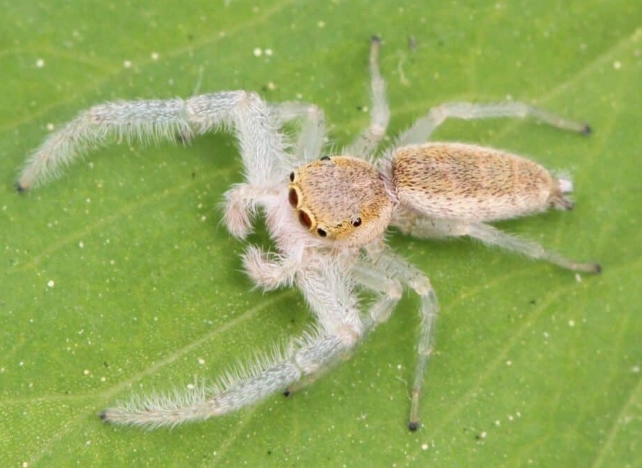
Scenario 1: The Single, Isolated White Spider
This is the most common scenario. One spider, minding its own business in a corner.
- Don't Panic. Take a breath. It's almost certainly harmless and more afraid of you.
- The Cup-and-Card Method: This is the gold standard for humane removal. Take a clear glass or plastic cup and a stiff piece of paper (index card, postcard). Slowly place the cup over the spider. Gently slide the card between the cup's rim and the surface, trapping the spider inside. Carry it outside and release it away from the house. It's simple, effective, and lets you avoid direct contact.
- Vacuum It Up: If you're squeamish about the cup method, use a vacuum cleaner with a hose attachment. Suck the spider up. This is effective, but be sure to immediately empty the vacuum canister or change the bag outside to prevent it from crawling back out.
I'm not a fan of just squishing them with a shoe, honestly. It's messy, and if it *is* a species that can bite (like a Yellow Sac), you risk provoking a defensive bite if you miss.
Scenario 2: Multiple Spiders or Recurring Sightings
If you're consistently seeing white spiders in house corners, it's time for a more strategic approach. Killing individual spiders is just playing whack-a-mole.
- Deep Clean & Declutter: Spiders love clutter. It gives them places to hide and build webs. Target the areas where you see them: clear out boxes in the basement, organize the garage, vacuum corners and ceilings meticulously (this removes webs, egg sacs, and prey). Use a duster with an extendable handle for high corners.
- Cut Off Their Food Supply: This is the most important long-term step. Implement general pest control for the insects they eat. Use fly traps, fix leaky pipes to reduce moisture-loving insects, store food in sealed containers to deter ants, and make sure garbage is sealed.
- Seal Entry Points: Grab some caulk and weatherstripping. Go on a weekend mission to seal cracks around windows, doors, pipes, and foundation lines. Repair torn window and door screens. This helps keep *all* pests out.
- Use Targeted, Natural Deterrents: Spiders "taste" and smell with their feet. They dislike strong scents like peppermint, tea tree, citrus, and vinegar. Mix 15-20 drops of peppermint essential oil with water in a spray bottle and spray along baseboards, window sills, and doorways. Reapply every week or two. Diatomaceous earth (food-grade) is a fine powder you can puff into cracks and crevices; it's harmless to humans/pets but damages the waxy coating on insects' and spiders' exoskeletons, causing them to dehydrate. It's a mechanical killer, not a chemical one.
My take on chemical sprays: I'm cautious with broad-spectrum insecticide sprays indoors. They can leave residues, pose risks to pets and children, and often only kill spiders on direct contact, doing nothing to prevent new ones from wandering in. They feel like a nuclear option for a problem that usually has simpler, more targeted solutions. The EPA's safe pest control page advocates for an "Integrated Pest Management" (IPM) approach, which prioritizes prevention and non-chemical methods first—exactly what we're outlining here.
Scenario 3: The Spider You Can't Identify or Suspect is Dangerous
If the spider has the markings of a widow (red hourglass) or a recluse (dark violin shape, six eyes arranged in pairs), or if you're simply unsure and want peace of mind:
- Do Not Attempt to Handle It. Keep your distance.
- Contain It If Possible: If it's in a bathtub or sink, you can place a large bucket over it to temporarily trap it.
- Take Clear Photos. Get shots from above and the side if possible. Good lighting is key.
- Contact a Professional: Reach out to a licensed pest control professional for identification and removal. You can also try contacting your local university extension service (search for "[Your State] cooperative extension"). They often have entomologists who can help with identification from photos for free or a small fee.
Prevention: How to Make Your Home Less Inviting
Stopping white spiders in house invasions is about making your space a bad neighborhood for them.
- Exterior Maintenance: Keep vegetation, mulch, and woodpiles away from your home's foundation. Trim back tree branches and shrubs that touch the house. These are highways for spiders and their prey.
- Lighting: Standard outdoor lights attract night-flying insects, which attract spiders. Consider switching to yellow sodium vapor bulbs or LED lights in the yellow spectrum, which are less attractive to insects.
- Regular Vacuuming: Seriously, this is your best indoor weapon. Regular vacuuming of corners, under furniture, and along ceilings removes webs, egg sacs, and the insects spiders eat.
- Reduce Humidity: Use a dehumidifier in damp basements and crawl spaces. Fix any plumbing leaks promptly. A drier environment is less hospitable to many spiders and the silverfish/earwigs they love to eat.
It's about consistency, not a one-time fix.
Your Questions, Answered (FAQ)
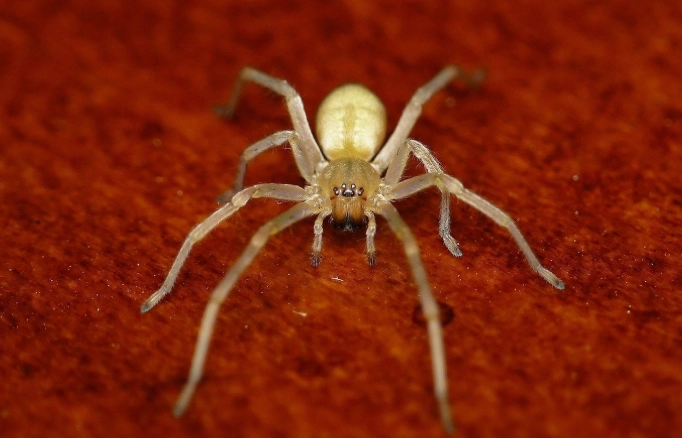
First, a quick terminology fix: spiders are venomous (they inject venom), not poisonous (which means toxic if eaten). Almost all spiders have venom to subdue their prey. The real question is: Are they dangerous to humans? For the vast majority of white spiders found in houses—common house spiders, cellar spiders—the venom is not medically significant to people. Their fangs are often too small to pierce skin effectively, or the venom is weak. The Yellow Sac Spider is an exception with a bite that can be painful and cause a local reaction, but it's rarely serious. True dangerously venomous spiders (widows, recluses) are not white.
Very likely, yes. Spiderlings are often much lighter in color than adults. They might also be a species that stays small. A tiny white spider is almost never a threat.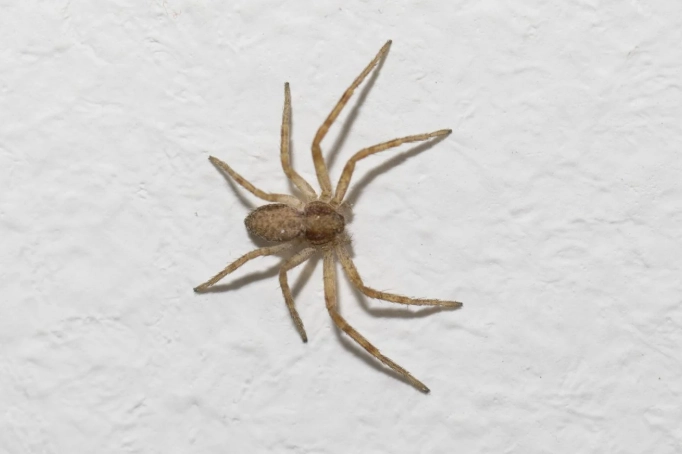
You're probably describing Phidippus jumping spider slings (babies). Some can be quite pale. Jumping spiders are harmless, curious, and have excellent vision. They're the puppies of the spider world and are fantastic pest controllers. Please don't kill them.
The Yellow Sac Spider is notorious for this. They don't nest in beds, but they are nocturnal wanderers and may crawl into bedding or folded clothes while hunting. This is why bites sometimes occur at night—the spider is trapped and pressed against skin. Shake out bedding and clothes that have been on the floor, and avoid letting blankets or bed skirts drape onto the floor.
Because you're only treating the symptom (the spider) and not the cause (other insects and entry points). You need to follow the prevention steps above—sealing, cleaning, and reducing prey insects—to break the cycle. Seeing white spiders in house after house is a signal to look deeper at your home's environment.
It's a marathon, not a sprint.
For general white spiders (house, cellar), almost certainly not. A good pest control company will tell you the same thing and recommend the sealing and sanitation steps we've covered. Their chemical treatments are often overkill. However, if you have a confirmed infestation of a species of concern (like numerous Yellow Sac Spiders in living areas), or if you have an overwhelming fear (arachnophobia) that affects your quality of life, then calling a pro for a consultation and targeted treatment can be a reasonable path to peace of mind.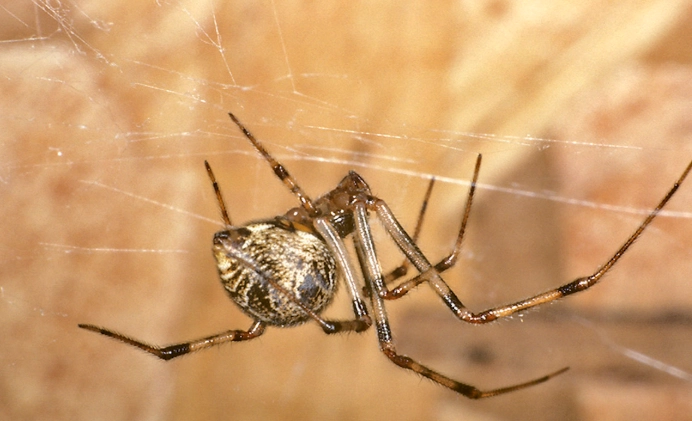
Wrapping It Up: A Balanced Perspective
Finding white spiders in your house is unsettling, but it's rarely a crisis. Most are harmless hitchhikers or beneficial predators that just happen to startle us. The key is to move from a reactive "kill it!" stance to a proactive management plan.
Start with identification to calm your fears. Then, focus your energy not on the spiders themselves, but on making your home less inviting to them and their food sources. Seal cracks, reduce clutter, control moisture, and vacuum regularly. It's less glamorous than spraying poison, but it's more effective, safer for your family, and solves the problem for good.
Remember, a completely spider-free home is an impossible and arguably undesirable goal. A few in the basement or garage are working for you, eating pests. It's when they move into your living spaces in numbers that you need to take the gentle, consistent steps outlined here. You've got this.
LEAVE A REPLY
Your email address will not be published. Required fields are marked *