Quick Navigation
Let's talk about spiders in Kansas. If you've lived here for more than a week, you've probably seen one. Maybe in the corner of your garage, scurrying across the basement floor, or even (yikes) in the bathtub. I get it. For some folks, the mere sight of eight legs is enough to send shivers down the spine. But here's the thing I've learned after years of gardening and dealing with old farmhouses—most of the spiders in Kansas are not only harmless, they're downright helpful. They're nature's pest control, busily eating the flies, mosquitoes, and other bugs that actually bother us.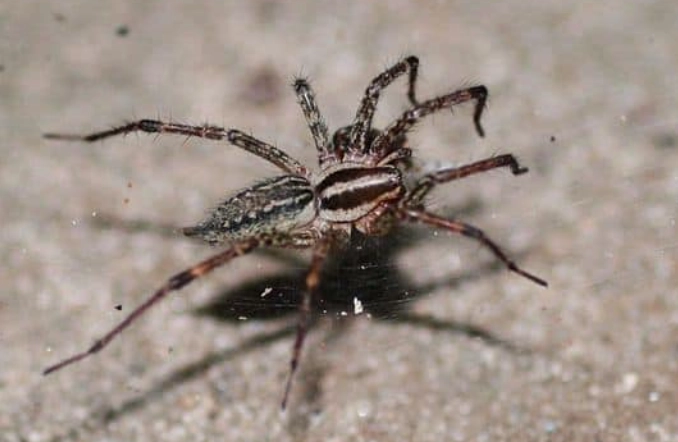
But which ones are which? That's the real question. You don't want to panic over a harmless orb weaver just trying to catch moths, but you absolutely should know how to spot the couple of species that warrant caution. This guide is my attempt to sort it all out for you, based on what I've seen, what experts say, and a whole lot of reading from reliable sources. We'll go beyond just names and pictures. We'll talk about where they live, what they do, and what you should actually do if you find one. Think of it as your neighborly chat about our eight-legged co-inhabitants.
The Spiders You're Most Likely to Meet in Kansas
Kansas, with its mix of prairie, farmland, and wooded areas, is home to a surprising diversity of spiders. I remember once trying to count the different kinds around my property and giving up after a dozen. But for daily life, you really only need to know about a handful. These are the usual suspects, the ones that turn up in homes, barns, and gardens with regularity.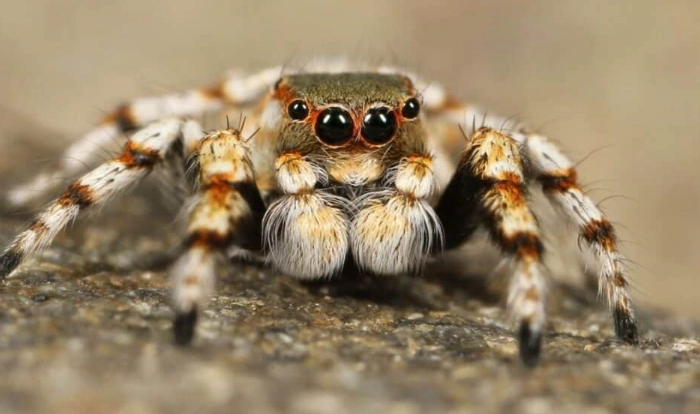
The Common House Spider (Parasteatoda tepidariorum)
This is probably the champion of spiders in Kansas homes. You know the messy, tangled cobwebs in your window corners, basement joists, or behind furniture? That's often their handiwork. They're small, yellowish-brown with a mottled pattern, and honestly, a bit frumpy-looking. They're not ambitious architects like orb weavers; their webs are chaotic. But they're incredibly effective at catching nuisance insects.
I've watched them in my shed. They just sit in their messy webs, waiting. A fly buzzes in, gets tangled, and that's lunch. They're completely harmless to people. My policy is to leave them be in out-of-the-way places like the garage or shed. If they're in the living room, I'll gently relocate them. No need for the vacuum or shoe.
Wolf Spiders (Family Lycosidae)
Now these guys can startle you. They're big, hairy, and fast. They don't build webs to catch prey. Instead, they're active hunters, running down their meals like the wolves they're named after. You'll often see them on the ground in gardens, under leaf litter, or occasionally darting across the floor when you turn on a light at night. Their size and speed are what freak people out.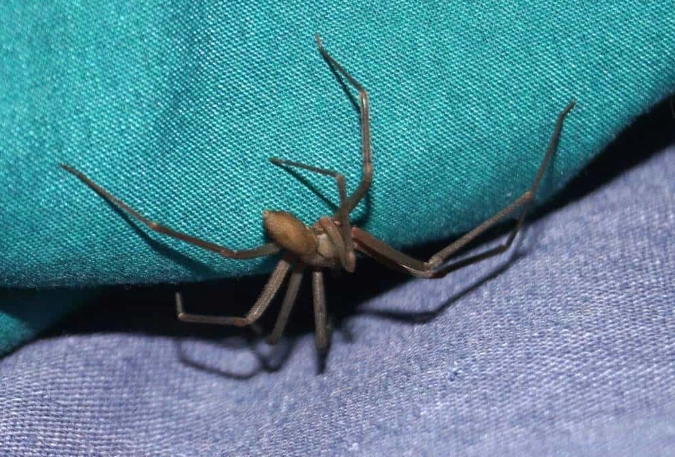
I had one in my basement once that was nearly the size of a silver dollar (legs included). My heart skipped a beat. But here's the key thing: they're not aggressive toward humans. They'd much rather run and hide. Their venom is not considered medically significant for people. In fact, they're great to have in gardens because they eat a ton of crop-damaging insects. If you see one inside, you can guide it into a cup and put it outside. It'll be happier there anyway.
Orb Weavers (Family Araneidae)
These are the artists, the ones that create those beautiful, classic, circular webs you see strung between plants, across porch railings, or in tall grass in the early morning when the dew is on them. In Kansas, you get several types, like the Black and Yellow Garden Spider (Argiope aurantia) with its striking yellow and black abdomen, or the more subdued Barn Spider (Araneus cavaticus).
Their webs are engineering marvels, perfectly designed to intercept flying insects. The spiders themselves can be quite large and colorful, which sometimes scares people. But they are utterly harmless and non-aggressive. They'll usually stay in the center of their web, waiting. I love having them around my garden and flower beds—they're like a free, organic pest control installation. Just try not to walk face-first into their web at dusk!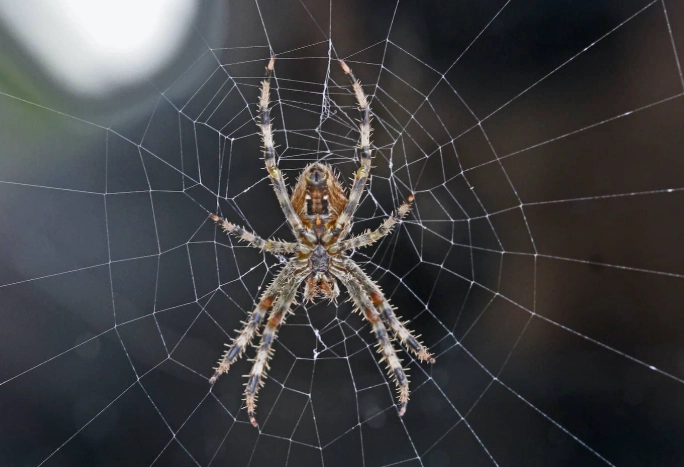
Jumping Spiders (Family Salticidae)
These are my personal favorites among Kansas spiders. They're small, fuzzy, and have these big, forward-facing eyes that make them look almost curious or intelligent. They don't build webs for catching food. Instead, they stalk their prey and then, as the name says, jump on it with impressive accuracy. You'll see them on windowsills, sunning themselves on siding, or on plants.
They are completely harmless to humans and are actually kind of fun to watch if you can get past the spider thing. They seem to track your movement with those big eyes. They're shy and will hop away if you get too close. A jumping spider in the house is nothing to worry about—it's probably just lost and eating other tiny bugs.
The Two You Need to Be Able to Identify: Venomous Spiders in Kansas
Okay, let's address the elephant in the room. Or rather, the two spiders that cause most of the concern. Yes, Kansas is home to two species whose bites can cause medical issues: the Brown Recluse and the Black Widow. The fear around them is often exaggerated, but it's not unfounded. Knowing what they look like and their habits is the best defense. Panic isn't helpful, but respectful identification is.
Brown Recluse (Loxosceles reclusa)
This is the one that generates the most calls to exterminators and doctors in Kansas. It's not huge—about the size of a quarter with its legs extended. Its color ranges from light tan to dark brown. The key identifying mark is the dark, violin-shaped marking on its cephalothorax (the front body section), with the "neck" of the violin pointing toward the abdomen. People call it the "fiddleback" spider for this reason.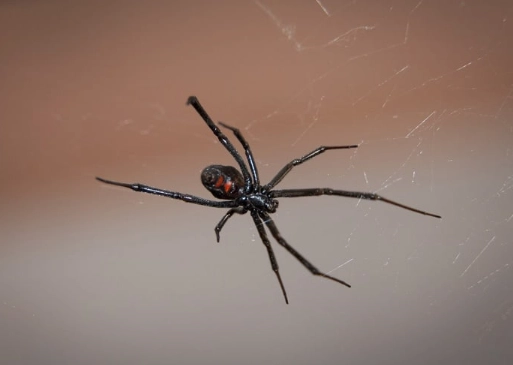
But here's the tricky part: you need to see its eyes. Most spiders have eight eyes arranged in two rows of four. The brown recluse has only six eyes, arranged in three pairs (one pair in front, two on the sides). You usually need a magnifying glass for that. So, the violin mark is the best field clue.
They are called "recluses" for a reason. They like quiet, undisturbed, dry places. Think cardboard boxes in attics or basements, behind stored items, in the backs of closets, or rarely used garments. They are not out roaming your walls. I found one once in an old boot in a barn—it was a classic recluse habitat.
Their venom can cause necrotic lesions (tissue death) in some people, but not everyone reacts severely. The bite is often painless at first, then becomes painful over hours. If you suspect a brown recluse bite, it's wise to capture the spider safely (if possible) and seek medical attention. Don't wait. The CDC provides clear images and information on the Brown Recluse that are worth checking for visual confirmation.
Black Widow (Latrodectus mactans)
The black widow is more iconic. The female is shiny black with a very round abdomen and the famous red hourglass marking on the underside. The males are smaller, brown, and harmless. They build messy, tangled, strong webs, often in low, protected places. Think under porch steps, in cinder block voids, in woodpiles, around meter boxes, or in undisturbed corners of sheds and garages.
Their venom is a neurotoxin, which is different from the brown recluse's tissue-damaging venom. A bite can cause severe muscle cramps, abdominal pain, nausea, and sweating—a condition called latrodectism. Like the recluse, they are not aggressive. Bites happen when someone accidentally reaches into a web or disturbs the spider.
I'm always extra careful when reaching into dark, cluttered outdoor spaces. A quick visual check can save a lot of trouble. The Kansas State University Research and Extension website has excellent, locally relevant fact sheets on both of these spiders, which I find more reliable than generic internet info.
| Spider | Primary Habitat in KS | Key Identification Feature | Venom Risk to Humans | Typical Behavior |
|---|---|---|---|---|
| Brown Recluse | Indoors: undisturbed storage areas (attics, basements, boxes). Outdoors: sheds, barns. | Dark violin shape on head/thorax; six eyes (use magnifier). | Can cause necrotic skin lesions in some cases. Bite requires medical attention. | Secretive, non-aggressive. Bites only when pressed against skin. |
| Black Widow | Protected outdoor areas: woodpiles, under decks, meter boxes, cinder blocks, cluttered sheds. | Shiny black female with red hourglass on underside of abdomen. | Neurotoxic venom can cause severe pain and systemic illness. Seek medical care. | Non-aggressive, reclusive. Bites only when disturbed. |
| Wolf Spider | Ground level: gardens, under rocks/leaves, occasionally indoors in basements/garages. | Large, hairy, fast-running. Carries egg sac attached to spinnerets. | Low risk. Bite may be painful like a bee sting but not medically significant. | Active hunter, runs from threats. |
| Common House Spider | Corners of rooms, windows, attics, basements—anywhere with minimal disturbance. | Small, mottled brown. Builds messy, tangled cobwebs. | Virtually none. Harmless. | Sedentary web-dweller. |
Living With Spiders in Kansas: Practical Advice
So, what do you do with all this information? The goal isn't to eradicate all spiders in Kansas from your life—that's impossible and ecologically unwise. The goal is coexistence with awareness. Here's what works for me and many others.
Prevention is the Best Policy
Most spiders come inside looking for two things: prey and shelter. If you reduce their food source and entry points, you'll see far fewer.
- Seal it up: Check for cracks around windows, doors, utility pipes, and foundation vents. Use caulk or weather stripping. This helps with all kinds of pests, not just spiders.
- Reduce clutter: This is huge, especially for recluses. Keep storage areas like basements and attics tidy. Store items in plastic bins with tight lids instead of cardboard boxes, which recluses love. Get rid of piles of old newspapers or clothes.
- Manage outdoor harborage: Keep firewood, lumber, and debris piles away from the house's foundation. Trim back vegetation that touches the siding. This discourages black widows and others from setting up shop too close.
- Control other insects: Fewer flies, ants, and crickets mean less spider food. Fix leaky faucets, don't leave pet food out, and use good sanitation practices.
Safe Removal When Necessary
You see a spider you don't want inside. What now?
- Stay calm. Most spiders are harmless. Assess from a distance if you can.
- The cup-and-card method is king. Place a clear cup or jar over the spider. Slide a stiff piece of paper or cardboard underneath. Carry it outside and release it away from the house. This works for 95% of situations.
- For suspicious spiders (recluse/widow): Use the same method, but be extra careful. Wear gloves. Once contained, you can decide. You can release it far away, or if you need ID confirmation for peace of mind, you can safely submerge the sealed container in rubbing alcohol to preserve it for identification. Don't smash it—a mangled spider is hard to ID.
- Vacuuming is an effective way to remove spiders and their webs/egg sacs from corners. Just remember to seal and dispose of the vacuum bag or empty the canister outside afterward.
Chemical sprays? I'm not a big fan for general spider control. They often don't work well because spiders don't groom themselves like insects do, and they walk on their tiptoes, minimizing contact. Targeted, professional pest control might be justified for a confirmed, persistent brown recluse infestation, but it's rarely the first-line solution.
Answering Your Questions About Spiders in Kansas
I get asked these questions a lot. Let's tackle some of the most common ones head-on.
- Stay calm. Wash the area with soap and water.
- Try to safely collect the spider for identification, even if it's dead. This is crucial for your doctor.
- Apply a cold pack to reduce swelling.
- Seek medical attention if: You suspect the bite is from a brown recluse or black widow; the bite area develops severe pain, a spreading rash, or an ulcer; or you experience systemic symptoms like muscle cramps, fever, or nausea.
Don't try to "suck out the venom" or cut the bite area. Those are old myths that can cause more harm.
Wrapping It Up: Respect, Don't Fear
Look, I understand arachnophobia is a real thing for many people. I'm not here to tell you to love spiders. But I do hope this guide helps replace some of that fear with knowledge. The vast majority of spiders in Kansas are harmless helpers. The two that require caution have clear identities and habits that make avoidance straightforward.
The key takeaways? Learn the violin and the hourglass. Keep your storage areas tidy and sealed. Use the cup-and-card method. Appreciate the incredible pest control work they do in your garden.
Kansas has a fascinating array of wildlife, and spiders are a big part of that web of life (pun intended). By understanding them better, we can live alongside them more comfortably and safely. So next time you see a web glistening with dew or a little jumper on your windowsill, maybe you'll take a second to look a bit closer before deciding its fate.
LEAVE A REPLY
Your email address will not be published. Required fields are marked *