Quick Navigation
- What is the Average Lifespan of a Termite? Breaking it Down by Caste
- Factors That Influence How Long a Termite Can Live
- The Life Cycle: From Egg to Adult (and How Long Each Stage Lasts)
- Why Knowing Termite Lifespan is Crucial for Homeowners
- Common Questions About Termite Lifespan (Answered)
- Practical Takeaways: What This Means for Protecting Your Home
So you're wondering about termite lifespan. Maybe you found a few winged ones (swarmers) inside your house and panicked. Or perhaps you're just curious about these tiny, silent destroyers. I get it. When I first saw a termite mud tube snaking up my foundation, my first thought wasn't about treatment costs—it was, "How long have these things been here? How long can they even live?"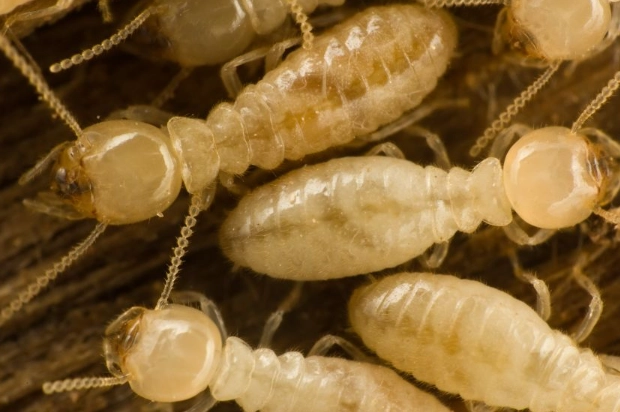
It turns out, asking "how long can a termite live" is like asking how long a car can last. A beat-up sedan might give out in five years, while a well-maintained luxury model could go for decades. It all depends on the model, the conditions, and the role it plays. For termites, their lifespan is shockingly variable and deeply tied to their social structure.
Here's the quick, frustrating answer: There's no single number. A worker termite might only see a couple of years, while the queen of the colony, hidden deep in the ground or your walls, can reign for decades. That's a huge range, and it's the core of why they're so successful and so destructive.
What is the Average Lifespan of a Termite? Breaking it Down by Caste
Termites live in a rigid caste system. Your job determines almost everything: what you eat, your daily tasks, and yes, how long you live. To understand termite longevity, you have to look at each role separately. It's the only way the question "how long can a termite live" makes any sense.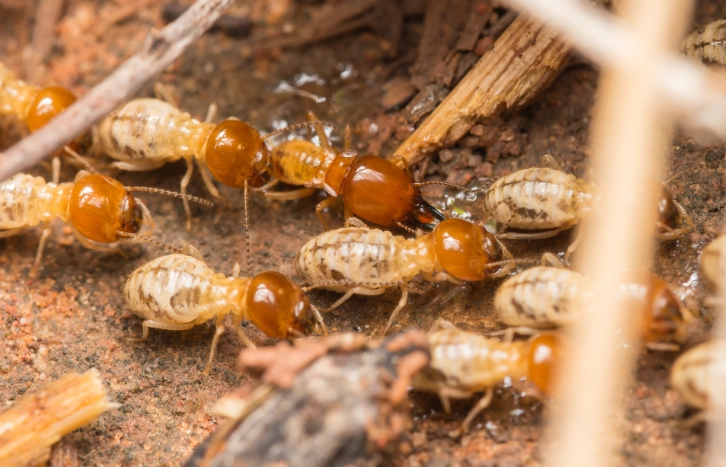
Let's start with the table below. It gives you the stark differences at a glance.
| Termite Caste | Primary Role | Average Lifespan | Key Factors Affecting Lifespan |
|---|---|---|---|
| Workers | Forage for food (cellulose), feed the colony, build tunnels, care for young. | 1 to 2 years | Predation, dehydration, injury from hard work, pesticide exposure. |
| Soldiers | Defend the colony with their enlarged mandibles or chemical sprays. | 1 to 2 years | High mortality in combat, inability to feed themselves (reliant on workers). |
| Swarmers (Alates) | Reproductives that leave to start new colonies. | Weeks to less than a year (post-swarm) | Extreme predation during flight (birds, lizards). If they land successfully and become a king/queen, lifespan changes dramatically. |
| Queen & King | Sole egg-laying female and her mate, the founders of the colony. | 15 to 25+ years (Some records suggest up to 50 under perfect conditions) | Protected deep within the colony, constant care from workers, minimal external threats. The queen's health is the colony's priority. |
See what I mean? The lifespan range is massive. The vast majority of termites you might encounter—the pale, soft-bodied workers—are essentially disposable labor with short, hard lives. But that's by design. The colony's immortality doesn't rely on individual workers; it relies on the royal pair.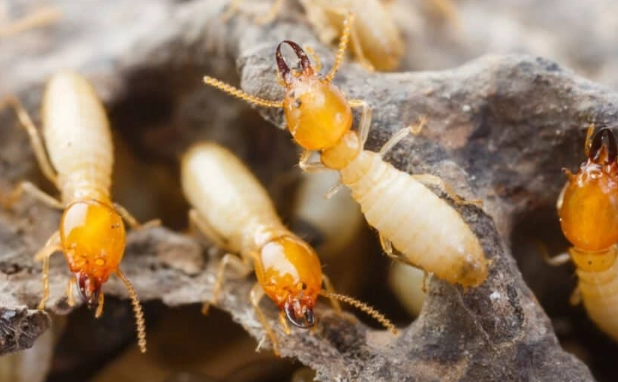
I remember talking to an entomologist who put it bluntly: "A worker termite is like a single blood cell. It has a short, specific function. You don't mourn a blood cell; you worry about the heart that makes them." The queen is the heart.
Why Do Queens Live So Darn Long?
This is where it gets fascinating, and a bit creepy. A subterranean termite queen becomes an egg-laying machine. Her abdomen enlarges dramatically (a process called physogastry), and she can lay thousands of eggs per day. To support this, she's housed in a central, fortified chamber, constantly groomed and fed a special diet by an army of attendants.
She faces almost none of the dangers her subjects do. No predators, no risk of drying out, no exhausting foraging trips. Her environment is kept at a perfect humidity and temperature. Some research even suggests queens have exceptional cellular repair mechanisms. The colony invests everything in her longevity because she is the colony's future. When you're trying to figure out how long a termite colony can live, you're really asking how long the queen can live.
Here's the scary part for homeowners: A single, healthy queen means a colony that can grow exponentially for decades. That's decades of silent, hidden munching on the structural wood of your home. The short life of individual workers is irrelevant when there's a steady, endless stream of them being produced.
Factors That Influence How Long a Termite Can Live
Beyond caste, a bunch of other things play a role. It's not just genetics.
Termite Species: This is a big one. The common subterranean termite (Reticulitermes spp.) queens often live 15-20 years. The Formosan subterranean termite, an invasive and highly aggressive species, is known for massive colonies and potentially longer-lived, more prolific queens. Drywood termite queens, which live inside the single piece of wood they infest, might have slightly shorter lifespans (10-15 years) due to more constrained resources. Knowing your enemy matters.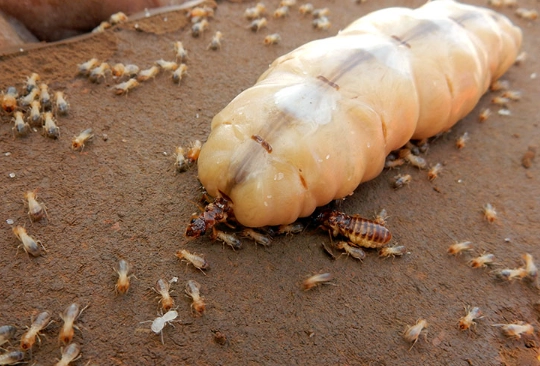
Environmental Conditions: Termites need moisture. A colony in a consistently damp, temperate environment (like under a leaky bathroom or in moist soil) is in heaven. It will thrive, and its members will likely live to their full potential. A colony trying to survive in a dry, exposed area is under constant stress. Workers dehydrate and die faster, which strains the colony and could even impact the queen's health. Temperature stability is also key—extreme cold or heat can wipe out parts of a colony.
Food Source Availability: A colony feasting on the soft, untreated pine of your floor joists has a premium, unlimited buffet. This leads to rapid growth and a healthy, long-lived queen. A colony struggling to find cellulose might be weaker, with higher mortality rates for all castes. It's a simple equation: better food equals a stronger, more durable colony.
Predation and Competition: Ants are termites' arch-nemeses. A colony under frequent attack by ants will lose soldiers and workers at a high rate. This constant battle drains resources and can shorten the effective lifespan of the colony as a whole, even if the queen is safe.
Human Intervention (Pest Control): This is the ultimate lifespan shortener. A proper termiticide application or baiting system doesn't just kill the workers it contacts. Modern methods are designed to be transferred through the colony via grooming and feeding (trophallaxis), eventually reaching and eliminating the reproductives. When the queen dies, the colony's clock runs out.
My take: All these factors intertwine. A mature subterranean termite colony in the ideal environment—moist soil adjacent to an undisturbed wood source—is a longevity superstar. It's the perfect storm for a homeowner's nightmare. This is why experts from places like the University of Minnesota Department of Entomology stress habitat modification (fixing leaks, removing wood-to-soil contact) as a first line of defense. You're literally making their world less livable.
The Life Cycle: From Egg to Adult (and How Long Each Stage Lasts)
Understanding lifespan isn't complete without looking at their life cycle. It's a journey, and each stage has its own timeline.
- Egg: Laid by the queen, these tiny eggs hatch in about 2-4 weeks, depending on temperature and species.
- Larva/Nymph: The hatched termite is fed by workers. It will molt several times. During these molts, it can be directed into becoming a worker, soldier, or reproductive nymph. This juvenile stage lasts a few weeks to a few months.
- Adult Caste: After the final molt, the termite assumes its role as a worker, soldier, or reproductive. This is when the clock starts on those lifespans we talked about in the table. Workers and soldiers get to work immediately. Reproductive nymphs develop wings and become swarmers.
- Swarming: This is the brief, dramatic event you might see. On a warm, humid day, often after rain, swarmers pour out of the colony to mate and try to start new ones. Their adult life as swarmers is brutally short—maybe a day or two. Most are eaten or die. But a lucky pair that finds a suitable damp crevice with wood will shed their wings, become a king and queen, and start the cycle anew with a potentially multi-decade reign.
So, a termite's total "life" from egg to death could be as short as a few months (for a worker that dies young) or longer than a human's mortgage (for a queen).
Why Knowing Termite Lifespan is Crucial for Homeowners
This isn't just entomology trivia. The longevity of the queen is the single most important reason why termites are such a severe, slow-motion threat.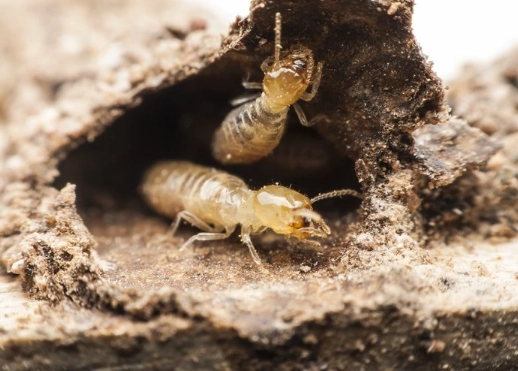
Think about it. If the queen only lived 2-3 years, even a large colony would be a temporary problem. But a 20-year queen can lead a colony that grows to hundreds of thousands or even millions of individuals. She can produce a staggering number of offspring over her lifetime. The U.S. Environmental Protection Agency (EPA) classifies termites as a major economic pest precisely because of this persistent, cumulative damage.
When you see swarmers indoors, it's not a sign of a new infestation. It's a sign of a mature infestation, likely at least 3-5 years old. That colony has had years to grow and cause damage, hidden from view. The swarmers are its attempt to expand its empire. The core question behind how long can a termite live translates directly to: "How much time has this colony had to eat my house?"
It also explains why DIY solutions often fail. Killing the workers you see with a spray is like mowing dandelion heads. The root—the queen—is still there, perfectly capable of producing more. Effective control targets the colony's longevity at its source.
Common Questions About Termite Lifespan (Answered)
Can termites live for years inside wood without being detected?
Absolutely. This is their specialty. A colony of subterranean termites can be active in the soil and the wood of a structure for 5, 10, or 15 years before signs become obvious to a homeowner. They eat along the grain, often leaving a thin veneer of wood or paint intact. Drywood termites live entirely inside a single piece of wood and may only be detected by their tiny, pellet-like droppings (frass) that they kick out of tiny holes. Their quiet, hidden feast is why annual professional inspections are non-negotiable in termite-prone areas.
How long can termites live without a queen?
This is a great question with a grim answer for the colony. Workers and soldiers cannot reproduce. Without the queen's pheromones to regulate the colony and, more importantly, without new eggs hatching, the colony is doomed. The existing workers and soldiers will continue their tasks until they die of old age or predation. Since their individual lifespans are 1-2 years, the entire colony will be dead within about two years of the queen's death. No new replacements are coming. This is exactly how bait systems work—they aim to kill the queen, knowing the colony will then terminally decline.
How long do flying termites (swarmers) live after they swarm?
A very, very short time. Their sole purpose is to fly, mate, and find a new nest site. They are poor fliers and are eaten in droves by birds, dragonflies, and other predators. If they land successfully, they break off their wings, pair up, and the new king and queen attempt to start digging a nest. Mortality at this stage is incredibly high. The ones that become a new king and queen are the lottery winners, trading a lifespan of hours for a potential lifespan of decades.
What's the longest recorded lifespan for a termite queen?
While hard to verify in the wild, laboratory observations and estimates from large, undisturbed colonies (like those in forests) suggest some termite queens can live over 50 years. The National Pest Management Association (NPMA) notes that the longevity and fecundity of termite queens are what make established colonies so formidable. In your home, 15-25 years is a more common, yet still terrifying, estimate.
Practical Takeaways: What This Means for Protecting Your Home
All this talk of queens and decades isn't meant to scare you (well, maybe a little). It's meant to inform a smarter defense strategy.
- Think in Decades, Not Days: Termite protection is a long-term commitment. A soil treatment has a finite lifespan (often 5-10 years). Bait systems require ongoing monitoring. Don't treat it as a one-and-done fix.
- The Goal is Colony Elimination: When you hire a pro, ask about their method's mode of action. Does it just repel, or does it have transfer effects that can reach the queen? Repellent barriers just move the problem; colony elimination solves it.
- Moisture Control is Lifespan Control: Remember, moisture is life for them. Fix leaky faucets, ensure downspouts drain away from your foundation, and ventilate crawl spaces. You are directly attacking their ideal living conditions, potentially stressing the colony and shortening its effective life.
- Annual Inspections are Your Early Warning System: You can't see the queen. You can't see most of the workers. But a trained inspector can find the subtle signs (mud tubes, damaged wood, shed wings) long before the damage becomes catastrophic. Catching a 3-year-old colony is infinitely better than discovering a 15-year-old one.
I learned this the hard way. My "wait and see" approach with some suspicious mud resulted in a $12,000 repair bill for subfloor and joists. The pest control guy estimated the colony was at least 8 years old based on its size and the damage. Eight years of a queen quietly pumping out eggs. That experience made the abstract question of how long a termite can live painfully concrete.
In the end, termites are a marvel of evolution—superorganisms where the individual is expendable but the collective can endure for a human generation. Their lifespan isn't a bug; it's their most powerful feature. Understanding it is the first step in building a defense that lasts as long as they do.
LEAVE A REPLY
Your email address will not be published. Required fields are marked *