Quick Guide
You know the feeling. You're trying to enjoy a peaceful evening on the patio, or maybe you're camping near some marshy woods. Then it starts—a sharp, pinprick itch, followed by another, and another. You swat at the air, but you can't see anything. You might blame mosquitoes, but the welts are different, fiercer, and the culprit is invisible. Chances are, you've met the noseeum fly.
That's right, "noseeum." It's not a scientific name, but it's the perfect folk name for these pests. Scientifically, they're biting midges from the Culicoides genus. But let's be honest, when you're covered in itchy welts, you don't care about their Latin name. You just want to know what they are, why they're attacking you, and how to make them stop. I've been there. I spent a summer near a coastal area where these things were relentless, and figuring them out became a personal mission.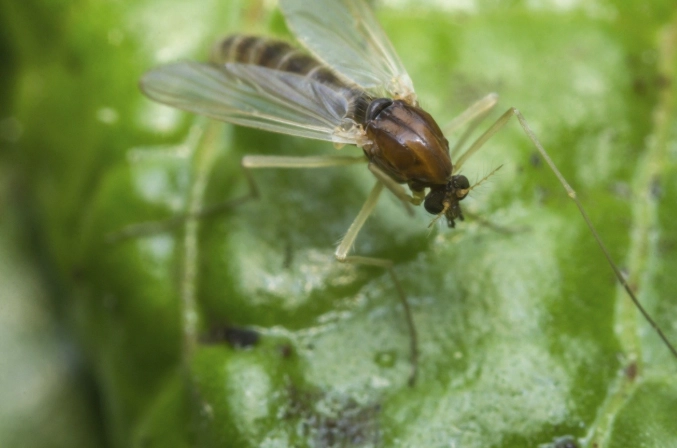
This guide is the result of that mission. We're going to break down everything about noseeum flies, from why their bites are uniquely miserable to the methods that actually work to keep them away. Forget the generic advice; we're getting into the nitty-gritty.
What Exactly Is a Noseeum Fly?
Calling them "flies" is a bit misleading. They're more closely related to gnats and midges. The key thing is the biting part. Only the females bite—they need a blood meal to develop their eggs. And they're tiny. I mean, ridiculously tiny. We're talking 1 to 3 millimeters long. A standard window screen has holes about 1.2 mm wide. Do the math. Yep, they can fly right through most standard screens. That's your first clue about the challenge they present.
The Noseeum Basics: Think of them as the stealth fighters of the biting insect world. They're weak fliers, so they don't venture far from their breeding grounds (usually damp, organic-rich soil or mud). But if you're within a few hundred feet of that ground, you're on their menu. Their activity peaks at dawn and dusk, but on cloudy, windless days, they can be a problem all day long.
They're found worldwide, but in the U.S., they're a major nuisance in coastal regions, Florida, and areas with lots of standing water or high humidity. The University of Florida's Entomology Department has some detailed profiles on various Culicoides species, highlighting their role not just as pests but sometimes as vectors for diseases in animals, which underscores their significance beyond just an itchy bite.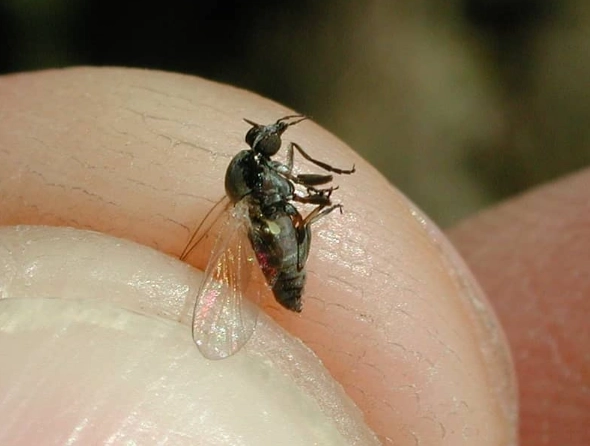
Why Do Noseeum Bites Hurt and Itch So Much?
This is the million-dollar question. A mosquito bite is annoying, but a noseeum bite? It's a special kind of torment. The reason lies in their feeding strategy.
Mosquitoes use a slender, needle-like proboscis to tap a capillary. Noseeums are... messier. Their mouthparts are designed to lacerate or crush the skin surface to create a small pool of blood. To do this effectively, they inject a potent cocktail of saliva containing anticoagulants and proteins. Our immune systems react strongly to this foreign saliva, leading to an intense inflammatory response.
The Bite Reaction Timeline
It doesn't always happen immediately. Here’s what you can typically expect, though reactions vary wildly from person to person.
- The Initial Strike: You might feel a sharp sting, or you might feel nothing at all. Their size works in their favor here.
- Delayed Onset: Within a few hours, the real fun begins. A small, red dot appears and quickly inflates into a raised, hard welt. This is the classic "noseeum bite." It's often paler in the center.
- The Itch Peak: For the next 24-48 hours, the itch can be maddening. It's a deep, persistent itch that scratching only seems to amplify. This is your body's histamine response in overdrive.
- The Long Tail: For some unlucky individuals (like me on my first major exposure), the welts can last for a week or two. They may even form small blisters. Secondary infections from scratching are a real risk, especially for children.
A Word of Caution: While severe allergic reactions are rare, they are possible. If you experience symptoms like extensive swelling far from the bite site, dizziness, or difficulty breathing, seek medical attention immediately. For most people, it's "just" extreme discomfort, but it's serious discomfort.
How to Stop the Itch: Treating Noseeum Bites
The first rule is don't scratch. I know, it's like telling someone not to think about a pink elephant. But scratching breaks the skin, introduces bacteria, and can make the itch worse by releasing more histamine. Here’s what actually helps, ranked from my personal experience and consensus from dermatological resources.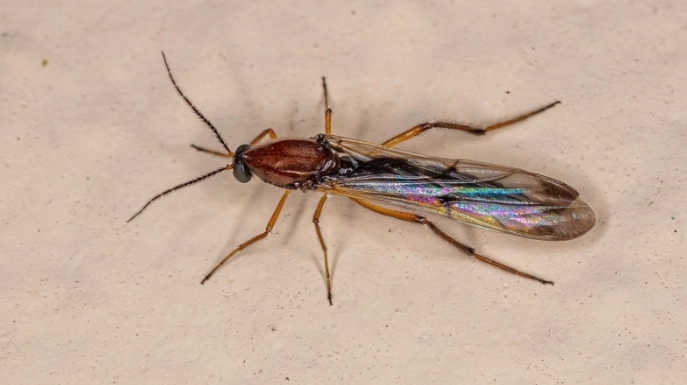
Top Tier Relief:
- Cold Compress: This is the fastest, cheapest, and most effective first step. Ice wrapped in a cloth, applied for 10-15 minutes, constricts blood vessels and numbs the nerve endings. It reduces swelling and itch instantly.
- Over-the-Counter Hydrocortisone Cream (1%): This is a mild topical steroid that directly tackles inflammation. Apply a small dab as soon as you notice the welt forming. It's more effective as a preventative for the worst of the itch than a cure once you're in full scratch-mode.
- Oral Antihistamines: Medications like cetirizine (Zyrtec) or loratadine (Claritin) work from the inside out. They're especially helpful if you have many bites or know you react badly. A non-drowsy formula during the day is key.
Home Remedies & Other Options:
- Baking Soda Paste: Mix baking soda with a few drops of water to make a paste. It has a soothing, alkaline effect that can neutralize some of the itch for a while. It's messy but can provide temporary relief.
- Calamine Lotion: The old standby. It cools on contact and provides a protective barrier. It's decent, but I've found it less effective on the intense, deep itch of noseeum bites compared to mosquito bites.
- Aloe Vera Gel: The pure, cold kind from the fridge. More soothing than curative, but the cooling sensation is a welcome distraction.
Honestly, the combo of ice + hydrocortisone + an oral antihistamine is the gold standard for getting through a bad bout.
Keeping Them Away: Prevention and Control That Works
Treatment is a rear-guard action. The real victory is not getting bitten in the first place. This requires a multi-layered defense, because these bugs are persistent.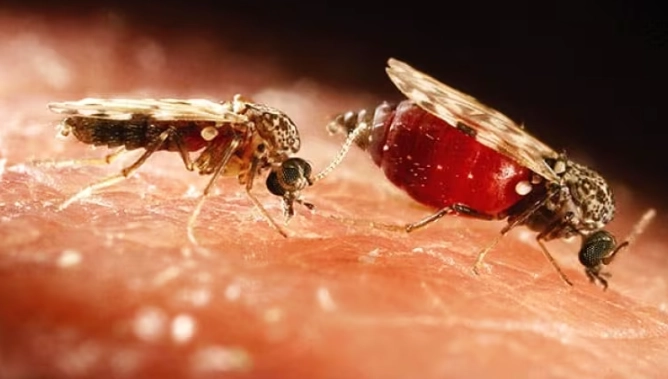
Personal Protection: Your First Line of Defense
When you're outdoors in noseeum territory, you need a barrier.
- Clothing: Wear long sleeves and long pants made of tightly woven fabric. Loose-fitting is better—tight clothing can be bitten through. Light colors are also recommended, as they're less attractive to many biting insects.
- Insect Repellent: This is non-negotiable. But not all repellents are equally effective against noseeums.
Let's talk repellents. The Environmental Protection Agency (EPA) evaluates and registers insect repellents for safety and efficacy. Their guidance is crucial for making an informed choice. Based on EPA-registered ingredients and my own testing, here’s the breakdown:
| Active Ingredient | Effectiveness vs. Noseeums | Pros | Cons | My Take |
|---|---|---|---|---|
| DEET (20-30%) | Excellent | Gold standard, long-lasting. | Can damage plastics/synthetics, oily feel. | Still the most reliable for heavy infestations. |
| Picaridin (20%) | Excellent | Odorless, doesn't damage gear, pleasant feel. | Slightly less long-lasting than high-% DEET. | My personal favorite for everyday use. |
| Oil of Lemon Eucalyptus (OLE) | Good to Very Good | Plant-based, natural. | Shorter protection time (needs reapplication), not for kids under 3. | A great natural-ish option if you reapply diligently. |
| IR3535 | Good | Gentle on skin. | Shorter duration, may need frequent re-apps. | Fine for low-risk, short outings. |
Permethrin is a game-changer, but it's for clothing and gear only, not skin. You spray it on your clothes, shoes, and hats and let them dry. It actually kills and repels insects on contact. A permethrin-treated outfit combined with a skin-applied repellent like picaridin is an almost foolproof barrier. You can find EPA-registered permethrin products for treating clothing.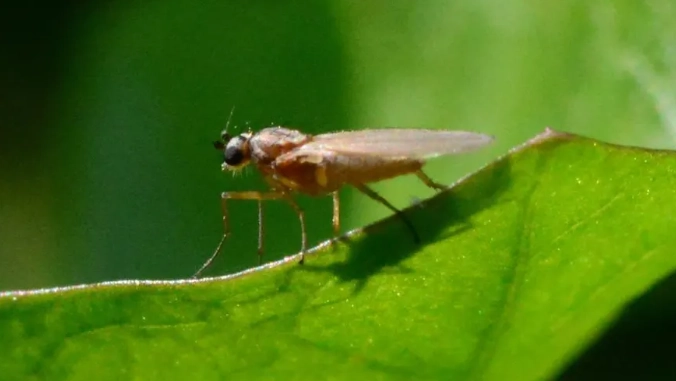
Protecting Your Living Space
If noseeums are getting inside, your sanctuary is breached. Here’s how to fortify it.
- The Screen Fix: Standard window and door screens won't cut it. You need "no-see-um mesh" or screens with a mesh size of at least 16x16 threads per inch (or finer). Installing these over existing screens or in screen rooms is the single most effective home modification.
- Air Flow: Noseeums are weak fliers. A strong fan on your porch or patio can create enough wind to keep them from landing on you. It's a simple, chemical-free trick that works surprisingly well.
- Strategic Lighting: They are attracted to lights. Switch porch lights to yellow "bug" bulbs or LEDs, which are less attractive. Draw curtains at night to keep indoor light from drawing them to your windows.
- Reducing Habitat: This is the long-term solution. Since larvae develop in moist soil, reduce standing water. But it's tricky—they don't need much. Overwatering lawns, clogged gutters, potted plant saucers, and even wet mulch beds can be breeding sites. Improving drainage around your property is key. The American Mosquito Control Association, while focused on mosquitoes, offers principles of source reduction that apply to these midges as well.
A friend who lives in the Florida Keys swears by his "no-see-um screened lanai." He said it was more valuable than a swimming pool. After a visit during peak season, I believe him.
Common Questions About Noseeum Flies (Answered)
You've got questions. Here are the straightforward answers.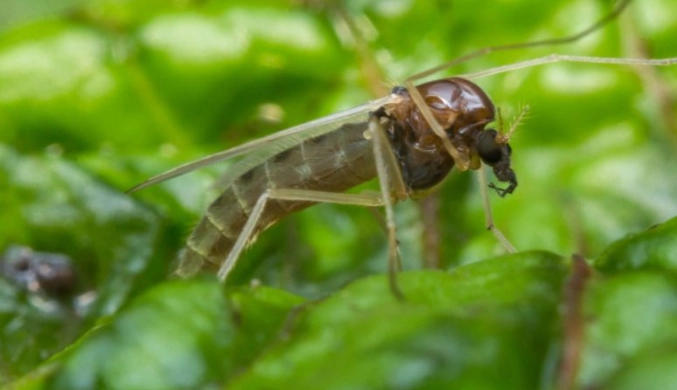
Can noseeums transmit diseases to humans?
In the United States, the risk is considered very low for humans. Their primary medical importance here is the severe skin reaction to their bite. However, globally, some Culicoides species are vectors for viruses and parasites, primarily affecting livestock (like bluetongue virus in sheep). The Centers for Disease Control and Prevention (CDC) does not list them as major vectors for human diseases in the U.S., but the intense irritation they cause is a significant public health nuisance.
What's the difference between noseeums, gnats, and sand flies?
This causes a lot of confusion. "Gnat" is a broad term for many small flies, some bite, some don't. "Sand fly" can refer to biting midges (like noseeums) in some regions, but in tropical medicine, it refers to a different family (Phlebotominae) that transmits leishmaniasis. In everyday U.S. conversation, especially in coastal areas, "noseeum," "biting midge," and "sand fly" are often used interchangeably for the same tiny, biting pest. For clarity, I stick with "noseeum" or "biting midge."
Do electronic bug zappers work on noseeums?
Frankly, they're nearly useless for noseeum control. The UV light might attract a few, but their small size often allows them to pass through the electric grid without being zapped. Worse, the zapper kills beneficial insects and may actually attract more pests to your yard. Don't waste your money on one for this problem.
Are there any plants that repel noseeums?
Some people claim citronella, lemongrass, lavender, or marigolds help. In my experience, planting them around a patio has a negligible effect. The concentration of repellent compounds in the air from a few plants is too low to form an effective barrier. They're nice plants, but don't rely on them as your sole defense.
The Long Game: Integrated Pest Management for Noseeums
If you live in a high-infestation area, a one-off spray won't solve it. You need a strategy.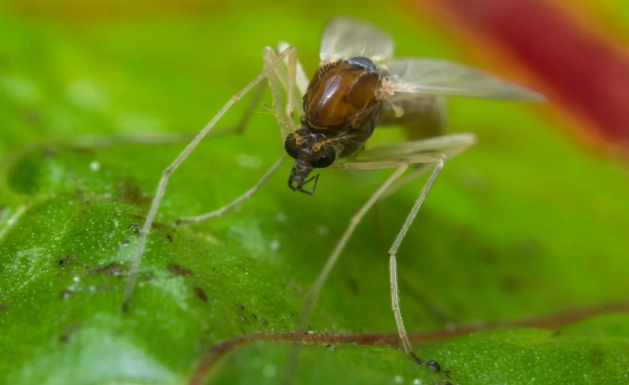
- Inspection & Source Reduction: Walk your property. Look for constantly damp spots. Fix leaks, clear debris from gutters, ensure downspouts drain away from the house, and avoid over-mulching. This is the most sustainable step.
- Physical Barriers: Install fine-mesh screens. Use fans outdoors. Wear treated, protective clothing.
- Judicious Use of Insecticides: This is a last resort and often of limited value. Adulticides (foggers, sprays) only kill adults on contact and offer no residual protection. Larvicides applied to wet soil can help but require precise identification of breeding sites, which is difficult. Broad-spectrum spraying can harm pollinators and other beneficial insects. If you consider this, consulting with a licensed pest control professional who understands biting midges is wise.
Dealing with noseeum flies is frustrating. They're a formidable opponent because of their size and stealth. But they're not invincible. By understanding their habits, layering your defenses with the right repellents and physical barriers like proper screens, and managing your immediate environment, you can take back your yard and your peace.
The goal isn't total eradication—that's often impossible in nature. The goal is effective management so you can enjoy the outdoors without donating pints of blood to the local noseeum population. It takes a bit of work and the right knowledge, but it's absolutely doable. Now go enjoy that sunset on the porch.
LEAVE A REPLY
Your email address will not be published. Required fields are marked *