Quick Navigation
- Meet the Usual Suspects: Which Gray Spider is in Your House?
- Are Gray Spiders with Long Legs Dangerous or Poisonous?
- Why Do I Have Them? Habits and Habitat
- How to Manage and Control Them (The Humane and Effective Ways)
- Frequently Asked Questions (FAQs)
- When to Call a Professional
- Final Thoughts: Coexistence vs. Control
So you've seen it. A quick, leggy shadow scuttling across the baseboard, or maybe a still, delicate figure hanging upside down in the corner of your basement ceiling. A gray spider with long legs. It's a description that fits more than one common visitor, and figuring out exactly which one is sharing your space is the first step to deciding what, if anything, you should do about it. I've spent more time than I'd like to admit watching these guys, partly out of a weird fascination, and partly because my old apartment was basically a spider hostel. Let's talk about what you're probably seeing.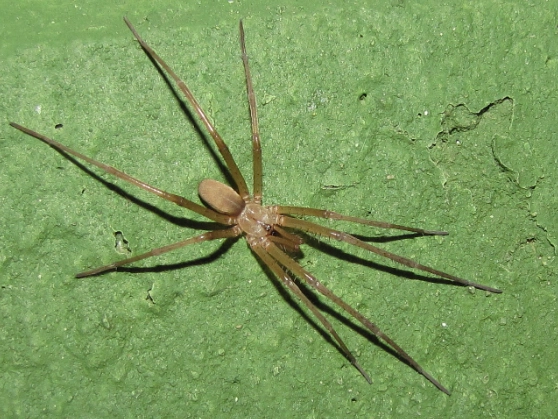
The mental image most people get is spot-on: a small, often dusty-looking gray or beige body suspended on a set of legs that seem comically, almost impossibly, long and thin. They look fragile, like they'd blow away in a strong breeze. That description narrows it down significantly, but we're still talking about a few key players. The good news? The most common ones are overwhelmingly harmless to humans. The bad news? If you have a serious fear of spiders (arachnophobia, to use the technical term), "harmless" doesn't always make a difference. The sight alone is enough to trigger that deep-seated jump scare.
Key Takeaway First: The vast majority of gray, long-legged spiders found indoors are either Cellar Spiders (Pholcidae) or, less commonly, certain species of House Spiders (like the American House Spider). Both are nuisance pests, not medical threats.
Meet the Usual Suspects: Which Gray Spider is in Your House?
Not all gray spiders with long legs are the same. Their behavior, web style, and even the way they move can give them away. Here’s a breakdown of the top contenders you’re likely to encounter.
The Cellar Spider (Pholcid): The Ultimate Web Weaver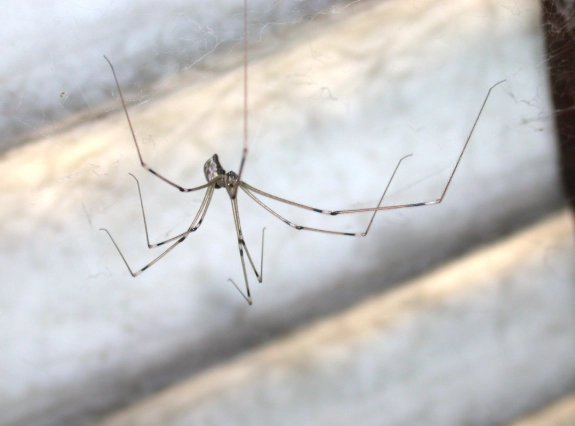
This is the champion, the number one culprit when someone describes a gray spider with long legs. Sometimes called "daddy long-legs" (though that name rightly belongs to a different creature, the harvestman), cellar spiders are the architects of those messy, tangled, non-sticky cobwebs you find in forgotten corners, basements, garages, and crawl spaces.
I remember cleaning out a closet once and finding a whole colony. The web was a three-dimensional disaster zone, but in the middle of it, the spider was vibrating furiously. That's their signature defense—when threatened, they gyrate their bodies in their webs at high speed to become a blur, making it hard for predators to pinpoint them. It's bizarre to watch.
Their bodies are small, typically less than a centimeter long, and range from pale gray to light brown. Their legs, though, can be 5 to 10 times their body length—super skinny and fragile-looking. They're passive hunters. They just hang out in their messy webs and wait for a fly, mosquito, or other small insect to blunder in. Then they quickly wrap it up. They're actually beneficial pest controllers.
The American House Spider (Parasteatoda tepidariorum): The Funnel-Dweller
This one is a bit stockier than the cellar spider, though still possessing notably long legs relative to its body. Its color is more of a muddy brownish-gray, often with chevron or mottled patterns on its bulbous abdomen. The giveaway is the web. Unlike the cellar spider's chaotic tangle, the American house spider builds classic, flat, sheet-like webs with a funnel or tube retreat in one corner. You'll find these in window frames, under eaves, in attics, and behind furniture.
This spider is a patient ambusher. It hangs out in the mouth of its funnel, feeling for vibrations on the web. When something gets trapped, it darts out, subdues it, and often drags it back into the funnel to eat in peace. I find their webs more annoying to clean than cellar spider webs because they're stickier and more structured.
Here’s a quick comparison table to help you tell them apart at a glance:
| Feature | Cellar Spider (Pholcid) | American House Spider |
|---|---|---|
| Primary Color | Pale gray, beige, almost translucent | Muddy brownish-gray with patterns |
| Web Style | Messy, tangled, three-dimensional "cobweb" | Flat, sheet-like web with a funnel/tube retreat |
| Favorite Hangout | Dark, damp, undisturbed areas (cellars, closets, corners) | Drier, sheltered areas (window frames, eaves, attic corners) |
| Defense Mechanism | Violent vibrating/gyrating in its web | Retreats quickly into its funnel |
| Legs | Extremely long, thin, and delicate | Long, but sturdier and more proportional |
There are others, of course. Sometimes a male Sac Spider or a Wolf Spider (which is usually bulkier and hairier) might wander in and get mistaken for one, but 9 times out of 10, it's one of the two above.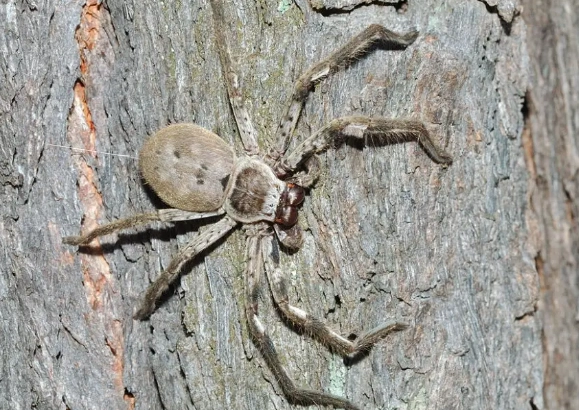
A Common Myth to Debunk: You might have heard the old tale that the cellar spider (or "daddy long-legs") has the world's most potent venom but fangs too weak to pierce human skin. This is not true. According to entomologists at the University of California, Riverside's Department of Entomology, this is a persistent urban legend. Their venom is not medically significant to humans. So, no super venom.
Are Gray Spiders with Long Legs Dangerous or Poisonous?
This is the million-dollar question, right? The fear is real. Let's cut to the chase.
For the cellar spider and the American house spider, the answer is a resounding no. They are not considered dangerous to humans or pets. Their venom is designed for tiny insects like flies and mosquitoes, not for us. In extremely rare cases, if one were somehow forced to bite in self-defense (like being pressed against your skin), the worst you'd likely get is a tiny, mild, localized irritation—less than a mosquito bite for most people. The risk is negligible. I've never been bitten by one, and I've handled them (carefully) to relocate them.
The real "danger" from a gray spider with long legs is psychological if you have a phobia, or the nuisance of their webs. They are not aggressive. They want to be left alone to catch pests. In fact, from a pure utility standpoint, they're helpful. A cellar spider in your basement is on your pest control payroll, working for free.
So, breathe easy on the venom front.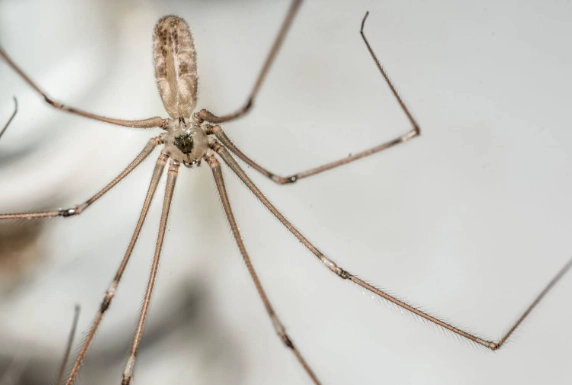
Why Do I Have Them? Habits and Habitat
Spiders don't just appear out of thin air. They're there because the conditions are right. Understanding this is the key to long-term control.
Cellar Spiders crave moisture and darkness. Their name says it all. If you have a damp basement, crawl space, garage, or even a bathroom with poor ventilation, you're rolling out the welcome mat. They also love clutter—boxes, piles of stored items, unused furniture—that provides undisturbed anchor points for their messy webs. They're not great travelers; they tend to stay put once they've built a web that catches food.
American House Spiders are a bit more adaptable but still prefer dry, quiet, sheltered spots. An attic, the space behind a bookshelf, the corner of a window frame that doesn't get opened often. They come inside primarily to find prey and shelter from outdoor extremes. Other insects in your home are what ultimately attract them. A house with lots of flies, gnats, or ants is a buffet sign for spiders.
So, if you're seeing multiple gray spiders with long legs, ask yourself: Is it damp? Is it cluttered? Are there other bugs around? That's your root cause.
How to Manage and Control Them (The Humane and Effective Ways)
Okay, so you know they're mostly harmless, but you still don't want them decorating your corners. Fair enough. Here’s a tiered approach, from least to most interventionist.
Tolerance and Relocation (The Eco-Friendly Choice)
This is my preferred method for the occasional visitor. If the spider is in an out-of-the-way place like a basement corner or garage, consider leaving it be. It's eating other pests. If it's in a living area and must go, use the classic cup-and-cardboard method. Gently trap it under a clear cup, slide a stiff piece of paper underneath, carry it outside, and release it in a sheltered spot like a shrub or under an eave. They're fragile, so be gentle. A gray spider with long legs released outside might not survive long, but it's better than squishing it.
Environmental Modification (The Long-Term Fix)
This is about making your home less inviting. It's the most effective strategy but requires some effort.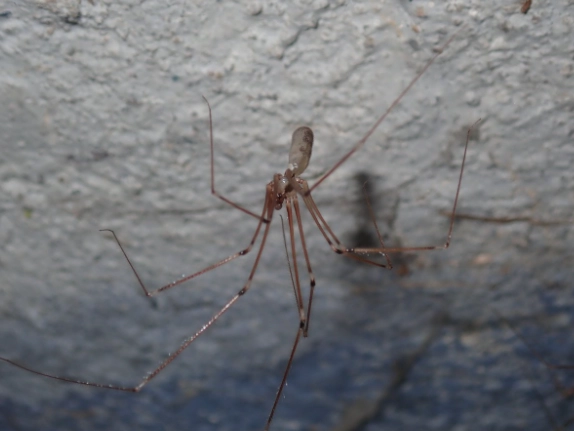
- Reduce Humidity: Use a dehumidifier in basements and crawl spaces. Fix leaky pipes and faucets. Improve ventilation in bathrooms and kitchens. A dry environment is hostile to cellar spiders.
- Declutter: Get rid of cardboard boxes (they love these), store items in plastic sealed bins, and keep storage areas tidy. This removes web-building real estate.
- Seal Entry Points: Check for gaps around windows, doors, utility lines, and foundation cracks. Seal them with caulk or weatherstripping. This helps prevent them (and their prey) from wandering in.
- Exterior Maintenance: Keep vegetation, wood piles, and debris away from your home's foundation. Trim back shrubs and tree branches that touch the house. This reduces the bridge for spiders and insects to move indoors.
- Regular Cleaning: Regularly vacuum and dust corners, ceilings, behind furniture, and in basements. This physically removes webs, egg sacs, and spiders. Empty the vacuum cleaner bag or canister outside afterward.
Direct Control Methods
If the population is high or your tolerance is low, you might need to escalate.
- Vacuuming: This is incredibly effective. Use a hose attachment to suck up spiders, webs, and egg sacs. It's immediate and chemical-free.
- Sticky Traps: Placing glue boards along baseboards, in corners, and near potential entry points can catch wandering spiders (and the insects they hunt). It's a good monitoring tool.
- Insecticides (As a Last Resort): If you must, use targeted products. Residual spider sprays can be applied to cracks, crevices, and baseboards where spiders travel. Important: Always read and follow the label instructions precisely. Consider using pesticides labeled for indoor use and specifically mention spiders. For widespread issues, consulting a professional pest control service is wise. The U.S. Environmental Protection Agency (EPA) has guidelines for safe pesticide use that are worth reviewing.
Pro Tip: When you remove webs, don't just tear them down. Vacuum them up. If you just sweep them, the spider often survives and just rebuilds in the same spot a few days later. Removing the spider with the web breaks the cycle.
Frequently Asked Questions (FAQs)
Let's tackle some of the specific, nitty-gritty questions people search for. I've asked myself most of these.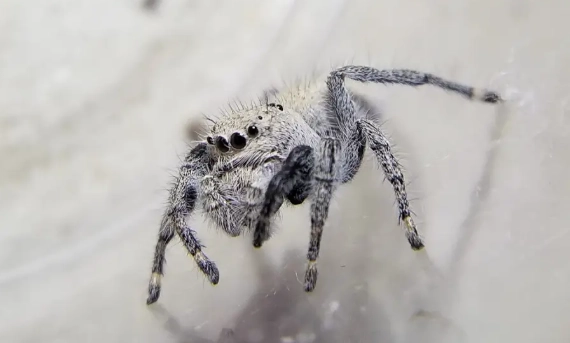
Do gray spiders with long legs jump?
Generally, no. Neither cellar spiders nor American house spiders are jumpers. They might make a sudden, quick scuttle if startled, but they don't have the leg structure for jumping like a jumping spider (which is compact and fuzzy, not long and leggy). Their movement is more about fast crawling. So, you don't have to worry about one leaping at you from across the room.
What do their eggs and babies look like?
Cellar spiders are unique here. The female carries her round, white egg sac in her fangs! She holds it until the spiderlings hatch. You might see her looking like she's holding a tiny pale pearl. American house spiders create several disc-shaped, papery brown egg sacs, each containing hundreds of eggs, and attach them to their webs. The babies, or spiderlings, are just tiny, paler versions of the adults. They disperse by "ballooning," releasing silk threads to catch the wind.
Can they infest a house?
"Infest" is a strong word, but yes, you can have a significant population if conditions are perfect—lots of moisture, clutter, and other insects for food. It's not an infestation in the same way as termites or bed bugs that cause structural damage or bite you in your sleep. It's a nuisance infestation of webs and spiders. The solution is the environmental cleanup described above.
Are they the same as "Daddy Long-Legs"?
This causes so much confusion. True "Daddy Long-Legs" are Harvestmen (order Opiliones). They are arachnids but not spiders. Key differences: their body is a single oval segment (no "waist"), they have no silk glands so they don't make webs, and they have just two eyes. The long-legged cellar spider is often called daddy long-legs, but it's a different creature. The British Arachnological Society has great resources clarifying these distinctions.
What attracts them to my bathroom or basement?
Moisture and prey. Bathrooms and basements are often humid. This attracts other moisture-loving insects like silverfish, drain flies, and springtails. Those insects then attract the spiders that eat them. It's the food chain in your utility room. Fixing moisture issues breaks the chain at the source.
See? Most of the fear comes from not knowing.
When to Call a Professional
For most people, dealing with a gray spider with long legs is a DIY job. But there are situations where calling a pro makes sense:
- If you have a severe phobia that prevents you from addressing the issue.
- If you have a massive, recurring population that your own efforts can't control, indicating a deeper moisture or insect prey problem.
- If you are unsure of the identification and are concerned it might be a more medically significant species (though this is very unlikely with the classic long-legged, gray description). A pest control professional or a local university extension office (like those listed by the USDA) can provide expert ID.
Final Thoughts: Coexistence vs. Control
Look, I get it. Spiders freak a lot of people out. Their movement is unnerving, and they appear suddenly. That gray spider with long legs dangling in the corner can ruin your vibe in a room.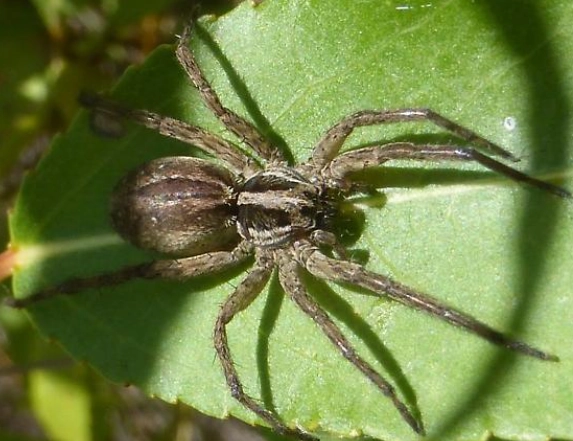
But after learning about them, I've moved from a "smash on sight" policy to a "live and let live" one for spiders in low-traffic areas. Knowing they're harmless pest controllers changes the perspective. My basement has a few cellar spiders, and I let them be. They keep the mosquito and moth population down. My living room, however, is a spider-free zone. That's my boundary.
The key is knowledge and targeted action. Identify which gray spider with long legs you have. Understand why it's there. Then, choose a response that matches your comfort level, from peaceful relocation to diligent environmental management. You don't have to wage chemical warfare for what is essentially a small, beneficial, and timid creature that just happened to pick your house.
Hopefully, this guide takes some of the mystery and fear out of seeing that leggy shadow. You're now the expert on your own home's arachnid tenants.
LEAVE A REPLY
Your email address will not be published. Required fields are marked *