Quick Navigation
- Groundhog Habits and Behavior in the Kansas Landscape
- Identifying and Assessing Groundhog Damage in Kansas
- Legal and Humane Considerations for Kansas Residents
- Effective Control and Prevention Strategies
- Common Questions About Groundhogs in Kansas (Answered)
- When to Call a Professional Wildlife Control Operator
Let's talk about groundhogs in Kansas. You know, those chunky, brown rodents that look kind of cute from a distance but can turn your pristine lawn or vegetable garden into a Swiss cheese nightmare overnight. If you're a homeowner, gardener, or farmer in the Sunflower State, you've probably either had a run-in with one or you're nervously waiting for the day you do. I've been there. A few summers back, I watched in horror as what I thought was a "cute visitor" systematically decimated my green bean plants and left a series of holes that looked like a miniature bombing range.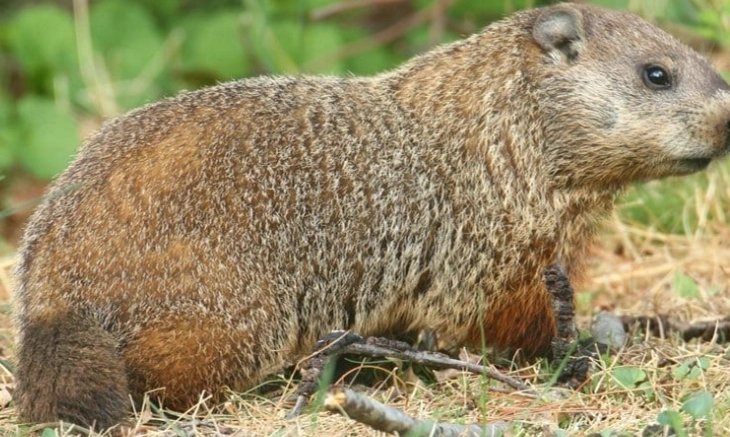
That experience sent me down a rabbit hole—or should I say, a groundhog hole—of research. I talked to extension agents, read through Kansas State University publications, and swapped stories with other frustrated residents. What I found is that dealing with groundhogs in Kansas isn't just about getting rid of one animal. It's about understanding their habits, the specific challenges of our landscape, and implementing a smart, layered strategy. This guide pulls together everything I wish I'd known back then.
What Exactly Are We Dealing With?
First, let's clear up the names. Groundhog, woodchuck, whistle-pig—they're all the same animal (*Marmota monax*). In Kansas, you'll mostly hear "groundhog." They're a type of large ground squirrel, and they're remarkably well-adapted to life where open fields meet human development. They're not native to Kansas in the sense of being here for millennia, but they've certainly made themselves at home over the last century or so, finding our mix of agriculture, pastures, and suburbs to be pretty much perfect.
Groundhog Habits and Behavior in the Kansas Landscape
You can't outsmart them if you don't know how they think. Groundhogs in Kansas have a yearly rhythm that's tied to the weather, and it's key to understanding when they're most active and most problematic.
In early spring, usually late February to March, they emerge from hibernation. And they're hungry. This is when they go for the tender, early greens in your garden. They mate soon after, and by late April or May, a female has a litter of 4-5 pups down in the burrow. Now she's eating for a small army. Summer is peak feeding time, as the young start to venture out and everyone fattens up for the next winter. By mid-fall, they're heading back underground to sleep.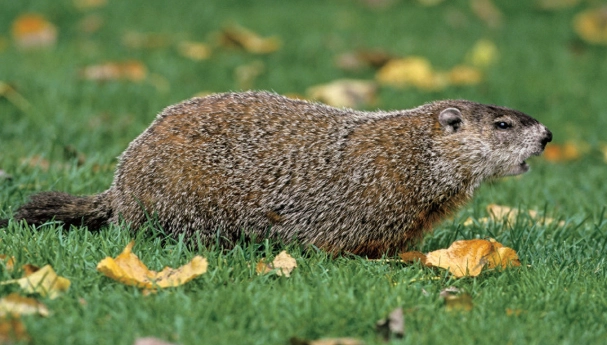
Their burrows are their masterpiece and your biggest headache. A main burrow can be 20-30 feet long and go down 5 feet, with multiple entrances, a nesting chamber, and even a separate "bathroom" chamber. They love to dig under things—sheds, decks, porches, and along fence lines. The soil in much of Kansas, especially the eastern parts, is just right for digging. That pile of fresh dirt mounded at the entrance? That's a sure sign.
What do they eat? Pretty much anything green and succulent. In Kansas gardens, their top targets often include beans, peas, broccoli, lettuce, and carrots. They're also fond of clover and alfalfa in fields. They'll even gnaw on young tree bark sometimes. They're not picky.
Identifying and Assessing Groundhog Damage in Kansas
Sometimes you'll see the culprit, waddling away at dawn or dusk. Other times, you just see the aftermath. Here’s how to tell if groundhogs in Kansas are your problem, and not rabbits, deer, or voles.
- Clean-Cut Bites: Unlike the ragged tears from deer or insects, groundhogs have sharp incisors that leave a clean, angled cut on stems and leaves. It looks like someone took tiny scissors to your plants.
- The Hole: The classic sign. A burrow entrance is usually 10-12 inches across, with a large mound of excavated earth. Look for them in berms, along foundations, or in overgrown areas.
- Garden Grazing Patterns: They often start at the edge of a garden and work inwards. You might find entire rows of seedlings gone overnight. They tend to be messier eaters than rabbits, leaving more half-eaten debris.
- Chew Marks on Wood: Occasionally, they'll gnaw on low wooden structures, like the bottom of a garden shed door, possibly to keep their teeth worn down.
Is the damage just cosmetic, or is it a safety issue? This is important. A few eaten plants is one thing. But extensive burrowing under a sidewalk, driveway, or foundation slab can lead to settling and cracks. Burrows in horse pastures or near barns can be a tripping hazard for large animals. You need to assess the scale.
Bottom line: If you have fresh holes and disappearing veggies, you’ve likely got groundhogs.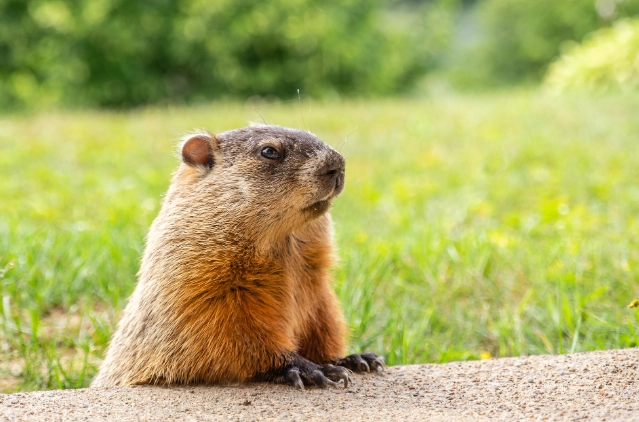
Legal and Humane Considerations for Kansas Residents
Before you grab a shovel or call a trapper, you need to know the rules. Wildlife in Kansas is managed by the Kansas Department of Wildlife, Parks and Tourism (KDWPT). Groundhogs are not a protected furbearer or game animal in the state. What does that mean for you?
Generally, if a groundhog is causing damage to your property (your garden, your lawn, your structures), you are within your rights to remove it. You don't need a hunting or trapping license to do so on your own property. However, local city or county ordinances might have rules about discharge of firearms or setting traps, so always check those first. Live-trapping and relocating wildlife is a topic with big caveats.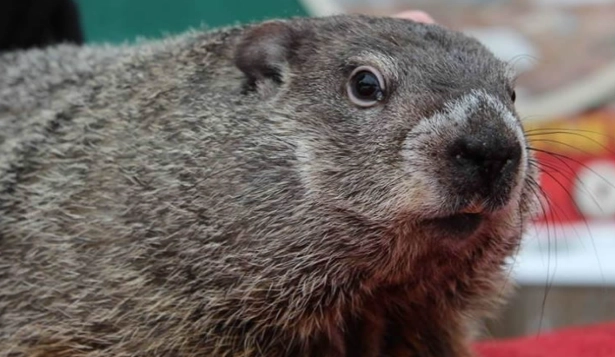
Think Twice Before Relocating
It might seem like the kindest option—drive Mr. Groundhog out to a nice park and let him go. But the Kansas State University extension experts and KDWPT typically advise against it. First, it's often illegal to release wildlife on land you don't own without permission. Second, you're likely just moving your problem to someone else. Third, and most importantly, relocated animals have a very low survival rate. They're dumped in unfamiliar territory, often with established animal populations that will fight them, and they don't know where to find food, water, or shelter. Euthanasia, when done humanely by a professional, is often considered the more responsible choice for a true pest animal. It's a tough truth, but an important one.
Effective Control and Prevention Strategies
Okay, so you've got a problem and you know the lay of the land. What actually works? I've found it's never one thing. It's a combination, a toolbox of methods. Let's break them down.
Exclusion: Building a Fortress
This is your first and best line of defense. Groundhogs are good diggers and decent climbers, so your fence needs to outsmart both.
- Fencing: Use a sturdy wire mesh with openings no larger than 2x4 inches. The fence should be at least 3 feet tall above ground. But here's the critical Kansas tip: Bury the bottom foot of the fence, bending it outward into an "L" shape about a foot underground. This creates a digging barrier. For extra security, leave the top foot of fence unattached and floppy—they hate climbing unstable surfaces.
- Protecting Structures: To stop them from burrowing under sheds or decks, install a hardware cloth barrier. Dig a trench about a foot deep around the perimeter and attach the cloth to the bottom of the structure, extending it out into the trench and then bending it outward before backfilling.
Habitat Modification: Making Your Yard Less inviting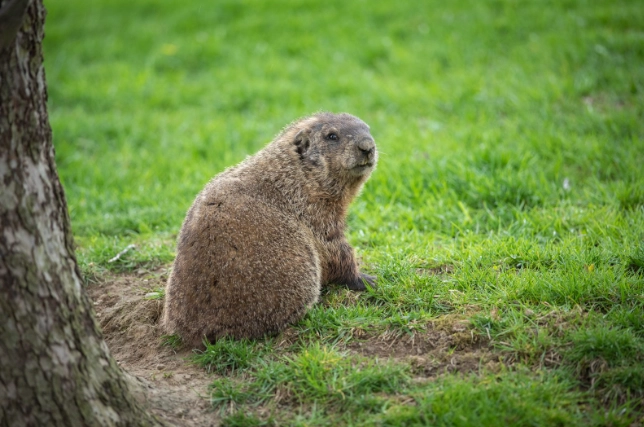
Remove their reasons to visit. This means clearing away brush piles, tall grass, and weeds around the edges of your property where they might hide or start a burrow. Keep woodpiles neat and elevated if possible. The goal is to eliminate cozy, sheltered spots near your tasty garden.
Trapping: The Direct Approach
For an existing, bold groundhog, trapping is often necessary. Live cage traps (like the familiar Havahart style) baited with fresh cantaloupe, lettuce, or apple slices placed right at the burrow entrance can be very effective. Set the trap in the late afternoon, as they are most active in early morning and evening. Check it frequently—at least twice a day. Kansas heat is no joke, and an animal in a metal trap can suffer quickly.
What about repellents? I'll be honest, my experience and most research I've seen from sources like the K-State Wildlife Damage Management program suggest they offer limited, temporary relief at best. Sprays with capsaicin (hot pepper) or predator urine might make one plant taste bad, but the groundhog will just move to the next one. They're not a reliable standalone solution for groundhogs in Kansas.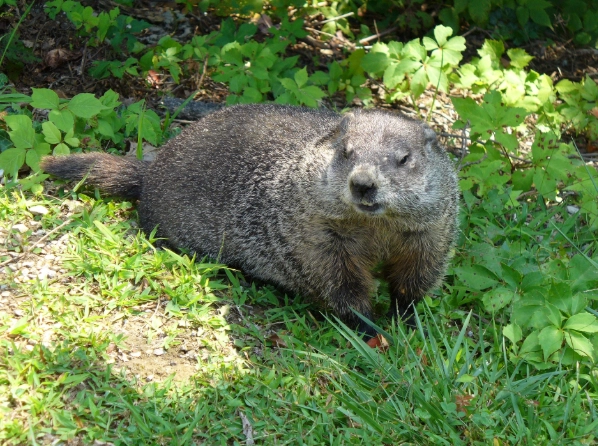
My Top 3 Lessons Learned the Hard Way
- Act Early: The first hole is your warning. Don't wait for a family to move in. A single groundhog is easier to deal with than a colony.
- The Fence is Non-Negotiable: After trying everything else, a properly installed fence was the only thing that gave me lasting peace. It's work upfront, but it saves endless frustration.
- They Have Good Days and Bad Days: Sometimes they'll ignore your garden for a week, making you think they're gone. Don't get complacent. They're probably just dining at the neighbor's.
Common Questions About Groundhogs in Kansas (Answered)
Are groundhogs in Kansas dangerous?
Not in an aggressive sense. They are wild animals and will defend themselves if cornered, but they are not predators. The primary dangers are the property damage from their burrowing and the potential for secondary issues. Old, deep burrows can collapse, creating hazards for people and pets. They can also indirectly attract other pests that might use abandoned burrows.
What time of day are they most active?
Primarily early morning and late afternoon. You'll rarely see them in the middle of a hot Kansas summer day. They're smart enough to beat the heat.
Do they carry diseases like rabies?
It's extremely rare. According to the CDC, rodents like groundhogs are almost never found to have rabies. However, they can carry ticks and fleas, which have their own set of concerns. Always avoid direct contact.
Will filling in the holes get rid of them?
Almost never. They are phenomenal diggers. They will just dig it out, often faster than you filled it. To permanently close a burrow, you must first be absolutely sure no animals are inside (use a one-way door or consult a professional), then fill it with gravel and soil, and tamp it down firmly. Even then, monitor it.
Should I just let them be? They're part of nature.
That's a personal call. A single groundhog living at the far edge of a large field might be a harmless neighbor. But when their activity threatens your investment in your home, garden, or land, action is reasonable. It's about balancing coexistence with protection of your property.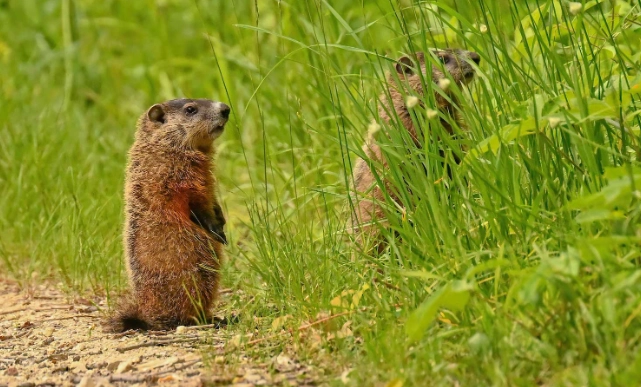
When to Call a Professional Wildlife Control Operator
Sometimes, DIY isn't enough. If the infestation is severe (multiple burrows, multiple animals), if the burrows are under critical structures, or if you're simply not comfortable handling the situation, call in a pro. A licensed Wildlife Damage Control Operator in Kansas will have the experience, tools, and legal knowledge to handle the situation efficiently and humanely. They can also offer warranties on their exclusion work. You can find a list of licensed operators through the KDWPT Nuisance Wildlife page.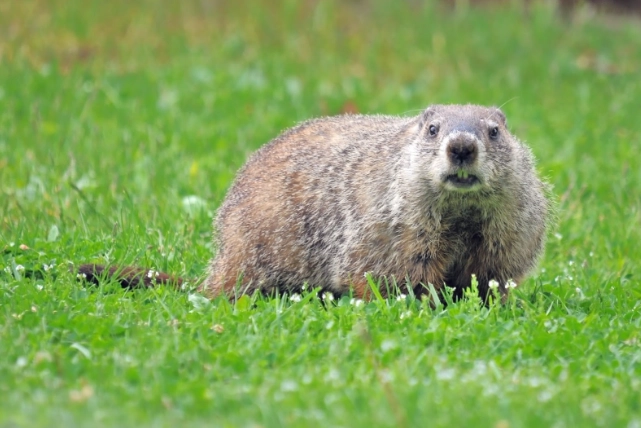
| Method | Best For | Effort Level | Long-Term Effectiveness |
|---|---|---|---|
| Exclusion Fencing | Protecting specific areas (gardens, yards) | High (initial install) | Excellent |
| Habitat Modification | Making entire property less attractive | Medium (ongoing maintenance) | Good (as part of a plan) |
| Live Trapping & Removal | Removing an existing, identified animal | Medium to High | Variable (new ones may move in) |
| Professional Help | Complex infestations, structural risks | Low (for you) | Excellent |
Dealing with groundhogs in Kansas is a classic Midwestern challenge. It requires a bit of grit, some practical know-how, and a willingness to see your yard as a small ecosystem you need to manage. There's no magic bullet, but by understanding their behavior, using the right combination of exclusion and control methods, and knowing when to call for backup, you can protect your property and enjoy your outdoor space again. It took me a full season of trial and error to get it right. My hope is that this guide saves you that time and gives you a clear path forward. Now, go enjoy your garden—hopefully, with all the beans still on the plants.
LEAVE A REPLY
Your email address will not be published. Required fields are marked *