Quick Navigation
- So, What Exactly Are We Calling an American Hornet?
- Life Cycle and Behavior: What Are These American Hornets Up To?
- The Big Concerns: Stings, Nests, and Safety
- How to Deal with an American Hornet Nest (Safely)
- Prevention: Keeping American Hornets from Setting Up Shop
- Common Questions About the American Hornet (FAQ)
- The Ecological Role and a Final Thought
Let's talk about hornets. Specifically, the idea of an "American hornet." You hear the term, maybe you've even said it yourself after spotting a large, intimidating wasp near your porch light. But here's the thing that often gets people confused—there isn't a single insect officially called the "American hornet." It's more of a catch-all phrase people use for the large, social wasps we have here that pack a serious punch. Mostly, when folks say American hornet, they're picturing the bald-faced hornet or maybe the European hornet that's made itself at home over here. It's a classic case of common names causing a bit of a mess.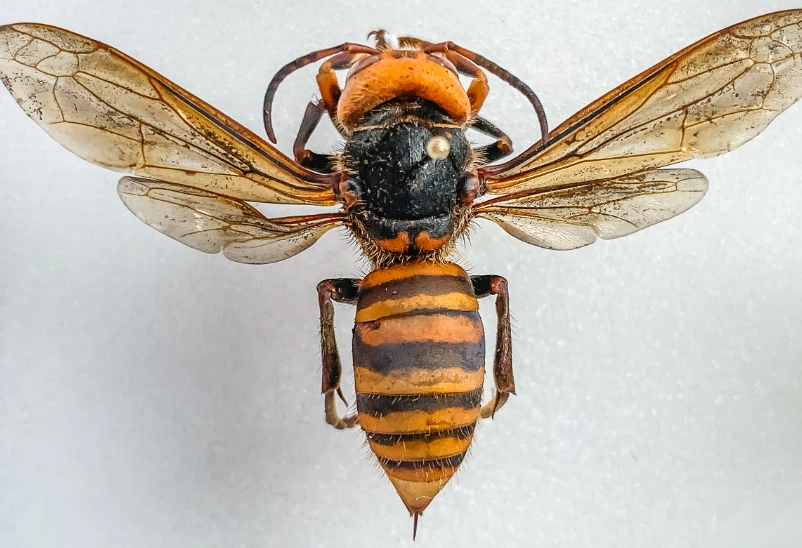
I remember the first time I confidently told a neighbor we had "American hornets" building a nest in our hedge. I was wrong, and an entomologist friend gently corrected me later. It was a bald-faced hornet nest, a species that's actually more closely related to yellowjackets. That moment of confusion is exactly why I'm writing this. If you're searching for info on hornet american or american hornet species, you probably just want clear, straight answers about these big, scary-looking insects in your yard. What are they? Are they dangerous? What should you do about them? Let's cut through the noise and get into it.
So, What Exactly Are We Calling an American Hornet?
This is where we need to get our terms straight. Scientifically, true hornets belong to the genus Vespa. The only true hornet that's established in North America is the European hornet (Vespa crabro). It was introduced from, you guessed it, Europe, sometime in the 1800s. Then you have the bald-faced hornet (Dolichovespula maculata), which is technically a type of aerial yellowjacket but is universally called a hornet because of its size, behavior, and painful sting. It's a native species. When people talk about an hornet american, they are almost always talking about one of these two.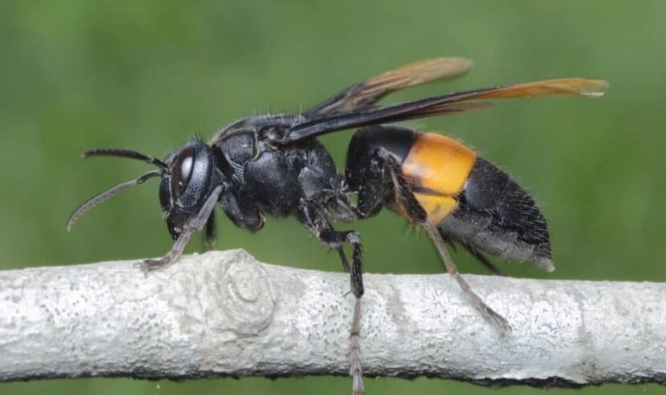
Why does this matter? Well, because their habits are slightly different. Knowing which one you're dealing with changes the game a bit.
The Two Main "American Hornet" Candidates
Let's break them down side-by-side. This table should help clear up the identification confusion at a glance.
| Feature | Bald-Faced Hornet (The Native) | European Hornet (The Introduced) |
|---|---|---|
| Scientific Name | Dolichovespula maculata | Vespa crabro |
| Color | Black with white/ivory markings on face, thorax, and abdomen tip. Looks like it's wearing a mask. | Brown and yellow abdomen, reddish-brown thorax and head. Larger and more robust. |
| Size | Workers: 12-15 mm (up to 5/8 inch). Queens larger. | Workers: 18-25 mm (up to 1 inch). Noticeably bigger. |
| Nest Location | Aerial. Trees, shrubs, under eaves, on utility poles. The classic gray, football-shaped paper nest. | Often Enclosed. Hollow trees, wall voids, attics, behind siding. Can also be aerial. Nest has a brown, papery envelope. |
| Activity | Diurnal (active during day). | Can be nocturnal; attracted to lights at night. |
| Behavior | Extremely defensive of nest. Will sting repeatedly. | Generally less aggressive unless nest is threatened, but sting is powerful. |
See the differences? The bald-faced hornet is the one responsible for those scary, gray nests hanging from a tree branch. The European hornet is more likely to be the big, reddish-brown insect banging against your window screen at night. Both qualify as the typical american hornet in the public's mind.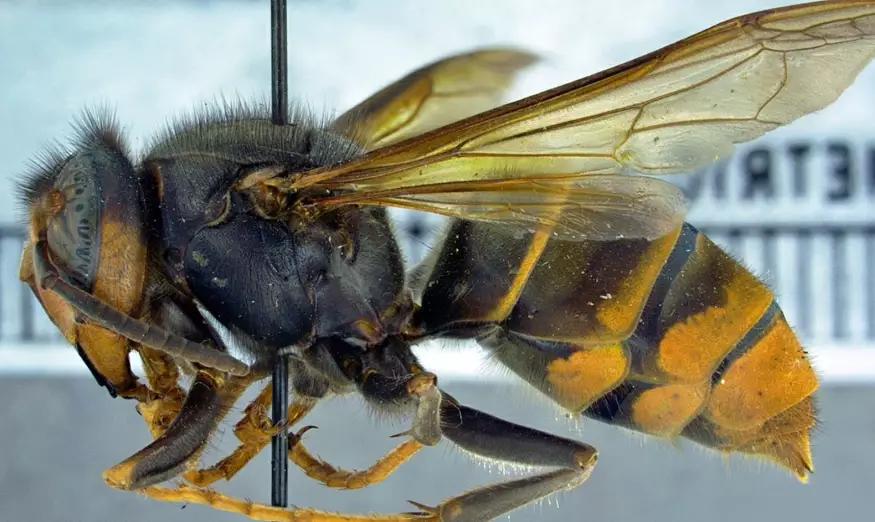
Life Cycle and Behavior: What Are These American Hornets Up To?
Understanding their yearly cycle is the first step to coexisting or knowing when to intervene. It's all about the queen. In late spring, a single mated queen who survived the winter emerges. She picks a spot—a high branch for the bald-faced hornet, a nice, sheltered cavity for the European—and starts building the first few cells of her paper nest. She lays eggs, feeds the first batch of larvae chewed-up insects, and raises them to become her first workers.
Once those workers take over building and foraging, the colony explodes. This is mid-summer. The nest grows rapidly. The queen just lays eggs. This is when you're most likely to notice an american hornet problem. The colony peaks in late summer with maybe 100-400 workers for bald-faced hornets, and up to 300-1000 for European hornets.
Come fall, new queens and males are produced. They mate, the new queens find a place to overwinter, and the rest of the colony—the old queen, the workers, the males—dies with the first hard frost. The nest is abandoned and never reused.
That last point is crucial. The nest from this year is a ghost town next year.
Diet: Not Just Stinging Machines
This might surprise you, but these american hornet species are actually beneficial predators. Their primary food source is other insects. They hunt flies, caterpillars, grasshoppers, even other yellowjackets. They're a natural form of pest control. They also feed on tree sap and fallen fruit. So before you decide to eradicate them, consider if their nest is in a low-traffic area. They might be doing your garden a favor by cleaning up other pests.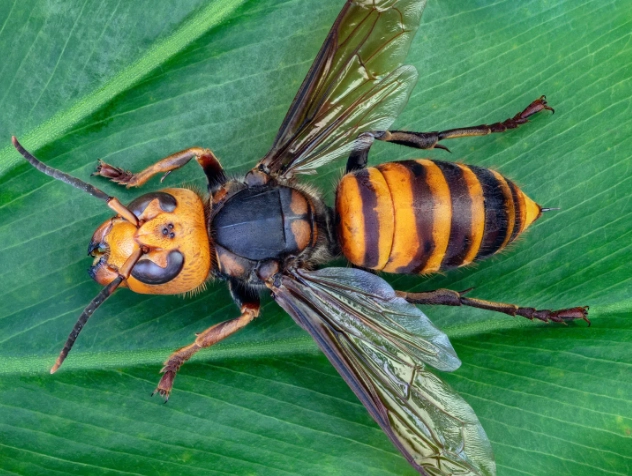
The Big Concerns: Stings, Nests, and Safety
Alright, let's address the elephant in the room. The sting. And the nest. This is why most people search for information on hornet american.
The Sting: What Happens and What to Do
An american hornet sting is painful. I'm not going to sugarcoat it. Their stingers are smooth, not barbed like a honeybee's, so they can sting multiple times. The venom contains a cocktail of chemicals that cause pain, swelling, and redness at the site.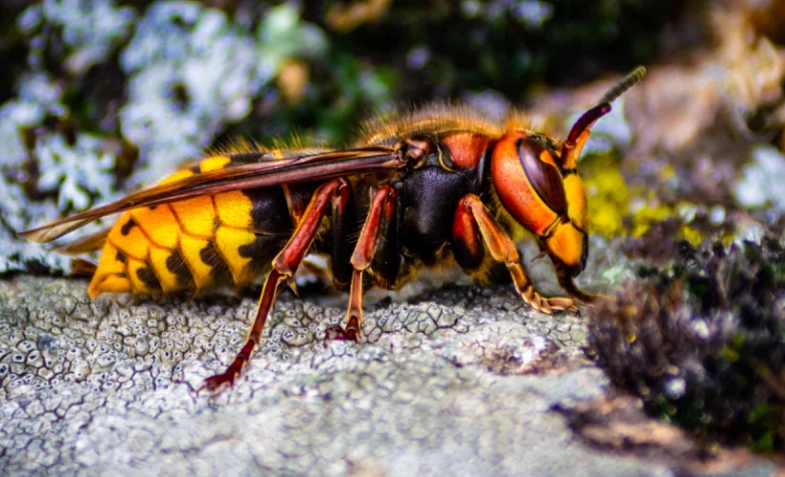
For a normal, local reaction:
- Wash the area with soap and cool water.
- Apply a cold pack to reduce swelling and pain.
- You can take an over-the-counter antihistamine (like Benadryl) for itching and an anti-inflammatory (like ibuprofen) for pain.
- Keep it clean and watch for signs of infection.
When to Seek IMMEDIATE Medical Attention (Signs of a Severe Allergic Reaction/Anaphylaxis):
- Difficulty breathing, wheezing, or tightness in the throat.
- Swelling of the lips, tongue, or face.
- Dizziness, rapid pulse, or a drop in blood pressure.
- Hives spreading beyond the sting site.
- Nausea or vomiting.
If you know you're severely allergic to insect stings, you should always carry an epinephrine auto-injector (EpiPen). For authoritative first-aid information, the Mayo Clinic's guide on insect stings is an excellent resource to bookmark.
The Nest: To Remove or Not to Remove?
This is the million-dollar question. Not every nest needs to be destroyed.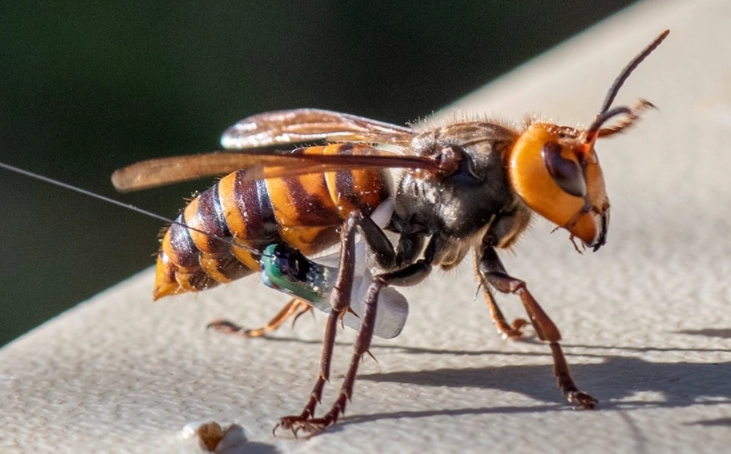
Leave it alone if:
- It's in an undisturbed area of your property, far from paths, doors, or play areas.
- It's small and early in the season (late spring/early summer).
- You can tolerate their beneficial insect-hunting services.
Consider removal if:
- The nest is close to a doorway, sidewalk, play structure, or anywhere with high human or pet traffic.
- It's inside a structure (wall, attic, soffit) where workers might enter living spaces.
- Someone in the household has a known allergy.
How to Deal with an American Hornet Nest (Safely)
If removal is necessary, you have options. Let's be frank: dealing with a large, active hornet american nest is dangerous. Their defensive response is intense.
Option 1: Hire a Professional (The Recommended Route)
For any nest that's larger than a grapefruit, or is in a difficult location (high up, inside a wall), calling a licensed pest control professional is the wisest and safest choice. They have the protective gear, the right insecticides, and the experience. It's worth the cost for peace of mind and safety. Look for companies that specialize in integrated pest management (IPM).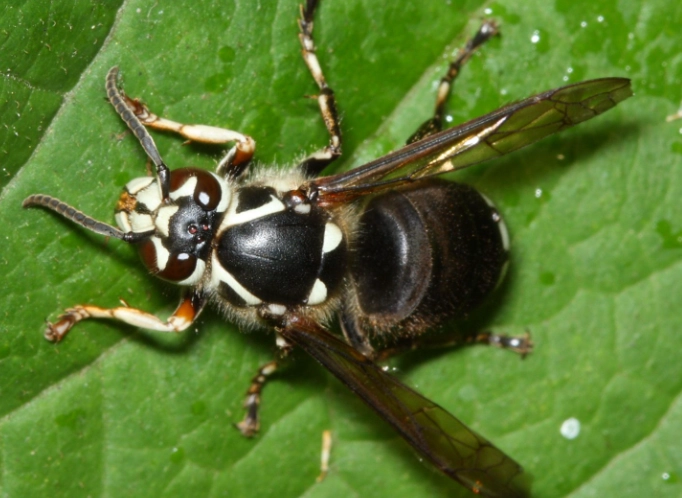
Option 2: DIY Removal (Extreme Caution Required)
If you must attempt it yourself, only do so for very small, early-season nests (think walnut-sized) and if you are not allergic.
- Timing is Everything: Treat at night or very early dawn when all hornets are in the nest and are less active. They can't see well in the dark.
- Suit Up: Wear thick, protective clothing. Tuck pants into socks, sleeves into gloves. Use a bee veil or hat with netting. No exposed skin.
- Have an Escape Route: Plan your path for a quick retreat.
- Use the Right Product: Use an aerosol "wasp and hornet" jet spray that can shoot from a distance of 10-15 feet. Soak the nest entrance thoroughly.
- Do Not Shine a Flashlight Directly on the Nest: Cover the lens with red cellophane or point it away, as light can agitate them.
- Wait and Check: Leave the area immediately after treatment. Check for activity the next day. Do not knock the nest down for at least 24-48 hours.
For nests inside wall voids, DO NOT attempt DIY. Sealing the entrance can force hornets into your living space. This is a job for a pro.
Prevention: Keeping American Hornets from Setting Up Shop
An ounce of prevention is worth a pound of cure, especially with stinging insects.
- Early Spring Scouting: In late April through June, regularly check under eaves, in sheds, and on tree branches for the small, starter nests (size of a golf ball). These can often be knocked down easily with a long pole on a cool morning or evening before a large colony forms.
- Seal Entry Points: In early spring, seal cracks and crevices in your home's exterior, around roof soffits, and where utilities enter to prevent European hornet queens from finding a cozy spot indoors.
- Manage Food Sources: Keep garbage cans tightly sealed. Clean up fallen fruit promptly. Repair leaky outdoor faucets to avoid puddles they might drink from.
- Be Careful with Landscaping: Trim back tree branches and shrubs that touch your house to reduce access to eaves.
Common Questions About the American Hornet (FAQ)
Let's tackle some of the specific things people are typing into Google.
Are American hornets more aggressive than bees?
Generally, yes, especially in defense of their nest. Honeybees sting as a last resort and die afterward. Hornets can and will sting repeatedly with little provocation near their home. Away from the nest, they're usually focused on foraging and aren't interested in you.
What's the difference between a hornet, a wasp, and a yellowjacket?
All hornets are wasps, but not all wasps are hornets. It's a taxonomy thing. Hornets (genus Vespa and some Dolichovespula) are a subset of social wasps. They tend to be larger. Yellowjackets (genus Vespula) are smaller, often with brighter yellow/black patterns, and usually nest in the ground or cavities. The bald-faced hornet blurs this line because it's in the yellowjacket family but acts like a hornet.
Can an American hornet sting kill you?
The venom from a single sting is not lethal to a non-allergic person. However, the risk comes from three places: 1) A severe allergic reaction (anaphylaxis), which can be fatal without treatment. 2) Multiple stings (a mass attack from a disturbed nest), which can deliver a toxic dose of venom. 3) Very rare, secondary infections from the sting site.
What attracts hornets to my house?
Shelter (voids in walls, attics, nice sheltered eaves), building materials (they chew wood fiber to make paper), food (other insects in your garden, open trash, fruit trees), and sometimes water sources.
Are they endangered? Should I avoid killing them?
Neither the bald-faced nor European hornet is endangered. However, from an ecological perspective, they are native (or naturalized) predators that play a role in controlling other insect populations. The decision to kill should be based on necessity (safety risk) rather than fear. If the nest isn't a threat, consider letting it be until winter.
The Ecological Role and a Final Thought
It's easy to vilify the american hornet. They're scary-looking and their sting hurts. But in the grand scheme of your backyard ecosystem, they are important predators. They help keep populations of flies, caterpillars, and other herbivorous insects in check. According to resources from the National Wildlife Federation, even feared insects are part of a complex food web.
My advice? Educate yourself. Learn to identify the bald-faced hornet and the European hornet. Assess the actual risk of any nest you find. If it's a hazard, deal with it safely—preferably with a pro. If it's not, maybe practice a little tolerance from a distance. Understanding these insects is the best way to replace fear with respect and make smart decisions for your family's safety and your local environment. The goal isn't a hornet-free world; it's knowing how to live with them safely when they inevitably show up.
Knowledge, as they say, is power. And in this case, it might also save you from a very painful mistake.
LEAVE A REPLY
Your email address will not be published. Required fields are marked *