In This Guide
- Spotting the Difference: How to Identify a Minnesota Wolf Spider
- Where and How They Live: The Life of a Minnesota Wolf Spider
- The Big Question: Are Wolf Spiders in Minnesota Dangerous?
- Coexisting with Your Eight-Legged Neighbors: A Practical Guide
- Your Wolf Spider Questions, Answered
- Beyond the Fear: The Ecological Role of Wolf Spiders
Let's be real for a second. The first time you see one of those big, hairy, fast-moving spiders scuttle across your Minnesota basement floor, your heart probably does a little flip. I know mine did. I grew up in Rochester, and my first memorable encounter with a wolf spider happened in our family cabin up near Ely. It was just sitting there on the log wall, looking more like a small, eight-legged mouse than a spider. I was equal parts terrified and fascinated.
That mix of fear and curiosity is pretty common when it comes to wolf spiders in Minnesota. We see them in gardens, sometimes in our homes, especially in the fall, and a million questions pop up. Are they dangerous? Why are they in my house? Should I kill it? The short answer is no, you really shouldn't, and by the end of this guide, you'll understand why. These spiders are a normal, healthy part of our local ecosystem, and they're doing you a favor more often than not.
Quick Take: Wolf spiders are solitary, ground-dwelling hunters common throughout Minnesota. They don't spin webs to catch food. Instead, they actively run down their prey like tiny, eight-legged wolves (hence the name). They are not aggressive toward humans and their venom is not considered medically significant for most people.
Spotting the Difference: How to Identify a Minnesota Wolf Spider
Not every big, brown spider in Minnesota is a wolf spider. Misidentification is super common. I've had friends send me blurry pictures of common house spiders, convinced they've found a "tarantula." So, let's break down exactly what to look for so you can confidently say, "Yep, that's a wolf spider."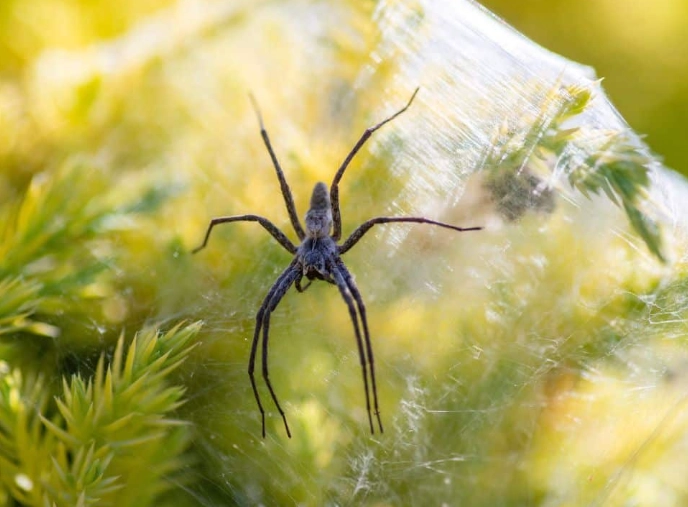
The key is in the eyes and the posture. Wolf spiders have a very distinct eye arrangement. They have eight eyes total, arranged in three rows. The bottom row has four small eyes. The middle row has two huge, forward-facing eyes—these give them excellent binocular vision for hunting. The top row has two medium-sized eyes off to the sides. If you can get close enough to see that configuration (a magnifying glass or a good phone camera zoom helps), it's a dead giveaway.
Their bodies are hairy and robust, built for power and speed rather than delicate web-spinning. Colors range from dark brown to gray to tan, often with darker stripes or mottled patterns that provide camouflage against the soil and leaf litter. One of the most telling behaviors? They carry their egg sacs. A female wolf spider attaches her silken egg sac to her spinnerets at the rear of her abdomen and drags it around with her everywhere she goes. After the spiderlings hatch, they climb onto her back and ride around for a week or more. It's an incredible sight and something you won't see with other common Minnesota spiders.
Pro Tip: Look at the legs. Wolf spider legs are typically thick and sturdy, built for running. Many other common spiders have thinner, more delicate-looking legs. Also, if it's sitting still in the middle of a perfect orb web, it's definitely not a wolf spider.
Wolf Spider vs. Other Common Minnesota Spiders
This is where a lot of confusion happens. People see a brown spider and panic. Let's clear it up with a simple comparison.
| Spider | Key Identification Features | Web? | Common Habitats in MN |
|---|---|---|---|
| Wolf Spider | Large, hairy; prominent eye pattern; carries egg sac/young; fast runner. | No (hunter) | Ground level: lawns, woods, under stones, occasionally basements. |
| Grass Spider | Similar size/color, but has two long spinnerets at rear; builds funnel-shaped sheet webs. | Yes (funnel web) | Tall grass, shrubs, ground-level vegetation. |
| Common House Spider | Smaller, messy "cobweb" weaver; round abdomen; often hangs upside-down in web. | Yes (tangled cobweb) | Corners of rooms, windows, garages, sheds. |
| Dark Fishing Spider | Very large, can be mistaken for wolf spider; often has pale stripes on legs; found near water. | No (hunter) | Near lakes, streams, docks, sometimes in basements. |
| Brown Recluse | NOT NATIVE TO MINNESOTA. Smaller, uniform brown color, with a dark violin shape on head. Extremely rare, accidental import. | Yes (irregular) | Virtually non-existent in MN. Don't assume you have one. |
See the big takeaway? The brown recluse fear is massively overblown here. The University of Minnesota Extension is very clear on this: established populations of brown recluse spiders do not exist in Minnesota. If you see a large, brown, fast-moving spider on the ground, it's almost certainly a wolf spider or a fishing spider, not a recluse.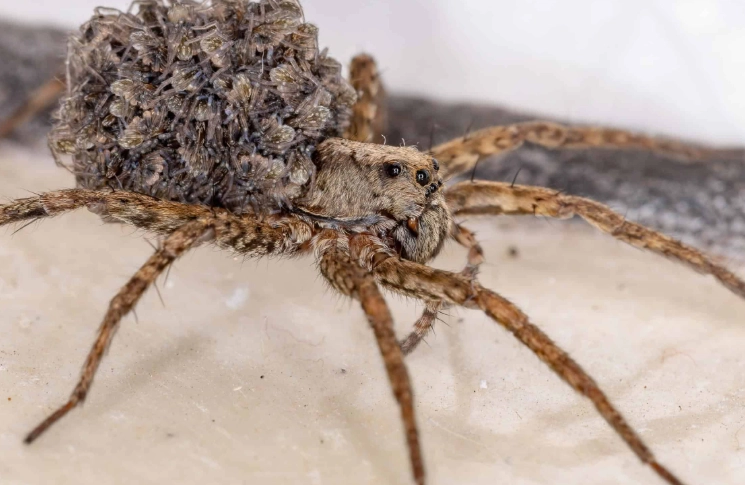
Where and How They Live: The Life of a Minnesota Wolf Spider
Wolf spiders are the ultimate outdoorsmen of the spider world. They don't like being inside your nice, dry, climate-controlled home. They end up there mostly by accident, usually in the fall when temperatures drop, or if their outdoor habitat gets disturbed (like when you mow the lawn or move a woodpile).
Their preferred real estate is outdoors at ground level. Think about the edges of forests, tall grassy fields, under flat stones, in leaf piles, or around the foundations of buildings. They are nocturnal hunters. During the day, they often hide in simple burrows or under objects. At night, they come out to patrol their territory.
Their hunting strategy is pure ambush and pursuit. They rely on vibration and their excellent eyesight. They'll wait patiently, feel the footsteps of a beetle or cricket through the ground, and then sprint out to grab it. No web needed. This makes them fantastic natural pest control. A single wolf spider can consume a huge number of insects in a season, including many that damage gardens and crops.
I remember one summer, we had a real problem with potato beetles in the garden. I started noticing more wolf spiders hanging around the potato plants. Coincidence? I don't think so. They were feasting.
They're not building webs in your corners. They're just lost hunters looking for the door.
The Family Life of a Wolf Spider
This is the coolest part, in my opinion. Wolf spider maternal care is among the best in the arachnid world. After mating, the female spins a tough, silken egg sac that's often pale blue or gray. She attaches it firmly to her spinnerets and defends it ferociously. If the sac becomes detached, she will search frantically for it.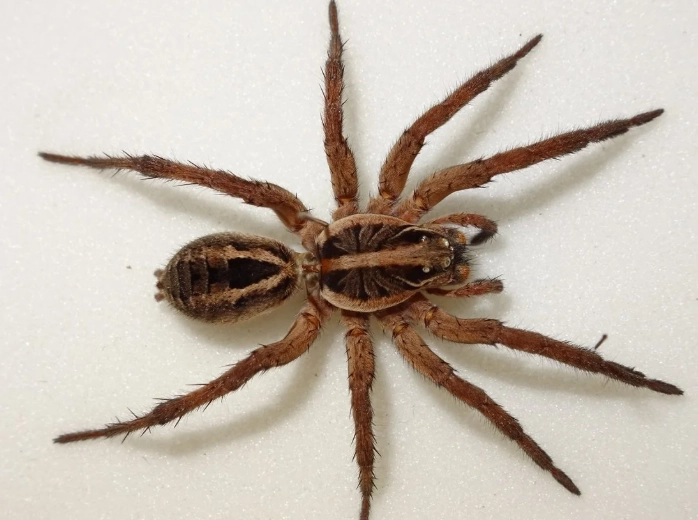
When the dozens to hundreds of spiderlings hatch, they climb onto her abdomen and back. She carries this living carpet of her offspring for up to two weeks. During this time, she doesn't hunt. When the young have undergone their first molt and are ready to disperse, she lowers a silk line and they all balloon away on the breeze. It's a vulnerable and energy-intensive time for her. Seeing a female wolf spider in Minnesota with a big egg sac or a back covered in tiny spiders is a real treat—a glimpse into a complex, non-insect life right under our feet.
The Big Question: Are Wolf Spiders in Minnesota Dangerous?
This is the question everyone wants answered. The fear is understandable. They look intimidating. So let's be direct.
Wolf spiders are not aggressive toward humans. Their primary defense mechanism is to run and hide. They will only bite if they are physically trapped, pressed against your skin, or feel their life is in immediate danger (like if you grab one or roll over on one in bed—which is rare).
Now, about the bite itself. Yes, they have venom. It's how they subdue their insect prey. But for humans, wolf spider venom is not considered medically significant. It's not in the same league as a black widow or the (non-native) brown recluse. For the vast majority of people, a bite is similar to a bee sting or less. You might experience localized pain, redness, itching, and slight swelling that goes away in a few days.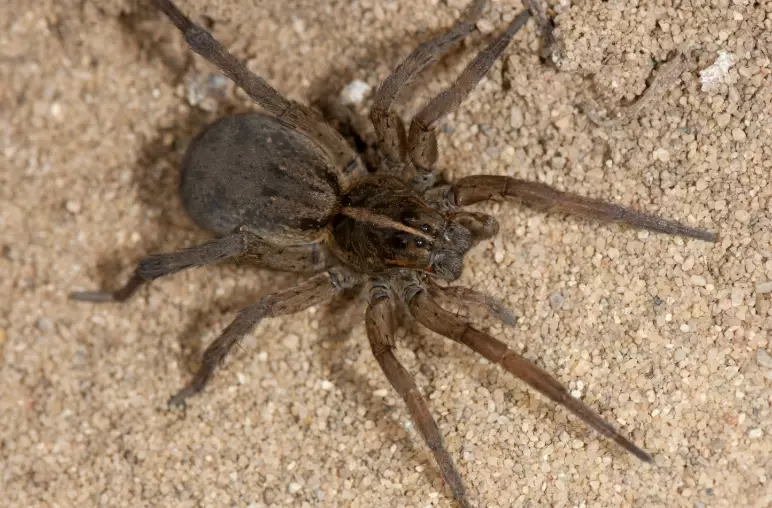
Important Note: As with any insect or arachnid bite, individual reactions can vary. Some people might have a more pronounced allergic reaction. If you are bitten and experience severe pain, spreading redness, muscle cramps, nausea, or difficulty breathing, seek medical attention immediately. This is standard advice for any bite, not specific to wolf spiders. The CDC's guidelines on spider bites are a good resource for general symptoms to watch for.
The real "danger" from a wolf spider is mostly psychological—the scare they give you. The physical risk is extremely low. In fact, you're in far more danger from a yellowjacket sting or a mosquito carrying West Nile virus than you are from any of the native wolf spider Minnesota species.
Coexisting with Your Eight-Legged Neighbors: A Practical Guide
So you don't want to kill them, but you also don't want them in your living room. That's a perfectly reasonable position. Here’s how to manage wolf spiders around your Minnesota home, focusing on prevention and gentle removal.
Keep Them Outside (Where They Want to Be):
- Seal Entry Points: This is pest control 101. Check foundations, around utility pipes, windows, and doors for cracks or gaps. Use caulk, weather stripping, or steel wool to seal them up. This helps with all sorts of critters, not just spiders.
- Reduce Outdoor Harborage: Keep the perimeter of your house clear. Move firewood, lumber, compost piles, and dense vegetation away from the foundation. Keep grass trimmed and leaves raked.
- Mind Your Lighting: Outdoor lights attract insects, which in turn attract spiders. Consider switching to yellow insect-resistant bulbs for porch lights, or point lights away from direct doorways.
If One Gets Inside:
- Find a clear glass or plastic cup and a stiff piece of paper (an index card or junk mail postcard works great).
- Slowly place the cup over the spider. Be gentle—don't slam it down.
- Slide the card carefully under the rim of the cup, trapping the spider inside.
- Carry the cup outside, well away from the house, and release the spider into some bushes or tall grass.
I'll admit, the first few times I did this, my hands were shaking. But now it's second nature. It feels much better than squashing them. Plus, you're putting a beneficial predator back into your yard where it can eat bugs for you.
What about pesticides? I'm not a fan for general spider control indoors. Spiders like wolf spiders are often just transient visitors. Spraying baseboards might kill a few, but it does nothing to address why they came in (looking for food or shelter). It also exposes your home to unnecessary chemicals. If you have a severe, persistent problem, focus on the exclusion methods above first. For serious infestations (which is rare for wolf spiders), consulting a licensed pest management professional who uses Integrated Pest Management (IPM) strategies is smarter than DIY chemical warfare.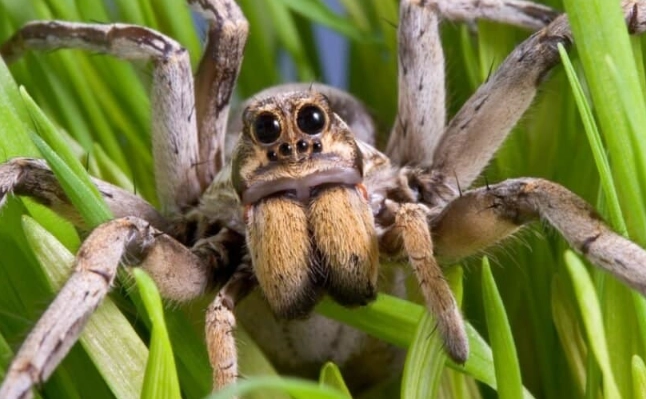
Your Wolf Spider Questions, Answered
They can pounce short distances to catch prey, but they are not true "jumping spiders" (a different family altogether). Their movement is more of a fast, sprinting run. They won't leap across the room at you.
Two main things: Shelter from cold or wet weather, and Food. If you have lots of other insects inside (flies, crickets, ants), you're rolling out the welcome mat for predators like wolf spiders. Fix the insect problem, and the spiders will have less reason to visit.
The risk is very low. A curious pet might get bitten on the nose or paw if they try to paw at or eat a spider. This could cause localized swelling or drooling, similar to a bee sting. Serious reactions are extremely uncommon. It's more likely the spider will run from your pet. Still, it's best to discourage pets from playing with any wildlife.
Body length (excluding legs) can range from about 1/4 inch to over 1 inch for large females. With their legs spread out, some of the bigger ones can span 2-3 inches. They're definitely noticeable, but they're not the giant monsters some stories make them out to be.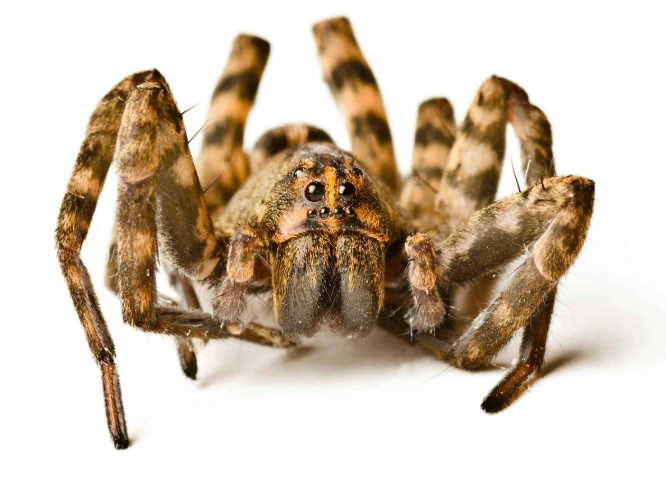
You'll see them most from late spring through fall. Males wander more in late summer/early fall looking for mates, which is when they often accidentally wander indoors. They overwinter as immature spiders or adults in sheltered spots.
Nothing! Or, if it's indoors, very carefully use the cup-and-card method to relocate the whole family outside. That mother is on an important mission. Let her finish raising her young in the garden where they belong.
Beyond the Fear: The Ecological Role of Wolf Spiders
It's easy to label them as "creepy" and stop there. But if we take a step back, wolf spiders are incredibly important. They are a major predator in the food web of Minnesota's fields, forests, and even your backyard. By feeding on a wide variety of insects—including pest species like aphids, caterpillars, and beetle larvae—they help keep those populations in check naturally.
They are also a food source for birds, reptiles, amphibians, and other larger animals. Removing them from the ecosystem would have a ripple effect. When you see a wolf spider, try to see it as a sign of a healthy, balanced environment, not an invader. Organizations like the Xerces Society for Invertebrate Conservation emphasize the critical role all invertebrates, including spiders, play in our world.
I'm not saying you have to love them. It's okay to still find them a bit unsettling. I do sometimes. But moving from a mindset of "kill on sight" to one of "let it be" or "gentle relocation" is a big step. It's better for your peace of mind (less panic), better for your home environment (fewer chemicals), and better for the little patch of Minnesota you live in.
The next time you come across one of these fast-moving hunters in your basement or on your patio, take a deep breath. Remember it's just a lost hunter, a dedicated mother, or a helpful pest controller. You've got the knowledge now to identify it, understand it, and deal with it calmly. That's a win for both you and the spider.
LEAVE A REPLY
Your email address will not be published. Required fields are marked *