In This Article: A Quick Look
- Kissing Bug 101: Spotting the Difference in the Pacific Northwest
- The Real Risk: Chagas Disease and Kissing Bugs in Oregon
- What To Do If You Find a Suspect Bug in Oregon
- Prevention: How to Kissing Bug-Proof Your Oregon Home
- Frequently Asked Questions (The Stuff You're Actually Searching For)
- Putting It All in Perspective
Let's talk about kissing bugs. The name sounds almost cute, doesn't it? It's a terribly misleading name for an insect that causes a lot of worry, especially when you hear it might be in your state. If you're searching for info on kissing bug in Oregon, you've probably seen a weird bug, gotten a concerning bite, or just heard a scary story and want the straight facts. I get it. A few summers back, I found a strange, dark bug lurking near my porch light after dusk here in the Willamette Valley. My first thought wasn't "kissing bug," but after some frantic googling (sound familiar?), I went down a rabbit hole of conflicting information. Some sources made it sound like a dire emergency, others brushed it off completely. Neither was helpful.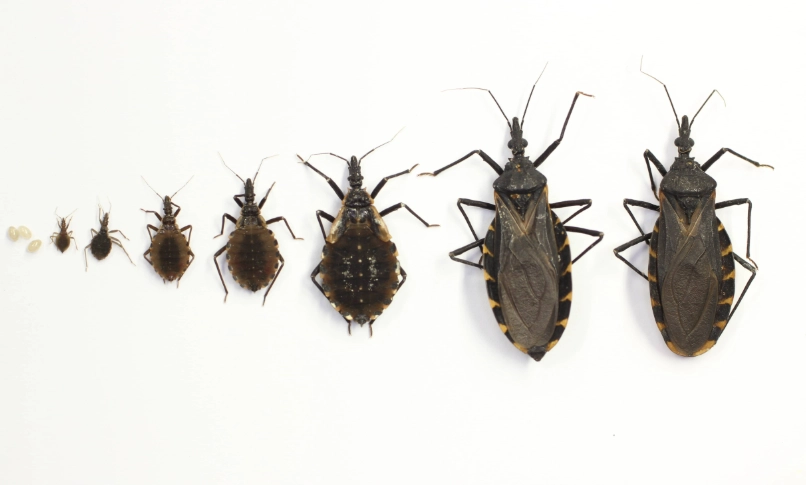
So, I decided to cut through the noise. This guide isn't about fear-mongering. It's about giving you clear, actionable, and scientifically-grounded information about kissing bugs in our state. We'll cover what they look like, where they might show up, the actual risk they pose (which is often exaggerated), and most importantly, what you should—and shouldn't—do if you encounter one.
Bottom Line Up Front: Yes, kissing bugs have been documented in Oregon. No, widespread panic is not warranted. The primary species found here, Triatoma protracta (the western conenose), is present but uncommon. The risk of it transmitting Chagas disease to humans in Oregon is considered extremely low. However, knowing how to identify them and take sensible precautions is smart for any homeowner or outdoor enthusiast.
Kissing Bug 101: Spotting the Difference in the Pacific Northwest
Before we dive into the Oregon-specific stuff, let's make sure we're all picturing the same bug. Kissing bugs, also called conenose bugs or triatomines, are part of a larger family of insects. They're not like your everyday stink bug or boxelder bug, though they're sometimes confused with them.
What makes a kissing bug, well, a kissing bug? Here’s the breakdown:
- Size & Shape: They're typically about 0.75 to 1.25 inches long as adults. They have a distinctive elongated, oval shape. Their head is cone-shaped and narrow, which is a key identifier—it looks pointed, almost like a tiny shield.
- Color: Usually dark brown or black, often with distinctive patterns of light yellow, red, or tan along the edges of their abdomen (the body segment behind the wings). These aren't always bright, but they're noticeable if you look closely.
- The Mouthpart: This is critical. They have a straight, rigid proboscis (beak) that folds back under their head when not in use. It's not for chewing; it's a straw for piercing and sucking. Think of it like a hypodermic needle attached to their face.
- Behavior: They are nocturnal, attracted to lights, and are blood-feeders. They don't live in large colonies like ants. They are often solitary and found in specific habitats.
Now, here's where it gets tricky for us in Oregon. We have several common bugs that get mistaken for kissing bugs. I've seen people post pictures of leaf-footed bugs or western conifer seed bugs online, convinced they've found a public health threat. It causes unnecessary stress. Let's clear that up.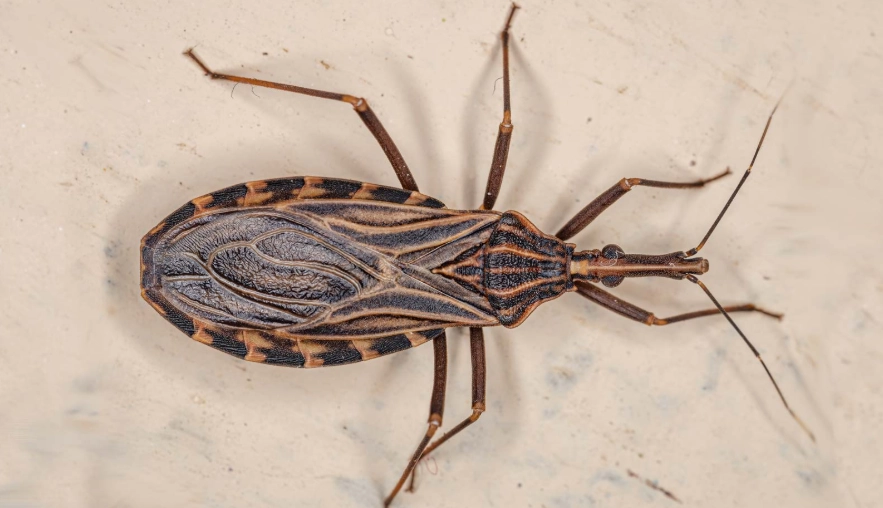
Common Impostors in Oregon: The Western Conifer Seed Bug has a similar size and brown color but has leaf-like expansions on its hind legs and a different head shape. The Boxelder Bug is smaller, flatter, and has bright red markings. Stink Bugs are wider and shield-shaped. Misidentification is the number one cause of undue alarm.
The Oregon Kissing Bug: Triatoma protracta
The main species of kissing bug documented in Oregon is Triatoma protracta, often called the western conenose. It's the one you're most likely (though still unlikely) to encounter. Its range extends into parts of California, Utah, Arizona, and yes, southern and central Oregon. It prefers drier, scrubland habitats but can follow its rodent hosts or be drawn to lights in more residential areas on the edges of such environments.
"Documented findings of kissing bugs in Oregon are sporadic and not indicative of an established, breeding population in urban settings. They are often associated with wildlife dens, particularly woodrat nests." – This aligns with information from vector control specialists I've spoken with.
Their life cycle is slow. They go from egg to nymph (which looks like a smaller, wingless adult) to adult over about a year or more. Only the adults have full wings and can fly, albeit clumsily. It's usually these flying adults that get noticed when they're attracted to porch lights or accidentally get inside.
The Real Risk: Chagas Disease and Kissing Bugs in Oregon
This is the big question, the one that keeps people up at night. Do kissing bugs in Oregon carry Chagas disease? The answer is nuanced, and it's where a lot of online info fails.
Chagas disease is caused by a parasite called Trypanosoma cruzi. A kissing bug becomes infected by feeding on an animal (like a woodrat or squirrel) that already carries the parasite. Then, if that infected bug bites a human and defecates near the bite wound, the parasite in its feces can enter the person's body through the bite, eyes, mouth, or a cut.
Key point: The bug has to be infected, and its feces have to get into your body. A simple bite from a non-infected bug, while unpleasant, does not transmit Chagas.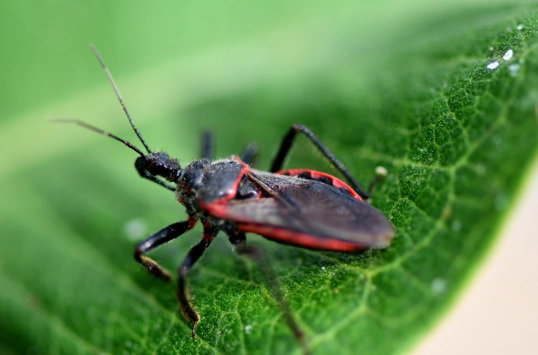
Why is the risk so low here compared to parts of Latin America?
- Low Infection Rates in Bugs: Studies of T. protracta in the western U.S. have found infection rates with the Chagas parasite to be significantly lower than in tropical species.
- Bug Behavior: The western conenose species is less likely to defecate immediately while feeding compared to some of its more dangerous relatives.
- Human Housing: Our homes are generally better sealed and less hospitable to ongoing infestation than traditional mud or thatch dwellings where the disease cycle is more common.
That said, "low risk" is not "no risk." Cases of locally-acquired Chagas have been documented in the southern United States. While there are no confirmed cases originating from a kissing bug in Oregon bite, the theoretical possibility exists. This is why identification and proper handling are important—not for panic, but for informed caution.
The Centers for Disease Control and Prevention (CDC) is the best national resource for information on Chagas disease, its transmission, and its symptoms (which often start mild but can become serious chronic heart or digestive issues decades later).
What To Do If You Find a Suspect Bug in Oregon
Okay, let's say you're looking at a bug on your wall and your gut says "this might be it." Here’s a step-by-step, practical guide. Don't swat it immediately!
Step 1: Don't Panic, Do Investigate
Get a good look. Use your phone to take clear photos from the top, side, and front (showing the head). Good lighting is key. Compare your photos to the true kissing bug images on authoritative sites like the Oregon Health Authority page. Does it have the cone-shaped head? The distinctive banding? Remember the impostors.
Step 2: Safe Capture (If You Can)
If you're reasonably sure it's a kissing bug, and you want it identified, catch it safely. Do NOT touch it with your bare hands. Use a jar, cup, or zip-top bag. Gently trap it, slide a piece of paper underneath, and seal it. You can put a small, damp cotton ball in the container to keep it from drying out. Tape the lid shut. This gives you a specimen for experts to examine.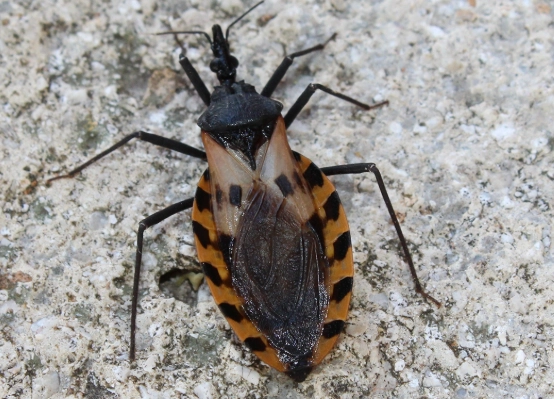
Step 3: Seek Expert Identification
Your local county Extension Service is an incredible, underutilized resource. They have entomologists who can identify insects. You can also contact the Oregon Department of Agriculture or a vector control district if your county has one. Email them your photos first—they can often ID from a picture and tell you if you need to submit the physical specimen.
Step 4: If You Were Bitten
Wash the bite area thoroughly with soap and water to remove any potential bug feces. Apply an antiseptic. Watch for signs of a severe allergic reaction (which, while rare, can happen with any bug bite)—like difficulty breathing, swelling of the lips/tongue, or dizziness. If those occur, seek immediate medical care. For concerns about Chagas disease specifically, save the bug if possible and consult your healthcare provider. They can evaluate your risk and discuss testing options, which involve blood tests to look for the parasite.
I made the mistake of freaking out and smashing my first suspected bug. Then I had nothing to show anyone, and the doubt lingered for weeks. Learn from my mess—capture, don't crush.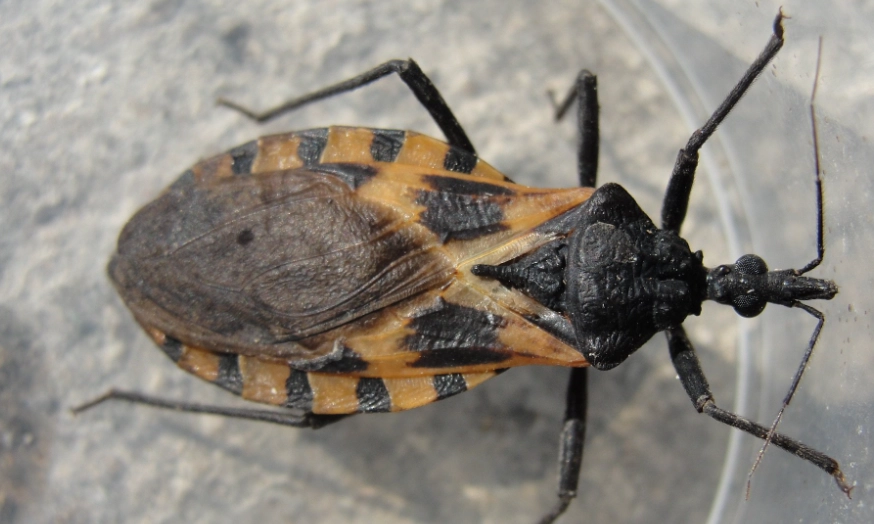
Prevention: How to Kissing Bug-Proof Your Oregon Home
Since finding a kissing bug in Oregon is rare, your prevention strategy shouldn't be a major life overhaul. It should be integrated into good, general pest-proofing habits. Think of it like sealing your home against mice or spiders.
| Prevention Area | Specific Actions | Why It Works |
|---|---|---|
| Sealing Entry Points | Install tight-fitting screens on windows, doors, and vents. Seal cracks and gaps around foundations, windows, utility lines, and pipes with silicone-based caulk or copper mesh. | Kissing bugs are crawlers and fliers. This denies them easy access, just like it does for ants, flies, and other pests. |
| Managing Outdoor Attractants | Keep outdoor lights away from doorways. Use yellow "bug" bulbs or LED lights that are less attractive. Keep woodpiles, debris, and dense vegetation away from the house foundation. | Reduces the chance of bugs being drawn to your doors at night and finding harborage sites right next to your walls. |
| Pet Safety | Bring pet food and water bowls inside at night. Keep dog houses/kennels clean and elevated if possible. Consider having pets sleep indoors. | Kissing bugs will feed on dogs and other mammals. Removing food sources and sleeping areas outdoors reduces attraction and potential exposure for your pets. |
| Wildlife Deterrence | Seal off crawl spaces and areas under decks where rodents might nest. Use secure trash cans to discourage raccoons, opossums, etc. | Since kissing bugs often live with rodent hosts, discouraging rodents near your home indirectly discourages the bugs. |
Insecticides are generally not recommended as a first-line defense for kissing bugs specifically. They are not a widespread, established pest here. Focus on exclusion—keeping them out in the first place. If you live in a rural area near natural rodent habitat, being more vigilant about these steps is prudent.
An ounce of sealing is worth a pound of pesticide. Spending a Saturday afternoon with a tube of caulk is the single most effective thing most Oregon homeowners can do.
Frequently Asked Questions (The Stuff You're Actually Searching For)
Putting It All in Perspective
Look, the internet is great for sparking concern but terrible for providing calm, contextualized answers. The story of the kissing bug in Oregon is a perfect example. Yes, the bug exists here. No, it is not a common pest. The public health risk for the average Oregonian is minimal. You are far more likely to have issues with ticks (Lyme disease), mosquitoes (West Nile), or even wasp stings.
But knowledge dispels fear. Now you know what a real kissing bug looks like and how it differs from the common impostors in our state. You have a clear, non-panic plan for what to do if you see one. And you have a sensible list of home maintenance tasks that not only help with this rare bug but improve your home's defense against all sorts of pests.
If you take away one thing, let it be this: if you find a suspicious bug, get a good photo. Use the expert resources available to you through the Oregon State University Extension Service or the Oregon Department of Agriculture. They are there to help, and they provide the locally-relevant, science-based information that generic fear-based articles lack.
Go enjoy the Oregon outdoors. Just maybe check your porch light once in a while.
LEAVE A REPLY
Your email address will not be published. Required fields are marked *