Jump to Sections
- The Big Picture: Why Spider Activity Timing Matters
- Daily Cycles: The Night Shift Isn't a Hard Rule
- The Seasonal Rollercoaster: When Spider Season Peaks
- Activity by Spider Type: A Handy Comparison
- What Triggers Spider Activity? It's Not Just the Clock
- Regional Differences: A Spider in Arizona vs. Maine
- Indoors vs. Outdoors: Two Different Worlds
- What This Means for You: Practical Takeaways
- Clearing Up Common Myths
- Wrapping It Up: The Rhythm of the Eight-Legged World
You know that feeling. You're settling in for the night, maybe reading a book or watching TV, and then you see it. A leggy shadow darting across the wall or ceiling. It seems like they always show up when you least expect it, right? But what if I told you there's actually a predictable rhythm to it? Understanding when spiders are most active isn't just about satisfying curiosity—it can help you feel more in control, reduce surprise encounters, and even manage them around your home more effectively.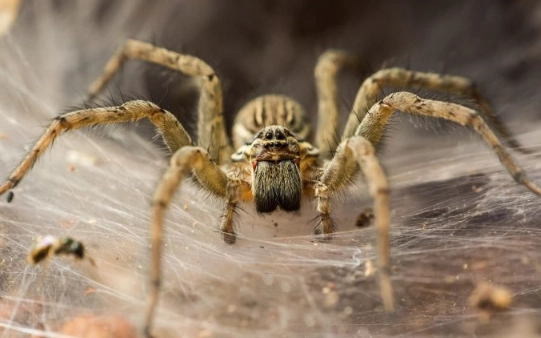
I used to think they were just random. Then I started paying attention, and after talking to a few entomologists and digging into the research (and dealing with my fair share of basement and garage visitors), a clear picture started to form. It's not magic; it's biology, weather, and plain old survival instincts.
The Big Picture: Why Spider Activity Timing Matters
Let's be real. Most people asking "when are spiders most active" aren't planning a spider-watching safari. They usually have a practical concern. Maybe you're tired of walking into webs on your porch every morning. Perhaps you're a parent trying to ease a child's fears by explaining when they're less likely to see one. Or you could be a homeowner noticing more of them indoors at certain times of year and wondering if it's a sign of something bigger.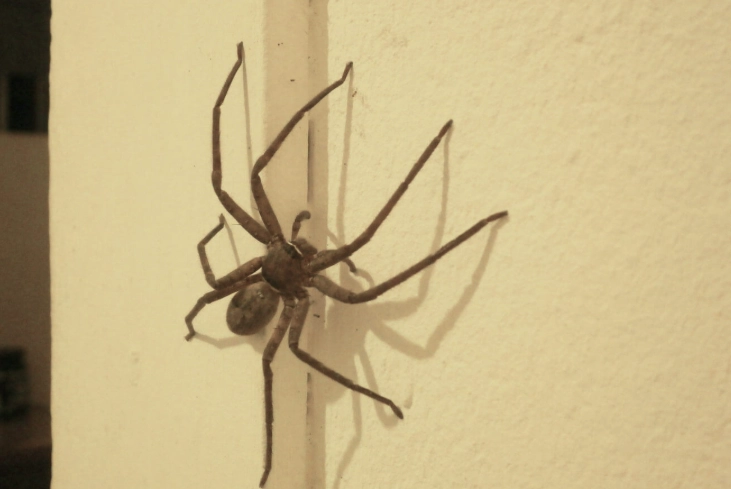
Knowing their patterns helps with all of that. It turns a vague "spiders are scary" feeling into specific knowledge. If you know they're primarily night hunters, a sighting during the day might be more noteworthy. If you know fall is their big season, you can be proactive about sealing cracks in late summer. It demystifies them.
And from the spider's perspective, their activity schedule is all about efficiency. They're trying to catch food, avoid becoming food, and find mates while using as little energy as possible. Their internal clocks and sensory systems are fine-tuned to their chosen shift.
Daily Cycles: The Night Shift Isn't a Hard Rule
It's true, the vast majority of common household and garden spiders are nocturnal. Think about it from their point of view. Nighttime offers cooler temperatures (helpful for avoiding dehydration), higher humidity (which keeps their webs effective), and fewer predators like birds and wasps that hunt by sight. Their prey—flies, moths, mosquitoes—are also often more active at night.
But here's where it gets interesting. "Nocturnal" doesn't mean they vanish at sunrise. Many will retreat to a sheltered retreat—a curled leaf, a crack in the siding, a corner behind your bookshelf—and remain there, relatively inactive, during daylight hours. You might disturb one if you're moving boxes or working in the garden.
The Daytime Exceptions
Not all spiders got the memo about working nights. Some species have adapted to daylight activity.
- Wolf Spiders: These robust, ground-hunting spiders are often seen during the day, especially males wandering in search of females. They don't build webs, so they rely on ambushing prey they can see.
- Jumping Spiders: These charismatic little spiders with excellent vision are classic daytime hunters. You'll see them on sunny windowsills or walls, stalking their prey with impressive precision.
- Crab Spiders: Masters of camouflage, they often wait perfectly still on flowers during the day, ambushing visiting insects like bees and butterflies.
So, if you see a spider boldly out and about in the sunshine, it's likely one of these types. Their activity patterns are completely flipped compared to your typical orb-weaver.
The Seasonal Rollercoaster: When Spider Season Peaks
This is where the question "when are spiders most active" gets its most noticeable answer. You don't see the same number of spiders in April as you do in September. There's a very clear seasonal arc.
Spring (A Slow Start)
Activity begins to ramp up as temperatures consistently stay above 50-55°F (10-13°C). Overwintering spiders become active, and eggs laid the previous fall start to hatch. You'll see more young, tiny spiders. But overall numbers and visibility are still low. They're busy growing.
Summer (Building Up)
This is the growth and feeding phase. Spiders are eating a lot, molting, and getting larger. Web-building species are constructing bigger, more noticeable webs. Prey is abundant. By late summer, most spiders have reached or are approaching maturity. This is the calm before the storm of activity.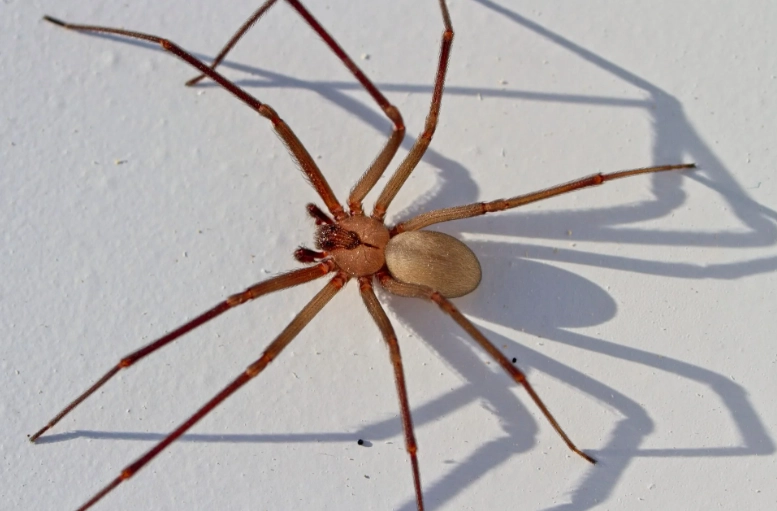
Fall (The Absolute Peak)
Late summer through autumn is the peak time for spider activity and visibility. There are a few big reasons for this:
- Mating Season: This is the big one. Mature males leave their webs or burrows and go wandering, often recklessly, in search of females. This is why you suddenly find spiders in your sink, bathtub, or wandering across the living room floor. They're driven by reproduction and aren't being particularly cautious.
- Maximum Population Size: After a summer of growth and low mortality, the spider population is at its yearly highest.
- Prey Abundance: Insect populations are also often peaking, providing a plentiful food source.
- Seeking Shelter: As nights get cooler, some spiders start accidentally wandering indoors seeking warmer, sheltered spots to overwinter.
It's this combination of factors that makes the question of when spiders are most active so synonymous with autumn. The nights get longer, providing more cover for their nocturnal hunts, and the biological imperative to mate takes over.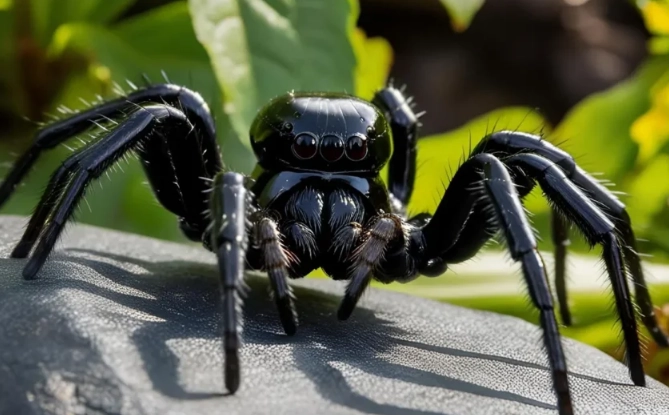
Winter (The Slowdown)
Most spider activity plunges. Many species die after reproducing or laying eggs. Others enter a state of dormancy called diapause, hiding in sheltered spots (like your garage attic, basement, or under bark). Their metabolism slows way down. On unusually warm winter days, you might see a few become briefly active, but sustained activity is minimal.
Activity by Spider Type: A Handy Comparison
Not all spiders follow the same calendar or clock. Here’s a breakdown of when you’re most likely to encounter common types. This table sums it up pretty well.
| Spider Type | Peak Daily Activity | Peak Seasonal Activity | Notes & Why |
|---|---|---|---|
| Orb-Weavers (Garden spiders, Araneus) | Night (Dusk to Dawn) | Late Summer to Mid-Fall | Build beautiful circular webs. Most active at night to catch flying insects. Often rebuild webs daily. Males wander at peak season. |
| House Spiders (Parasteatoda tepidariorum) | Night | Year-round indoors, peaks in Fall | Live their entire life indoors. Nocturnal, building messy webs in corners. More visible in fall due to mating. |
| Wolf Spiders | Day & Night (Cathemeral) | Spring to Fall, peaks Summer | Active hunters, no web. Often seen during day, especially males. Females carry egg sacs and spiderlings. |
| Jumping Spiders | Day (Sunny hours) | Late Spring to Early Fall | Excellent vision. Hunt by sight in daylight. Less active on cold/cloudy days. |
| Black Widows | Night | Warm months, peaks Summer | Shy, reclusive. Stay in messy, tangled webs in undisturbed spots. Nocturnal hunters. |
| Cellar Spiders (Daddy long-legs spiders) | Night | Year-round indoors | Prefers damp, quiet areas like basements. Active at night, often seen hanging upside down. |
See? That "nocturnal" label gets messy fast with hunters like wolf spiders. And house spiders living in the climate-controlled indoors have a completely different relationship with the seasons.
What Triggers Spider Activity? It's Not Just the Clock
Their internal rhythm is primary, but spiders are also opportunistic and react to immediate conditions. Think of these as factors that can make a normally inactive spider get moving.
- Temperature: This is huge. Spiders are cold-blooded (ectothermic). Their activity level is directly tied to ambient temperature. A warm, muggy summer night will see frenetic activity. A cool, crisp fall night will be slower. A sudden warm spell in winter can trigger brief activity. Most species shut down below 50°F (10°C).
- Humidity: Low humidity is a problem. It can dry out their bodies and make their webs less sticky. High humidity (like after rain or in the evening) is ideal. This is another reason dusk and night are favored—the air is often more humid. Ever notice more spider webs look super visible in the morning dew? That's why.
- Prey Activity: Spiders tune into the activity of their food. If a lot of insects are attracted to your porch light at night, spiders will set up shop nearby. If you have fruit flies in your kitchen, a house spider might become more active building a web there.
- Disturbance: This one's obvious. If you start moving woodpiles, cleaning the garage, or rearranging the basement storage, you're going to disturb hiding spiders and see them run. This isn't their "active time" per se, but it's when they become visible to you.
Regional Differences: A Spider in Arizona vs. Maine
You can't talk about timing without talking about place. The seasonal cycle I described is classic for temperate regions like most of the US and Europe. But it changes elsewhere.
In the hot, arid Southwest (Arizona, Nevada, etc.), the peak of spider activity might actually shift. The scorching midday sun is deadly. Many desert spiders become crepuscular (active at dawn and dusk) or strictly nocturnal to avoid the heat. Their seasonal peak might be in the milder spring or fall, rather than deep summer.
In tropical and subtropical climates (Florida, Southern California, etc.), spider activity can be much more constant year-round. There's no harsh winter to induce dormancy. You'll still see seasonal fluctuations tied to wet/dry cycles (insect prey booms during rainy seasons), but the dramatic fall peak of temperate zones is less pronounced. Spiders are just... always around.
In consistently cool, damp climates (like the Pacific Northwest), high humidity supports activity, but cooler temperatures might mean a slightly shorter, later peak season. You might notice more indoor activity as spiders seek out the driest available spots.
Indoors vs. Outdoors: Two Different Worlds
This is a critical distinction people often miss. The spiders living permanently in your house experience a totally different set of conditions than their cousins outside.
Indoor Spiders (like common house spiders) live in a climate-controlled bubble. For them:
- There are no freezing winters or scorching summers.
- Prey (other small arthropods like pillbugs, carpet beetles, or flies) may be available year-round.
- Because of this, they can breed and be active across all seasons.
So why do we still notice them more in the fall?
Even indoors, many spiders retain the biological programming of their outdoor ancestors. The shortening daylight hours and slight temperature drops from air conditioning to heating can still trigger mating behaviors. Also, the influx of outdoor male spiders wandering in during fall increases indoor encounters. So your indoor population might be steady, but visibility spikes.
Outdoor Spiders are at the mercy of the elements, following the classic temperate seasonal cycle much more strictly.
What This Means for You: Practical Takeaways
Okay, so we've covered the science and the patterns. How do you use this information?
For pest control, understanding activity times means you can time interventions better. Cleaning away webs in the morning removes a night's work. Reducing outdoor lights that attract insect prey can make the area less appealing to web-builders.
Mostly, it just helps to know. That spider in your bathtub in October? It's probably a male who got lost during his nighttime search for a mate, not an invader from a horde. It changes the narrative from "invasion" to "biology in action."
Clearing Up Common Myths
Let's bust a few while we're here.
Myth: Spiders come indoors in the fall to escape the cold.
Reality: While some do seek shelter, the primary driver for the fall influx is mating. The males wandering in are often not planning to stay long-term; they're just following pheromones and often end up trapped.
Myth: Seeing more spiders means your house is dirty.
Reality: It more likely means your house has sheltered, undisturbed spaces and possibly other small arthropods for them to eat. A perfectly clean house can have spiders if it has quiet corners and a food source.
Myth: All spiders hibernate in winter.
Reality: True hibernation is rare. Most either die, or enter diapause (a lighter dormancy). They can become active on warm winter days. Some species, like the snow spider, are even adapted to be active on freezing surfaces.
Wrapping It Up: The Rhythm of the Eight-Legged World
So, when are spiders most active? If you take one thing away, let it be this: from dusk till dawn, from late summer through fall. That's the golden window for spider action in most places.
But now you know it's more nuanced. The jumping spider on your sunny window is keeping different hours than the orb-weaver in your rose bush. The house spider in your ceiling corner lives in eternal, mild summer. A warm rain can trigger a flurry of activity, and a cold snap can bring it all to a halt.
I find this stuff weirdly comforting. The world feels more orderly when you understand its rhythms, even the creepy-crawly ones. That sudden appearance of spiders every autumn isn't random or ominous; it's a predictable, natural event driven by life cycles and weather. You can plan for it, understand it, and maybe even appreciate the complex timing behind it.
Next time you see one, instead of just reacting, maybe take a second to wonder: Is it a night-shift worker just getting started? A daytime hunter taking a break? Or a fall bachelor on a doomed quest? Knowing when spiders are most active gives you a little window into their world, and that usually makes our world feel a bit less mysterious.
LEAVE A REPLY
Your email address will not be published. Required fields are marked *