Quick Guide
Let's be honest, getting bitten or stung by anything is a lousy way to spend an afternoon. But a harvester ant bite (or more accurately, a sting) has a special way of getting your attention. It's not like a mosquito bite you can ignore. It *hurts*. One minute you're gardening or walking barefoot in a field, and the next you're hopping around, cursing under your breath at the sudden, fiery pain. I remember my first encounter vividly—I thought I'd stepped on a thorn, but the intense burning that spread told a different story.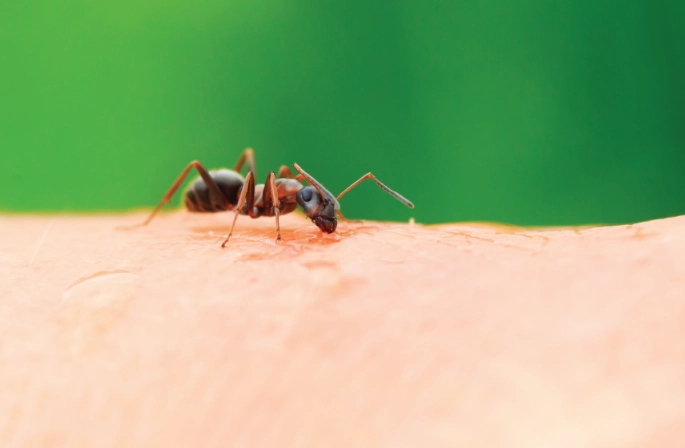
If you're reading this, you're probably in one of two boats. Either you're currently dealing with the aftermath of a harvester ant sting and want to know how to make it stop, or you've seen these industrious ants around your property and want to avoid ever feeling that pain. Good call on both counts. This guide is here to cut through the noise and give you the straight facts. We'll talk about what these ants are, why their sting packs such a punch, exactly what to do from the first second you're stung, and how to keep it from happening again. No fluff, just practical info.
Meet the Culprit: What is a Harvester Ant?
Before we deal with the sting, let's know our opponent. Harvester ants aren't a single species, but a group of ants known for, you guessed it, harvesting seeds. The most common troublemaker in North America is the red harvester ant (Pogonomyrmex barbatus and similar species). You'll often find them in drier, open areas like fields, pastures, and along roadsides. Their mounds are usually large, circular, and conspicuously bare of vegetation—a dead giveaway.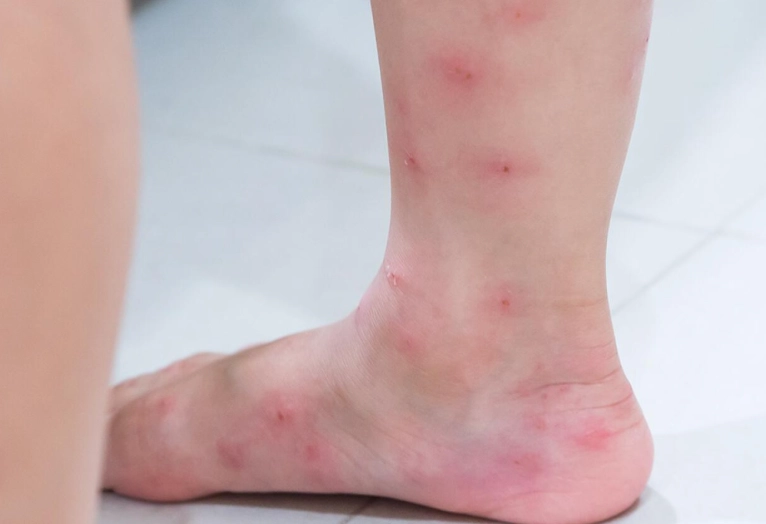
They're actually fascinating creatures, playing an important role in the ecosystem by dispersing seeds and aerating soil. But their defensive game is strong. They are primarily seed-eaters, but their powerful mandibles can deliver a bite to hold on, while their abdomen delivers the real payload: the sting. So when people talk about a harvester ant bite, they're usually referring to the combined effect of the pinch and the venomous sting.
Their venom is a complex cocktail, but one of the main players is a compound that specifically targets nerve cells, which is a big reason the pain is so immediate and intense. It's a defensive weapon, plain and simple.
The Aftermath: Symptoms of a Harvester Ant Sting
Okay, so you've been stung. What now? The reaction can vary from person to person, but there's a typical progression. Knowing what's normal can save you a lot of unnecessary panic.
The Immediate Reaction (The First Few Hours)
The pain is instant and sharp, often described as a burning or fiery sensation. It's significantly more painful than a typical bee sting, in my opinion. Within minutes, you'll see local reactions:
- Intense pain and burning at the sting site. This peaks within the first 5-10 minutes.
- Redness and swelling: A raised, red welt will form around the sting point.
- A small, white pustule or blister might develop at the center within 24 hours. This is a classic sign of a harvester ant sting and is caused by the venom's properties. Do not pop this. It's not an infection at this stage; it's part of the body's reaction.
The pain usually subsides to a persistent, dull ache and itch after a few hours. The whole area can feel tender and warm to the touch.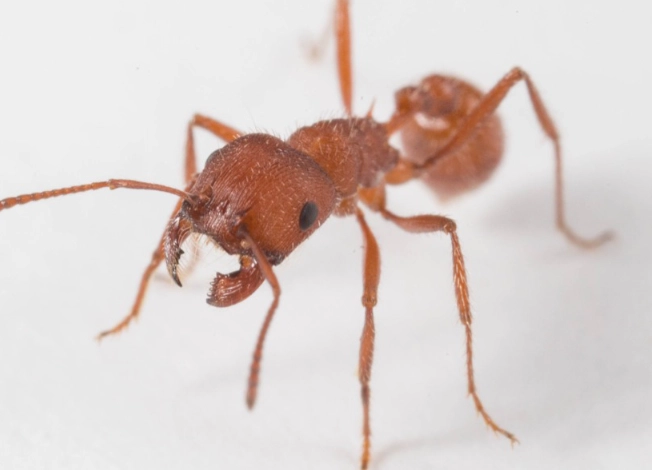
When to Worry: Signs of a Serious Reaction
For most people, a harvester ant bite is a painful but localized event. However, some individuals can have a severe allergic reaction (anaphylaxis). This is a medical emergency. Symptoms usually come on quickly, within minutes to an hour after the sting, and can include:
- Difficulty breathing, wheezing, or a feeling of throat tightening.
- Swelling of the lips, tongue, face, or throat.
- Dizziness, lightheadedness, or a rapid heartbeat.
- Hives spreading over large areas of the body (not just near the sting).
- Nausea, vomiting, or a sense of impending doom.
If you've ever had a systemic reaction to a bee, wasp, or ant sting before, your risk is higher. It's a good idea to talk to an allergist about testing and possibly carrying an epinephrine auto-injector (EpiPen). The American Academy of Allergy, Asthma & Immunology (AAAAI) has reliable resources on insect sting allergies.
Here’s a quick table to help you gauge the severity of the reaction:
| Reaction Type | Symptoms | Action Required |
|---|---|---|
| Normal Local | Pain, redness, swelling (under 4 inches), itching, small pustule. | Home care and monitoring. |
| Large Local | Swelling spreads beyond 4 inches from sting site. May involve entire limb. Can peak at 48 hours. | Monitor closely. Doctor may recommend oral antihistamines or steroids. |
| Systemic Allergic (Anaphylaxis) | Symptoms away from sting site: hives, swelling (face/throat), breathing difficulty, dizziness. | EMERGENCY: Call 911 immediately. |
Step-by-Step: Treating a Harvester Ant Sting at Home
Assuming you're not having a severe allergic reaction, here's exactly what to do. I've tried a bunch of these methods over the years, and some work way better than others.
First Things First (The First 30 Minutes)
- Get Away: Move away from the area to avoid more stings. Harvester ants can be aggressive in defending their nest.
- Inspect: If you can see the stinger (uncommon with ants, more common with bees), gently brush it off with a fingernail or credit card. Don't use tweezers to pinch it, as you might squeeze more venom in.
- Clean: Wash the area thoroughly with soap and cool water. This helps prevent infection from any bacteria on your skin or the ant's mandibles.
- The Cold Compress: This is your best friend. Apply a cold pack or a cloth soaked in cold water to the sting site for 15-20 minutes at a time. It does three crucial things: numbs the area (reducing pain), constricts blood vessels (slowing venom spread and reducing swelling), and reduces inflammation. Do this several times in the first few hours.
Managing Pain and Itch (The Next Few Days)
Once you've iced it, you'll need to manage the lingering discomfort. The itch that follows can be maddening.
Over-the-Counter (OTC) Medications:
- Oral Antihistamines: Drugs like cetirizine (Zyrtec), loratadine (Claritin), or diphenhydramine (Benadryl) can help control the histamine response, reducing itching and swelling. Benadryl works faster but can cause drowsiness.
- Pain Relievers: Ibuprofen (Advil, Motrin) or acetaminophen (Tylenol) can help with the deep ache and inflammation.
- Topical Creams: Hydrocortisone cream (1%) can be applied to the itchy welt for relief. Calamine lotion is another old-school option that can soothe the skin.
Home Remedies That Actually Work (And One That Doesn't):
People swear by all sorts of home fixes. Some have merit, others are just placebo.
- Baking Soda Paste: Mix a small amount of baking soda with a few drops of water to make a paste. Apply it to the sting for 15-20 minutes. The alkaline paste can help neutralize some of the acidic components of the venom. It provides mild, temporary relief for some people. I think it's worth a shot.
- Vinegar: Some suggest dabbing diluted white vinegar on the sting. The theory is opposite to baking soda—neutralizing alkaline venom. Honestly, the evidence is shaky, and it might sting on broken skin.
- Aloe Vera: Pure aloe vera gel is fantastic for cooling and soothing inflamed skin. It won't neutralize venom, but it feels good and promotes healing.
- Avoid the Toothpaste Myth: You'll see this online a lot. Don't put toothpaste on a harvester ant sting. It's messy, can irritate the skin further, and has no proven mechanism for helping with ant venom. Stick to proven methods.
Prevention: How to Avoid a Harvester Ant Bite in the First Place
This is the most important section. Treatment is great, but not getting stung is better.
Personal Protection:
- Footwear is Non-Negotiable: Never walk barefoot or in open sandals in areas where harvester ants might live. Sturdy shoes and socks are your first line of defense.
- Watch Where You Sit or Place Your Hands: Before putting down a blanket, sitting on the ground, or grabbing a rock or log, give the area a quick visual scan.
- Be Nest-Aware: Learn to recognize their bare, crater-like mounds. Give them a wide berth—at least several feet. Disturbing a nest can trigger a mass attack.
Property Management:
If you find harvester ants on your property, especially near play areas or walkways, you need a strategy.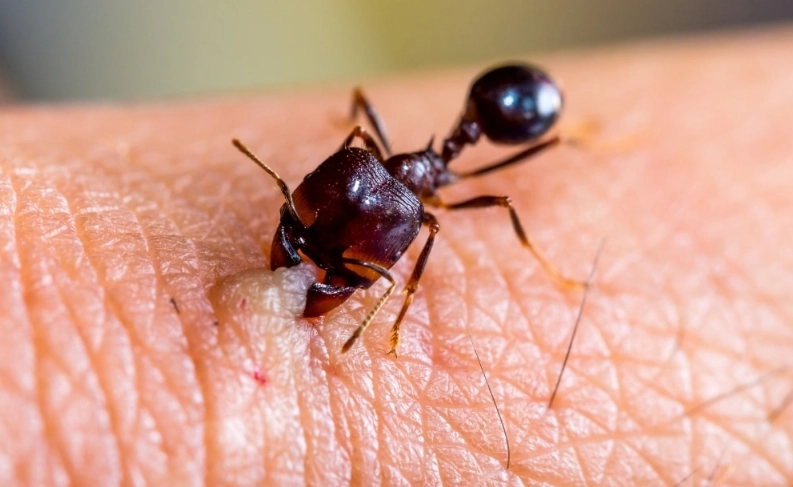
For nests in high-traffic areas, control may be necessary. Baits are often more effective and safer than direct mound treatments, as the worker ants carry the poison back to the queen. Products containing indoxacarb or hydramethylnon are commonly used. Always, always follow the label instructions to the letter. Treat in the evening when ants are most active for foraging.
Keeping your yard clear of excess debris and maintaining a healthy, dense lawn can make the area less attractive for new colonies to establish.
Harvester Ant Sting FAQs: Your Questions Answered
How long does the pain from a harvester ant sting last?
The intense, burning pain usually peaks within 10 minutes and fades significantly within 1-2 hours. A dull ache and tenderness can linger for 24-48 hours. The itching phase can last for several days.
Is a harvester ant sting worse than a fire ant sting?
This is a common comparison. Both are famously painful. The Schmidt Sting Pain Index (a fun but subjective scale by entomologist Justin Schmidt) rates the harvester ant sting as a 3.0 (“bold and unrelenting”), similar to many fire ants. In practice, many people find them comparably severe, though the venom composition differs. Fire ants often sting multiple times in a cluster, while a harvester ant may sting once but powerfully.
Can a harvester ant bite kill you?
From the direct toxic effects of a single sting? Extremely unlikely for a healthy adult. The real danger is from a severe allergic reaction (anaphylaxis), which can be fatal if not treated immediately with epinephrine. This risk exists with bees, wasps, and many stinging insects.
What should I do for my child or pet if they get stung?
For children: Follow the same first aid steps (clean, cold compress). Closely monitor for any signs of an allergic reaction, as they can be harder for kids to verbalize. Keep their nails trimmed to prevent scratching and infection. Use child-appropriate doses of OTC medications.
For pets: Dogs are curious and often get stung on the nose or paws. Try to identify the insect if safe to do so. Apply a cold compress to the area. Watch for excessive swelling (especially around the face or throat), difficulty breathing, vomiting, or collapse. If you see these signs, get to a vet immediately. For minor, localized reactions, your vet may recommend a pet-safe antihistamine like diphenhydramine, but only at the dose they specify.
When should I definitely see a doctor?
Aside from the emergency allergic signs listed earlier, see a doctor if:
- The swelling continues to spread significantly after 48 hours.
- The sting site shows signs of infection: increasing redness, warmth, pus, red streaks leading from it, or fever.
- The pain or symptoms are severe and not relieved by OTC meds.
- You're unsure about the type of insect that stung you or the proper treatment.
Wrapping It Up: Respect, Don't Panic
Dealing with a harvester ant bite is mostly about managing a painful but temporary nuisance. The key takeaways are simple: clean it, ice it, manage the itch with OTC meds, and watch for red flags of an allergy or infection. Prevention through awareness and proper footwear is your best strategy.
These ants aren't evil; they're just defending their home with the tools they have. A little respect for their space goes a long way. Now you have the knowledge to handle an encounter, whether it's avoiding one or treating the aftermath. Stay safe out there, and maybe keep your shoes on.
Further Reading & Authoritative Resources:
For more detailed information on insect identification, venom, or allergic reactions, these are trustworthy sources:
- The CDC's page on Insects and Scorpions provides public health guidance.
- The NIH StatPearls entry on Hymenoptera Stings offers a detailed medical perspective.
- Your local university's Cooperative Extension Service is an unbeatable resource for local pest identification and safe, effective control methods.
LEAVE A REPLY
Your email address will not be published. Required fields are marked *