In This Guide
- Untangling the Web: What Exactly Is a Hobo Spider?
- The Kansas Conundrum: Are Hobo Spiders Even Here?
- Your Kansas Spider Identification Toolkit
- If It’s Not a Hobo Spider, What Spider Bit Me?
- Living Alongside Kansas Spiders: Practical Management
- Your Kansas Spider Questions, Answered
- Wrapping It All Up
Let’s get something out of the way right at the start. If you’re a homeowner in Kansas and you’ve been scouring the web in a mild panic about "hobo spider Kansas" sightings, you’re probably feeling a mix of confusion and concern. The information out there is, frankly, a mess. One site says they’re dangerously venomous, another says they’re harmless, and half the pictures look completely different. It’s enough to make you want to move.
I remember the first time I found a fast-running, brown spider in my basement up near Topeka. My immediate thought was "brown recluse," then maybe "wolf spider." But after a deep dive (the kind that keeps you up past midnight), I stumbled onto the hobo spider. And that’s when the real confusion began. Are they here? Are they a threat? The short answer is more complicated—and frankly, more reassuring—than you might think.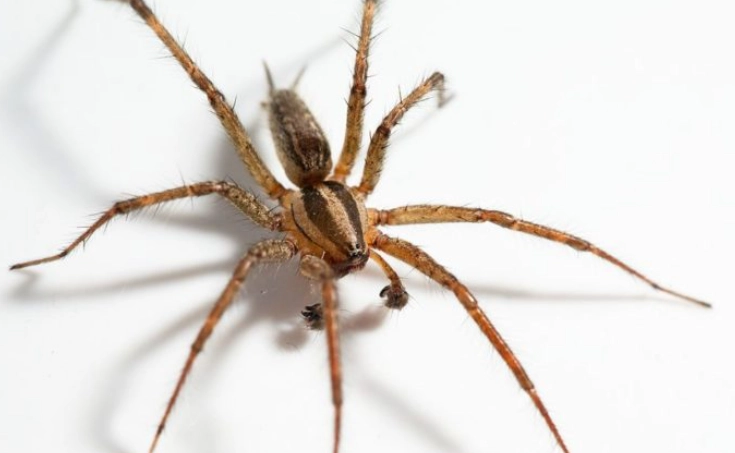
This guide is my attempt to cut through the noise. We’re going to talk about what a hobo spider actually is, whether you’re likely to find one in Kansas, how to tell it apart from its more famous (and often more worrisome) cousins, and what you should really do if you think you’ve found one. We’ll lean on science, not scare stories.
Bottom Line Up Front: The notorious "hobo spider" (Eratigena agrestis) is primarily a spider of the Pacific Northwest. Its established range, according to the most current arachnological data, does not traditionally include Kansas. Most reports of "hobo spiders in Kansas" are likely misidentifications of other, similar-looking funnel-weaving spiders. However, the potential for isolated individuals or very localized populations exists, making identification knowledge crucial.
Untangling the Web: What Exactly Is a Hobo Spider?
Okay, let’s start with the spider itself. The hobo spider gets its unflattering name from the way it was thought to spread—by hitching rides along transportation routes. Its scientific name is Eratigena agrestis. "Agrestis" means "of the fields," which tells you something about where it originally liked to hang out.
They’re part of the funnel-weaver family (Agelenidae). Think of the classic flat, sheet-like web with a funnel or tube retreat in a corner. That’s their handiwork. They’re not great climbers on smooth surfaces, which is why you’ll usually find their webs at ground level—in basements, window wells, woodpiles, or dense vegetation.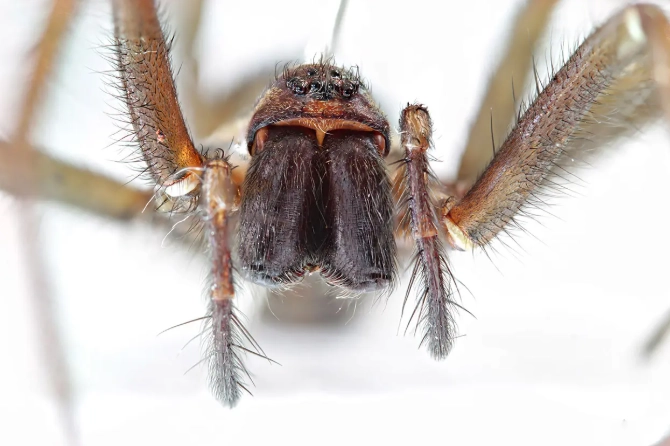
Appearance-wise, they’re… kind of plain. And that’s the problem. They’re medium-sized, with a body length (cephalothorax + abdomen) of about 7-14 mm for females, males a bit smaller. They’re various shades of brown, often with a chevron or herringbone pattern running down the top of the abdomen, though this can be faint. Their legs are solid-colored, without distinct banding. Honestly, from a distance, they look like a lot of other brown spiders.
Here’s the first big point of confusion. For decades, the hobo spider was labeled as "aggressive" and "medically significant" in the U.S. The story was that its bite could cause necrotic lesions (tissue death) similar to the brown recluse. This reputation became terrifying gospel.
But science evolves.
The Reputation Shift: Starting in the early 2000s, and solidified by subsequent research, the medical community and arachnologists began to seriously question the hobo spider's dangerous status. Controlled studies failed to reproduce the severe necrosis. The CDC and other major health organizations no longer list the hobo spider as a cause of necrotic arachnidism in the United States. The consensus now is that its venom is not considered a medical threat to humans. Many documented "hobo spider bites" were likely bites from other species, or entirely different medical conditions.
That’s a massive shift. It means if you’re in Kansas worrying about a hobo spider bite creating a gaping wound, you can dial that fear way, way back. The real concern in Kansas—the spider whose bite genuinely requires attention—is the brown recluse. More on that later.
The Kansas Conundrum: Are Hobo Spiders Even Here?
This is the core of the "hobo spider Kansas" search. People want to know if this creature is in their state.
Based on the established, documented range from authoritative sources like the American Arachnological Society and university extension services, Kansas is outside the core established range of Eratigena agrestis. That range is centered in the Pacific Northwest (Washington, Oregon, Idaho, parts of Montana and Utah), with introductions in parts of Colorado and maybe Wyoming.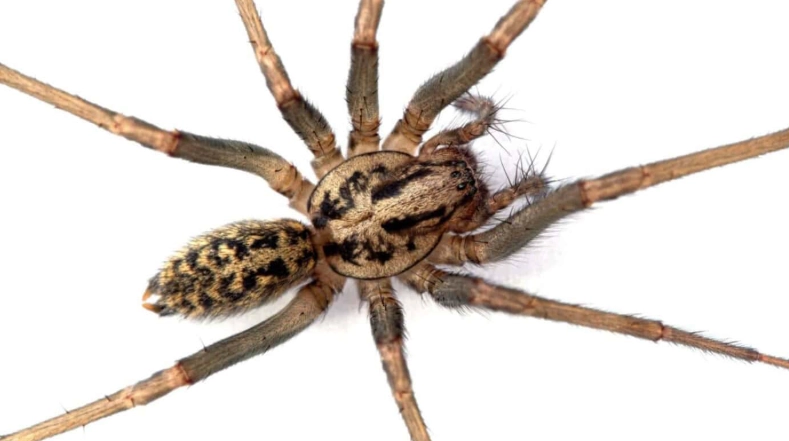
So, case closed? Not quite. Biology is messy. Spiders can be accidentally transported. A single spider or a small, struggling population could theoretically show up anywhere, especially in freight or landscaping materials. Kansas State University’s extension publications on spiders don’t typically feature the hobo spider as a common or established pest.
My personal take? The vast majority of spiders identified as "hobo spiders" by worried Kansans are actually other, native funnel-weavers. The Agelenopsis species (grass spiders) are incredibly common here. They look similar, build similar webs, and are utterly harmless. There’s also Tegenaria domestica, the common house spider, which is a cousin and dead ringer for the hobo spider to the untrained eye.
Your Kansas Spider Identification Toolkit
Since the hobo spider is a master of disguise (or rather, a master of being generically brown), you need to know what to look for to separate it from the Kansas spider crowd. Let’s break it down.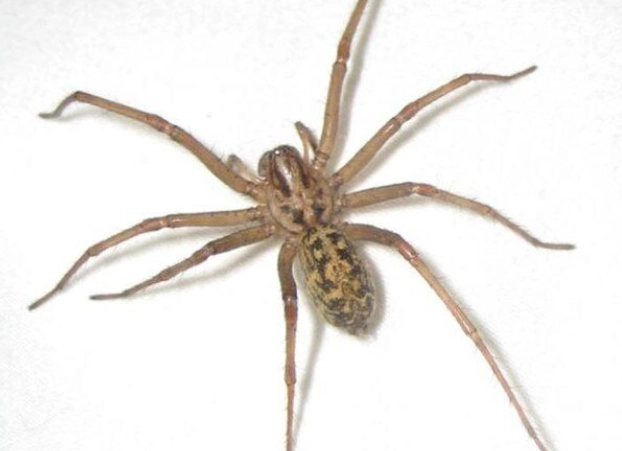
Key Features of a Hobo Spider (If You Suspect One)
- Web: A non-sticky, sheet-like web with a distinct funnel or tube leading to a hidden retreat. Often in corners near the ground.
- Legs: Solid colored, no bold rings or stripes. This is a big one.
- Body Pattern: A series of chevrons (V-shapes) pointing toward the head on the top of the abdomen. Sometimes faint, sometimes broken.
- Size: Body length up to about 14 mm (just over half an inch), with legs making it look larger.
- Behavior: Fast runners. They will usually retreat to their funnel if threatened. That old "aggressive" label is misleading; they’re defensive, not seeking you out.
Now, the critical part: comparison. Misidentification is the root of most spider anxiety. Let’s put the likely suspects side-by-side.
| Spider | Key Identifying Features | Web | Venom Concern in Kansas |
|---|---|---|---|
| Hobo Spider (Eratigena agrestis) |
Solid-colored legs, chevron pattern on abdomen, no distinct dark violin mark. | Funnel-web at ground level. | Low. Not considered medically significant. |
| Brown Recluse (Loxosceles reclusa) |
Dark brown violin shape on cephalothorax, 6 eyes (in pairs), uniformly colored legs, no patterning on abdomen. | Irregular, sticky, often in undisturbed clutter. | HIGH. Can cause necrotic wounds. The primary spider of medical concern in KS. |
| Wolf Spider (Lycosidae family) |
Large, robust, hairy. Often with bold stripes or patterns. Carries egg sac attached to spinnerets. | No web (roaming hunter). | Low. Painful bite but not dangerous. |
| Grass Spider (Agelenopsis sp.) |
Looks VERY similar to hobo spider. Often has dark bands on legs and two prominent dark stripes on cephalothorax. | Classic funnel-web in lawns/shrubs. | None. Harmless. |
| Common House Spider (Tegenaria domestica) |
Nearly identical to hobo spider. Best distinguished by subtle anatomical differences (requires magnification). | Funnel-web in corners of buildings. | None. Harmless. |
See the problem? The grass spider and common house spider are your most likely culprits in a "hobo spider Kansas" misidentification. And both are harmless. The one you must be able to pick out is the brown recluse. That violin mark is your best friend.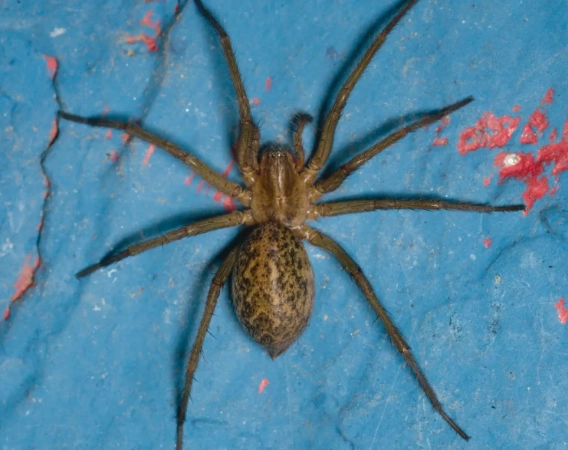
A quick story: I once had a friend send me a frantic photo of a "deadly hobo spider" he caught in Wichita. It had clear dark bands on its legs. I had to tell him it was just a very common, very harmless grass spider doing its job eating pests. The relief in his text was palpable. Knowledge really does ease fear.
If It’s Not a Hobo Spider, What Spider Bit Me?
This is a huge question. You feel a pinch, see a red mark, and the mind immediately goes to spiders. Let’s be brutally honest: the vast majority of skin lesions blamed on spider bites are not spider bites at all. They can be bacterial infections (like MRSA), bites from fleas or bed bugs, or other skin conditions.
Actual spider bites are rare. Spiders don’t want to bite you; you’re not food. They bite in defense, usually when pressed against skin.
So, what if you did get bitten by a spider in Kansas? Here’s the realistic breakdown of symptoms, separating myth from fact:
- Brown Recluse Bite: Often painless at first. Over several hours, it can become painful, red, and swollen. A blister may form, potentially progressing to a necrotic ulcer (a dark, sunken area) over days to weeks. This requires medical attention. Not all recluse bites become necrotic, but a doctor should evaluate them.
- Wolf Spider/Hobo Spider/Grass Spider Bite: These are what I call "bee-sting level" bites. Immediate, sharp pain, local redness, swelling, and itching. The pain fades in a short time (minutes to hours), and the whole thing resolves in a few days like any minor insect bite. No necrosis. Just clean it, apply a cool compress, and take an antihistamine for itching if needed.
- Black Widow Bite (found in Kansas): Sharp pinprick, followed by muscle cramps, pain, sweating, and nausea that can spread from the bite site. This requires immediate medical attention, especially for the very young, old, or those with health issues.
The Takeaway: If you have a skin reaction, don’t jump to "spider." Watch it. If you see the classic recluse violin mark on the spider, or if symptoms are severe (spreading necrosis, systemic illness), see a doctor. For a simple, painful bump? It’s almost certainly not a medical emergency, whether it came from a hobo spider lookalike or something else entirely.
Living Alongside Kansas Spiders: Practical Management
Whether it’s a potential hobo spider, a grass spider, or a recluse, you probably don’t want them as roommates. Here’s a sane, effective approach that doesn’t involve burning the house down.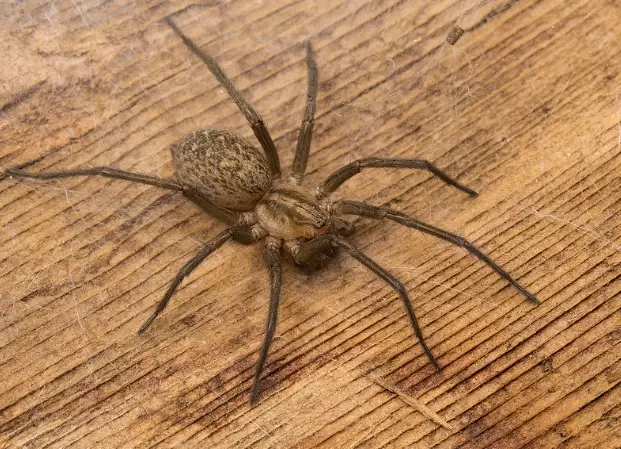
Prevention is Everything
Spiders go where their food is. Reduce other insects, and you reduce spiders.
- Seal it up: Caulk cracks around windows, doors, and foundations. Install door sweeps. Repair screens.
- Declutter: This is non-negotiable for brown recluse control. Reduce piles of boxes, papers, clothes, and other undisturbed storage areas, especially in basements, garages, and closets.
- Reduce Outdoor Harborage: Keep firewood, lumber, and debris stacked away from the house foundation. Trim back vegetation from siding.
- Lighting: Switch exterior lights to yellow bulbs or sodium vapor lights, which attract fewer night-flying insects (spider food).
When You Find One: The Removal Playbook
Your options, from most to least gentle:
- The Cup-and-Card Method: The classic. Relocate the spider outside, away from the house. For harmless spiders like grass spiders, this is my go-to. They’re pest control agents!
- Vacuuming: Incredibly effective for spiders and their egg sacs. Empty the vacuum bag/canister outside afterwards.
- Targeted, Judicious Pesticide Use: If you have a confirmed brown recluse issue, this is where pesticides have a role. Use sticky traps (glue boards) placed along walls to monitor and reduce numbers. For residual sprays, look for products labeled for spiders (often containing pyrethroids) and apply as a barrier treatment along baseboards, in corners, and around potential entry points. Never spray aerosols directly at spiders; it’s ineffective and spreads chemicals everywhere. Consider consulting a professional Pest Management Professional for significant infestations.
A quick rant: Those total-release "bug bombs" or foggers? They’re mostly useless for spiders. The mist doesn’t penetrate where spiders hide (in webs, cracks, under things), and they create a huge pesticide residue mess. I’d avoid them.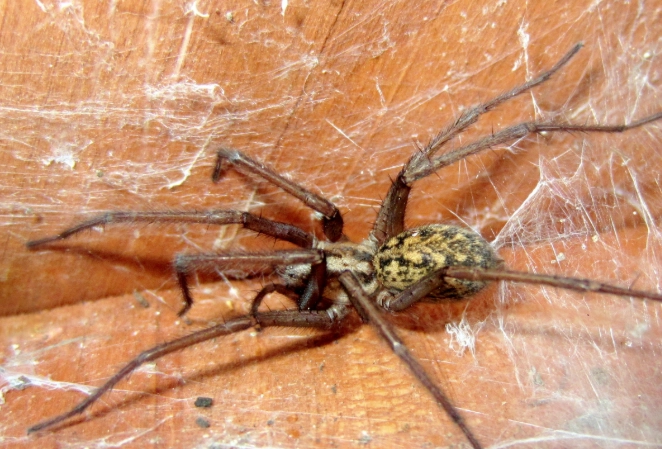
Your Kansas Spider Questions, Answered
- Your local county Kansas State University Research and Extension office. They have experts.
- Online communities like BugGuide.net, run by Iowa State University, where entomologists and skilled amateurs can help. Submit clear photos for a crowdsourced ID.
Remember, a physical specimen is best for a definitive ID, but a good photo often suffices.
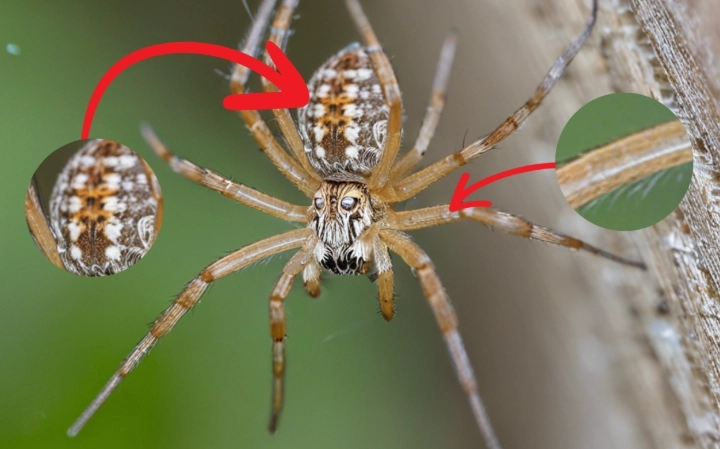 The goal isn't a spider-free existence—that's impossible. The goal is co-existence on your terms.
Wrapping It All Up
So, after all this, where does that leave us with the elusive "hobo spider Kansas" question?
The fear surrounding this particular spider is largely a relic of outdated information. The current science is clear: its medical threat has been dramatically downgraded. Geographically, Kansas is not its home turf. The spiders causing alarm are almost certainly native, harmless funnel-weavers like grass spiders.
Your mental energy is far better spent learning to confidently identify the brown recluse by its violin mark. That’s the spider in Kansas that warrants respectful caution and proactive management. For every other generic brown spider scurrying across your basement floor? It’s far more likely to be a beneficial pest controller than a threat.
The internet is full of dramatic, scary stories about spiders. My aim here was to replace that noise with calm, verified information. Next time you see a web in the corner, you’ll know what you’re likely looking at. You’ll know how to check for the real troublemakers. And you’ll know that the myth of the dangerous "hobo spider in Kansas" is just that—a myth that we can finally put to rest.
Go enjoy your garden, organize your basement without (too much) fear, and maybe even spare a thought for the harmless grass spider keeping the real bugs in check.
LEAVE A REPLY
Your email address will not be published. Required fields are marked *