Quick Guide
- What Exactly Is a Kansas Centipede?
- Why Is There a Centipede in My Kansas House?
- Are Kansas Centipedes Dangerous? The Truth About Bites
- How to Get Rid of Kansas Centipedes: A Practical Action Plan
- Prevention: Keeping Kansas Centipedes Out for Good
- Kansas Centipede Myths vs. Facts
- When to Call a Professional
- Wrapping It Up: Living with (or Without) Kansas's Many-Legged Neighbors
Let's be honest, the first time you see one of these things skittering across your basement floor, it's a moment. All those legs moving in a wave, that long body, the speed. It's enough to make anyone jump. I remember the first time I saw one in my own laundry room in Wichita—I thought some alien creature had hatched. Turns out, it was just a common, albeit startling, Kansas house guest.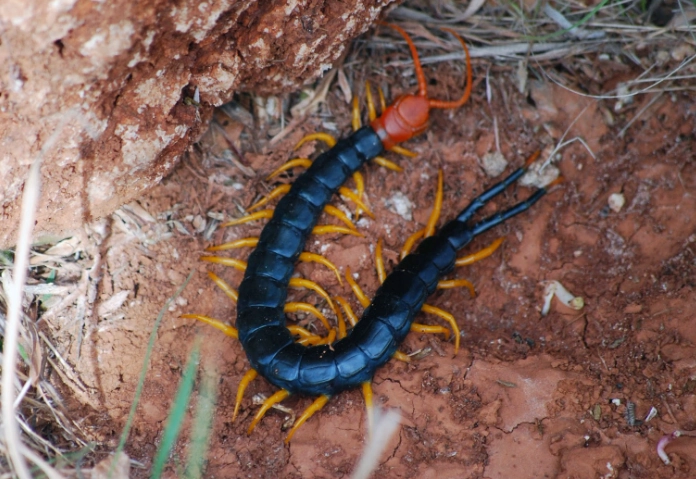
But what exactly is it? Should you be worried? Is it going to hurt your pets or kids? And most importantly, how do you convince it that your home is not its home?
That's what we're going to dig into. Forget the dry, scientific jargon. We're talking real-life, practical info for anyone dealing with a Kansas centipede situation. We'll cover how to identify them, what they're doing in your house, whether that bite is as bad as it looks, and the steps—both immediate and long-term—to manage them. I've talked to extension agents, read through entomology bulletins (like the excellent resources from Kansas State University Research and Extension), and dealt with them myself. This is the guide I wish I'd had.
What Exactly Is a Kansas Centipede?
First, a quick biology lesson to demystify the creature. "Centipede" means "hundred legs," but it's a bit of a misnomer. They always have an odd number of leg pairs, so you'll never find one with exactly 100. The ones you're most likely to meet indoors in Kansas are the house centipedes (*Scutigera coleoptrata*). They're the greyish-yellow ones with those ridiculously long, thread-like legs that seem to make up most of their body. They're fast. Like, shockingly fast.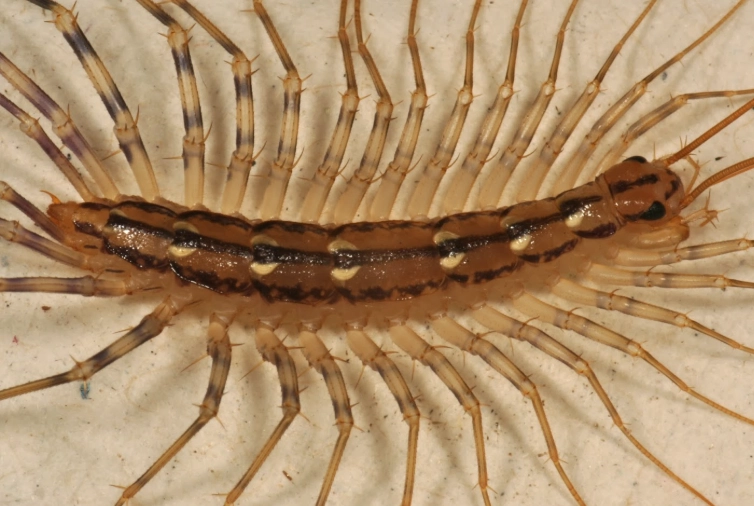
But Kansas is also home to larger, soil-dwelling centipedes, often found under logs or stones in your garden. These are typically Scolopendromorph centipedes—darker, more robust, and with shorter legs relative to their body. They're the ones that look more like the classic, intimidating centipede image.
They're not insects. They're arthropods, in their own class called Chilopoda. And they're ancient. They've been around for hundreds of millions of years, which tells you they're incredibly successful survivors. All centipedes are carnivorous. They're the pest control officers of the invertebrate world, using venom to subdue their prey. That's the key to their behavior and why they might end up in your space.
Key Takeaway: The leggy visitor in your Kansas home is most likely the House Centipede. The bigger, tougher-looking ones usually stay outside but might wander in by accident. Both types are predators, not interested in your food, but in the other bugs you might have.
Common Kansas Centipede Species at a Glance
It helps to know who you're dealing with. Here’s a quick breakdown of the usual suspects.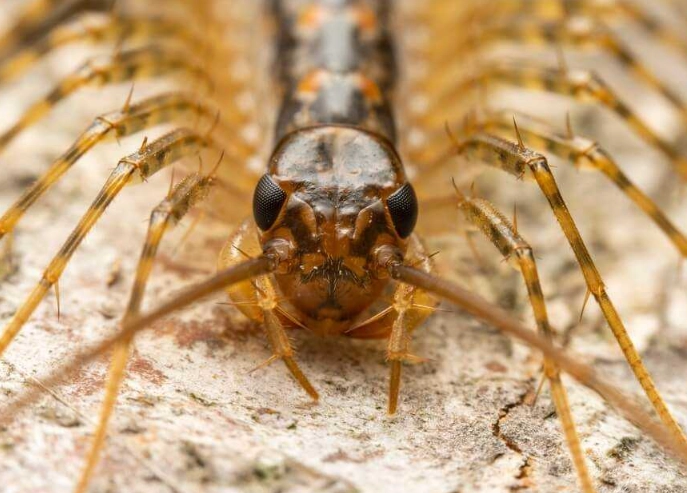
| Species (Common Name) | Typical Size | Color & Appearance | Preferred Hangout | Activity |
|---|---|---|---|---|
| House Centipede (Scutigera coleoptrata) | 1-1.5 inches (body) + long legs | Greyish-yellow with three dark dorsal stripes. 15 pairs of very long, banded legs. | Indoors: Basements, bathrooms, crawl spaces, sinks. | Nocturnal. Extremely fast runner. |
| Stone Centipede (Order: Lithobiomorpha) | Up to 1.5 inches | Brown or reddish-brown. 15 pairs of shorter, sturdy legs. | Outdoors: Under stones, logs, leaf litter. Occasionally indoors in damp areas. | Nocturnal. Moves quickly but not as fast as house centipede. |
| Soil Centipede (Order: Geophilomorpha) | 1-3 inches (very slender) | Pale yellow to brown. Worm-like, with up to 177 leg pairs! Legs are very short. | Outdoors: In soil, under debris. Rarely indoors. | Burrows in soil. Slow-moving. |
See? The house centipede is really in a league of its own looks-wise. That table should help you ID your mystery multi-legger. Most of the panic calls about a "centipede in Kansas" homes are about the house centipede. They're just so... visually alarming.
Why Is There a Centipede in My Kansas House?
They didn't break in to scare you. I promise. Centipedes have simple needs: moisture, darkness, and food. Your house, especially certain parts of it, can provide all three in spades.
Moisture is the big one. Kansas weather can swing from humid summers to wet springs. Centipedes have a waxy coating on their exoskeleton that isn't super effective at preventing water loss. They dry out easily. So they seek out damp spots. Think about it:
- Basements and crawl spaces (often the ground moisture source)
- Bathrooms, especially around drains, under sinks, and in shower corners
- Laundry rooms and utility sinks
- Under kitchen sinks with a slow leak
- Any room with poor ventilation and condensation
Food is the other major draw. Remember, they eat other arthropods. A Kansas centipede in your house is a sign that there's something else on the menu. They are fantastic hunters of silverfish, cockroach nymphs, spiders, bed bugs, and termites. In a way, they're giving you free pest control. Not the most comforting thought when you see one, I know, but ecologically, they're on your side.
Access points are the final piece. Cracks in the foundation, gaps around utility pipes, poorly sealed doors, and basement windows are all welcome mats. They can squeeze through incredibly small openings.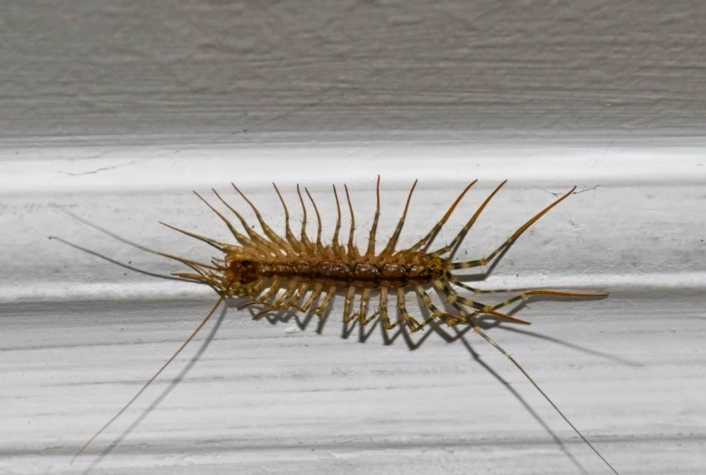
I made the mistake once of piling mulch right up against my house's foundation. Big mistake. It created a perfect, moist highway for all sorts of critters, including centipedes, to march right towards my basement walls. Took me a season to figure out that connection.
Are Kansas Centipedes Dangerous? The Truth About Bites
This is the million-dollar question. The short answer is: not really to humans, but it's complicated. The long answer is more important.
All centipedes are venomous. They use modified front legs called forcipules to inject venom into their prey to paralyze it. They are not "poisonous" (you can't get sick from touching one), but they are "venomous" (they deliver toxins via a bite/sting).
Can a Kansas Centipede Bite You?
Yes, they can. Will they? Almost never. Centipedes are defensive biters, not aggressive ones. They have no interest in you. You are a giant, terrifying predator in their world. A Kansas centipede will only bite if it feels trapped and threatened—like if you accidentally press on it while putting on a shoe, or if you pick one up bare-handed.
House centipedes are particularly reluctant to bite humans. Their venom is tailored for tiny insects. While it can pierce human skin, it often doesn't, or the dose is so small it's inconsequential. The larger outdoor species have more potent venom relative to their size.
What Does a Centipede Bite Feel Like?
If you are one of the unlucky few to experience a centipede bite in Kansas, here's what you can generally expect. It's often compared to a bee or wasp sting.
- Immediate pain: A sharp, burning sensation at the bite site.
- Localized swelling & redness: The area around the bite may swell up and turn red, sometimes forming two small puncture marks.
- Itching: After the initial pain subsides, itching can set in for a day or two.
For most healthy adults, the symptoms are localized and fade within 24-48 hours. It's a painful nuisance, not a medical emergency.
When to Seek Medical Attention: While severe reactions are rare, you should see a doctor if you experience:
- Signs of a severe allergic reaction (difficulty breathing, swelling of the lips/throat, dizziness). This is extremely uncommon.
- Signs of infection (increasing redness, warmth, pus, fever). The bite itself is sterile, but scratching can introduce bacteria.
- Intense pain that doesn't subside after several hours.
- If the person bitten is very young, elderly, or has a compromised immune system.
The Centers for Disease Control and Prevention (CDC) provides general guidance on insect and arthropod-related injuries, which is a good resource for understanding basic first aid.
First Aid for a Centipede Bite
- Wash the area: Use soap and cool water to clean the bite site thoroughly. This helps prevent infection.
- Apply a cold compress: A cold pack or cloth-wrapped ice applied for 10-15 minutes at a time helps reduce pain and swelling.
- Manage pain and itching: Over-the-counter pain relievers (like ibuprofen or acetaminophen) and antihistamines (like diphenhydramine) or hydrocortisone cream can help with discomfort and itching.
- Elevate if swollen: If the bite is on a limb, keeping it elevated can reduce swelling.
- Leave it alone: Avoid scratching, as it can break the skin and lead to infection.
Honestly, the psychological shock is often worse than the bite itself. Knowing what to expect takes a lot of the fear away.
How to Get Rid of Kansas Centipedes: A Practical Action Plan
Okay, so you're done cohabitating. I get it. Getting rid of them isn't about finding a magic spray that kills only centipedes. It's about making your home less inviting. This is an integrated approach—think of it as home defense in layers.
Step 1: Immediate Action (The "Sighter" Response)
You see one. Deal with it.
- The vacuum cleaner is your best friend. Just suck it up. It's quick, humane(ish), and you don't have to get close. Empty the canister or bag outside immediately.
- A glass and card. Trap it under a glass, slide a stiff piece of paper underneath, and release it outside, far from the house.
- Insecticidal dusts in cracks. Products with diatomaceous earth (DE) or boric acid can be puffed into cracks, crevices, and voids where they hide. These work by desiccating the insect. They're slow but effective and have residual action. Just make sure to use food-grade DE if you have pets.
I'm not a huge fan of spraying an aerosol at a single centipede. They're so fast they often get away, and you just end up with chemical residue on your floor for no reason.
Step 2: The Moisture Crusade (The Most Important Step)
This is non-negotiable. You have to dry things out.
Where should I start looking for moisture problems?
Start low and go slow. Your basement or crawl space is ground zero. Then check every plumbing fixture, under every sink, around toilets, and your water heater. A simple moisture meter from a hardware store can be a game-changer for finding hidden damp spots in walls or floors.
- Dehumidify. Run a dehumidifier in your basement, aiming to keep relative humidity below 60%. This one change can work wonders.
- Fix leaks. That dripping faucet or sweating pipe isn't just wasting water; it's running a bug hotel.
- Improve ventilation. Use exhaust fans in bathrooms and kitchens. Make sure your dryer vents to the outside. Open windows when weather permits to air out damp rooms.
- Regrade soil. Ensure the ground around your foundation slopes away from the house so water drains away, not towards it.
- Clean gutters. Clogged gutters cause water to overflow and pool right next to your foundation.
Step 3: Seal Them Out (The Physical Barrier)
Go on a sealing spree. Get some caulk, expanding foam, and weatherstripping.
- Seal cracks and crevices in the foundation, around windows, and where utility lines enter.
- Install door sweeps on exterior doors.
- Repair damaged window screens.
- Use escutcheon plates to seal around pipes under sinks.
Step 4: Eliminate Their Food Source
Remember, they're there to eat. Reduce other pests, and you reduce the centipede's incentive to stay.
- Keep your kitchen crumb-free. Store food in sealed containers.
- Manage clutter, especially in storage areas like basements and garages. Boxes of old papers and clothes are prime real estate for silverfish and spiders.
- Consider treating for other pests if you have a significant infestation. Sticky traps can help monitor for silverfish and cockroaches.
Prevention: Keeping Kansas Centipedes Out for Good
Once you've got the situation under control, keep it that way. Prevention is about maintaining the conditions you worked hard to create.
- Mind your landscaping. Keep mulch, leaf piles, and woodpiles several feet away from your home's foundation. This breaks the moist bridge to your walls.
- Maintain your dehumidifier. Empty it regularly and clean the filter. Run it consistently during humid Kansas summers.
- Regular inspections. Every season, do a quick walk-around your home's exterior and interior perimeter. Look for new cracks, gaps, or signs of moisture.
- Use yellow exterior lights. Insects (centipede food) are less attracted to yellow or sodium vapor lights than to bright white or blue lights.
It sounds like a lot, but most of it becomes routine home maintenance. And it works against a whole host of pests, not just the Kansas centipede.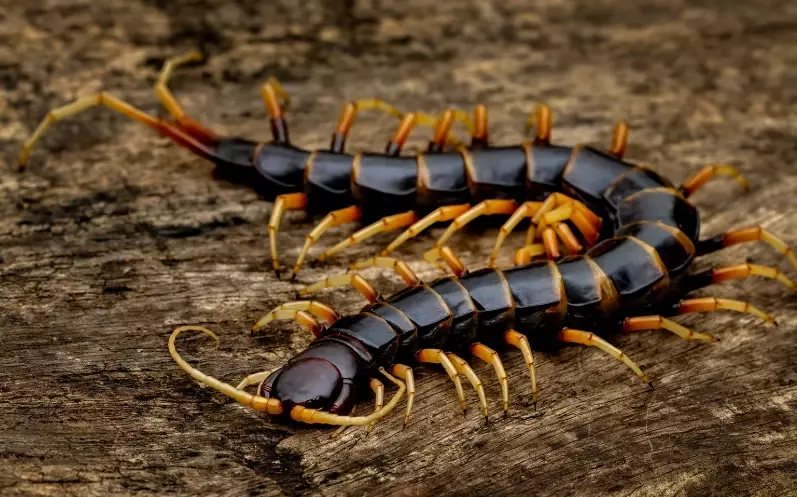
Kansas Centipede Myths vs. Facts
Let's clear the air on some common misconceptions.
Myth: Centipedes are aggressive and will chase you to bite you.
Fact: Nonsense. They are terrified of you. They might run *toward* you if you're between them and a dark hiding spot, but that's panic, not aggression.
Myth: If you see one centipede, there are hundreds hiding in your walls.
Fact: Centipedes are solitary predators. They don't live in colonies like ants or termites. Seeing one usually means just that—you have one (or maybe a few), not an infestation of hundreds.
Myth: They can infest your bed or bite you while you sleep.
Fact: This is a common fear, but it's highly unlikely. They have no interest in you as a host. They want dark, damp, quiet places to hide during the day—not a moving, warm human body.
Myth: All centipedes are highly venomous and a major medical threat.
Fact: The species native to Kansas are not considered medically significant. Their venom is designed for small prey. While a bite hurts, it is not life-threatening for the vast majority of people. The giant tropical centipedes you see in viral videos are a different story altogether.
When to Call a Professional
Most Kansas centipede issues can be handled with the steps above. But sometimes, it's worth calling in a pro.
- If you have a severe, persistent moisture problem like a wet basement or crawl space that you can't solve on your own.
- If you suspect the centipedes are a symptom of a larger pest problem (like a cockroach or silverfish infestation) that you need help eradicating.
- If you simply cannot tolerate their presence and want a targeted, professional application of pesticides in specific voids and cracks.
A good pest management professional (look for companies that emphasize Integrated Pest Management or IPM) won't just spray. They'll inspect for moisture, entry points, and other pests, and give you a holistic plan. It's an investment in peace of mind.
Wrapping It Up: Living with (or Without) Kansas's Many-Legged Neighbors
Look, centipedes are creepy. I won't try to convince you they're beautiful. But they are fascinating and play a crucial role in controlling truly problematic pests. The house centipede, for all its horror-movie legs, is probably killing things you'd like even less.
The key takeaway is that a Kansas centipede in your home is a messenger. It's telling you about excess moisture and other bugs. Killing the messenger doesn't solve the underlying problem. By focusing on the root causes—drying out your home, sealing it up, and reducing other pests—you create an environment that is healthy for you and inhospitable for them.
So next time you see one of those leggy shadows dart away, don't panic. Take a deep breath. Now you know what it is, what it wants, and exactly how to encourage it to move along. Knowledge, in this case, is the best pesticide of all.
LEAVE A REPLY
Your email address will not be published. Required fields are marked *