In This Guide
Let's be honest. You've been there. You take the trash bag out, and before you can even get the lid fully closed, you hear that tell-tale buzz. A couple of flies, no big deal, right? You shrug it off. But then a few days later, you notice a small cloud of them hovering near the kitchen bin. You swat at them, they scatter, and come back. It feels like a tiny, persistent rebellion is happening right under your nose. That, my friend, is the beginning of a classic garbage fly situation. And if you ignore it, it gets worse. Much worse.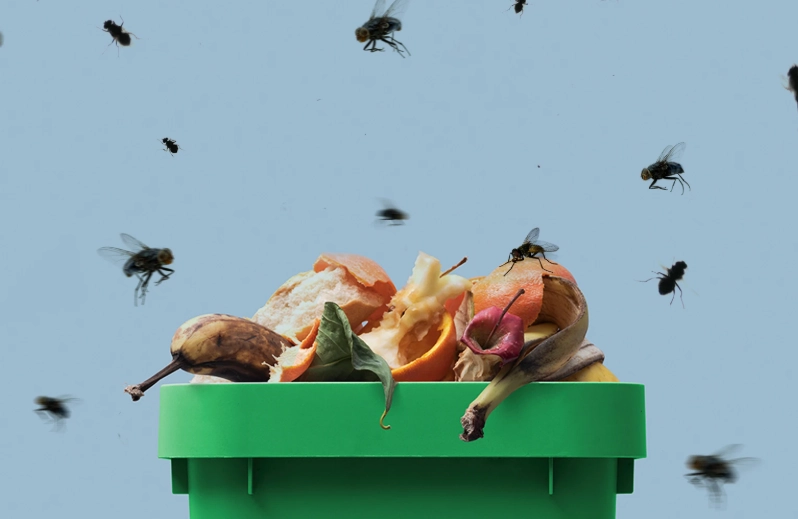
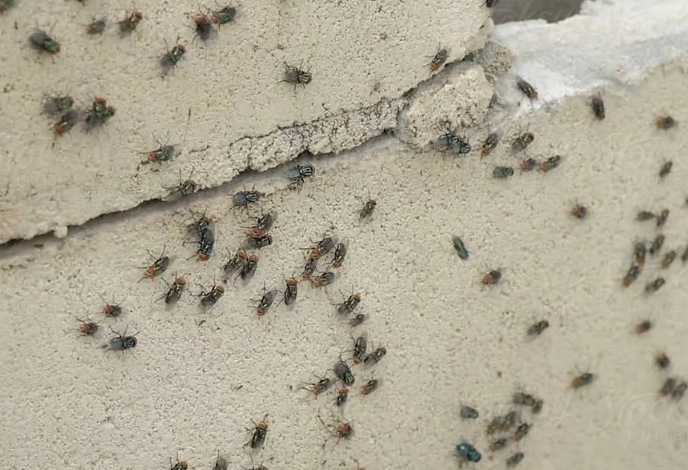
I learned this the hard way after a long weekend away one summer. We'd forgotten to take the kitchen trash out. Coming home to that smell was bad enough, but the real horror was the sight of dozens of small, dark flies zipping around the bin and the nearby window. It wasn't just gross; it felt like an invasion. My usual method of frantic spraying and cleaning barely made a dent. That's when I decided to really understand what I was dealing with. This isn't just about flies; it's about a specific type of pest that thrives on our waste. And to beat them, you need to know their game.
Who Are These Unwanted Guests? Meet the Common Garbage Fly Lineup
So, what exactly is a garbage fly? It's not a single scientific species. It's a functional group—flies whose primary breeding and feeding grounds are our discarded food scraps, rotting garbage, and moist organic gunk. Think of them as the clean-up crew of the natural world, but one that's decided your home is its favorite restaurant. Here are the usual suspects you're most likely dealing with:
- The House Fly (Musca domestica): The celebrity of the group. Grey, about 1/4 inch long, with four dark stripes on the thorax. They're not picky eaters. They'll feast on your food, pet waste, and garbage with equal enthusiasm. Their sponging mouthparts mean they can't bite, but they vomit digestive juices on solid food to liquefy it before sucking it up. Charming, right? This process is a major way they spread bacteria from the trash to your surfaces.
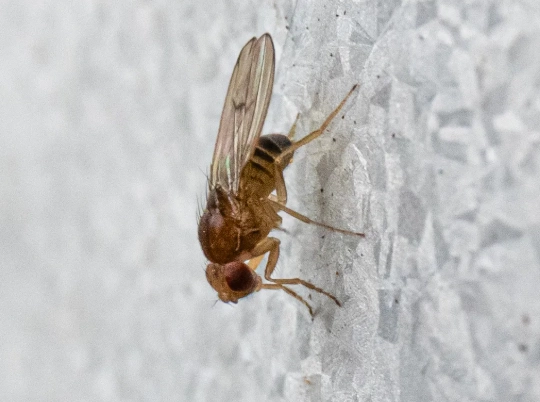
- The Fruit Fly (Drosophila melanogaster): The tiny, tan-orange ones that love your overripe bananas and wine glass. They're small (about 1/8 inch), have red eyes, and seem to materialize out of thin air. Their lifecycle is incredibly fast (from egg to adult in about a week), which is why a couple can turn into an infestation seemingly overnight. A forgotten potato at the bottom of a pantry, a drip of soda under the fridge—that's all they need.
- The Drain Fly (Psychodidae): Also called moth flies because of their fuzzy, moth-like appearance and habit of hopping and flying in short, clumsy bursts. They love the gelatinous gunk that builds up in sink, shower, and floor drains. If you see small, dark flies resting on your bathroom wall, you're probably looking at drain flies breeding in your pipes.
- Phorid Flies (Phoridae): These are the sneaky ones. Often called "humpbacked flies" because of their distinct arched thorax. They run in a zigzag pattern before flying, which is a good identifier. Their claim to fame? They can breed in incredibly small amounts of organic matter. A dead rodent in a wall void, a bit of contaminated soil in a potted plant, or a spill under a refrigerator drip pan can support an entire population.
See what I mean? The garbage fly problem is actually several different problems, each with a slightly different preferred habitat. Spraying a generic insecticide might kill the adults you see, but if you don't find and eliminate the breeding site, you're just playing a frustrating, endless game of whack-a-mole.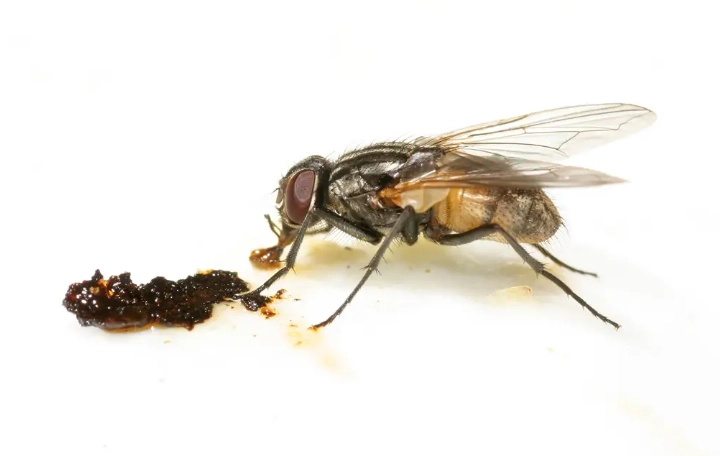
Why You Should Care: It's Not Just About the Buzz
Okay, they're gross. But is a garbage fly actually dangerous? The short answer is yes, and it's a bigger deal than most people realize. These flies are mechanical vectors of disease. They don't inject pathogens like a mosquito; they carry them on their bodies and in their gut from the filth they live in to the places we eat and live.
Think about the journey of a typical house fly. It lands on a pile of dog poop in the yard, picks up bacteria like E. coli or Salmonella on its sticky footpads and body hairs. Then, it flies into your kitchen, lands on the edge of your cutting board or a piece of fruit on the counter, and walks around. It might even regurgitate a bit of its last meal (again, the vomit-to-eat habit). In that process, it deposits those pathogens right onto your food preparation surface. Organizations like the World Health Organization have long documented the role of flies in the spread of diarrheal diseases, especially in areas with poor sanitation.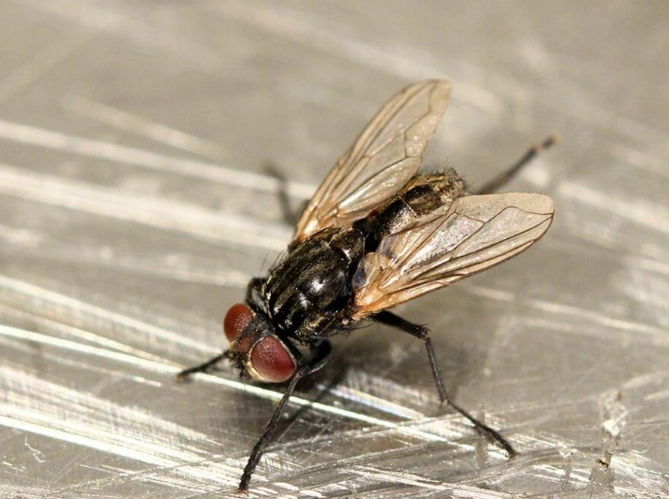
Beyond health, there's a major ick factor and social embarrassment. No one wants to host a barbecue or have friends over when there's a squadron of flies patrolling the potato salad. It signals a lack of cleanliness, even if you're otherwise a very tidy person. An infestation can also be a sign of a larger problem, like a hidden plumbing leak or decaying matter you haven't found yet.
The Lifecycle: Understanding the Enemy's Timeline
To defeat them, you need to break their cycle. All these flies undergo complete metamorphosis: egg > larva (maggot) > pupa > adult. The speed of this cycle is what makes them so prolific. In warm conditions, a house fly can go from egg to breeding adult in as little as 7-10 days. A single female fruit fly can lay 500 eggs. You're not fighting individual flies; you're fighting a rapidly expanding biological factory.
The key stage to target is the larva. The adult flies you see are just the tip of the iceberg—the reproductive end of the pipeline. The real colony is in the breeding site: the maggots wriggling in your over-full kitchen caddy, the gelatinous film in your drain, the moist spill behind your trash can. Killing adults gives temporary relief. Eliminating the breeding site stops the war.
Your Action Plan: From Defense to Offense
So, how do you get rid of flies in garbage and keep them away? It's a multi-step process that moves from sanitation (making your place unattractive) to direct action (trapping and killing) and finally to exclusion (keeping them out). Skipping steps is why most DIY efforts fail.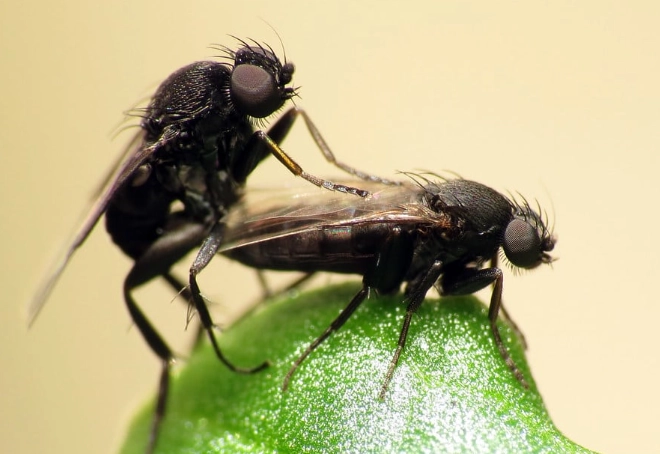
Step 1: Sanitation & Source Elimination (The Most Important Step)
This is non-negotiable. You must find and remove the breeding grounds. This is detective work.
- Audit Your Trash: Use bins with tight-fitting, self-closing lids. No gaps. Line them with bags, and don't let liquid waste pool at the bottom. Take the kitchen trash out daily in the summer, even if it's not full. Rinse out food containers (soup cans, yogurt pots) before tossing them in the recycling or trash.
- Clean the Bin Itself: Once a month, give your outdoor and kitchen bins a deep clean. Hose them out, scrub with a long-handled brush and a mixture of hot water, dish soap, and a bit of bleach or vinegar. Let them dry completely in the sun before putting a new bag in. A damp, dirty bin is a 5-star hotel for garbage flies.
- Look Beyond the Obvious: Check under and behind appliances for food spills. Inspect potted plant soil for overwatering and decay. Ensure pet food bowls are picked up and litter boxes are scooped frequently. Look for rotting fruit that may have fallen behind furniture. Are your garbage or recycling bags stored in a garage or closet? Check those areas too.
- Attack the Drains: For suspected drain flies, pour a pot of boiling water down the drain to loosen gunk. Follow up with a thorough cleaning using a long, flexible brush. You can also use a bacterial drain cleaner (like those containing enzymes) that eats the organic film without harming pipes. Avoid chemical drain cleaners as a first resort; they can damage pipes and often don't remove the biofilm completely.
Step 2: Trapping and Killing Adult Flies
While you're cleaning up, you need to deal with the existing adult population. Traps are more effective and targeted than indiscriminate spraying.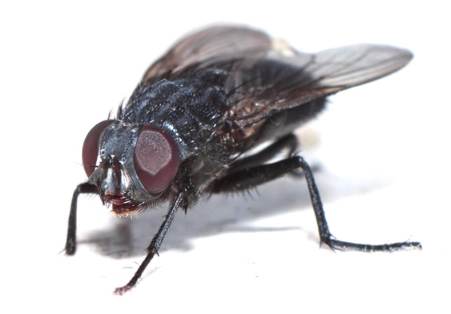
| Trap Type | Best For | How It Works / DIY Version | My Honest Take |
|---|---|---|---|
| Vinegar & Dish Soap Trap | Fruit Flies | Apple cider vinegar in a jar with a drop of dish soap. Cover with plastic wrap with holes. The vinegar attracts, soap breaks surface tension so they drown. | Shockingly effective for fruit flies. Cheap and non-toxic. The best first line of defense. |
| UV Light Traps | House Flies, other flying insects | UV light attracts flies to an electrified grid or sticky board. Great for garages, basements, or outdoor areas. | Work well but are more of a perimeter defense. Don't put them right over food prep areas, as they can "spatter" insects. The zap sound is satisfying, I admit. |
| Sticky Fly Ribbons/Tapes | All flies, especially in low-ceiling areas. | Hang these in problem spots (e.g., near a ceiling light, above a bin). Flies land, get stuck. | Very effective but undeniably ugly and grim to look at. A last resort for a severe, localized swarm. |
| Baited Jar Trap | House Flies | A jar with bait (rotting meat, milk, sugar water) and a paper cone funnel leading in. They can't find their way out. | Powerful but the bait smells horrific. Only for serious outdoor infestations, placed well away from the house. |
Chemical insecticides should be a last resort and used with extreme caution. If you must, choose targeted sprays labeled for flying insects and apply them directly to resting spots (like around the rim of an outdoor bin) rather than fogging an entire room, which is ineffective and fills your home with chemicals. The U.S. Environmental Protection Agency (EPA) provides resources on safer pest control choices, which is a good place to start if you're considering this route.
Step 3: Exclusion and Long-Term Prevention
Once you've cleared the infestation, keep it that way.
- Seal Entry Points: Repair torn window and door screens. Use weather stripping on doors. Install fine mesh screens over vents that lead to crawl spaces or attics.
- Manage Compost Wisely: If you compost kitchen scraps, use a sealed compost bin, not an open pile. Turn it regularly and bury new food scraps under a layer of browns (leaves, shredded paper).
- Outdoor Hygiene: Keep garbage and recycling bins as far from doors as practical. Rinse bottles and cans. If you have a garbage disposal, run it regularly with cold water and occasionally with ice cubes and citrus peels to help clean the blades and pipes.
It's a habit shift, not a one-time fix.
Common Questions (The Stuff You Actually Search For)
Final Thoughts: Winning the War
Dealing with a persistent garbage fly problem is frustrating. I get it. You clean, you spray, and they come back. The breakthrough for me was realizing I was treating the symptom (adult flies) and ignoring the disease (the breeding site). Throwing out the trash bag isn't enough if the bin itself is coated in a layer of invisible residue. Swatting flies in the kitchen is pointless if they're breeding in a forgotten bag of onions in the pantry.
The most effective strategy isn't a single magic product. It's a system based on denial. Deny them food by taking trash out frequently and rinsing containers. Deny them breeding sites by deep-cleaning your bins and checking for hidden spills. Deny them entry with good screens. It takes more upfront effort than just buying a spray can, but it lasts. The peace of mind that comes from not hearing that buzz when you walk into the kitchen? Priceless.
Start with the detective work. Find the source. Be ruthlessly clean. Use traps for the adults flitting around. And be patient—it can take a week or two to completely break the cycle after you've eliminated the breeding ground. But you'll get there. And your home will be yours again, not a diner for the local garbage fly population.
LEAVE A REPLY
Your email address will not be published. Required fields are marked *