Quick Navigation
- The Short Answer: A Two-Story Life
- The Global Map: Where in the World Do Crane Flies Live?
- Breaking It Down: The Crane Fly Life Stage Real Estate Guide
- The Problem Zones: When Where They Live Becomes an Issue
- How to Find Out Where Crane Flies Live In Your Area
- Common Questions About Where Crane Flies Live
- Living With Them: Management vs. Eradication
- The Bigger Picture: Why Where They Live Matters
You know those gangly, long-legged insects that bounce clumsily against your window screen on a damp evening? The ones often mistaken for giant, terrifying mosquitoes? Those are crane flies. And if you've ever found yourself asking "where do crane flies live," you're not alone. It's a deceptively simple question with a surprisingly complex answer that stretches from your soggy backyard right up to the Arctic Circle.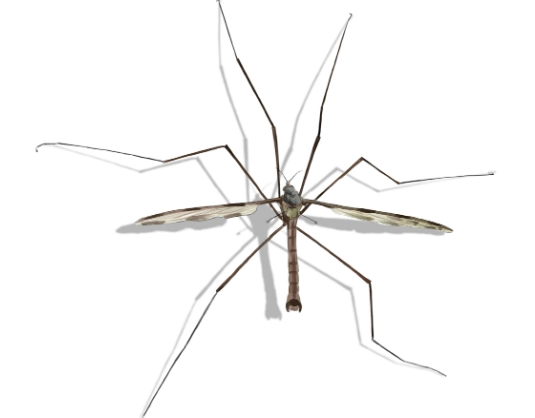
I remember once, after a particularly wet spring, my lawn felt spongy. I dug up a small patch out of curiosity and was met with a wriggling mass of greyish-brown, worm-like creatures just below the surface. That was my first real, hands-on lesson in where crane flies live—or more accurately, where their juvenile forms set up shop. The adult flies are just the tip of the iceberg, the brief, flying phase of a life spent almost entirely out of sight.
So, let's dig into it. The complete answer to "where do crane flies live" depends entirely on their life stage, the specific species (and there are over 15,000 of them worldwide), and the time of year. It's not just one place.
The Short Answer: A Two-Story Life
Think of crane flies as having a split-level existence.
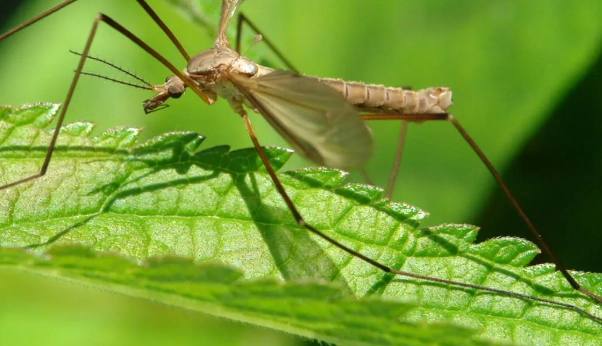
Adults live above ground, often in vegetation.
Larvae (the babies) live in or near moist soil or water.
But that's like saying "birds live in trees." It's true, but it misses the fascinating details. The adult stage is shockingly brief—often just a few days to a couple of weeks, solely for mating. The real story, the multi-month (or even multi-year) saga, happens in the larval stage. When people have issues with crane flies, it's almost always because of where the larvae decide to live.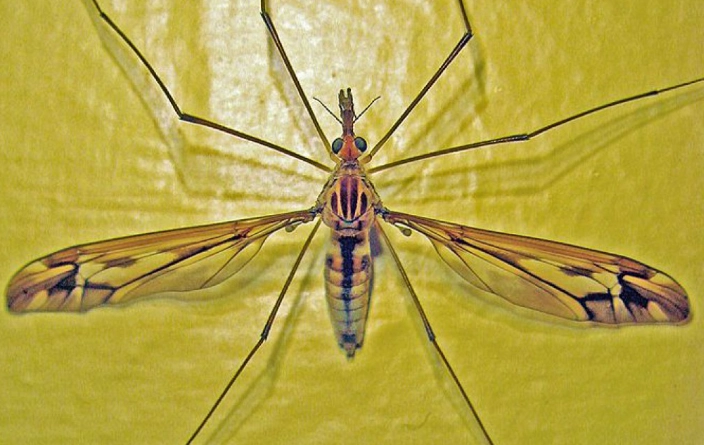
The Global Map: Where in the World Do Crane Flies Live?
Crane flies are cosmopolitan. You'll find them on every continent except Antarctica. Their adaptability is pretty remarkable. From the tropical rainforests to subarctic tundra, different species have evolved to thrive in wildly different conditions. The common thread? Moisture. They follow the water.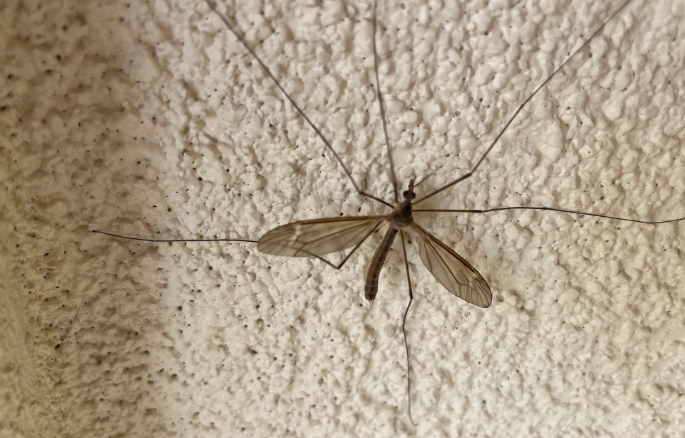
In North America and Europe, they're incredibly common. In the UK, the arrival of large numbers of adult crane flies in late summer/autumn even has a folk name: "Daddy Long-Legs weather." In the Pacific Northwest of the US and coastal parts of Western Europe, the mild, wet climate is crane fly heaven, leading to sometimes massive populations.
But they're not just a temperate thing. I was reading a study from the University of Minnesota Entomology Department that cataloged species in northern bogs, and another from the USDA Agricultural Research Service discussing species in pasturelands. Their range is vast.
Breaking It Down: The Crane Fly Life Stage Real Estate Guide
To truly understand where crane flies live, we need to separate the adults from the kids. Their needs are completely different.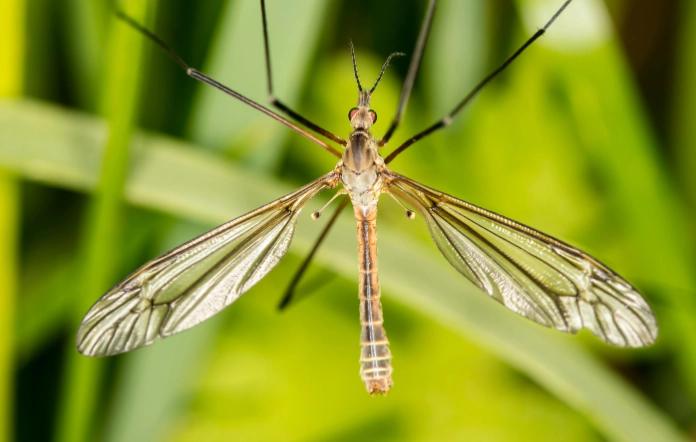
| Life Stage | Primary Habitat | Key Characteristics | How Long They Live There |
|---|---|---|---|
| Egg | Laid on or just below the surface of moist soil, decaying leaves, or directly in water. | Tiny, black, often laid in clusters. The first clue to where larvae will appear. | A few days to 2 weeks |
| Larva (Leatherjacket) | IN the substrate: topsoil, thatch, mud, decaying wood, stream beds, moss. Must stay moist. | Legless, grey-brown, tough skin. They are the true residents, eating organic matter or roots. | Several months to over a year (the longest stage) |
| Pupa | Usually in the same moist substrate as the larva, sometimes in a small earthen chamber. | Brief transitional stage. The insect is reorganizing its entire body. | 1-2 weeks |
| Adult | IN vegetation near larval sites: tall grass, shrubs, forest edges. Weak fliers. | Long legs, one pair of wings. Do not feed (mostly) or bite. Sole purpose is reproduction. | A few days to 2 weeks |
See the imbalance? The larva is the homeowner. The adult is just a fleeting visitor. This table makes it clear why the soil is ground zero for answering "where do crane flies live."
Larval Real Estate: The Leatherjacket's Wishlist
If you're a crane fly larva (often called a leatherjacket), your perfect home has a few non-negotiable features. This is where they truly live.
- Moisture is Everything: Their bodies dry out easily. They need constant contact with damp material. This is why you find them after rain or in low-lying, poorly draining parts of a lawn.
- Organic Buffet: Most species are detritivores, meaning they munch on decaying plant matter—dead grass roots, fallen leaves, rotting wood. Some species, however, will nibble on living plant roots and crowns, which is what causes lawn damage. The Penn State Extension has excellent resources on identifying this type of damage.
- Protection from Elements: The soil, thatch, or mud provides cover from sun, wind, and predators like birds.
So, where exactly does this checklist lead them? Here are the top spots:
- Lawns and Turfgrass: Especially overwatered, shady, or compacted lawns with thick thatch. The thatch layer is a perfect leatherjacket metropolis—moist, full of food, and protected.
- Wet Meadows and Pastures: Natural grasslands that stay damp are crane fly nurseries.
- Forest Floors: In deciduous woods, the damp, leaf-littered soil is ideal. They help with decomposition here, which is a good thing.
- Stream Banks and Wetlands: Some species are fully aquatic or semi-aquatic. Their larvae live in the soft mud or saturated moss along edges.
- Decaying Logs and Stumps: A soggy, rotting log is a five-star hotel for certain crane fly larvae, offering food and moisture in one package.
Adult Hangouts: The Brief Finale
Adults are pretty useless, to be honest. They emerge, mate, lay eggs, and die. They don't have functional mouthparts to bite (contrary to scary myths), and most don't even eat. Their habitat needs are simple: be near where the larvae live, and have enough vertical structure to rest on.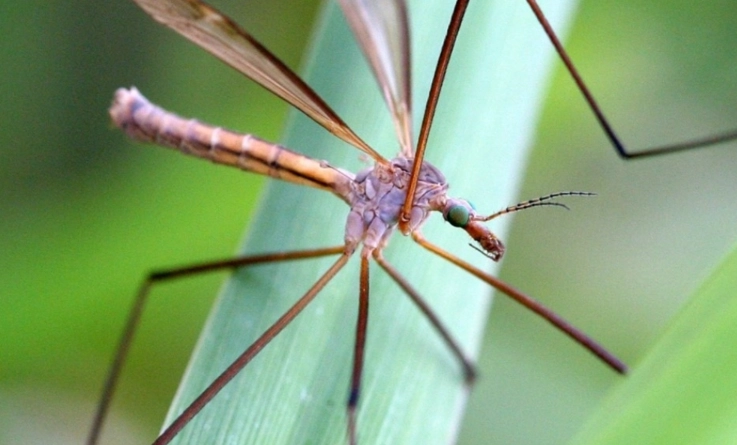
You'll see them clinging to:
- Long grass and weed stems
- Shrub leaves
- Exterior walls of houses (especially near lights at night)
- Fences and trellises
Their flight is weak and fluttery. They don't travel far from their birthplace. So if you have a lot of adults around, you can bet the larval habitat—the real answer to where those crane flies live—is within a hundred feet or so.
The Problem Zones: When Where They Live Becomes an Issue
Most of the time, crane flies are harmless, even beneficial decomposers. But in specific, human-managed environments, their choice of habitat causes conflict.
It's worth noting that not all lawn damage is from crane flies. Grubs, fungus, and drought can look similar. The tell-tale sign is finding the leatherjackets themselves when you investigate the damaged area.
How to Find Out Where Crane Flies Live In Your Area
Want to do some detective work? Here's a simple field guide.
- Timing: Look for adults at dusk on calm, humid evenings from late summer to fall (for many common species). Look for larvae in early spring or late fall by examining soil.
- The Tug Test: Grab a handful of brown, dying grass and give it a gentle tug. If it comes up easily with no roots, and you see greyish, legless grubs in the soil underneath, you've found their home.
- Soap Flush: Mix 1-2 tablespoons of dish soap in a gallon of water and pour it over a suspicious, spongy square foot of lawn. If larvae are present, they'll often come wriggling to the surface within 10 minutes, needing to escape the irritation. It's a harmless way to confirm their address.
Common Questions About Where Crane Flies Live
Living With Them: Management vs. Eradication
Given how widespread they are, trying to eliminate crane flies is futile and ecologically unwise. Management is about making your prized spaces (like lawns) less inviting to the root-feeding species.
- Improve Drainage: Aerate compacted lawns. This disrupts their habitat and lets the soil dry out more.
- Reduce Thatch: Dethatch your lawn regularly. This removes their prime real estate and food source.
- Water Wisely: Deep, infrequent watering encourages deep grass roots and allows the surface to dry, making it less hospitable for larvae.
- Natural Predators: Encourage birds, especially starlings and robins, which love to eat leatherjackets. You can find more on promoting beneficial wildlife from resources like the Xerces Society for Invertebrate Conservation.
- Nematodes: For significant problems, microscopic beneficial nematodes (Steinernema feltiae) can be applied to moist soil. They seek out and parasitize crane fly larvae. This is a targeted, biological approach. The University of Kentucky Entomology Department has good guides on this.
Chemical insecticides should be an absolute last resort, as they harm the broader soil ecosystem. Always properly identify the pest first—you might be blaming the wrong insect.
The Bigger Picture: Why Where They Live Matters
Stepping back, crane flies are a vital part of healthy ecosystems. In forests and wetlands, their larvae are major decomposers, breaking down leaf litter and recycling nutrients. They are a key food source for birds, fish, amphibians, and other insects. Their presence often indicates a moist, organically rich environment.
So, the next time you see one of those clumsy, harmless adults bumping around, you'll know the real story is happening underground. You'll understand that the answer to "where do crane flies live" is a tale of two worlds: a brief, visible dance in the air, and a long, hidden life in the damp, dark earth. They're not pests by nature; they're just living where their biology dictates, which sometimes, unfortunately, overlaps with our perfect green lawns. Knowing exactly where they live is the first step to a sensible, balanced coexistence.
It's funny—I used to swat them away without a thought. Now, when I see one, I think of that bustling, wriggling city just beneath my feet, doing the quiet work of breaking the world down so new things can grow. It gives you a different perspective.
LEAVE A REPLY
Your email address will not be published. Required fields are marked *