Navigate This Guide
Let's be honest, finding a spider in your Ohio home can send a shiver down anyone's spine. Is it harmless, or should you be genuinely concerned? That question becomes a lot more urgent when you start hearing about the infamous brown recluse spider. I've talked to so many folks who are convinced every brown spider they see is a recluse, and they're often mixing it up with the much more common (and mostly harmless) wolf spider. It's a classic case of mistaken identity that causes a ton of unnecessary panic.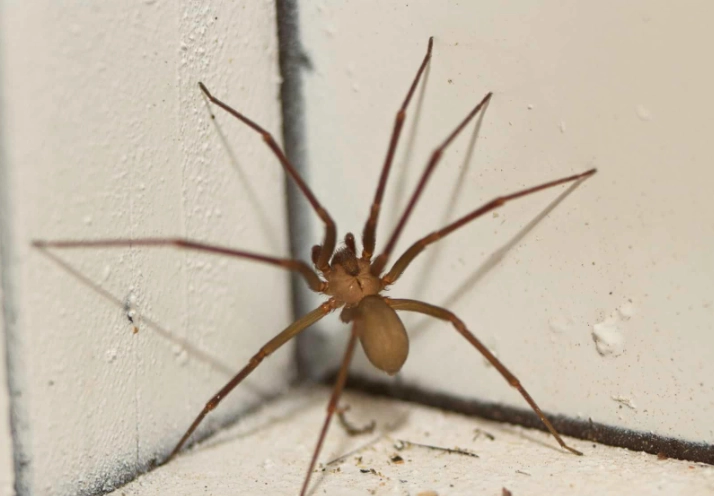
I remember a friend from Columbus once texted me a blurry photo of a big, hairy spider in her basement, absolutely convinced it was a brown recluse and ready to call an exterminator. Turned out it was just a wolf spider hunting crickets. She'd spent the whole night worried for nothing. This mix-up happens all the time.
This guide is here to cut through the confusion. We're going to break down exactly how to tell a brown recluse spider in Ohio apart from a wolf spider, what their behaviors are like, what to do if you ever get bitten (which is extremely unlikely for the recluse), and how to manage spiders around your home without losing your cool. Think of it as your no-nonsense field guide to these two eight-legged Ohio residents.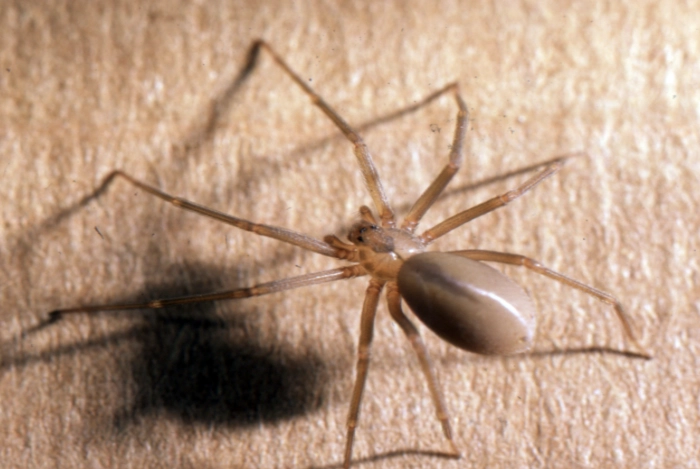
The Main Event: Side-by-Side Differences
You can't rely on just "it's brown" or "it's big." You need a checklist. The table below lays it out clearly. Keep in mind, wolf spiders are incredibly diverse in size and shade, but their core features are consistent.
| Feature | Brown Recluse Spider | Wolf Spider (Ohio Varieties) |
|---|---|---|
| Size (Body Length) | About ¼ to ½ inch. Surprisingly small—about the size of a U.S. quarter including legs. | ⅜ to 1½ inches. Often much larger and bulkier. Some can look intimidatingly big. |
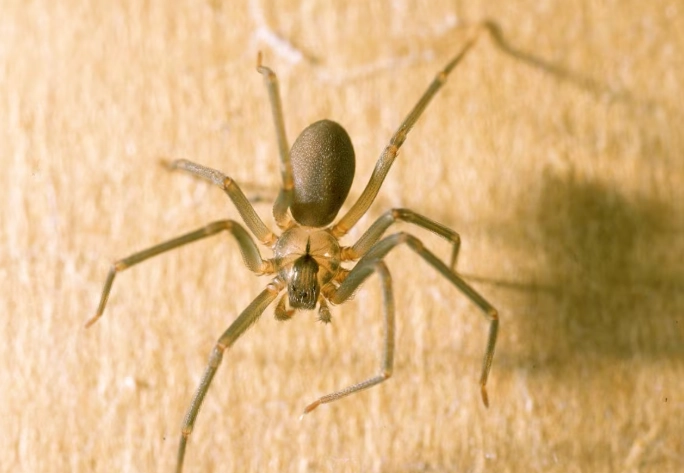
| Color & Markings | Uniform tan to dark brown. The single, dark violin-shaped marking on the cephalothorax (head/body region) is key. The violin's "neck" points toward the abdomen. | Usually brown, gray, or black with striped, mottled, or patterned bodies and legs for camouflage. No violin mark. |
| Eyes | 6 eyes, arranged in three pairs (dyads). This is a huge identifier but hard to see without magnification. | 8 eyes, arranged in three rows. They have excellent eyesight for hunting. |
| Web | Makes messy, off-white, sticky "retreat" webs in undisturbed areas. They don't use webs to catch prey. | Does not build webs for hunting. They are active, ground-based hunters. Females may create a silk retreat for eggs. |
| Legs & Body | Legs are long, slender, and mostly smooth. The body has a fine, velvety appearance. | Stocky, robust bodies with long, hairy or spiny legs built for running and digging. |
| Behavior | Truly reclusive. Nocturnal. Avoids contact. Will only bite if pressed against skin (e.g., in clothing or bedding). | Active hunters, often seen running across floors at night. Can be fast. May show defensive posture if threatened but generally flees. |
| Venom | Contains cytotoxins that can damage tissue (necrotic). A bite requires immediate medical attention. | Venom is designed for insects. A bite may be painful (like a bee sting) and cause redness, but is not medically significant for humans. |
See how different they are? The wolf spider is the rugged, athletic hunter. The brown recluse is the secretive, delicate-looking spider with the potent bite. If you see a big, fast, hairy spider scurrying away, you can almost certainly rule out the brown recluse in Ohio.
Diving Deeper: Your Identification Guide
The Brown Recluse Spider (Loxosceles reclusa) in Ohio: Separating Fact from Fear
Let's talk straight about the brown recluse ohio situation. The hype far outstrips the reality. According to experts at The Ohio State University Extension, stable, reproducing populations of brown recluse spiders are not established throughout Ohio. Isolated finds happen, often linked to travel or goods transported from core habitations in the central-southern U.S. So, if you live in Cincinnati or parts of southern Ohio, the odds are slightly higher (but still low) than if you live in Cleveland or Toledo. The spider's name is its biography: recluse. It likes dark, dry, undisturbed places—think attics, basements, storage boxes, behind furniture, or inside seldom-used shoes or gloves.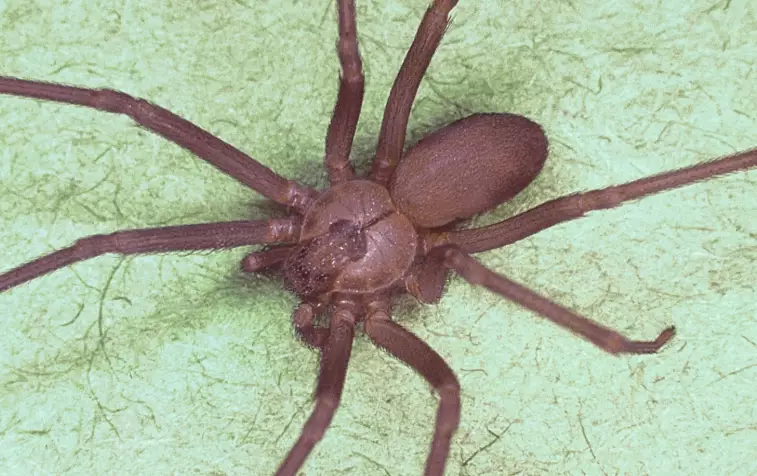
The bite is what makes the news. It's often painless at first, but over several hours can develop into a red, painful area that may blister. In a minority of cases, the tissue at the bite site can break down, creating a necrotic lesion that heals slowly. This is why any suspected brown recluse spider bite needs a doctor's evaluation. The CDC notes that systemic reactions are rare, but getting proper care is crucial to prevent secondary infection and manage the wound.
My personal take? The fear of the brown recluse spider in Ohio is way overblown by sensational online stories. It leads to misdiagnosis of skin conditions. Always let a medical professional make that call.
The Wolf Spider (Family Lycosidae): Ohio's Misunderstood Hunter
Now, meet your actual neighbor: the wolf spider. These guys are everywhere in Ohio—in gardens, under leaves, in mulch, and yes, sometimes in basements and garages. They're the spiders you see darting across the patio when you turn on the light. They're built like tanks compared to the recluse. That hairy body and those strong legs are for chasing down prey (insects) on the ground. They're solitary and don't form colonies.
One of the coolest (or creepiest, depending on your view) things about wolf spiders is their maternal care. The female carries her large, round egg sac attached to her spinnerets. After the spiderlings hatch, they climb onto her back and ride around for a week or more before dispersing. Seeing a wolf spider with a "backpack" of babies is a surefire identification trick.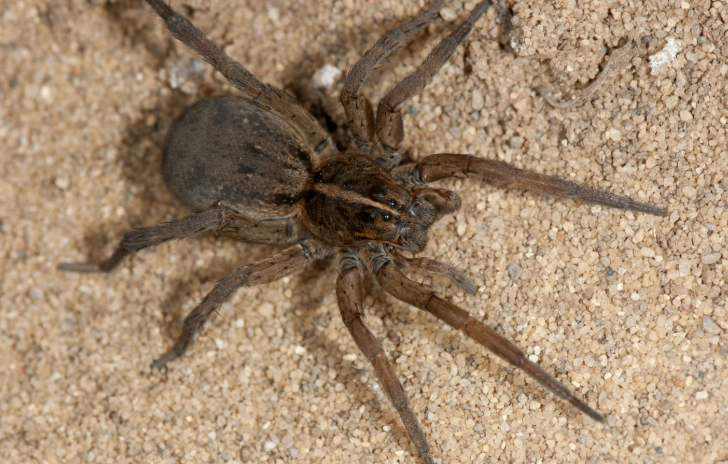
Are wolf spiders dangerous? Practically no. A bite is a last-resort defense and feels like a sharp pinch, maybe with some minor swelling and itching. They have no interest in biting you. Their presence indoors usually means they're hunting other pests, like cockroaches or silverfish. In a way, they're providing free pest control, even if their method of delivery is startling.
What To Do If You Think You've Been Bitten
First, don't panic. Remember, the chance of it being a brown recluse in Ohio is minuscule. Most skin lesions blamed on spider bites are actually infections, bites from other insects, or other medical conditions.
- Stay Calm & Clean the Wound: Wash the area thoroughly with soap and water. Apply a cold compress to reduce swelling.
- Try to Safely Identify the Spider: If you can do so safely (without risking another bite), capture the spider in a jar. A clear photo from above can be very helpful for an expert. A crushed spider is very hard to identify.
- Seek Medical Attention if Symptoms Are Severe: Go to a doctor or urgent care if you experience:
- Increasing pain, redness, or swelling at the site.
- A spreading lesion or blister that turns dark or ulcerates.
- Fever, chills, nausea, or muscle aches.
- Tell Your Doctor What Happened: Mention you suspect a spider bite, and if you have the spider or a photo, show them. Accurate history helps rule out other causes.
For a confirmed wolf spider bite, basic first aid is almost always sufficient. The pain subsides quickly.
Keeping Spiders at Bay: Practical Ohio Home Defense
Whether you're worried about the rare brown recluse ohio visitor or just want fewer wolf spiders startling you, the prevention strategy is the same: make your home less inviting to them and their food source.
Spiders come inside for two reasons: shelter and food (other insects). Your goal is to cut off both.
- Seal It Up: This is job number one. Use caulk or sealant to plug cracks, gaps around windows/doors, utility line entries, and foundation cracks. Install tight-fitting door sweeps. Repair damaged screens.
- Declutter & Clean: Reduce hiding spots. Keep basements, attics, garages, and storage areas tidy and free of cardboard boxes (which they love). Store items in plastic bins with tight lids. Regularly vacuum and dust corners, under furniture, and behind appliances.
- Manage Outdoor Harborage: Keep firewood, lumber, and debris piles away from the house foundation. Trim back vegetation and leaves from siding. Keep outdoor lights off or use yellow bug lights that attract fewer insects, which in turn attract fewer spiders.
- Control Other Insects: By reducing populations of ants, flies, and cockroaches, you remove the spider's buffet. Fix leaky faucets, as moisture attracts many pests.
What about pesticides? I'm not a huge fan of widespread indoor spraying for spiders. It's often ineffective because spiders walk on tiptoe and avoid treated surfaces. Targeted, crack-and-crevice treatments by a professional can help in persistent cases. For DIY, sticky glue traps placed along baseboards in basements or garages are excellent monitoring and control tools—they'll catch spiders and show you what types are present.
The Ohio Department of Agriculture provides resources on general pest management, emphasizing integrated approaches that start with exclusion and sanitation.
Your Questions, Answered (The FAQ)
The Bottom Line for Ohioans
Living in Ohio means sharing space with wolf spiders. They're a normal, mostly beneficial part of the ecosystem. The brown recluse spider, on the other hand, is a rare outlier, not a common threat. The key is knowledge, not fear.
By learning the clear physical and behavioral differences between a brown recluse and a wolf spider, you can assess situations calmly. Focus on proactive home maintenance to prevent all pests. And if the unthinkable happens and you get a bite with worsening symptoms, see a doctor—but let them make the diagnosis based on evidence, not internet lore.
I hope this deep dive helps clear the air. Next time you see a hefty, hairy spider sprinting across your Ohio basement floor, you can take a breath, think "ah, just a wolf spider on patrol," and maybe even appreciate its role in keeping other bugs in check. And you can save the serious concern for the extremely unlikely event you find that small, delicate, violin-marked recluse hiding in a forgotten corner. Knowledge really is the best pest repellent.
LEAVE A REPLY
Your email address will not be published. Required fields are marked *