Quick Navigation
- The Usual Suspects: Common Reddish Looking Spiders You Might Meet
- Your At-a-Glance Identification & Safety Table
- Beyond Color: The Real Clues for Identifying a Reddish Brown Spider
- The Venom Question: What Happens If a Reddish Spider Bites Me?
- Living With (or Gently Relocating) Reddish Looking Spiders
- Frequently Asked Questions (The Stuff You're Actually Searching For)
- Final Thoughts: From Fear to Fascination
Let's be real for a second. There's nothing quite like that sudden moment of stillness when you see it. You're tidying up a corner, reaching for a book, or just walking across the room, and your eye catches a flash of color that shouldn't be there. A dash of rusty red, a hint of chestnut brown, maybe a deep burgundy. It's not moving. You're not moving. Your brain goes into overdrive: Is that a reddish looking spider? Is it dangerous? Should I be worried?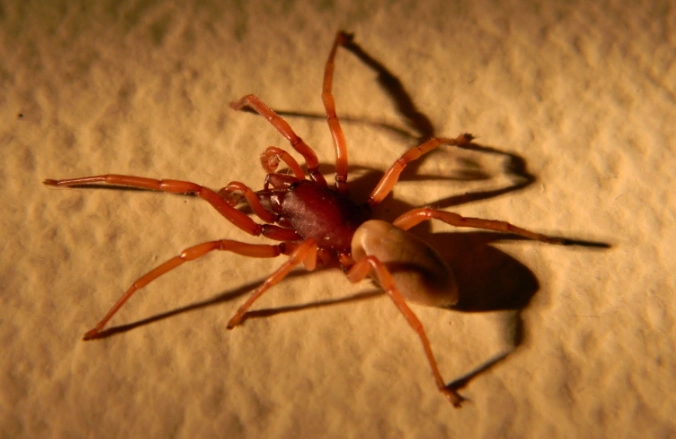
I've been there. I remember one late summer evening, finding a strikingly red-hued spider perched in the corner of my garage door. My first instinct was to grab the nearest shoe (admit it, you've thought about it too). But I stopped myself. Instead, I grabbed my phone and a glass jar, and that moment of curiosity started a whole journey. Turns out, it was a perfectly harmless, albeit grumpy-looking, woodlouse spider. No threat at all.
That experience taught me something crucial: fear usually comes from the unknown.
Most reddish looking spiders you'll encounter in and around your home are not out to get you. In fact, many are incredibly beneficial, acting as natural pest control. But I get it. You don't want to play a guessing game with your family's safety. You want clear, straightforward answers. Is it venomous? Should I relocate it or call an exterminator? How can I tell what it is?
This guide is here to cut through the noise and the scary internet myths. We're going to walk through the most common reddish brown spiders step-by-step. We'll look at how to identify them, understand their behavior, and know exactly what to do (and what not to do) when you find one. We'll talk about venom, bites, and prevention without the hysterics. My goal is to give you the knowledge so you can replace that initial jolt of fear with understanding, or at least, a solid plan of action.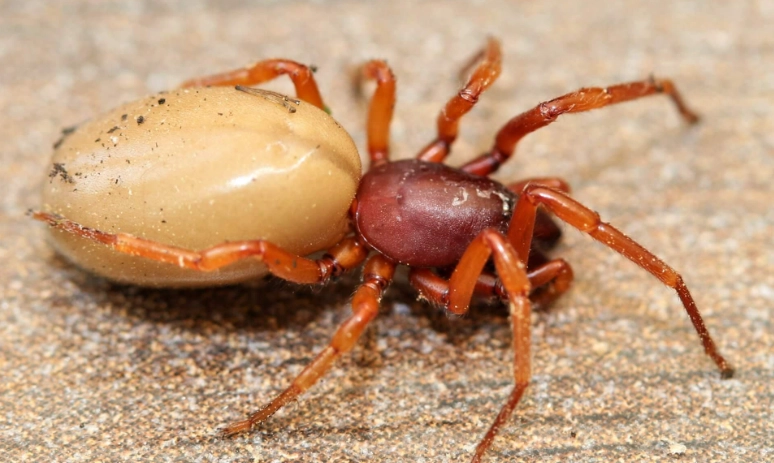
Key Takeaway Right Off the Bat: The vast majority of spiders, including reddish colored ones, are shy, reclusive, and would much rather run away than confront a giant human. A spider's primary goal is to catch insects, not bother people. Panic is rarely necessary.
The Usual Suspects: Common Reddish Looking Spiders You Might Meet
Not all red spiders are created equal. The color can range from a faint rusty tinge to a vivid, almost alarming scarlet. The body shape, leg length, and web (or lack thereof) are your real clues. Here’s a breakdown of the characters you're most likely to encounter in North America and many other regions.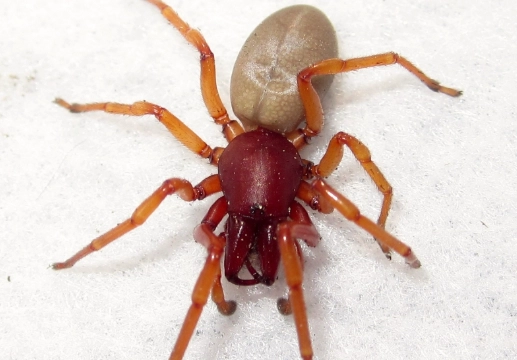
The Famous (And Often Misidentified) Red House Spider
You've probably heard this name thrown around. Scientifically, we're often talking about Nesticodes rufipes, the true "red house spider." This little guy is a globetrotter, found in warm climates worldwide. It's small, maybe the size of a pea with its legs tucked in. The females have a very noticeable, almost velvety, rounded red abdomen. The males are smaller and less vibrant.
They love human structures. Think ceiling corners, window frames, behind furniture. They build messy, tangled cobwebs that look disorganized. I find their webs in my shed every year without fail.
Here’s the important part: their venom is not considered medically significant to humans. A bite might cause a minor, localized reaction—a bit of redness, slight itching or swelling—comparable to a mosquito bite. They are not aggressive. The real problem with a reddish looking spider like this is the unsightly webs, not any danger.
The Woodlouse Hunter (Dysdera crocata)
This is the one I found in my garage. It's a spider that often causes alarm because of its appearance. It has a distinctive reddish-orange or dark red front section (cephalothorax) and a pale, beige or greyish abdomen. Its jaws (chelicerae) are large and prominent, which makes it look fierce.
And those jaws have a specific purpose.
This spider is a specialist. Its Latin name, crocata, even refers to saffron, hinting at its color. It hunts pill bugs and sow bugs (woodlice) almost exclusively, using those big jaws to pierce their tough shells. It doesn't build webs to catch prey; it's a nocturnal hunter. You'll find it under logs, stones, flower pots, and sometimes in basements where its favorite food hangs out.
Despite the intimidating look, it's another harmless-to-humans species. It can bite if provoked and handled roughly, and the bite can be a bit painful due to the size of the fangs, but it doesn't inject venom that causes systemic issues in people. It's actually a great garden ally if you have issues with roly-polies.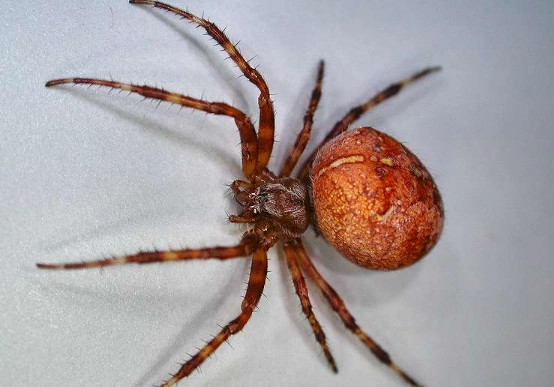
The Red Widow and Other "Hot" Red Spiders
This is where some caution is warranted, but also perspective. When people worry about a dangerously venomous reddish looking spider, they're often thinking of widows.
- Red Widow (Latrodectus bishopi): This is a rare spider found primarily in sandy, scrub-pine areas of central and southern Florida. The female has a brilliant red-orange cephalothorax and legs, with a black abdomen usually marked with red spots and yellow-bordered bars. Its venom is neurotoxic, similar to its black and brown widow cousins. Encounters are extremely rare for most people. The University of Florida's Entomology Department has excellent documentation on this species if you're in its range.
- Redback Spider (Latrodectus hasselti): An Australian cousin, not native to the Americas. It's black with a very definite red stripe on its abdomen. It's mentioned here because people travel and sometimes spiders hitch rides. Its venom is potent and requires medical attention.
- False Widows (Steatoda spp.): Some species, like the noble false widow, can have reddish markings. They are often mistaken for true widows but have a different, less potent venom. A bite can be painful and cause localized symptoms, but it's not considered as serious.
A Crucial Point on Widows: While their venom is potent, widow spiders are famously reluctant to bite. They only do so in defense, usually when pressed against bare skin. Fatalities from widow bites are exceptionally rare in the modern era with access to healthcare and antivenom. The risk is real but statistically very low.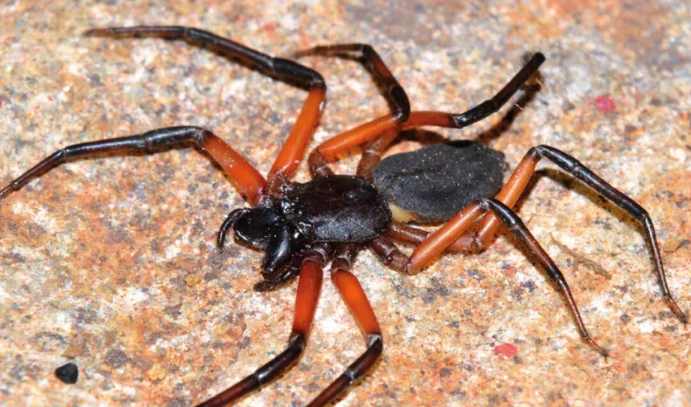
The Common (and Often Overlooked) Reddish Orb-Weavers
This is a huge family of spiders (Araneidae) where you'll find many species with reddish hues. Think of the classic, circular "Charlotte's Web" builders. The Araneus and Neoscona genera have many members that are varying shades of brown, orange, and red. They are outdoor spiders, building their beautiful webs in gardens, between trees, and on porches.
They are large, often strikingly patterned, and completely harmless. Their venom is ineffective on humans. I love finding them in my garden—they're fantastic at catching moths and flies. If you see a large, intricate web with a big, chunky, reddish brown spider sitting in the center, it's almost certainly a harmless orb-weaver.
Your At-a-Glance Identification & Safety Table
Let's put this into a quick-reference format. This table compares key features of the main reddish looking spider contenders. Remember, location and context are huge parts of the ID puzzle.
| Spider Name | Primary Color/ Markings | Typical Size (Body) | Habitat & Web | Venom Risk to Humans | Key Identifier |
|---|---|---|---|---|---|
| Red House Spider | Velvety red abdomen (female), darker red overall | ~5-8 mm | Indoors; messy, tangled cobwebs in corners | Very low. Minor local reaction. | Small, round red abdomen indoors. |
| Woodlouse Hunter | Red-orange head/thorax, pale abdomen | ~9-15 mm | Under debris, basements; no web for catching prey. | Low. Pinching bite possible, no medical concern. | Large, forward-pointing jaws (chelicerae). |
| Red Widow | Bright red-orange head/legs, black abdomen with red/yellow. | ~8-10 mm | Rare. Florida scrublands; irregular, strong web. | High. Neurotoxic venom. Seek medical care if bitten. | Red head+legs with patterned black abdomen. FL only. |
| Orb-Weaver (various) | Shades of red, brown, orange; often patterned. | 10-25 mm | Gardens, forests, porches; large, circular orb webs. | None. Harmless. | Large size, builds classic circular webs outdoors. |
| Jumping Spider (some) | Some species have red markings or iridescence. | ~5-10 mm | Plants, windowsills, walls; no web (uses silk as safety line). | None. Harmless and curious. | Compact, fuzzy body. Moves in quick jumps. Observes you. |
See? Context is everything.
Beyond Color: The Real Clues for Identifying a Reddish Brown Spider
Focusing only on the "reddish looking" part is like identifying a car only by its color. You need to look at the model, the shape, the details. Here’s what to actually pay attention to the next time you have a standoff with an eight-legged roommate.
- Body Shape & Posture: Is it round and globular (like an orb-weaver or house spider), or elongated and low to the ground (like a woodlouse hunter)? Does it sit in the center of a web or hide in a crack?
- Web Architecture: This is a huge giveaway. A messy, fuzzy cobweb in a corner suggests one family (Theridiidae, which includes widows and house spiders). A beautiful, symmetrical, circular web screams orb-weaver. No web at all? Could be a hunter like the woodlouse spider or a jumping spider.
- Leg Length & Proportions: Are the legs long and spindly relative to the body, or shorter and sturdier? Orb-weavers often have robust legs, while cellar spiders have extremely long, thin ones.
- Location, Location, Location: Are you in Florida? Then the red widow is a remote possibility. Are you in your basement in New York? It's almost certainly not a red widow. Geography dramatically narrows the list.
- Behavior: Does it run away lightning-fast? Does it drop on a silk line? Does it just sit there? Jumping spiders are famously curious and will turn to look at you.
My advice? Take a photo from a safe distance. Use your phone's zoom. Get a shot from above and, if safe, from the side. Then, you can use resources like iNaturalist or even specific Facebook entomology groups where experts can help. The BugGuide network, hosted by Iowa State University's Department of Entomology, is an incredible, peer-reviewed resource for North American arthropods.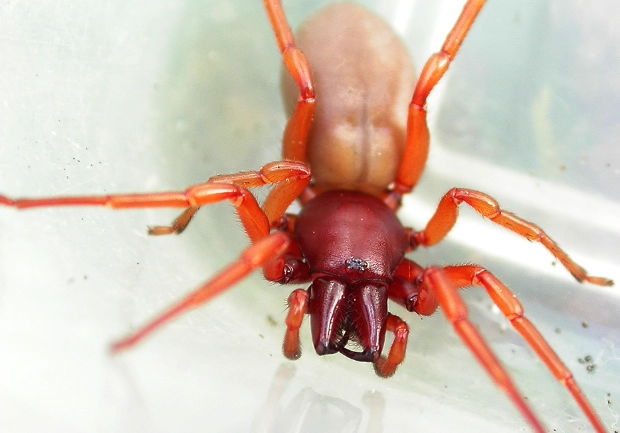
The Venom Question: What Happens If a Reddish Spider Bites Me?
This is the heart of the fear, right? Let's demystify it. First, remember the golden rule: Spider bites are vastly over-diagnosed. Most skin lesions blamed on spiders are actually bites from other insects (fleas, bed bugs), or skin infections, allergies, or other conditions. A spider bite, where the spider was seen actually biting, is relatively uncommon.
Spider venoms generally fall into two categories:
- Neurotoxic Venoms: These affect the nervous system. Widows (including the red widow) have this type. Symptoms can include intense pain at the bite site that spreads, muscle cramps and rigidity (often in the abdomen or back), nausea, sweating, and headache. The bite itself might show as two small puncture marks.
- Necrotic Venoms: These cause damage to the tissue around the bite. The brown recluse is the famous (and often mis-blamed) example in the US. Important: No common reddish looking spider in North America is known to cause necrotic lesions. Don't assume a sore is a "spider bite" without evidence.
For the vast majority of reddish spiders—house spiders, woodlouse hunters, orb-weavers—a bite would be a defensive last resort and would result in nothing more than a brief, localized pinch, maybe a little redness or swelling that goes away in hours, similar to a bee sting for those without allergies.
The Centers for Disease Control and Prevention (CDC) provides clear, level-headed guidance on spider bites and when to worry. It's worth a look to calibrate your concern.
Living With (or Gently Relocating) Reddish Looking Spiders
You've identified it. It's not dangerous. But you still don't want it in your living room. That's perfectly fair. Here’s a humane and effective playbook.
The Cup-and-Card Method: This is the gold standard. Take a clear glass or plastic cup and a stiff piece of paper or card. Slowly place the cup over the spider. Gently slide the card between the cup mouth and the wall/floor, trapping the spider inside. Carry it outside, preferably to a sheltered spot like a bush or woodpile, and release it. It's simple, effective, and avoids squishing or direct contact.
Deterrence Over Destruction: Spiders come inside looking for two things: prey and shelter. Reduce their food source, and they lose interest.
- Use window screens and seal cracks around doors, windows, and foundations.
- Reduce clutter like piles of clothes, boxes, or newspapers in basements and garages.
- Keep exterior lights off at night or use yellow bug lights that attract fewer insects, which in turn attract fewer spiders.
- Regular vacuuming and dusting, especially in corners and behind furniture, removes webs, egg sacs, and the spiders themselves.
I'm not a fan of broad-spectrum pesticide sprays for spiders. They are often overkill, can be harmful to pets and kids, and kill beneficial insects. They also leave residues that spiders simply avoid, pushing them to other parts of the house. Targeted, integrated approaches work better.
Frequently Asked Questions (The Stuff You're Actually Searching For)
Are all reddish looking spiders venomous?
All spiders (with very rare exceptions) have venom to subdue their prey. The critical question is: Is it medically significant to humans? For the overwhelming majority of reddish spiders you'll find, the answer is no. Their venom is formulated for insects, not people. Only a tiny handful, like the red widow, have venom that requires medical attention.
What is the most common red house spider?
In warm climates worldwide, it's Nesticodes rufipes, the true red house spider. In other areas, people often use "red house spider" to describe any number of common reddish brown spiders found indoors, which could be a male black widow, a funnel-weaver, or others. Proper ID matters.
I found a spider with a red body and black legs. What is it?
This description is tricky because it's common. It could be a male black widow (which often has red markings and is harmless), a red widow (if in Florida), or a completely unrelated species like a jumping spider with those colors. The habitat and body shape are your next clues.
Should I kill a reddish spider in my house?
From an ecological and practical standpoint, I don't recommend it. That spider is eating other pests—mosquitoes, flies, clothes moths, even other spiders. Killing it creates a vacancy that another spider might fill. Relocation is a kinder and often more effective long-term strategy unless you're dealing with a verified dangerous species in a high-risk area (like a widow near a child's play area).
How can I tell a red widow from a harmless red spider?
First, check your location. If you're not in central/southern Florida, it's almost impossible for it to be a red widow. Second, look for the color pattern: bright red-orange front half (cephalothorax and legs) combined with a shiny black abdomen that has red spots and/or yellow-bordered markings. No other common reddish looking spider has this exact combination. When in doubt, don't handle it, take a photo, and seek an expert opinion online using the resources mentioned earlier.
Final Thoughts: From Fear to Fascination
I know that for some people, the idea of ever being "fascinated" by a spider is a bridge too far. That's okay. The goal here isn't to make you love them, but to replace the cold grip of fear with the warm light of knowledge.
That reddish looking spider in your home isn't a monster. It's just an animal, mostly blind to your existence, going about its business of surviving. It's an ancient, intricate piece of the ecosystem that wandered into your space by accident. Now you have the tools to figure out who it is, assess any real risk, and decide on a calm, rational course of action.
You can vacuum it up. You can escort it outside with a cup. Or, maybe, you can just watch it for a moment, appreciate the complexity of its design, and then let it be in an out-of-the-way corner where it can earn its keep. The choice, informed and without panic, is now yours.
And that's a much better feeling than reaching for the shoe.
LEAVE A REPLY
Your email address will not be published. Required fields are marked *