Quick Navigation
- The Core Features: Your Blueprint for Hobo Spider Identification
- Hobo Spider vs. The Look-Alikes: A Side-by-Side Comparison
- Beyond the Bite: The Hobo Spider's Ecological Role
- If You Think You've Been Bitten: Symptoms and Rational Steps
- Common Myths and Misconceptions (Let's Set the Record Straight)
- Frequently Asked Questions (The Stuff You're Really Wondering)
Let's talk about the hobo spider. It's one of those creatures that gets a bad rap, surrounded by a fog of misinformation that's thicker than a spider web in an old barn. If you're searching for how to identify a hobo spider, chances are you've seen something scuttling across your basement floor or found a funnel web in a dark corner, and your mind immediately jumped to the worst-case scenario. I get it. I've been there, flashlight in hand, trying to decide if the eight-legged tenant in my garage is a harmless guest or something that warrants a call to an exterminator.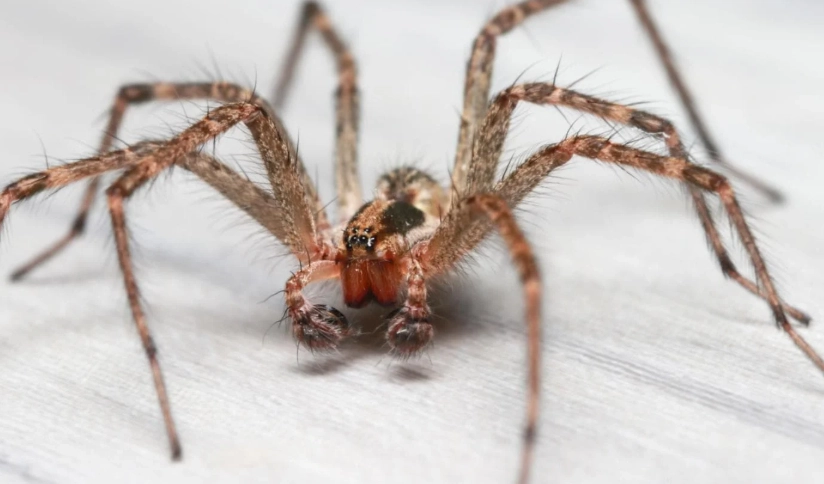
The problem is, the internet is full of conflicting information. Some sources will have you believe every brown spider is a deadly menace, while others dismiss them entirely. The truth, as usual, is somewhere in the middle. This guide is my attempt to cut through the noise. We'll look at the hobo spider (Eratigena agrestis, if you want the scientific name) with a clear eye, focusing on the practical details you actually need to know. We'll cover exactly what to look for, the spiders it's commonly mistaken for, and what you should (and shouldn't) worry about. My goal is to give you the confidence to make an accurate identification, so you can stop worrying and take the right action, if any is even needed.
A Quick Reality Check: Before we dive into the nitty-gritty of spidery details, it's crucial to address the elephant in the room—or rather, the spider in the web. For decades, the hobo spider was listed as a "medically significant" spider in North America, suspected of causing necrotic (tissue-damaging) wounds similar to the brown recluse. However, more recent research has seriously challenged this. Major institutions now suggest its venom is not considered dangerously toxic to humans. The Centers for Disease Control and Prevention (CDC) does not list the hobo spider among spiders of medical concern in the United States. So, while learning to identify a hobo spider is useful for peace of mind and pest control, the immediate health panic is often misplaced. We'll get into the bite details later.
The Core Features: Your Blueprint for Hobo Spider Identification
Identifying any spider takes a combination of clues. You can't rely on just color or size alone. With hobo spiders, you need to become a bit of a detective, looking at a few specific physical traits and behaviors that, when put together, paint a pretty clear picture. If you can get a halfway decent look (a clear photo from your phone can work wonders), run through this checklist.
Key Physical Markings to Look For
First up, the visual ID. Hobo spiders are not the most colorful arachnids on the block. They're generally a medium to large brown spider, with body lengths (the combined head/thorax and abdomen) ranging from about 1/4 to 5/8 of an inch (7-14 mm for the metric-minded). Their legs can make them appear larger. The brown isn't a uniform chocolate bar color; it's often a sort of muted, earthy brown, sometimes with darker, slightly yellowish or olive undertones.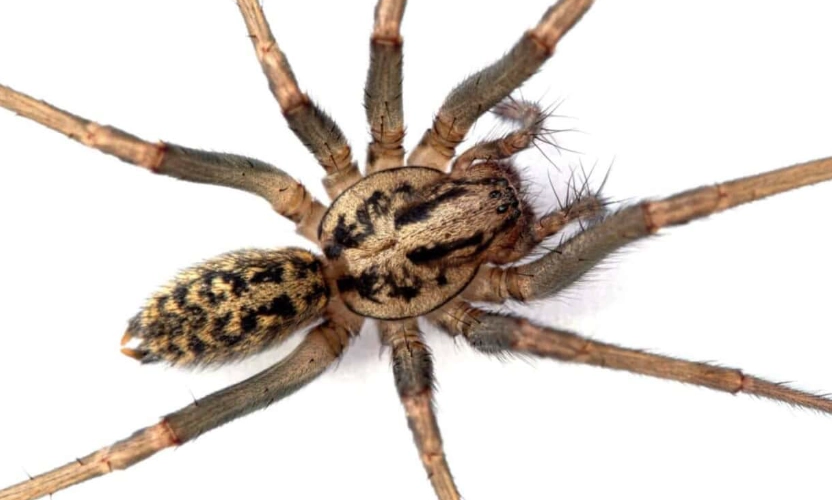
The most reliable visual clue, and the one that really helps you identify hobo spiders with more certainty, is the pattern on their cephalothorax (the front, fused head-and-chest section). Look for a distinct pattern that runs down the center. It often looks like a light-colored, thin stripe or series of chevrons (V-shapes) pointing towards the head. On either side of this central pattern, you should see two darker, somewhat blurry stripes running lengthwise. This trio of markings is a classic hobo spider signature. The abdomen usually has a pattern too, but it's more variable—often a series of chevrons or a herringbone design, but it can be faint or even missing in some individuals. Don't stress too much about the belly pattern if the chest markings are clear.
Another technical but useful feature is the arrangement of their eyes. Like most spiders in their family (Agelenidae, the funnel-weavers), hobo spiders have eight eyes arranged in two horizontal rows of four. This is different from, say, a brown recluse which has six eyes in three pairs. Unless you have a magnifying glass and a very cooperative spider, this can be tough to see, but it's a definitive characteristic for experts.
Pro Tip for Identification: The legs are another good clue. Hobo spider legs are solid-colored—no bold bands, no stripes, no fancy rings. They're typically the same brown color as the body, maybe a shade lighter or darker, but without dramatic patterning. This helps rule out a lot of other common house spiders right away.
The Web: A Telltale Sign
Often, you'll spot the home before you spot the resident. Hobo spiders are not the graceful, symmetrical orb-weavers you see in gardens. They're builders of funnel webs.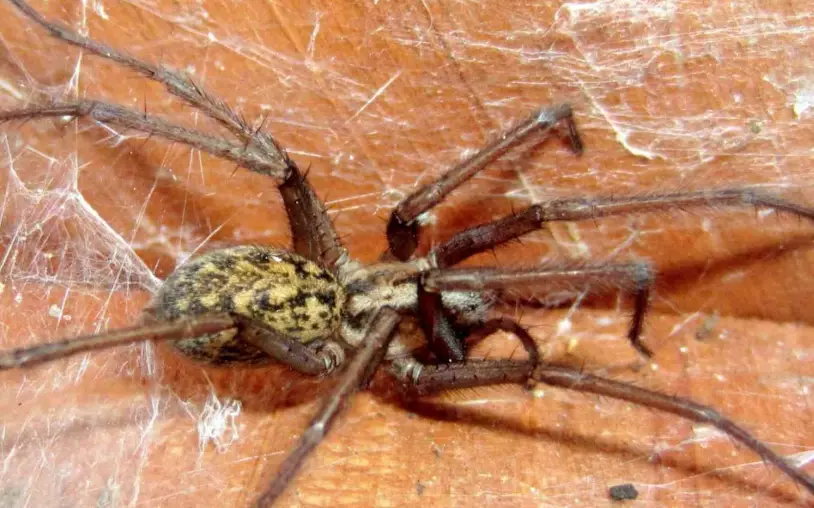
Imagine a flat, sheet-like, non-sticky web of messy silk, often built in a corner, along a baseboard, between boxes, or in tall grass and woodpiles outdoors. At one edge of this sheet, the spider constructs a funnel or tube-shaped retreat where it hides and waits. This funnel is its bedroom and dining room combined. When a bug stumbles onto the sheet-like part, the spider feels the vibrations, rushes out from its funnel, subdues the prey, and often drags it back into the tunnel to eat in peace.
Finding this type of web—a non-sticky, horizontal sheet with a distinct funnel or tube at one end—is a massive clue that you're dealing with a funnel-weaver spider. In many parts of the Pacific Northwest and Intermountain West, the prime suspect for a large funnel web in or around a structure is the hobo spider.
The web is a dead giveaway. No funnel? Probably not a hobo.
Behavior and Habitat Clues
Where you find it matters. Hobo spiders are synanthropic, which is a fancy word for "they like to live near humans." They thrive in disturbed habitats. Think of the spaces we create: basements, crawl spaces, window wells, garages, sheds, and the perimeter of houses with lots of landscaping, rocks, or woodpiles. They're far more common outdoors than indoors, but they will wander inside, especially in the fall when males are out looking for mates.
As for temperament, they're not aggressive toward humans. Not even a little bit. They are, however, poor climbers on smooth surfaces. You'll rarely find one on your ceiling or high up on a wall. They tend to stay low to the ground. If you startle one, its instinct is to run back to its funnel or, if that's not possible, to run away quickly. They don't typically "stand their ground" or show threat postures. If you're trying to identify a hobo spider and it's sitting boldly in the open on a vertical wall, it's probably something else.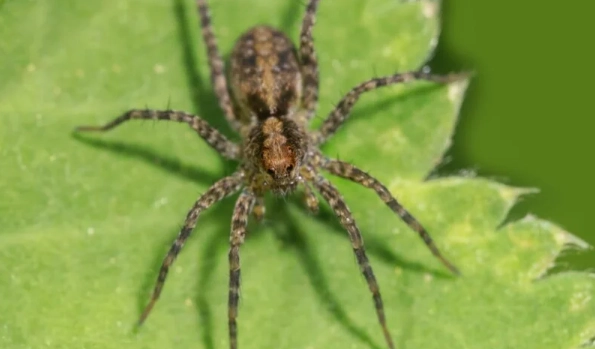
Hobo Spider vs. The Look-Alikes: A Side-by-Side Comparison
This is where most people get tripped up. So many brown spiders look vaguely similar at a glance. Mistaking a harmless common house spider for a hobo spider can lead to unnecessary stress and pesticides. Conversely, misidentifying something more significant is also a problem. Let's clear this up with a straightforward comparison. The table below is your cheat sheet.
| Feature | Hobo Spider (Eratigena agrestis) | Giant House Spider (Eratigena atrica) | Wolf Spider (Family Lycosidae) | Brown Recluse (Loxosceles reclusa) |
|---|---|---|---|---|
| Primary Marking | Light stripe/chevrons down center of cephalothorax with two darker stripes on sides. Solid-colored legs. | Similar to hobo, but often with lighter, more distinct stripes. Can be larger and darker. Legs may have faint bands. | Often has a bold, eye-catching pattern on the back (carapace) like a lyre or stripes. Stout, robust body. | Dark, violin-shaped mark on cephalothorax, with the "neck" pointing toward abdomen. Six eyes in three pairs. |
| Web | Flat, sheet-like funnel web in corners or ground-level crevices. | Similar messy, funnel-shaped sheet web, often in undisturbed indoor areas. | No web for catching prey. Roams freely. May have a burrow or silk retreat. | Irregular, off-white, sticky web often in secluded, undisturbed areas (boxes, closets, attics). |
| Behavior & Habitat | Poor climber on smooth surfaces. Stays low. Runs quickly to funnel. Common in basements, woodpiles. | Excellent climber, can be found on walls and ceilings. Also fast. Very common in houses in Pacific NW. | Fast, ground-running hunter. Often seen at night. May carry egg sac or spiderlings on back. | Secretive, reclusive. Hides in dark, dry places. Not a wanderer. Range is limited (central/southern US). |
| Leg Color/Pattern | Solid-colored, no distinct bands or rings. | Often darker with faint bands or annulations, especially on the joints. | Often banded or patterned, matching the body. | Long, slender, solid-colored (like the body). |
| Key Differentiator | Combination of funnel web, solid legs, and cephalothorax stripes. Poor climber. | Very similar, often larger, better climber. Distinguishing them often requires microscopic examination. | Bold body pattern, no web, hunting behavior. Often "furry" looking. | The violin mark and six eyes. Geographic location is critical. |
See the difference? The giant house spider is the hobo spider's closest doppelgänger and a common source of misidentification. They're in the same genus, and even experts sometimes need a microscope to tell them apart for sure. The good news? Their behavior and the potential risk to humans are considered very similar—both are now largely considered nuisance pests rather than medical threats in North America.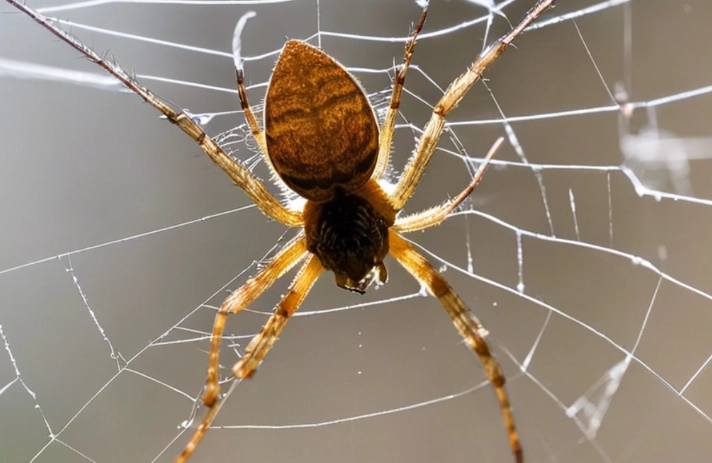
Geographic Range is Everything: You cannot identify a hobo spider without considering location. The established range of the hobo spider is primarily the Pacific Northwest of the United States (Washington, Oregon, Idaho, parts of Montana and Wyoming) and into parts of Utah and Colorado. It's also found in parts of western Canada and was introduced to Europe. If you are in the southeastern US, California, or the Northeast, the spider you're looking at is almost certainly not a hobo spider. The Utah State University Extension has excellent maps and local details. A brown recluse, on the other hand, has a very specific and limited range (think central US, not the coasts). Mistaking a common house spider for a brown recluse outside its range is an incredibly common error, often fueled by fear.
Beyond the Bite: The Hobo Spider's Ecological Role
Let's step back for a second. Once you successfully identify a hobo spider, what then? Our first instinct is often "how do I kill it?" But I think it helps to understand what role it plays. These spiders aren't out to get you. They're actually beneficial predators in your garden and even in your basement. Their diet consists of insects and other arthropods we typically consider pests: cockroaches, earwigs, flies, beetles, and other spiders. They're a part of the natural (and sometimes domestic) pest control squad.
Their funnel-web strategy is an energy-efficient way to hunt. They don't waste energy roaming; they let dinner come to them. This makes them successful survivors. Knowing this doesn't mean you have to welcome them into your bed, but it might make you think twice before spraying every corner of the garage. Maybe relocation is an option if it's a single intruder. Just a thought.
If You Think You've Been Bitten: Symptoms and Rational Steps
Okay, let's address the big fear head-on. You've woken up with a red mark, maybe a bit sore or itchy. Could it be a hobo spider bite? The honest answer is: it's very hard to say, and it's statistically unlikely. The vast majority of skin lesions blamed on spider bites are actually caused by something else—bacterial infections (like MRSA), bites from other insects (fleas, bed bugs), or even allergic reactions.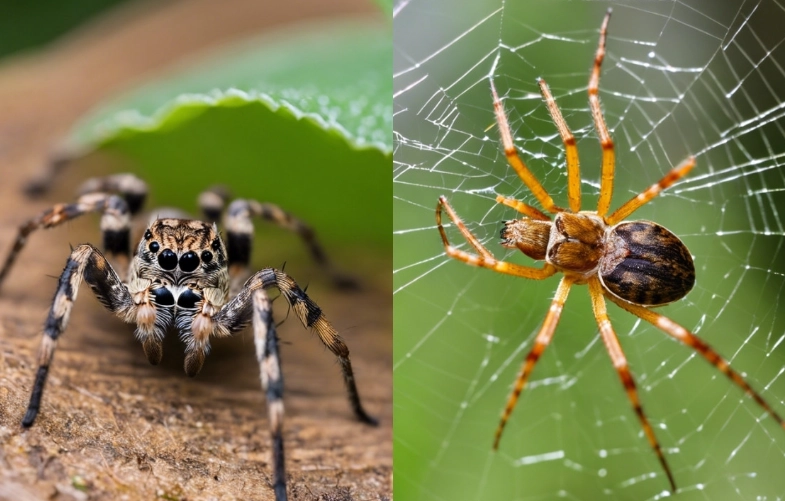
True spider bites are rare because spiders have no reason to bite humans. We are not prey, and we are far too large to be considered a threat. Bites usually only occur through accidental compression, like when a spider gets trapped in clothing or bedding.
Reported Symptoms (With a Grain of Salt)
Based on older medical literature and anecdotal reports (which are now heavily questioned), a suspected hobo spider bite was described as having certain characteristics. It's important you know these historical reports, but take them with a massive grain of salt given the current scientific reassessment.
- Initial Sensation: Often painless at first, or a mild prickling sensation.
- Early Symptoms (Within 30 minutes to a few hours): The area may become red and swollen. A blister can form at the bite site within 15-35 hours.
- Potential Progression (Reported in some cases): The blister may break open, leaving an open ulcer or crater. The surrounding tissue can become hard and swollen. Headache, nausea, and general fatigue were also sometimes reported.
- Healing: Reported healing times varied from weeks to months, sometimes with potential scarring.
Again, I can't stress this enough: modern science questions if hobo spiders cause these effects at all.
What You Should Actually Do
If you have a concerning skin lesion, don't jump to "spider bite." Do this instead:
- Clean the Area: Wash it thoroughly with soap and warm water. This prevents bacterial infection, which is the most common real complication.
- Apply Basic First Aid: Use a cold compress to reduce swelling. You can take an over-the-counter antihistamine for itching or a pain reliever like ibuprofen for discomfort.
- Monitor Closely: Watch for signs of a bacterial infection, which are far more likely and dangerous than any spider venom. These signs include: increasing redness, warmth, swelling, pus, red streaks radiating from the wound, or fever.
- See a Doctor If: The symptoms rapidly worsen, you see signs of infection, you have a severe allergic reaction (difficulty breathing, swelling of the face/throat), or you are genuinely concerned. Tell your doctor you have a skin lesion of unknown origin. If you actually saw a spider bite you and managed to catch or kill it, bring the spider in a container. A visual identification by the doctor or an entomologist is the only way to be sure.
The CDC's guidelines on spiders are a sober, authoritative resource that can help quell panic and guide rational action.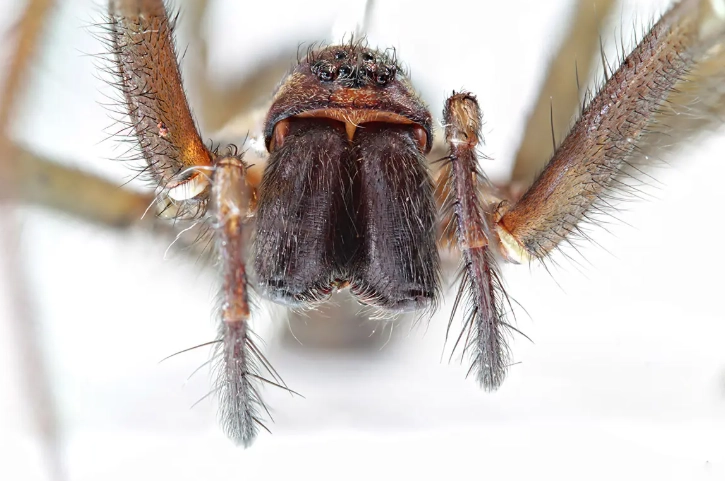
Common Myths and Misconceptions (Let's Set the Record Straight)
There's so much folklore around spiders. Let's bust a few myths specific to the hobo spider.
Myth 1: Hobo spiders are aggressive and will chase you. Nonsense. They are timid and will run away. The idea of an "aggressive" spider is almost always a misunderstanding of its escape behavior—it might run towards a hiding spot that, unfortunately, is in your direction.
Myth 2: A hobo spider bite will definitely cause a rotting wound. This is the big one. As discussed, the evidence for hobo spiders causing necrotic wounds in humans is weak and disputed. Many experts now believe previous cases were misattributed. The Public Health Entomology lab at Purdue University clearly states that the hobo spider's threat to humans is minimal and that diagnoses of their bites are "highly questionable."
Myth 3: You can identify a hobo spider by how fast it runs. While they are quick, so are many other spiders (like wolf spiders and giant house spiders). Speed alone is useless for identification.
Myth 4: All funnel-webs are dangerous. The infamous Australian funnel-web spiders are a completely different family (Atracidae) with vastly more potent venom. Our North American funnel-weavers (Agelenidae, including the hobo) are not closely related and are not in the same danger category. The web structure is similar, but the spiders are worlds apart in terms of risk.
Look, at the end of the day, learning to identify a hobo spider is about replacing fear with knowledge. It's about looking at a creature that shares your space and understanding it, rather than just squashing it or worrying unnecessarily. They're fascinating animals with a particular job in the ecosystem. Now you have the tools to spot their key features, tell them apart from their look-alikes, and make informed decisions about how to coexist—or gently encourage them to move along. Stay curious, and try not to startle the next one you see.
LEAVE A REPLY
Your email address will not be published. Required fields are marked *