Quick Navigation
Let's be real for a second. You see a spider scurrying across the basement floor, and your mind immediately jumps to the worst. Is it a brown recluse? Those things have a nasty reputation. Or is it just a wolf spider, which looks intimidating but is mostly harmless? The panic is real, and I get it. I've been there, flashlight in hand, trying to count a spider's eyes from a distance that felt way too close for comfort.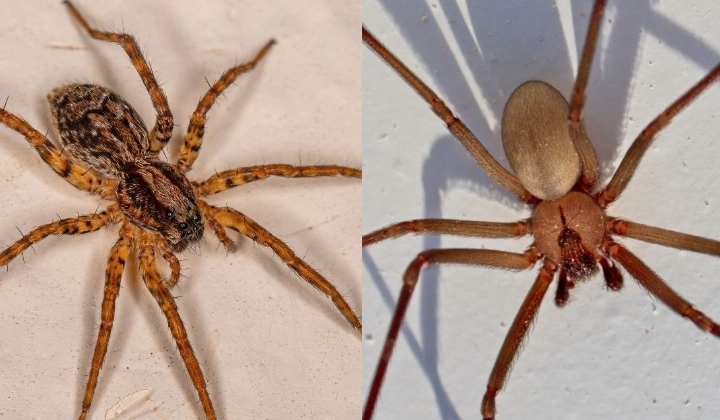
This confusion is incredibly common, and for good reason. From a quick glance, a big, hairy wolf spider and a brown recluse can seem similar if you don't know what to look for. But the difference between a wolf spider and a brown recluse is monumental when it comes to your peace of mind and, more importantly, your safety. One is a helpful pest controller that wants nothing to do with you. The other is a shy but potentially medically significant spider whose bite you genuinely want to avoid.
My goal here isn't to scare you but to empower you. By the end of this guide, you'll be able to confidently identify which spider you're dealing with. We'll strip away the myths and get down to the concrete, visual facts. We'll look at their looks, their habits, where they like to hang out, and what actually happens if you *do* get bitten. I'll even throw in some personal anecdotes about my own encounters that made me learn this stuff the hard way.
The Ultimate Side-by-Side Comparison: Appearance
This is where most identifications succeed or fail. You can't just go by "it's brown." You need a checklist. I find a table is the easiest way to see the difference between a wolf spider and a brown recluse at a glance. Print this out if you have to.
| Feature | Wolf Spider | Brown Recluse Spider |
|---|---|---|
| Size (Body Length) | Generally larger. 10 to 35 mm (0.4 to 1.4 inches). Can look huge with legs. | Smaller. 6 to 20 mm (0.24 to 0.79 inches). About the size of a U.S. quarter *including* legs. |
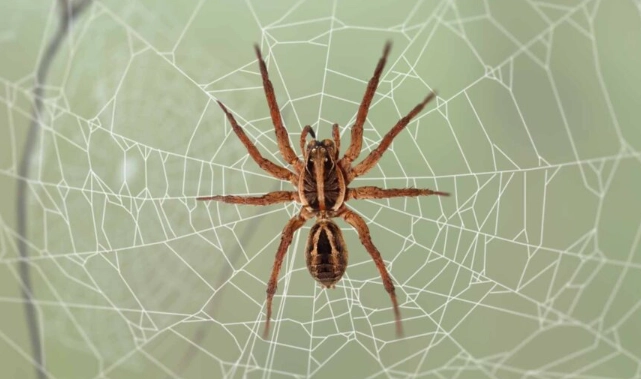
| Color | Usually a mix of brown, gray, and black with streaky or mottled patterns that provide camouflage. Think of forest floor colors. | Uniform tan to dark brown. The abdomen and cephalothorax (head/body) are a consistent color. |
| The Tell-Tale Mark | NO distinct violin-shaped marking. Has varied patterns, but never a clear, dark violin. | YES. The infamous "violin" or "fiddle." It's a dark, violin-shaped marking on the cephalothorax, with the "neck" of the violin pointing toward the abdomen. This is their most famous identifier. |
| Eye Arrangement | Has 8 eyes arranged in 3 rows: 4 small eyes on bottom, 2 large eyes in the middle, 2 medium eyes on top. You need a magnifier, but those two big central eyes are distinctive. | Has 6 eyes arranged in 3 pairs (dyads). One pair in the center, one pair on the left, one pair on the right. This is a gold-standard identifier but hard to see without magnification. |
| Legs & Body Hair | Stocky, robust legs. Body and legs are noticeably hairy or furry, which helps with sensing vibrations. | Slender, smooth legs. The body appears sleek and mostly hairless to the naked eye. |
| Web | Does not build webs to catch prey. May create a small silk retreat or burrow. | Builds irregular, off-white, sticky, "cobwebby" or sheet-like webs in undisturbed areas for shelter and to catch prey. |
See? It's all in the specifics. The violin mark on the brown recluse is its signature, but you have to look closely. Sometimes dirt or lighting can make it tricky. That's where the other features come in. The eye thing is a clincher for experts, but let's be honest, most of us aren't getting that close with a jeweler's loupe.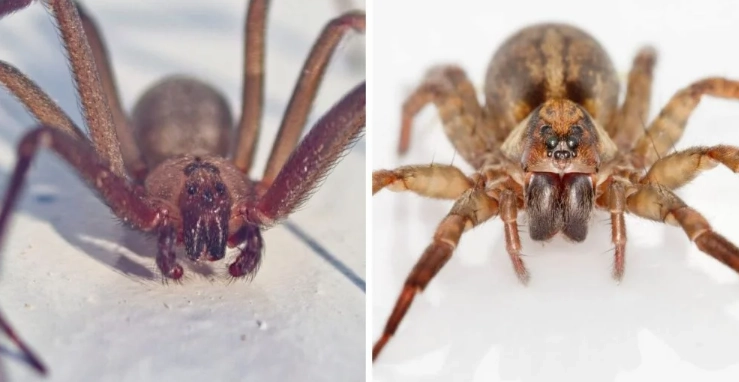
A quick tip: If it's big, hairy, and fast, think wolf spider. If it's medium-brown, sleek, and has that dark violin shape on its back, stop and take a much closer picture (from a safe distance).
Behavior and Temperament: How They Act
How a spider behaves can be a huge clue before you even get a good look at its back. Their personalities, so to speak, are completely different.
Wolf Spider Behavior: The Rugged Outdoor Hunter
Wolf spiders are the jocks of the spider world. They're athletic, visual hunters. They don't sit and wait in a web; they actively run down their prey (insects) like tiny wolves—hence the name. This is why you'll often see them moving quickly on the ground.
- Speed: Fast. Blink and they're under the couch.
- Aggression: Not aggressive toward humans. They'd much, much rather flee. If cornered and provoked, they might bite in self-defense, but it's a last resort.
- Vision: They have excellent eyesight for a spider (thanks to those big central eyes), which they use for hunting.
- Carrying Eggs/Babies: A unique and fascinating trait. The female carries her egg sac attached to her spinnerets. After the spiderlings hatch, they climb onto her back and ride around for a week or more. If you see a spider with a big white ball attached to its rear or a back covered in tiny spiders, it's 100% a wolf spider. This is a dead giveaway and one of the coolest things in nature.
Brown Recluse Behavior: The Shy, Secretive Lurker
Brown recluses live up to their "recluse" name. They are timid, secretive, and avoid contact. Their primary goal is to stay hidden.
- Speed: They can move quickly when disturbed, but they are not the sprinters wolf spiders are.
- Aggression: Not aggressive. They are "defensive biters." Almost all bites occur when the spider is accidentally pressed against human skin—when putting on clothes that were stored in a box, rolling over on one in bed, or reaching into a dark storage area. They don't hunt you.
- Vision: Poor eyesight. They rely on vibrations to sense their world.
- Web Dwellers: They build those irregular, messy webs in quiet, dry, undisturbed places. You won't see them out in the middle of a room during the day.
Where You'll Find Them: Habitat and Range
Knowing where each spider is likely to be can narrow things down immediately. This is a huge part of the difference between wolf spider and brown recluse puzzle.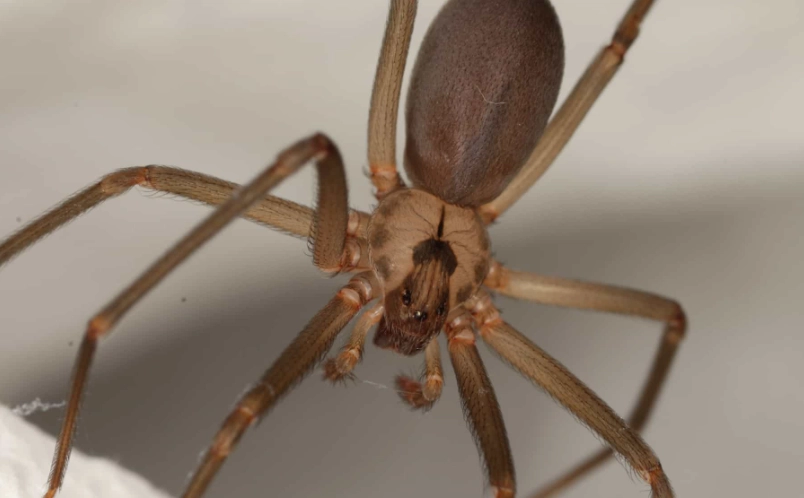
Wolf Spider Habitat
Wolf spiders are primarily outdoor spiders. They love open areas where they can hunt.
- Outdoors: Under stones, logs, in leaf litter, in gardens, around doorways with exterior lighting (which attracts their insect prey).
- Indoors: They usually wander inside by accident, often in fall when temperatures drop. They don't intend to set up a home inside. You'll find them on the floor, in basements, or garages—places close to the ground where they can continue their hunting lifestyle. They don't typically infest homes.
- Range: Found throughout the entire United States and in many parts of the world.
Brown Recluse Habitat
Brown recluses are synanthropic, meaning they thrive in human-altered environments. They seek clutter and seclusion.
- Indoors (Primary): They actively live and breed indoors. They prefer warm, dry, dark, and undisturbed areas. Think: cardboard boxes in attics or basements, behind furniture, in storage closets, inside shoes or boots, in seldom-used bedding, behind pictures on walls, in the folds of curtains.
- Outdoors: In their native range, they can be found under rocks or bark, but they excel at living in our stuff.
- Range (CRITICAL): This is the most important filter. Brown recluses have a limited native range. They are primarily found in the south-central United States. States like Missouri, Kansas, Arkansas, Oklahoma, Texas, Louisiana, Mississippi, Alabama, Georgia, and parts of Tennessee, Kentucky, Illinois, Indiana, and Ohio are considered core areas. If you live in New York, California, Florida (outside the panhandle), Washington, or most of New England, the chance of finding a native brown recluse in your home is virtually zero. Misidentifications in these areas are rampant. The CDC notes their specific geographical range, and universities in non-endemic states, like the University of Minnesota, often have resources debunking local sightings.
I learned the range lesson myself. A friend in Seattle was convinced they had a brown recluse infestation. After a lot of panic, it turned out to be a dozen aggressive house spiders. Knowing the range would have saved them weeks of worry.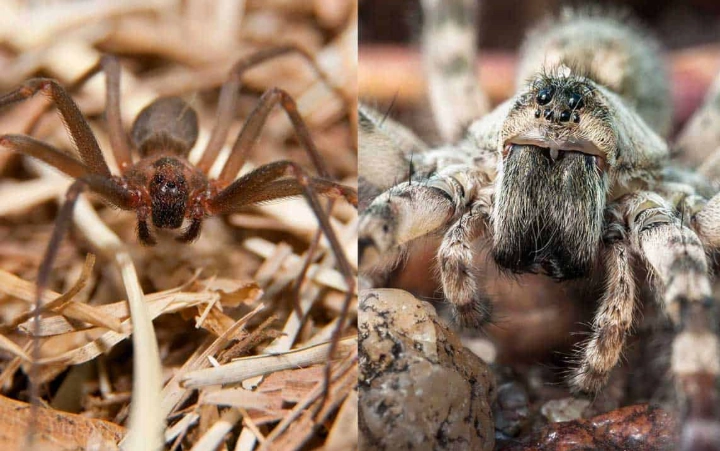
The Bite: Symptoms, Danger, and What to Actually Do
This is why everyone is so anxious to tell them apart. The potential consequences of a bite are the heart of the matter.
Wolf Spider Bite
Let's calm some nerves first. Wolf spider bites are not considered medically significant.
- Immediate Feel: It might feel like a bee sting or a sharp pinch.
- Symptoms: Localized pain, redness, swelling, and itching around the bite site. These symptoms are usually mild to moderate.
- Danger Level: Very low. Their venom is not dangerous to humans. The main risks are secondary bacterial infection from scratching (like any small wound) or, very rarely, an allergic reaction in sensitive individuals.
- Treatment: Wash the area with soap and water. Apply a cold pack to reduce swelling. Use an over-the-counter antihistamine for itching or a pain reliever if needed. Keep it clean. Watch for signs of infection (increasing redness, pus, fever).
Brown Recluse Bite
This is the one that demands respect. It's important to be informed without spiraling into fear.
- Initial Feel: Often painless at first, or feels like a mild sting. You might not even know you were bitten.
- Symptoms (Evolution): This is the key. Symptoms usually develop over several hours.
- Mild stinging or redness (2-8 hours later).
- The area may become painful, itchy, and develop a red ring or blister.
- In some cases (but not all!), over the next 1-3 days, the venom can cause localized tissue damage (necrosis). This is where the skin and fat tissue break down, potentially forming an ulcer or a sunken, dark lesion. This does not happen with every bite. Most bites remain mild and heal without major issue.
- Systemic symptoms like fever, chills, nausea, or muscle aches are possible but less common.
- Danger Level: Medically significant. While deaths are extraordinarily rare (and usually involve secondary complications in the very young or old), the tissue damage can be severe and slow to heal, sometimes requiring medical intervention.
- Treatment (WHAT TO DO):
- Stay calm. Panic doesn't help.
- Clean the bite with soap and water.
- Apply a cool compress to reduce pain and swelling.
- Elevate the limb if possible.
- Seek medical attention, especially if you are in the recluse's range and suspect the bite. If you can safely capture the spider (in a jar) for identification, do so, but don't risk another bite. A picture from a safe distance is also great.
- Do NOT apply ice directly, cut the bite, suck out venom, or apply tourniquets. These old remedies can cause more harm. The Mayo Clinic advises against such measures.
- Medical treatment is supportive: pain management, wound care, antibiotics if infection sets in, and in severe cases, surgery to remove dead tissue much later in the process.
Common Questions Answered (The Stuff You're Really Wondering)
Let's tackle some of the specific questions that pop up when you're trying to figure out this difference between wolf spider and brown recluse situation.
Hands down, the brown recluse. There's no contest. A wolf spider bite is a minor nuisance for most people. A brown recluse bite has the potential, in some cases, to cause a serious wound. This is the fundamental reason accurate identification matters so much.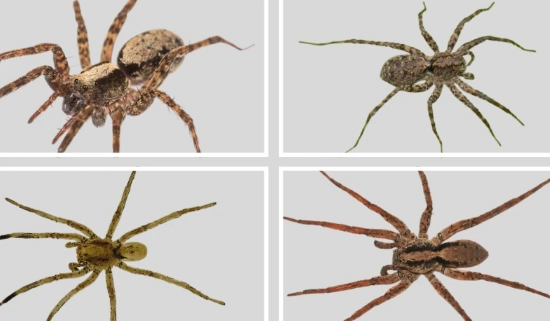
Wolf spider bites are uncommon because they flee. Brown recluse bites are statistically uncommon relative to the fear they generate, but they do happen in endemic areas due to accidental contact. The Purdue University Public Health Entomology program provides good context on their behavior and bite frequency.
For a lone wolf spider: The easiest method is the classic cup-and-cardboard technique. Gently trap it, slide the cardboard underneath, and release it outside. It will be happier there anyway. Vacuuming also works.
For a suspected brown recluse (or any spider):
- Reduce clutter. This is number one. Clean out storage areas, get rid of cardboard boxes (they love the corrugated layers), and use plastic, sealed totes instead.
- Use sticky glue traps. Place these flat against walls in basements, attics, and closets. They are excellent monitors and catchers. Checking these traps will tell you if you have an active problem.
- Seal cracks and crevices. Use caulk to seal entry points around pipes, windows, and doors.
- Shake out clothing and shoes before putting them on, especially if they've been in storage.
- For persistent infestations, consult a professional pest management service. They can do a targeted inspection and treatment. The National Pest Management Association has a good fact sheet on control strategies.
Yes, especially in garages, sheds, or basements in the American Midwest/South. A wolf spider might be cruising the floor hunting insects, while a brown recluse could be tucked away in a box in the corner. Their lifestyles are different, so they aren't directly competing, but they can occupy the same general structure.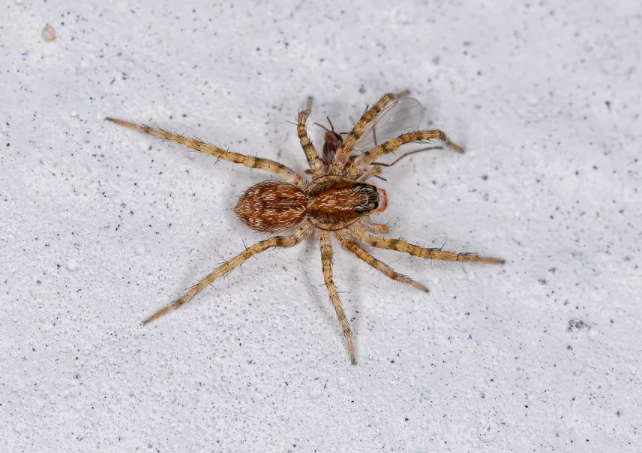
Both are primarily nocturnal. This is another reason for confusion. You're more likely to see either of them moving around at night. Turning on a basement light and seeing a large spider run away is a classic scenario for both.
Dogs and cats can be bitten, usually on the nose or paw if they investigate. Wolf spider bites are typically not a major concern for pets. Brown recluse bites can be more serious for pets, similar to humans, and can cause tissue damage. If you suspect your pet has been bitten by any spider and shows signs of swelling, pain, or a developing wound, contact your veterinarian.
Prevention and Peace of Mind
Understanding the difference between wolf spider and brown recluse is your first line of defense. The second is making your space less inviting.
- Keep it clean and clutter-free. I know, it's a broken record, but it's the single most effective thing for recluse prevention. They need hiding spots. Don't give them any.
- Wear gloves when moving boxes, firewood, or cleaning out storage areas.
- Use exterior yellow or sodium vapor lights instead of bright white lights, as they attract fewer insects, which in turn attracts fewer spiders looking for a meal.
- Regularly vacuum and dust in corners, under furniture, and behind appliances. This removes spiders, webs, and egg sacs.
- Don't store things directly against walls in basements or attics. Leave a gap for inspection.
Look, at the end of the day, spiders are part of our ecosystem, and most are beneficial. Wolf spiders are fantastic pest controllers. Even brown recluses eat other bugs. The goal isn't to eradicate all spiders—that's impossible—but to manage risk and co-exist safely.
Knowledge truly is power here. The fear comes from the unknown. Now you know.
The next time you see a spider, take a breath. Remember the checklist: size, color, violin mark, hairiness, behavior. Consider your location. You're no longer staring at a mysterious, potentially terrifying creature. You're looking at a wolf spider, a solitary hunter just as eager to get away from you as you are from it. Or, you're looking at a brown recluse, which means you now know exactly what steps to take to deal with it safely and calmly.
That confidence, that ability to tell the difference between a wolf spider and a brown recluse, is what will let you take back your basement—and your peace of mind.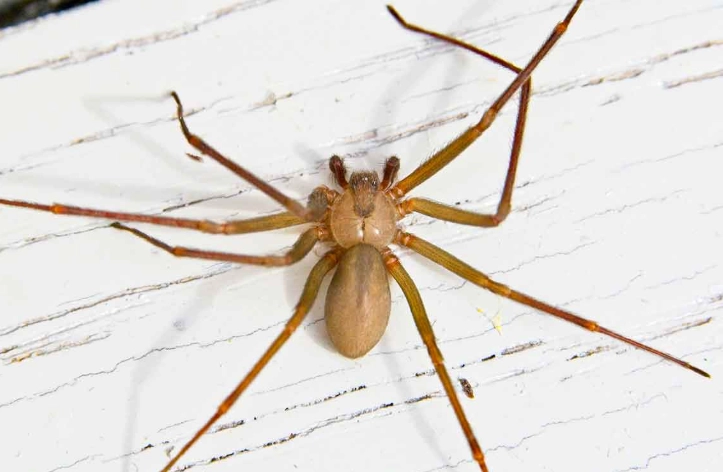
LEAVE A REPLY
Your email address will not be published. Required fields are marked *