In This Guide
Let's be honest, nobody wants to think about rats. But if you're asking "where do rats live outside," you probably already have a suspicion. Maybe you heard a rustle in the bushes last night, or found some suspicious droppings near your compost bin. I've been there. A few years back, I found a full-blown rat apartment complex under my deck. It was not a fun discovery.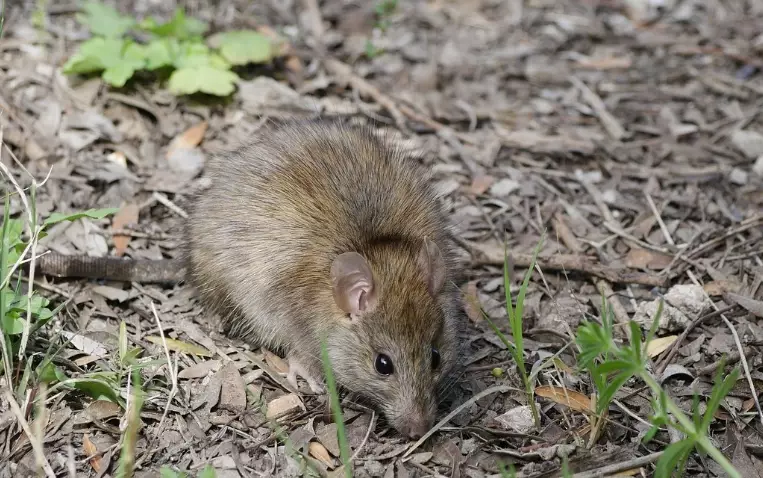
The truth is, rats are masters of outdoor real estate. They don't need much. A little shelter, some food nearby, and they're set. And our yards, gardens, and sheds often provide the perfect combination. Understanding where rats live outside is the absolute first step in doing something about it. It's not just about the ick factor—these guys can cause real damage and pose health risks. So, let's pull back the curtain and take a real, detailed look at their favorite outdoor hangouts.
The Top Spots: Where Rats Set Up Their Outdoor Homes
Rats, particularly the common Norway rat and roof rat, have distinct preferences. They're looking for safety, warmth, and proximity to resources. Here’s a breakdown of their prime outdoor real estate.
Burrows and Underground Networks
This is the classic image for a reason. Norway rats are incredible diggers. If you see a hole in the ground about 2-4 inches wide with loose dirt fanning out from the entrance, you might have a rat burrow. They don't just dig simple holes; they create complex networks with multiple entrances, nesting chambers, and even emergency exits.
Where do you find these burrows outside?
- Along Foundations and Walls: The earth next to your house's foundation, a garage, or a shed is prime digging territory. It's stable and often hidden by siding or vegetation.
- Under Concrete Slabs: Patios, sidewalks, and driveways often have soft soil edges that are perfect for tunneling underneath. The slab provides a great roof.
- In Garden Beds and Compost Piles: Loose, cultivated soil is easy to dig. A compost pile is like a buffet sitting on top of a potential penthouse suite.
- Beneath Debris and Woodpiles: A stack of firewood or a pile of old lumber offers cover from above, and the ground beneath is usually soft and undisturbed—perfect for starting a burrow.
I learned the hard way about woodpiles. I kept my firewood neatly stacked against the fence. It looked tidy to me, but to a rat, it was a fortress. They moved in underneath and chewed through the bottom logs.
Cluttered and Congested Areas
Rats are secretive. They thrive in chaos—our chaos. Any area where we store stuff and then forget about it is a potential rat metropolis.
- Garden Sheds and Storage Units: These are gold mines. Clutter on the floor, bags of seed or fertilizer, and minimal human traffic.
- Under Decks and Porches: This is often the number one answer to "where do rats live outside" for suburban homes. It's dark, enclosed, and usually has easy access to the house through vents or gaps.
- Thick Vegetation and Overgrown Areas: Ivy, dense shrubbery, tall weeds, and overgrown bushes aren't just an eyesore; they're a rodent highway system. It provides cover for travel and dense spots for nesting.
- Piles of Yard Waste: That pile of leaves you were meaning to bag, the stack of branches from last fall's pruning—it's all potential housing.
Man-Made Structures and Unexpected Places
Rats are adaptable. They'll live in places you wouldn't even think to check.
Roof rats, true to their name, are excellent climbers. So when we ask where do rats live outside, we have to look up.
- In Trees and Dense Vines: They build spherical nests (dreys) high up in trees, similar to squirrels but messier. They love palm trees, thick ivy covering walls, and any vine that creates a canopy.
- Attics and Eaves: While technically part of the house, they access these from the outside via trees, vines, or wires touching the roof. An attic is just a warm, dry, elevated version of an outdoor nest.
- Inside Hollow Walls: They can enter wall cavities from the outside through gaps where utilities enter the house.
- Under HVAC Units and Compressors: The pad these sit on is often raised slightly, creating a sheltered gap. The units provide warmth and the condensation provides water.
- In and Around Boats & RVs: If stored outside, these can become winter homes, with rats chewing through wiring and upholstery to make nests.
How to Know if Rats Are Living Outside Your Home
You don't always see the rat. You see the evidence. Here’s what to look for, a kind of detective's checklist for rodent activity.
| Sign | What to Look For | What It Tells You |
|---|---|---|
| Droppings | Dark, pellet-shaped, about 1/2 to 3/4 inch long (Norway rat). Smaller, spindle-shaped (Roof rat). Found along walls, near food sources, in nesting areas. | Fresh droppings are dark and soft; old ones are gray and crumbly. This tells you about activity level and travel routes. |
| Grease Marks (Smudges) | Dark, greasy rub marks along walls, beams, or pipes. Caused by their oily fur brushing repeatedly against surfaces. | These mark their regular highways. A clear path from a burrow to a food source. |
| Tracks & Runways | In dusty areas or mud, look for foot tracks with four-toed front feet and five-toed hind feet. Runways are beaten-down paths in grass or under vegetation. | Confirms active travel and can lead you right to their home base. |
| Burrows | Holes 2-4 inches wide, often with smooth, packed dirt around the entrance and fanning of excavated soil. | A direct sign of a Norway rat nest. Active burrows have clear entrances without cobwebs or debris. |
| Gnaw Marks | Fresh wood shavings, chewed edges on plastic bins, wires, irrigation lines, or garden hoses. Rats must gnaw constantly to wear down their ever-growing incisors. | Indicates they are seeking food, water, or building materials. Fresh, light-colored wood is a recent sign. |
| Nests | Shredded material like paper, cardboard, fabric, insulation, and dried plants formed into a messy ball or mat. | The heart of the operation. Finding a nest means they are settled in and breeding. |
| Sounds | Scratching, scurrying, or squeaking sounds at night, especially from walls, ceilings, or under floors/decks. | Audible proof of activity. Often most noticeable when the house is quiet at night. |
If you spot even a couple of these signs, it's time to take action. Waiting never makes it better. I ignored some droppings in my shed for a week, thinking it was a one-time visitor. It wasn't.
Making Your Yard a "No-Vacancy" Zone: Prevention is Everything
It's far easier to stop rats from moving in than to evict them. This isn't about being perfectly tidy (who is?), but about being strategically smart. Think like a rat, then remove what they want.
Eliminate the Welcome Mat (Shelter Removal)
This directly answers "where do rats live outside" by removing the "where."
- Declutter Ruthlessly: Get rid of piles of lumber, bricks, or junk. Store what you keep on raised racks, not directly on the ground.
- Manage Firewood: Store it at least 20 feet from the house and 18 inches off the ground. Use a rack, not just pallets.
- Seal Off Under-Deck Areas: Install heavy-gauge wire mesh (hardware cloth) around the perimeter, burying it at least 6 inches into the ground and bending it outward to prevent digging. This was the single most effective thing I did.
- Trim Trees and Vines: Keep branches from touching or overhanging your roof. Trim vines off walls and fences.
Cut Off the Free Buffet (Food Source Removal)
No food, no reason to stay. This is critical.
Bird feeders are a huge attractant. Spilled seed on the ground is rat caviar. If you have rats, you need to stop feeding the birds for a while, or use a catch tray and clean under it daily.
- Pet Food: Never leave pet food bowls outside overnight. Store pet food in metal bins with tight lids.
- Compost Bins: Use a fully enclosed, rodent-proof compost bin. Avoid adding meat, dairy, or oily foods to open piles.
- Fallen Fruit and Nuts: Regularly rake and dispose of fruit from trees (citrus, avocados, etc.) and nuts.
- Garbage Cans: Use cans with tight-fitting lids. If raccoons are knocking them over, consider a bungee cord or a can secured to a post.
- Grills and Outdoor Eating Areas: Clean grease traps and food debris after every use.
Fortify the Perimeter (Exclusion)
This is the professional-level move. Rats can squeeze through a hole the size of a quarter. Your job is to find and seal those holes.
Grab a flashlight and do a detailed inspection of your home's exterior. Look for:
- Gaps around utility lines (pipes, cables, A/C lines) entering the house.
- Cracks in the foundation or missing mortar.
- Gaps under doors, especially garage doors.
- Vents for attics, crawlspaces, or dryers. Cover these with 1/4-inch hardware cloth (wire mesh). Don't use cheap plastic or screen—they'll chew right through.
- Damaged roof vents or soffits.
Use materials like copper mesh (great for stuffing into gaps), hardware cloth, metal flashing, or concrete patching compound to seal these entry points. Caulk alone usually isn't enough for determined rats.
Common Questions About Where Rats Live Outside
Let's tackle some of the specific worries people have. You might be searching for these answers right now.
What time of year are rats most active outside?
You see them more in fall and winter. As it gets cold and natural food sources dwindle, they seek shelter and food near human homes. But they live and breed outside year-round. Spring and summer activity is just as high, but they're better hidden in lush vegetation and have more wild food options.
Can rats live outside in the winter without coming inside?
Absolutely. A well-built burrow or an insulated nest in a shed can protect them from freezing temperatures. They don't hibernate. They just become more desperate for food, which drives them closer to our homes. So, where do rats live outside in winter? Often in the deepest, most sheltered parts of the habitats we've already discussed.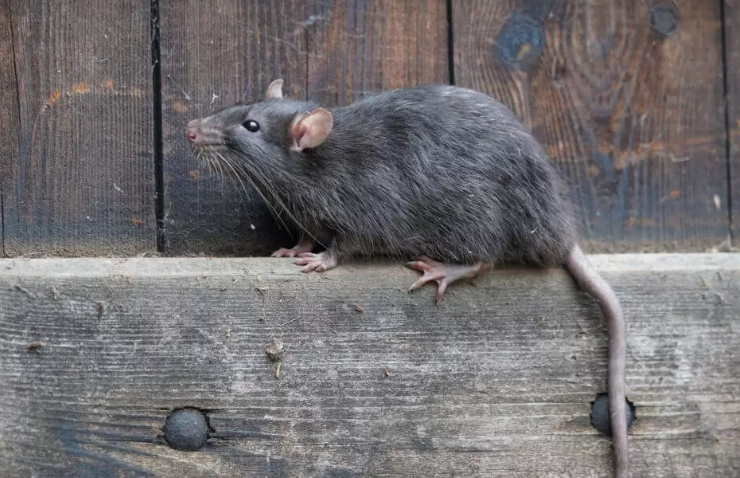
How far do rats travel from their nest?
It varies, but a typical foraging range is 100 to 150 feet from the nest. If resources are scarce, they'll travel further. If you find signs of rats, the answer to "where do rats live outside" is likely within a short walk from that sign. Focus your search in that radius.
Are outdoor rats a danger to my pets?
Yes, in a few ways. Rats can carry diseases transmissible to cats and dogs (like leptospirosis). They can also bite if cornered by a pet. Furthermore, rat poisons used by neighbors can cause secondary poisoning if your pet catches and eats a sick rat. The American Veterinary Medical Association (AVMA) recommends keeping pets away from areas of known rodent activity and ensuring their leptospirosis vaccination is up to date if you live in an area with rodents.
I see one rat outside, does that mean there's a nest?
Almost certainly. Rats are social. Where there's one, there are usually more. A single rat sighting, especially during the day (when they are normally nocturnal), can indicate a large population competing for food, or a disturbed nest. Assume there is a colony and start looking for the signs.
When to Call a Professional
Look, I'm all for DIY. But sometimes, you need to call in the cavalry.
- The infestation is large or established: If you're seeing multiple rats regularly, or find several nests.
- They are already inside your home: This escalates the problem significantly.
- You're not comfortable with trapping or exclusion work: Properly sealing a house is skilled labor.
- DIY methods haven't worked: You've tried for a few weeks and activity continues.
A good pest control professional won't just put out poison. They will do a full inspection, identify the key places where rats live outside on your property, implement a control plan (often with traps), and most importantly, recommend and perform exclusion work to seal up entry points. The National Pest Management Association (NPMA) is a good resource for finding qualified professionals and understanding modern pest control strategies.
I called a pro for my under-deck issue. He confirmed my hardware cloth idea, showed me two entry points I'd missed near the gas line, and set some strategic traps. It was worth every penny for the peace of mind and the expert eye.
The Bottom Line on Outdoor Rat Habitats
So, where do rats live outside? Everywhere we let them. In our clutter, our overgrown landscaping, our poorly stored supplies, and our unintentional food offerings. They are opportunistic survivors, and a typical yard offers a shocking number of opportunities.
The goal isn't to achieve a sterile, lifeless yard. It's to create an environment that's inhospitable to rats while still being enjoyable for you. It's about moving the woodpile, trimming the bushes, putting the bird seed in a metal can, and finally fixing that gap under the shed door.
Start with an inspection. Walk your property with a critical eye, asking yourself, "If I were a rat, where would I hide?" Look for the signs. Then, start with the easy wins: clean up the food sources and the obvious clutter. Move on to the harder exclusion work step by step.
Understanding their habitat is more than half the battle. Now you know what to look for and, more importantly, what to change. Your yard doesn't have to be a rodent resort. With some consistent effort, you can send them the message that there's no vacancy here.
LEAVE A REPLY
Your email address will not be published. Required fields are marked *