In This Guide
- Meet the Usual Suspects: Common Red Spiders in Iowa
- Identification Guide: What Kind of Red Spider in Iowa Is This?
- The Bite: Symptoms, Risks, and What to Actually Do
- Safe Control & Prevention: Keeping Unwanted Guests Out
- Answering Your Questions: The Red Spider in Iowa FAQ
- Final Thoughts: Coexisting with Iowa's Eight-Legged Neighbors
It happens more often than you'd think. You're out in the garden pulling weeds, or maybe you're just cleaning out a dusty corner of the garage, and there it is – a spider, and it's red. Your mind might jump to the worst conclusions. Is it dangerous? Should I be worried about a bite? Is my house about to be overrun? Finding a red spider in Iowa can be a bit of a shock, I get it. I've been there myself, staring at a tiny crimson critter on my windowsill, wondering what the next move should be.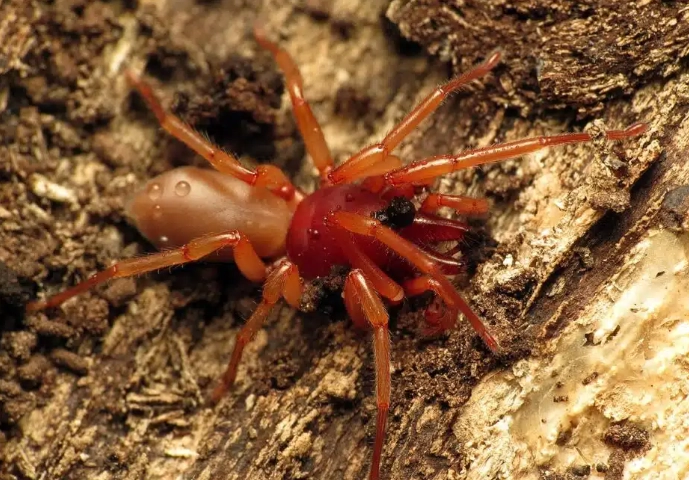
The truth is, "red spider" isn't one specific thing. It's a description that fits several different eight-legged residents of our state, and they range from the completely harmless to the medically significant. The goal of this guide isn't to scare you, but to give you the straight facts. We'll walk through exactly what kinds of red spiders you're likely to encounter in Iowa, how to tell them apart, what to do if you find one (or many), and the real story about their bites. By the end, you'll have a clear, practical understanding that replaces fear with knowledge.
Meet the Usual Suspects: Common Red Spiders in Iowa
Let's put names to faces. When people talk about a red spider in Iowa, they're usually referring to one of a handful of species. Their behaviors, habitats, and risks are all different.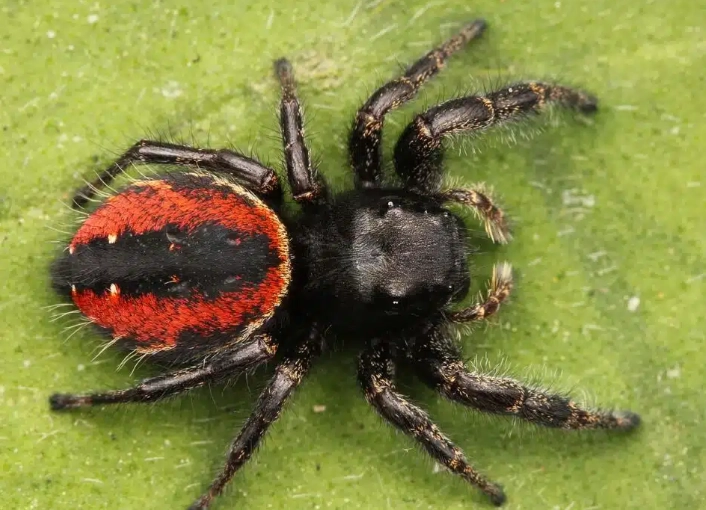
The Famous (and Often Feared) Black Widow
Yes, we have them. The Northern Black Widow (Latrodectus variolus) is present in Iowa, though it's not as common as in southern states. Here's the twist – the adult females, which are the ones with the potent venom, are jet black, not red. So why are they on this list? Because of the iconic red hourglass marking on the underside of their abdomen. Sometimes it's more of a broken hourglass or just a couple of red spots. The juveniles, however, are a different story. They can be light brown, gray, or even whitish with striking orange and red stripes and spots on their abdomen. You could easily mistake a young one for a "red spider."
They prefer secluded, undisturbed spots. Think woodpiles, under stones, in hollow stumps, or in the corners of sheds and barns. They're not aggressive. Bites are rare and almost always occur from accidental contact, like reaching into a space where one is hiding.
The Misunderstood Woodlouse Hunter
This is a classic case of looks being deceiving. The Woodlouse Hunter (Dysdera crocata) has a bright orange-red cephalothorax (the front part of the body) and legs, with a yellowish-brown abdomen. Its large, prominent fangs are designed for one thing: piercing the hard shells of pill bugs and sow bugs (woodlice). This spider is a dedicated hunter of garden pests.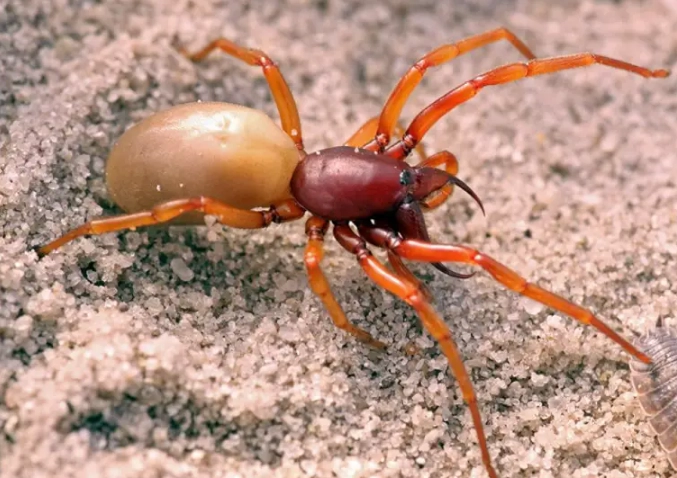
I find these guys under pots and logs all the time. They look menacing with those fangs, but they have no interest in biting humans. Their venom is not considered medically significant to us. If you're seeing a very red spider with big fangs in damp areas where pill bugs roam, it's likely this helpful predator.
The Tiny Red Mites (Not True Spiders)
This is where confusion often sets in. Clover mites and chiggers are tiny, red, and have eight legs as adults, but they are mites, not spiders. They're arachnid cousins. Clover mites are pinhead-sized and can appear in massive numbers on sunny sides of houses in spring. They're a nuisance but don't bite people. Chiggers are the larval stage of a mite and are infamous for their itchy bites in tall grass and weeds.
People often call these a "plague of red spiders," but understanding they're mites changes the control approach completely. Insecticides for spiders might not work on mites.
Other Reddish Orb Weavers & Jumpers
Some orb-weaving spiders and jumping spiders can have reddish hues, especially on their legs or markings. The Marbled Orbweaver (Araneus marmoreus), for example, can have an orange or reddish abdomen. These are all harmless, beneficial spiders that catch flies and mosquitoes.
Identification Guide: What Kind of Red Spider in Iowa Is This?
Okay, let's get practical. You've got the spider in view (or maybe a photo). Use this table to narrow it down. I've found this side-by-side comparison saves a lot of frantic Googling.
td>~1/2 inch| Spider / Mite | Primary Color & Markings | Size (Body) | Favorite Hangouts | Risk Level |
|---|---|---|---|---|
| Northern Black Widow (Female) | Glossy black with red hourglass underneath abdomen. | Undisturbed woodpiles, sheds, under decks, stone walls. | HIGH (Medically significant venom) | |
| Black Widow (Juvenile) | Variable: White, brown, or gray with orange/red/white stripes and spots on top of abdomen. | Varies | Similar to adults, but more dispersed. | HIGH (Venomous, but less studied) |
| Woodlouse Hunter | Bright red-orange head/legs, tan abdomen. Huge, visible fangs. | ~1/2 inch | Under rocks, logs, pots; damp areas with pill bugs. | LOW (Will bite if handled, but not dangerous) |
| Clover Mite | Bright red, tiny, oval body. Front legs much longer than others. | ~1/30 inch (pinhead) | Sunny sides of buildings, windowsills, in lawns (mass numbers). | NONE (Does not bite humans) |
| Reddish Orb-weaver | Often orange, red, or yellow abdomen with patterns. In a circular web. | ~1/4 to 1/2 inch | Gardens, between plants, tall grasses, near lights. | NONE (Harmless, beneficial) |
See? That breaks it down. The main takeaway is that the color red alone doesn't tell you much. You have to look at the whole picture – markings, habitat, and behavior. A red spider in Iowa could be anything from a shy pest-controller to a widow that deserves respect and space.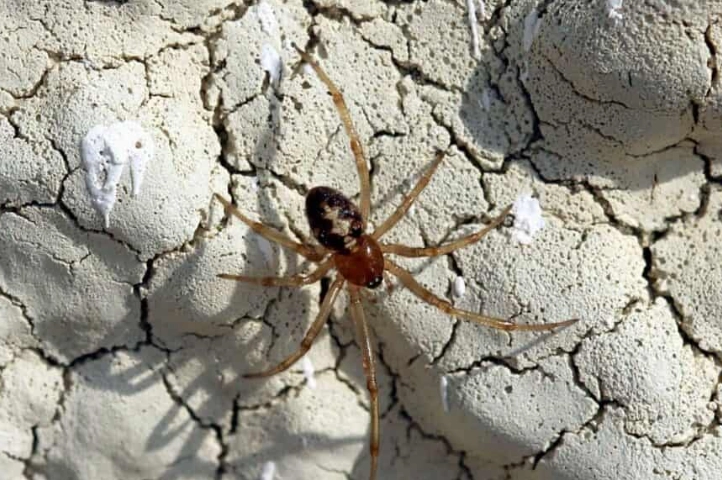
The Bite: Symptoms, Risks, and What to Actually Do
This is the part everyone worries about. Let's be blunt and clear.
Black Widow Bite
The bite itself might feel like a pinprick or go unnoticed. The real problem is the neurotoxic venom. Symptoms usually start within 1-6 hours and can include:
- Intense muscle pain, cramps, and rigidity (often in the abdomen, back, or shoulders – which can be mistaken for a serious abdominal emergency).
- Sweating, nausea, vomiting.
- Headache, anxiety, difficulty breathing (in severe cases).
What to do: Stay calm. Wash the area with soap and water. Apply a cool compress. Seek immediate medical attention. Go to an urgent care or emergency room. Antivenom exists and is very effective. Do not try to suck out venom or apply a tourniquet. Capture the spider safely (in a jar) for identification if possible, but don't risk another bite. The CDC's page on venomous spiders is a good resource for official medical info.
Woodlouse Hunter or Other Non-Venomous Bite
These bites are more like a bee sting. You might get localized pain, redness, and slight swelling. It's a mechanical injury from those large fangs more than a serious envenomation.
What to do: Clean the wound. Use an antibiotic ointment. A cold pack and an over-the-counter pain reliever can help. Watch for signs of infection (increasing redness, pus, fever), which is a bigger risk than the bite itself.
Chigger "Bites"
These aren't bites but a reaction to the mite's saliva as it feeds. They cause intensely itchy red welts, often in clusters where clothing is tight (ankles, waistline).
What to do: Take a hot shower and scrub with soap to dislodge any remaining mites. Use anti-itch creams (hydrocortisone, calamine lotion). Oral antihistamines can help at night. The itching can last for days.
The bottom line? Know the symptoms of a widow bite. For anything else, basic first aid usually does the trick.
Safe Control & Prevention: Keeping Unwanted Guests Out
You don't need to declare chemical warfare on every spider. In fact, you shouldn't. Most are allies. The goal is selective management, especially for the risky ones like widows, and exclusion for the nuisance ones like mites.
For Black Widows (and Recluse Spiders, Though They're Brown)
- Wear gloves. Seriously, just do it when handling firewood, moving rocks, or cleaning storage areas.
- Declutter. Remove piles of lumber, rocks, and debris from near your home's foundation.
- Seal entry points. Use caulk to seal cracks around windows, doors, and the foundation. Install tight-fitting screens.
- Use a vacuum. For an individual spider, the vacuum cleaner hose is your best friend. Suck it up, dispose of the bag/canister contents outside.
- Targeted insecticide. If you have a known problem area, you can use a targeted, labeled residual spray (like those containing cyfluthrin or bifenthrin) in cracks and crevices where they hide. Avoid broadcast spraying. The Purdue Extension guide on spiders, while for Indiana, has excellent, science-backed control advice that applies to Iowa.
For Clover Mites
- Create a vegetation-free barrier (about 18 inches wide) around your foundation using gravel or mulch. This deters them from migrating inside.
- Seal cracks meticulously. They can fit through the tiniest gaps.
- A strong spray of water from a hose can dislodge them from walls.
- Insecticides labeled for mites (acaricides) can be used as a barrier spray if infestations are severe.
General Spider-Friendly Practices (For the Good Guys)
- Keep outdoor lights off when not needed, or use yellow insect-resistant bulbs to avoid attracting flying insects that spiders eat.
- Regularly sweep down webs from eaves and corners if you don't want them there.
- Remember, a spider in your garden is working for you, for free.
Answering Your Questions: The Red Spider in Iowa FAQ
I've gotten a lot of questions from folks over the years. Here are the most common ones, answered plainly.
No, absolutely not. "Poisonous" means toxic if eaten, which isn't the concern here. "Venomous" means injecting toxin. The only red-associated spider in Iowa with medically significant venom is the black widow. The Woodlouse Hunter has venom for its prey but it's not a threat to humans. Most red or reddish spiders are harmless.
Not necessarily for one spider. An exterminator is a good call if you're finding multiple widows or are highly uncomfortable dealing with it. For a single spider, careful vacuuming or crushing (with a tool, from a safe distance) is effective. The key is to stay gloved and cautious. Then, do the exclusion work (sealing, decluttering) to prevent more from moving in.
It varies. Clover mites have huge population booms in the cool spring and fall. Most true spiders, including widows, are most active and visible from late spring through early fall. You might see more wandering males in late summer. Indoors, they can be active year-round.
The risk of death from a black widow bite in the United States is incredibly low. The last confirmed death was decades ago. However, their bite can cause severe pain and systemic illness requiring hospitalization. So while it's not a mortal threat for healthy adults, it's a serious medical event that must be treated. No other red spider in Iowa poses a lethal threat.
Your best local resource is your Iowa State University County Extension Office. They often have experts who can identify insects and spiders from clear photos. You can also try submitting photos to online communities like iNaturalist, where experts contribute.
Knowledge really is the best repellent for fear.
Final Thoughts: Coexisting with Iowa's Eight-Legged Neighbors
Look, I'm not going to tell you to love spiders if you don't. I have a friend who still shrieks if she sees one, and that's okay. But I will advocate for a shift from panic to pragmatism. The vast majority of the time, a sighting of a red spider in Iowa is a chance to observe a fascinating piece of local ecology, not a reason to seal off the room.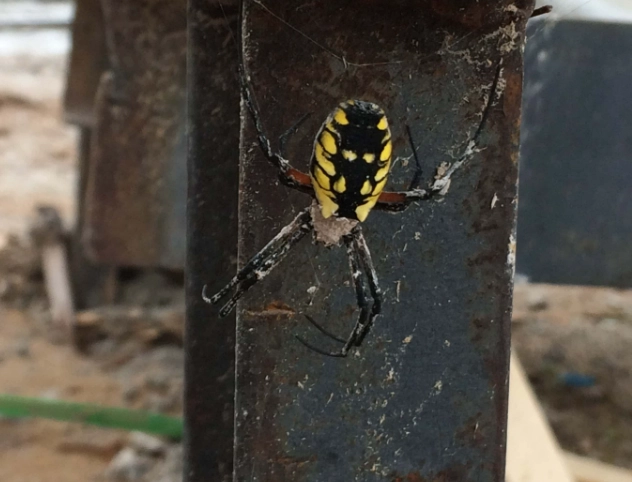
Take a breath. Use the identification guide. Assess the actual risk, which is usually minimal. If it's a harmless garden helper, maybe just let it be. If it's a widow in a high-traffic area, deal with it safely and methodically. And if you're ever in doubt about a bite, err on the side of caution and see a doctor.
Living in Iowa means sharing the space with all sorts of wildlife, including arachnids. Understanding them – knowing that most red spiders are just going about their business of eating pests – makes our shared habitat a lot less stressful. Keep the gloves handy for gardening, seal up those cracks before fall, and you'll be just fine.
LEAVE A REPLY
Your email address will not be published. Required fields are marked *