Quick Guide
- So, What Exactly Makes a Spider "Large" and "Red"?
- Meet the Usual Suspects: Common Large Red Spiders
- The Million-Dollar Question: Are Large Red Spiders Poisonous?
- Okay, I Found One. What Should I Actually DO?
- Digging Deeper: Your Questions Answered
- The Other Side of the Coin: Why We Should Appreciate Them
- Final Thoughts: From Panic to Peaceful Coexistence
Let's be honest. Spotting a large red spider where you weren't expecting one is a moment that gets your full attention. Your heart might skip a beat. Is it dangerous? Should you panic? What on earth is it doing in your bathroom? I've been there, staring down a surprisingly vibrant eight-legged visitor in my own garage. The internet, frankly, is a mess on this topic. You'll find alarmist posts next to overly technical jargon, and neither tells you what you actually need to know.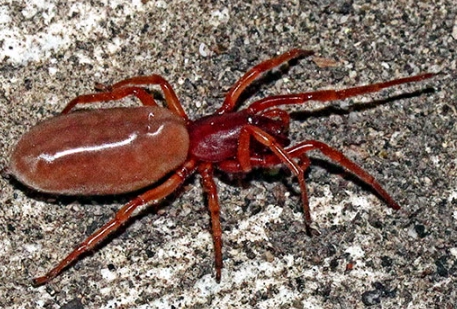
This guide is different. We're going to cut through the noise and talk about these striking arachnids in plain English. We'll figure out what that large red spider likely is (spoiler: it's probably not as scary as it looks), what to do about it, and maybe even learn to appreciate its role in the world. Think of this as a chat with a neighbor who's done too much research, not a lecture from a distant professor.
Quick Reality Check: The term "large red spider" isn't scientific. It's a description we use for any spider that's noticeably big and red. This means several different species could be the culprit, and their habits, temperaments, and potential risks vary. That's why identification is the crucial first step.
So, What Exactly Makes a Spider "Large" and "Red"?
Before we dive into names, let's set some expectations. When most people say "large," they don't mean tarantula-sized (though some red tarantulas exist!). They usually mean a body longer than a pea, maybe up to the size of a nickel or quarter, with legs that make it appear even bigger. "Red" can range from a rusty, dull orange-red to a vivid, almost candy-apple crimson. Sometimes it's the whole body, sometimes just the legs or abdomen.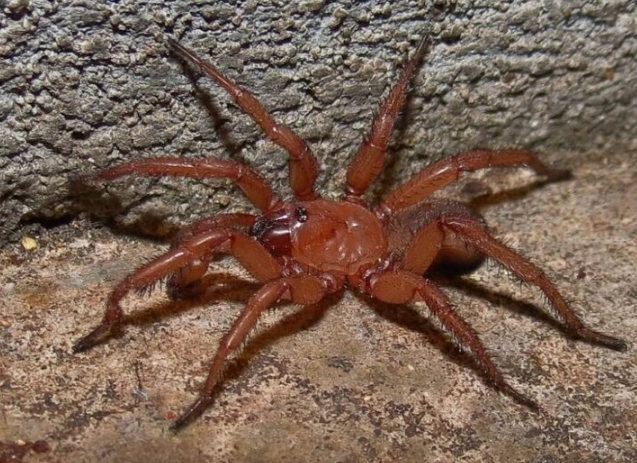
The color red in spiders, by the way, isn't just for show. It can be a warning sign to predators (aposematism), but it can also help with camouflage among flowers or dead leaves. It's not a universal code for "dangerous to humans." Far from it.
Meet the Usual Suspects: Common Large Red Spiders
Here are the spiders you're most likely to encounter that fit the bill. I've ranked them not by danger, but by how often people seem to run into them and ask, "What is this thing?"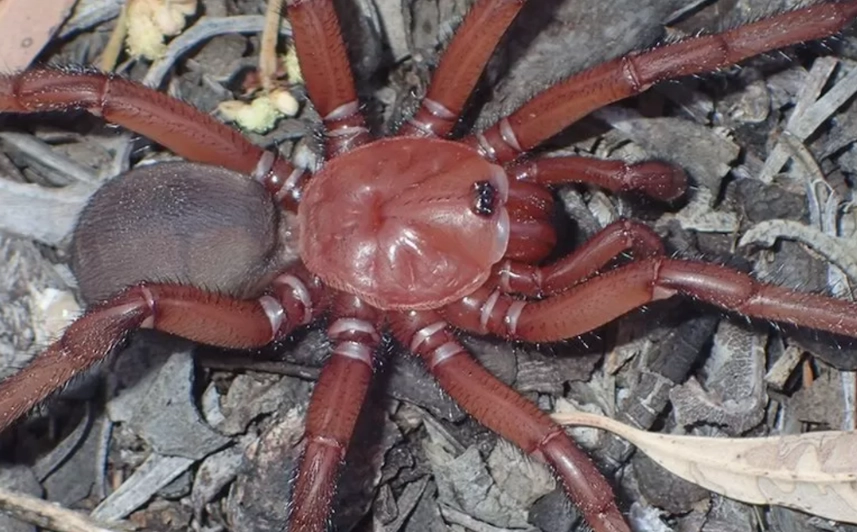
| Spider Name | Primary Color & Size | Key Identifying Features | Where You'll Find It | Verdict |
|---|---|---|---|---|
| Woodlouse Spider (Dysdera crocata) | Prominent reddish-brown or orange cephalothorax (head/chest), creamy grey abdomen. Body: 0.4-0.6 in. | Very large, prominent fangs (chelicerae) that point forward like pincers. Six eyes clustered close together. | Under logs, rocks, leaf litter. Sometimes in basements or damp areas hunting its favorite prey: woodlice (pillbugs). | The #1 suspect. Looks fierce but is harmless to humans. Those fangs are for crushing woodlice shells. |
| Red House Spider (Nesticodes rufipes) | Globular, velvety red abdomen (female). Smaller, reddish-brown male. Body: ~0.2-0.3 in. | Females are the classic "small red spider" often seen indoors. Builds messy, tangled webs in corners. | Quiet corners of homes, garages, sheds, under furniture. A truly domestic, house-loving species. | Extremely common indoors. Bite is very rare and medically insignificant. |
| Cardinal Jumper (Phidippus cardinalis) | Striking, fuzzy red-orange body. Males are brighter. Body: ~0.3-0.5 in. | A jumping spider. Compact, fuzzy body. Males have a brilliant red "face" and pedipalps. Intelligent, curious gaze. | On fences, garden plants, exterior walls. Sun-loving and active during the day. | Totally harmless and fascinating. A gardener's friend that eats pests. |
| Red Widow (Latrodectus bishopi) | Red-orange cephalothorax and legs, black abdomen with red spots. Body: ~0.5 in. | A true widow, related to the black widow. Has the characteristic hourglass marking (red or orange). | VERY limited range: Only in scrub palmetto habitats in central and southern Florida. | Medically significant. Venomous, but reclusive and bites are extraordinarily rare. |
| European Garden Spider (Araneus diadematus) - Color Morph | Variable. Some can have significant reddish or orange hues on the abdomen. Body: up to 0.7 in. | The classic orb-weaver with a cross pattern on the abdomen. Plump, rounded body. | Gardens, between plants, on porches. Builds beautiful, circular webs. | Harmless. A beneficial insect controller. Not all are red, but some can be. |
See what I mean? That large red spider in your shed is most likely a totally harmless Woodlouse Spider going about its business, not a threat. The tiny one in your ceiling corner is probably a Red House Spider, a permanent, quiet roommate. The vibrant one on your sunflower? A friendly Cardinal Jumper.
I once spent twenty minutes watching a Cardinal Jumper on my window sill. It kept tilting its head, seemingly looking back at me. It was more like encountering a tiny, colorful cat than a scary spider. It completely changed my perspective.
The Million-Dollar Question: Are Large Red Spiders Poisonous?
This is the core of the fear, right? Let's break down the terminology first. Almost all spiders are "venomous"—they use venom to subdue their prey. The real question is: "Are they dangerous to humans?" Is their venom medically significant?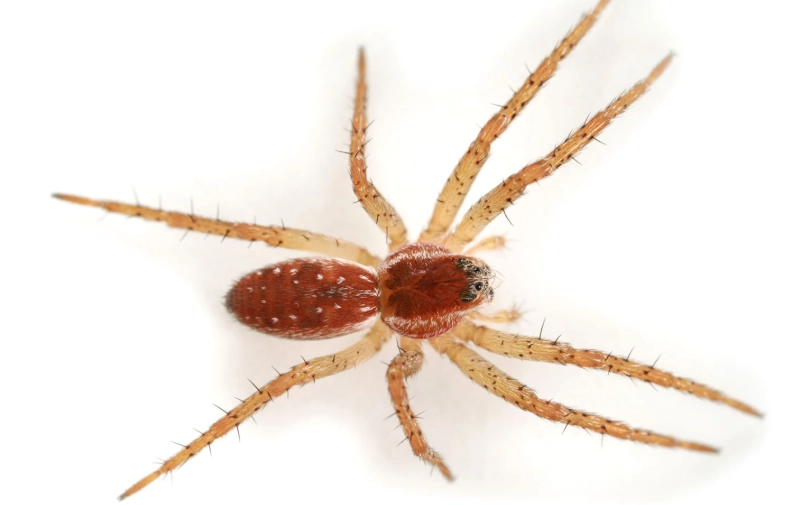
For the vast majority of large red spiders you'll find, the answer is a resounding no.
- Woodlouse Spider: Its venom is specialized for crustaceans (woodlice). It can bite in defense if squished, but it's like a mild bee sting at worst. The large fangs can cause a slight puncture, so keep it clean.
- Red House Spider: Considered harmless. Its venom isn't a concern for people.
- Jumping Spiders (like the Cardinal): Harmless. They might bite if severely provoked, but it's negligible.
- Orb Weavers: Harmless. They'd rather flee than fight a giant like you.
The major exception in North America is the Red Widow.
Its venom is neurotoxic, similar to its black and brown widow cousins. A bite requires medical attention. But—and this is a huge but— the Red Widow is incredibly rare, has a tiny geographic range (pretty much just parts of Florida), and is not aggressive. You are extraordinarily unlikely to ever see one unless you're actively rooting around in its very specific habitat. Worrying about a Red Widow in your Ohio basement is like worrying about a polar bear in your Texas backyard. The risk is functionally zero.
Important: If you are in Australia or other regions with diverse spider fauna, the rules change. Always consult local resources. For North America and Europe, the "large red spider" is almost never a major medical threat.
Okay, I Found One. What Should I Actually DO?
Here's a step-by-step, practical guide. No drama, just action.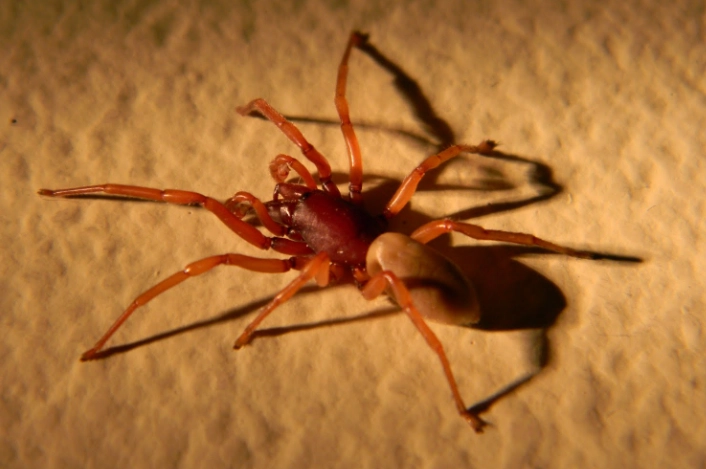
Step 1: Don't Freak Out
Seriously. Panic leads to bad decisions (like trying to whack it with a broom and missing). Spiders are not out to get you. They are blind, near-sighted, or just perceive you as a large, vibrating part of the landscape. Take a breath.
Step 2: Observe (From a Comfortable Distance)
Use the table above. Does it have huge forward-facing fangs (Woodlouse Spider)? Is it in a messy web in a corner (Red House Spider)? Is it fuzzy and moving in quick jumps (Jumping Spider)? This quick ID will tell you almost everything you need to know about the next steps.
Step 3: Decide on Coexistence or Relocation
Option A: Leave it be. If it's in a garage, basement, or corner of the garden, it's eating pests—flies, mosquitoes, moths, other bugs you don't want. It's free, non-toxic pest control. A Red House Spider in an unused corner is a better tenant than a cluster of flies.
Option B: Gently relocate it. This is my preferred method for indoor spiders that are in high-traffic areas (like the middle of the living room wall).
- Get a clear cup and a stiff piece of paper or card.
- Slowly place the cup over the spider.
- Slide the card carefully between the cup's rim and the wall/floor, trapping the spider inside.
- Carry it outside and release it in a sheltered spot like a bush or against a fence.
It's simple, effective, and doesn't involve any squishing or chemicals. I've relocated dozens of spiders this way. They usually just sit still, confused by the sudden skylight.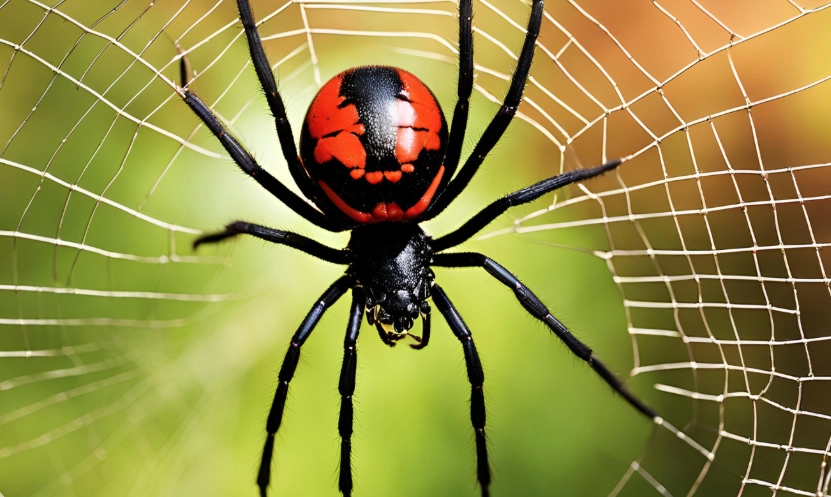
Fun fact: Many spiders have poor eyesight and navigate primarily through vibrations and touch. When you cup them, they often just hunker down, waiting for the strange "earthquake" to stop.
Step 4: When to Be More Cautious
If you live in the Red Widow's tiny Florida range and find a spider matching its description and you can't avoid the area, you might call a professional for removal. But again, this is a rare scenario. For the other 99.9% of large red spiders, relocation is safe and easy.
Digging Deeper: Your Questions Answered
Are all brightly colored red spiders dangerous?
Absolutely not. This is a huge misconception. In the spider world, color is a terrible predictor of danger to humans. The vivid Cardinal Jumper is harmless. Many dull brown spiders (like the Brown Recluse) can be of more concern. Judge by species, not just color.
Why did a large red spider suddenly appear in my house?
A few reasons: 1) It wandered in accidentally through a crack or open door (common for male spiders searching for mates). 2) It's always been there, living quietly, and you just saw it. 3) Weather changes—drought or heavy rain can drive them indoors seeking shelter or moisture. It's rarely an "infestation" sign; spiders are solitary.
How can I discourage spiders from coming inside?
Don't aim for a sterile, spider-free fortress—it's impossible and ecologically silly. Aim for reduction:
- Seal cracks: Use caulk around windows, doors, and foundation gaps.
- Reduce clutter: Piles of boxes, clothes, or papers in basements create perfect spider apartments.
- Control other insects: Spiders come for food. If you have lots of flies or ants, spiders will follow. Fix screens, don't leave food out.
- Keep vegetation back: Trim bushes and branches away from directly touching your house's exterior.
Notice I didn't list "spray pesticides everywhere." That often causes more problems than it solves, killing beneficial insects and potentially exposing you to chemicals, while rarely providing a long-term solution against the occasional wandering spider.
What about bites? What does a bite from a large red spider look like?
First, spider bites are extremely rare. Most skin lesions blamed on spiders are actually bites from other insects (fleas, bed bugs), or skin infections. Spiders bite as a last-ditch defense, usually when pressed against skin (like putting on a shoe they're hiding in).
If a non-venomous spider like a Woodlouse Spider did bite, it might look like two small puncture marks (from those big fangs) with minor redness, swelling, and itchiness—similar to many minor insect bites. It should heal quickly with basic first aid (wash with soap and water, apply antiseptic, maybe an anti-itch cream).
A bite from a medically significant spider like a widow would involve different symptoms: intense pain that spreads, muscle cramps, abdominal rigidity, sweating, and nausea. If you experience these symptoms after a confirmed spider bite, seek medical attention immediately. But remember, the chance of this coming from a random large red spider in most of the world is astronomically low.
The Other Side of the Coin: Why We Should Appreciate Them
I know it's hard when you have a deep-seated fear, but hear me out. Spiders, including the large red ones, are critical components of a healthy ecosystem. They are apex predators of the insect world. A single garden spider can consume hundreds of insects in a season.
Think about the pests they control: mosquitoes that carry disease, flies that spread bacteria, moths that eat your clothes, and aphids that destroy your garden plants. They are nature's own, perfectly evolved pest control service, working for free 24/7.
Their silk is a material science marvel—stronger than steel of the same thickness, incredibly elastic, and produced at ambient temperature. Scientists are still trying to fully replicate it. And their behaviors, from the intricate web-weaving of orb weavers to the intelligent stalking of jumpers, are fascinating examples of natural adaptation.
I'm not saying you have to love them. But moving from fear to a grudging respect, or even just peaceful coexistence, is a win. It's better for your peace of mind and better for your local environment.
Final Thoughts: From Panic to Peaceful Coexistence
That initial jolt of fear when you see a large red spider is natural. It's a deep, old instinct. But your modern brain has the power to override it with knowledge.
The next time you see one, pause. Take a mental note of its features. Chances are overwhelming that it's a harmless Woodlouse Spider, a shy Red House Spider, or a curious Jumping Spider. It's not plotting against you. It's probably lost, hungry, or just trying to find a quiet place to live its short life.
You have options. You can watch it for a moment, appreciating its color and form from a new perspective. You can gently usher it outside with the cup-and-card method. Or, if it's out of the way, you can simply let it be, knowing it's on pest patrol.
My own journey from spider-squisher to spider-relocater started with identifying that first big, red one in my garage. Knowing its name—Woodlouse Spider—and its harmless nature took away the fear. Now, they're just part of the background fauna, like the birds in the trees. It's a much more relaxed way to live.
For further, highly reliable reading, I always recommend turning to entomology departments at major universities or conservation organizations. The University of Florida's Entomology Department has an outstanding "Featured Creatures" database that is accurate and detailed. For understanding spider biology in general, the American Museum of Natural History's resources are fantastic. And for specific, region-based identification, your local state's agricultural extension service or the USDA Forest Service often provides excellent guides.
Knowledge really is the best antidote to fear. You've now got a solid foundation. Go forth with a little less worry, and maybe a little more curiosity, about the eight-legged world sharing your space.
LEAVE A REPLY
Your email address will not be published. Required fields are marked *