What's Inside This Guide
You see them everywhere, right? On statues, ledges, pecking at crumbs in the park. Most people just call them flying rats and walk on by. I used to think that way too, until a wounded one landed on my balcony a few years back. That changed everything. Suddenly, this "pegion" (a common misspelling I see online all the time) wasn't just a nuisance; it was a living creature that needed help. That experience sent me down a rabbit hole, and let me tell you, there's a whole world to these birds that most of us completely miss.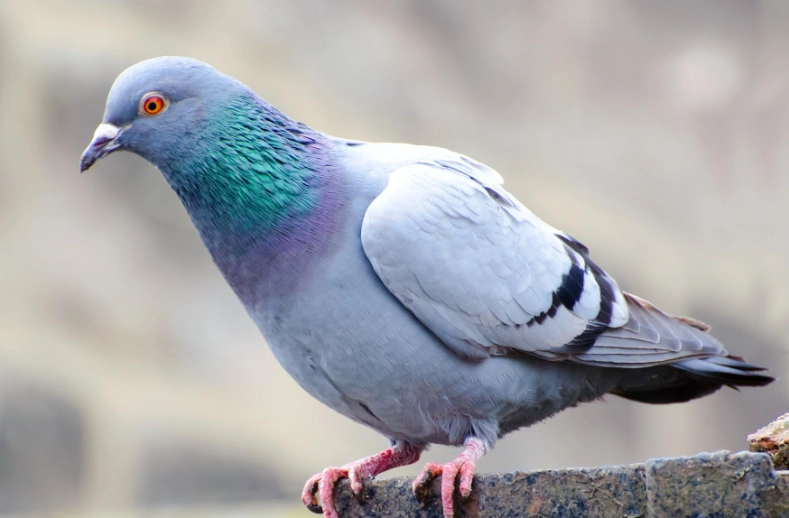
This isn't going to be a dry, encyclopedic entry. Think of it more as a chat from someone who's been obsessed with figuring pigeons out. We'll talk about what they're really like, the good and the very messy bad of keeping them, and whether you should even consider it. Because if you're searching for info on "pegions," you're probably way past the "what's that bird" stage and into the "could I live with one" stage.
Understanding Pigeons: Biology and Behavior
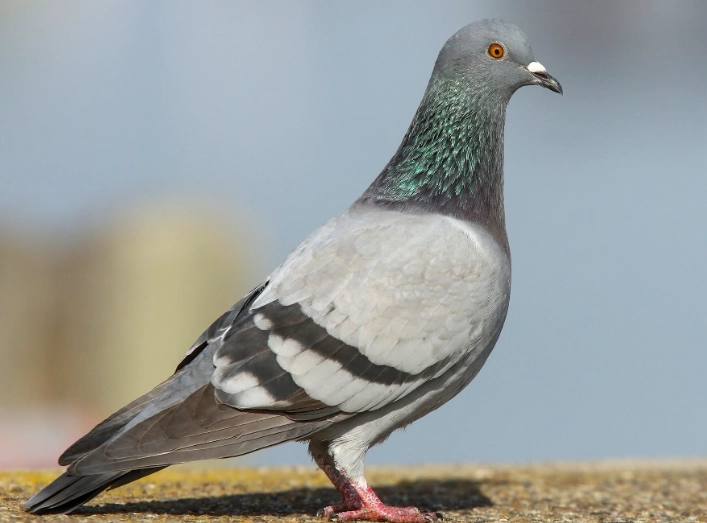
Let's start with the basics. The bird we commonly call a pigeon is technically the Rock Dove (Columba livia domestica). All those fancy breeds and the grey ones downtown share the same ancestor. They weren't always city dwellers; they originated on cliffs and rocky coastlines. Skyscrapers and bridges? Just fancy, human-made cliffs to them. It makes total sense when you think about it.
What really blew my mind was their intelligence. Pigeons can recognize themselves in a mirror (which is a big deal in the animal kingdom), learn complex sequences, and even distinguish between different artistic styles like Monet and Picasso. Researchers at the University of Iowa have done some fascinating work on pigeon cognition. It's not just birdbrain stuff.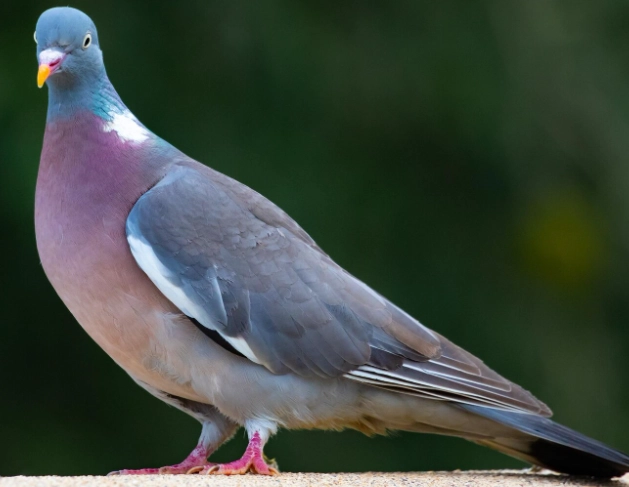
Then there's their famous homing ability. How do they do it? Science suggests they use a combination of the sun's position, the earth's magnetic field (they have iron-rich cells in their beaks that might act like a compass), and an incredible mental map of visual landmarks. It's like having GPS, a compass, and a photographic memory all built in. Breeders have told me stories of pigeons finding their way home from hundreds of miles away, against all odds.
Social Structure and Communication
Pigeons are deeply social. They mate for life, which is pretty romantic, and both parents are heavily involved in raising the young. Their famous cooing isn't just random noise. Different coos mean different things—a territorial warning, a courtship call, a signal to a mate on the nest. Watch a flock sometime. The head bobbing, the strutting, the gentle pecking... it's all a complex language.
They also have a strict pecking order within flocks. There are leaders and followers. This social intelligence is part of why they can be such good pets. They recognize individual people. My rehab bird definitely knew me from my partner, and would get visibly more excited (more cooing, puffing up) when I came near.
The Pros and Cons of Keeping Pigeons
Okay, so they're smart and social. But should you actually keep them? Let's get real. It's not all cute cooing and feathers. I've made a brutally honest list based on my own experience and what every serious keeper will tell you.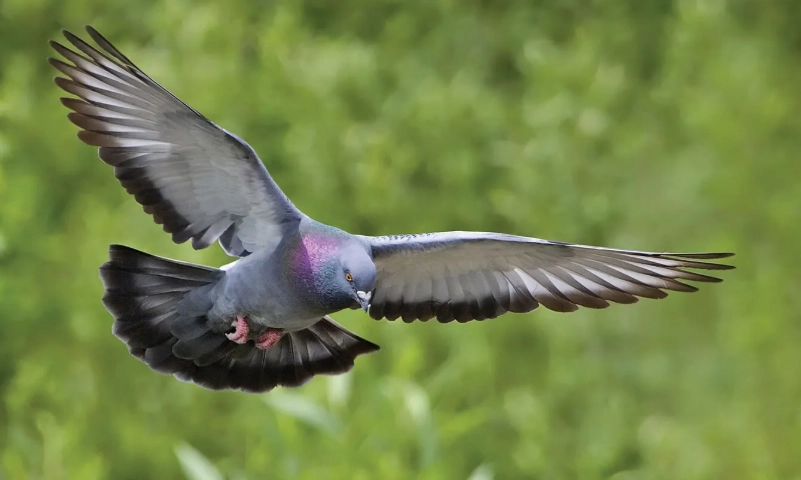
The Good Stuff (The Pros):
- Surprisingly Affectionate: Once they trust you, many pigeons enjoy gentle head scratches and will happily sit on your shoulder or lap. It's a quiet, calm companionship.
- Fascinating to Watch: Their daily routines, bathing habits, and interactions are genuinely entertaining. It's like having a little nature documentary in your home.
- Relatively Low Maintenance (Compared to some pets): They don't need walks, and their basic daily care—fresh food, water, cage cleaning—doesn't take hours.
- Long Lifespan: A well-cared-for pet pigeon can live 10-15 years, sometimes longer. This is a long-term commitment, but it also means a long-term friend.
- Quiet(ish): They coo, but it's a soft, low sound. It's nothing like a parrot's scream. Apartment-friendly? Maybe, but check with your neighbors first.
- The Poop. Let's not sugarcoat it. Pigeons poop. A lot. And frequently. You will be cleaning. Their droppings are acidic and can damage wood and other surfaces if not cleaned promptly. This is the number one dealbreaker for most people.
- Space Needs. They need room to fly for exercise. A large, dedicated aviary or a whole safe room (a "bird room") is ideal. A small cage is cruel and will lead to health and behavior problems.
- Potential for Disease (Zoonosis). While pet pigeons from reputable sources are generally healthy, they can carry parasites or fungi like cryptococcus. Good hygiene (washing hands, wearing a mask when cleaning deep litter) is non-negotiable. The CDC has guidelines on safe bird handling that are worth a read.
- Dust and Feathers. They produce a fine powder down (keeps their feathers waterproof) and molt feathers. If you have severe allergies or asthma, think very carefully.
- Vet Care Can Be Specialized. Not all vets treat birds, and even fewer are experts in pigeon care. Finding and budgeting for an avian vet is a must-do before you get a bird.
See what I mean? It's a mixed bag. The affection is real, but so is the mess. You have to want the whole package.
Popular Pigeon Breeds for Beginners
If the pros list spoke to you, the next question is: what kind of pigeon? There are over 300 breeds! They're broadly split into three groups: Fancy Breeds (bred for show and looks), Utility Breeds (bred for meat, though many are kept as pets), and Racing/Homing Breeds. For a first-time owner, temperament is key. You want a calm, handleable bird.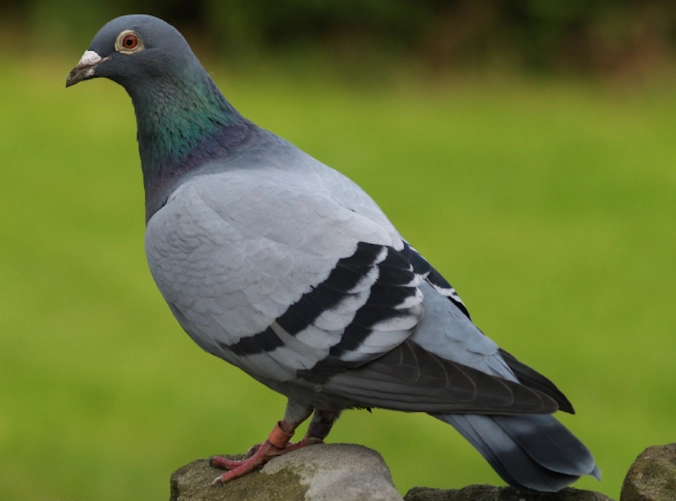
| Breed | Size & Appearance | Temperament & Notes | Good for Beginners? |
|---|---|---|---|
| King Pigeon | Large, stocky, often all-white. They have a distinctive rounded breast. | Extremely gentle, calm, and docile. Often called "puppy dogs" of the pigeon world. They are poor fliers due to their size, so they are less likely to be frantic in an enclosure. | Excellent. Their calm nature is ideal. |
| Fantail Pigeon | Medium. Their most famous feature is a fan-shaped tail with 30-40 feathers (normal tails have 12-14). | Generally tame and graceful. They are showbirds, bred for that spectacular tail, which they proudly display. Can be a bit more delicate. | Very Good. Beautiful and usually quite friendly. |
| Racing Homer | Athletic, streamlined build. Comes in many colors. | Intelligent, active, and bond strongly with their loft/home. They need more space for flight exercise. Their homing instinct is incredibly strong. | Good, with space. Best if you have a secure outdoor aviary or loft. |
| Old German Owl | Small to medium, with a distinctive "owl-like" frill of feathers on its chest and a perky posture. | Often very sweet and personable. Their unique look is a big draw. They are active but adapt well to human companionship. | Very Good. A popular and charming choice. |
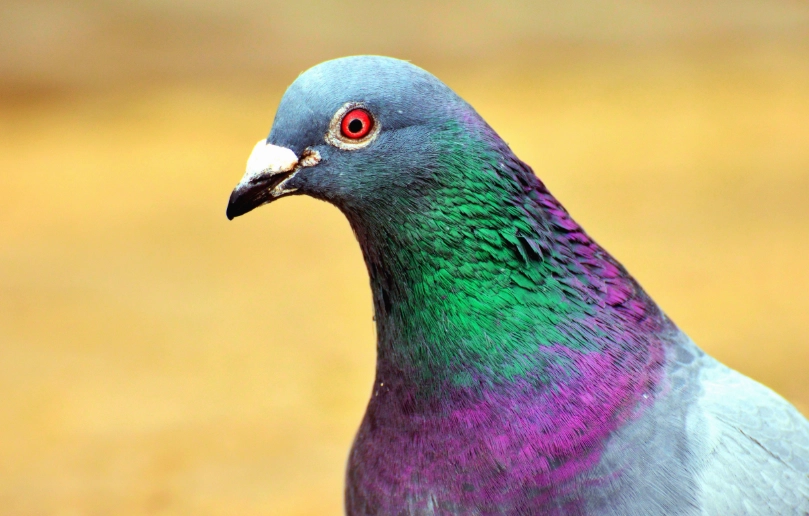
| Rescued Feral/Rock Dove | The classic "city" pigeon look: blue-grey with iridescent neck feathers. | This depends entirely on the individual bird's history. A hand-raised or long-term rehab bird can be wonderfully tame. A wild-caught adult will likely remain fearful. Adopting gives a bird a second chance. | Variable. Best attempted with guidance from a rescue organization. |
My first proper pet was a white King pigeon named Cloud. His clumsiness and total lack of fear won me over completely. He'd waddle over to me the second I entered the room.
Essential Supplies and Setup Costs
Before you bring a pigeon home, you need its home ready. Cutting corners here leads to misery for both you and the bird. Here’s a breakdown of what you’ll need and what it might cost. Prices are rough estimates—you can find some things secondhand, but never skimp on cage size or food quality.
>$150 - $600+>$20 - $40/month>$20 - $50>$15 - $30>$25 - $60>$15 - $30 (recurring)>$75 - $200+| Item | Description & Why It's Needed | Estimated Cost (USD) |
|---|---|---|
| Large Cage or Aviary | Absolute minimum: For one pigeon, a cage should be at least 3ft W x 2ft D x 2ft H. Better: A flight cage (like those for small parrots) that is wider than it is tall. Best: A dedicated indoor aviary panel setup or a secure outdoor loft. They need to stretch their wings. | $150 - $600+ |
| Pigeon-Specific Feed | Not just wild bird seed. A balanced mix of grains, peas, and pellets is essential. Brands like Versele-Laga or Hagen make good pigeon mixes. A grit supplement (for digestion) and calcium (like oyster shell) are also musts. | $20 - $40/month |
| Food & Water Dishes | Heavy, tip-proof ceramic or stainless steel bowls. They will knock over lightweight plastic ones. Having multiple water bowls (one for drinking, one for bathing) is a good idea. | $20 - $50 |
| Perches | Various diameters (about ¾ inch is good) and materials (natural wood is best) to keep their feet healthy. Avoid sandpaper covers. | $15 - $30 |
| Nesting Area | Even a single pet pigeon may appreciate a quiet, enclosed space to feel secure. A simple wooden nest box or a deep basket lined with pine shavings. | $25 - $60 |
| Cage Liner & Cleaning Supplies | Newspaper, paper pellets, or other safe, absorbent liner. You'll also need a dedicated scrub brush, pet-safe disinfectant (like F10 SC or diluted white vinegar), and a dustpan. You'll use these a lot. | $15 - $30 (recurring) |
| First Vet Visit | A wellness check with an avian vet is crucial to establish baseline health and catch any issues early. This cost varies wildly by location. | $75 - $200+ |
Daily Care and Maintenance
Alright, setup is done. Now, what does a day in the life of a pigeon keeper look like? It becomes routine quickly, but it's a routine centered on cleanliness.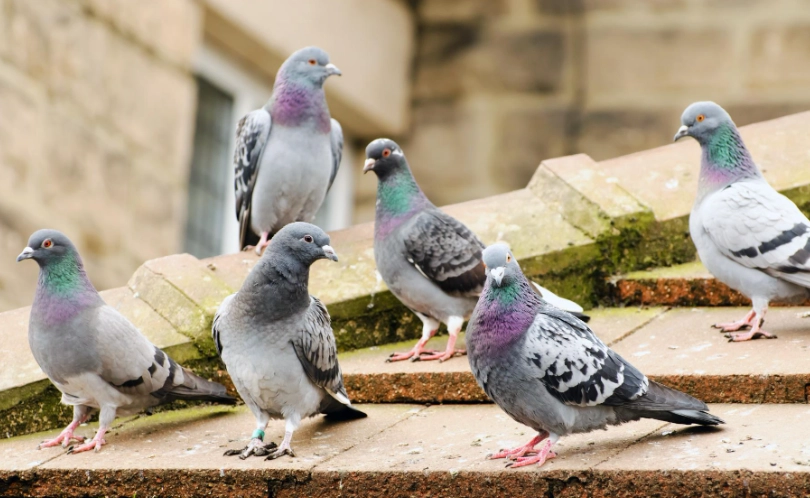
Feeding and Nutrition
I feed Cloud twice a day, a set amount (about 2 tablespoons) of his high-quality pigeon mix. Why measured? Pigeons, if free-fed, can get picky and only eat their favorite fatty seeds, leading to malnutrition. Fresh water is changed daily, without fail. Their water gets dirty fast—from food, from dunking their beaks, from bathing. I also provide a separate shallow dish of water a few times a week for bathing; they love it and it's crucial for feather health.
Grit and oyster shell are available in a separate little dish at all times. They know how much they need.
Cage and Environment Cleaning
This is the big one. Every single morning, I do a "poop sweep." I remove the soiled cage liner, wipe down any perches or surfaces with droppings, and refresh the food and water. Once a week, it's a deep clean: everything comes out, gets scrubbed with vet-approved disinfectant, rinsed thoroughly, and dried. The nest box gets fresh shavings. It sounds like a chore, and it is, but a clean cage means a healthy bird and no smell. A dirty cage is a fast track to disease.
Their space should be in a draft-free area away from direct sunlight and the kitchen (teflon fumes from overheated pans are deadly to birds).
Common Health Issues in Pigeons
Even with perfect care, pigeons can get sick. Knowing the signs is part of being a responsible owner. A sick bird hides illness until it's very advanced (a survival instinct), so you have to be observant.
>This is a VERY common protozoan parasite. Requires prescription medication (like Ronidazole) from an avian vet. All new birds should be quarantined and tested.>Can be bacterial, fungal, or viral. Avian vet immediately. Keep the bird warm and stress-free. Poor ventilation or dusty conditions often contribute.>Treat with bird-safe parasite powder or spray as directed by a vet. Deep clean the entire environment simultaneously.>This is an emergency. A stuck egg can be fatal. Provide warmth and humidity, but get to an avian vet immediately for possible calcium injection or manual extraction.>Caused by poor perches (all same diameter, dirty) or hard landings. Requires vet care for cleaning, antibiotics, and special padded perches during healing.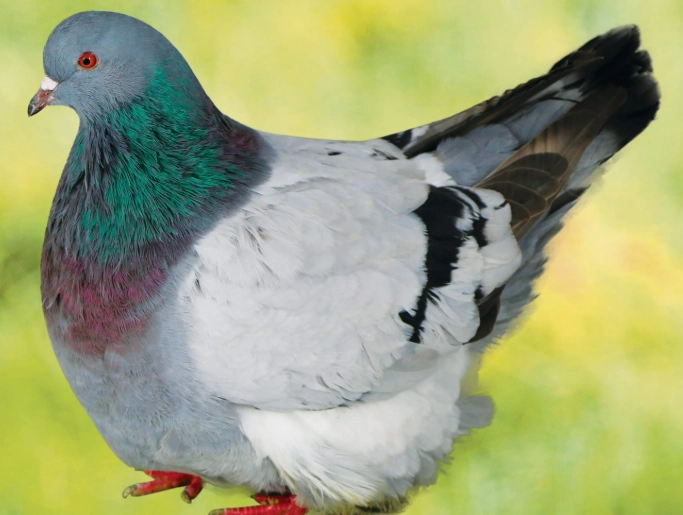
| Health Issue | Common Symptoms | What to Do |
|---|---|---|
| Canker (Trichomoniasis) | Yellowish, cheesy lesions in the mouth/throat, weight loss, reluctance to eat, wet-sounding breathing. | This is a VERY common protozoan parasite. Requires prescription medication (like Ronidazole) from an avian vet. All new birds should be quarantined and tested. |
| Respiratory Infection | Sneezing, coughing, nasal discharge, wheezing, labored breathing, tail-bobbing with each breath. | Can be bacterial, fungal, or viral. Avian vet immediately. Keep the bird warm and stress-free. Poor ventilation or dusty conditions often contribute. |
| External Parasites (Mites, Lice) | Excessive preening, feather damage, restlessness, visible tiny bugs around the vent or under wings. | Treat with bird-safe parasite powder or spray as directed by a vet. Deep clean the entire environment simultaneously. |
| Egg Binding | (In females) Straining, lethargy, fluffed-up appearance, a visibly swollen abdomen, sitting on the cage floor. | This is an emergency. A stuck egg can be fatal. Provide warmth and humidity, but get to an avian vet immediately for possible calcium injection or manual extraction. |
| Bumblefoot | Swollen, red, or scaly foot pads, possibly with a black scab. Lameness. | Caused by poor perches (all same diameter, dirty) or hard landings. Requires vet care for cleaning, antibiotics, and special padded perches during healing. |
The Merck Veterinary Manual has a detailed section on pigeon diseases that's a great resource for understanding these conditions better. But remember, it's for information—not for diagnosis. Your vet is the only one who can diagnose.
Training and Bonding with Your Pigeon
You don't train a pigeon like a dog, but you can build a wonderful bond based on trust. It starts with moving slowly and speaking softly. Let the bird get used to your presence. The key is positive reinforcement, usually with their favorite treat (for Cloud, it's safflower seeds).
Step 1: Target Training. Hold a chopstick or pen near the bird. When it looks at or touches the tip with its beak, say "good!" and give a seed. Repeat. Soon, you can guide them to step onto your hand by making your hand the "target." This is how I got Cloud comfortable with stepping up.
Step 2: Handling. Once they step up reliably, you can gently practice holding them with two hands, one over the back (wings secured) and one supporting the feet. Keep sessions short (5 minutes) and always end on a positive note with a treat.
Bonding happens during quiet time, too. Just sitting near the open cage door, reading or talking softly, lets them learn you're not a threat. Some pigeons, like mine, eventually enjoy gentle scratches on the head and neck.
Never force it. If they're scared, back off. Trust is everything.
Frequently Asked Questions (FAQs)
1. Specialty Breeders: Look for members of clubs like the American Pigeon Club. They care about their birds and bloodlines.
2. Rescue Organizations: This is the best option, in my opinion. Organizations like Palomacy have hundreds of domesticated pigeons (kings, fantails, homers) and doves surrendered or found lost, needing homes. You save a life and get a bird that's often already vetted.
3. Local Pigeon Fancier Clubs: Network with local enthusiasts who may know of birds needing rehoming.
So, there you have it. The whole, unvarnished truth about living with pigeons. They're not for everyone. In fact, they're probably not for most people. The mess, the space, the specialized care—it's a lot.
But if you've read this far, and the idea of a quiet, intelligent, deeply social companion who will greet you with a soft coo and a head bob is still appealing, even after all the talk of poop and vet bills... then you might just be the right kind of person for a pigeon. It's a niche hobby, but for those who fall for them, these birds become a unique and deeply rewarding part of the family. Just remember: do your homework, set up properly, and for heaven's sake, adopt don't shop if you can. There are so many wonderful "pegions" out there already looking for a second chance at a safe loft.
LEAVE A REPLY
Your email address will not be published. Required fields are marked *