Quick Guide
- What Exactly Is a Wasp Crane Fly? Let's Clear the Air
- The Lifecycle: From Underground Nuisance to Clumsy Flyer
- Wasp Crane Fly Behavior: What Are They Actually Doing?
- Do You Need to Control Them? A Practical Guide
- Common Questions About the Wasp Crane Fly (Answered)
- Final Thoughts: From Fear to Fascination
Let's be honest. The first time you see one of these things bumbling against your window screen on a summer evening, it's a bit of a shock. It looks like some mad scientist crossed a wasp with a daddy longlegs and forgot to install the steering. That long, needle-like body. Those ridiculously fragile legs that seem to go on forever. And that size – good grief, it's huge! Your brain screams "WASP!" but something's off. It flies like a drunken helicopter, not with the purposeful, angry buzz of a yellowjacket. Welcome to the confusing, fascinating world of the insect often called the wasp crane fly.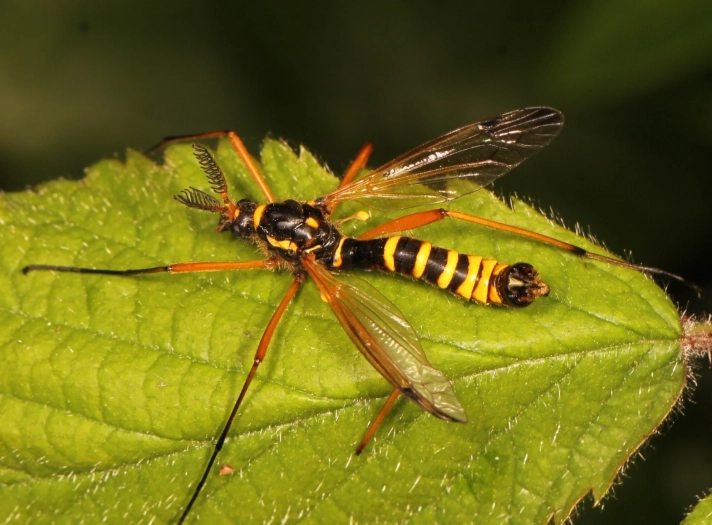
I remember one summer, my mom nearly had a heart attack when one of these drifted into the living room. She was ready to declare chemical warfare until I managed to (very carefully) usher it back outside. That moment got me digging. What exactly is this creature that inspires such instant, yet often misplaced, panic? Turns out, the story of the wasp crane fly is a perfect lesson in why looks can be incredibly deceiving in the insect world.
What Exactly Is a Wasp Crane Fly? Let's Clear the Air
First things first, let's settle the taxonomy. Calling it a "wasp crane fly" is like calling a zebra a "striped horse." It gets the general idea across, but it's not scientifically precise. This insect belongs to the family Tipulidae, the crane flies. Within that family, certain genera, like Nephrotoma or Tipula, contain species that have evolved a striking resemblance to stinging wasps. This is a form of Batesian mimicry – a harmless organism (the fly) copies the warning signals of a harmful one (the wasp) to avoid being eaten.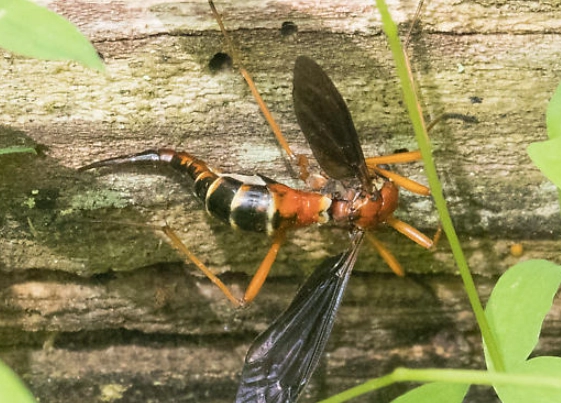
Think about it from a bird's perspective. A quick glimpse of a long, yellow-and-black body triggers an "avoid" response learned from painful encounters with real wasps. The crane fly gets a free pass. Pretty clever, really. So, when you're trying to identify a wasp crane fly, you're essentially looking for a crane fly that has successfully cosplayed as a wasp for millions of years.
Key Features: The Wasp Crane Fly Identification Checklist
Don't just go by the panic feeling. Look for these specific traits:
- The V-Shape: This is the dead giveaway. When at rest, most crane flies hold their wings flat or slightly rooflike over their body. Many wasp-mimicking species hold their wings out at a distinct V-shaped angle, which further enhances their wasp-like silhouette.
- The Waist: A real crane fly typically has a fairly uniform, cylindrical abdomen. The wasp crane fly has a noticeable constriction, creating a slender "waist" between the thorax and abdomen, just like a wasp or ant.
- Color Patterns: While not always bright yellow and black (some are more muted browns and yellows), many have banding or patterning on the abdomen that reinforces the wasp illusion.
- Legs: The trademark crane fly legs are all present – extremely long, thin, and fragile. A real wasp has much sturdier, shorter legs. If it looks like it's walking on stilts, it's a fly.
- Antennae: Often short and inconspicuous. Wasps usually have more pronounced, elbowed antennae.
Here’s a quick side-by-side to burn the difference into your brain:
| Feature | Wasp Crane Fly | True Wasp (e.g., Yellowjacket) |
|---|---|---|
| Body Shape | Slender with a pinched "waist" | Slender with a very narrow, distinct waist |
| Legs | Extremely long, thin, fragile, dangle in flight | Shorter, sturdier, held closer to body |
| Wings | Two wings, often held in a "V" at rest | Two pairs of wings (4 total), hooked together, folded lengthwise at rest |
| Flight Pattern | Slow, wobbly, drifting, seemingly uncoordinated | Fast, direct, agile, purposeful buzzing |
| Antennae | Often short and thread-like or feathery | Elbowed, fairly long and noticeable |
| Stinger | ABSOLUTELY NONE. Physically incapable of stinging. | Has a stinger connected to a venom gland. |
| Mouthparts | Non-functional or sponge-like for moisture (adults) | Strong mandibles for chewing/collecting material |
The Lifecycle: From Underground Nuisance to Clumsy Flyer
Understanding the whole life story of the wasp crane fly explains a lot about where you find them and why. Their year is spent mostly out of sight, doing things you might not love if you're a proud lawn owner.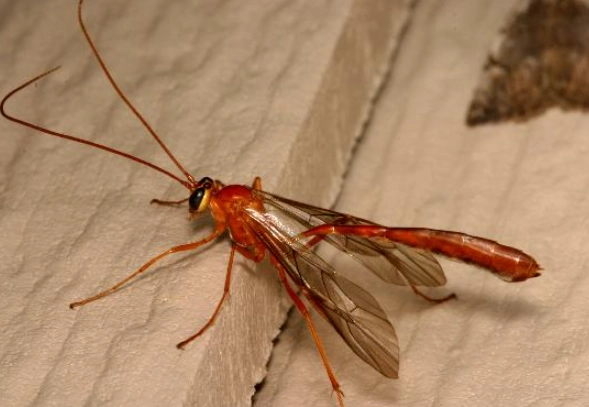
The Larval Stage: The Not-So-Glamorous "Leatherjacket"
This is the stage that gives crane flies a bit of a bad rap. After mating, females lay eggs in damp soil, often in lawns, pastures, or along stream banks. The eggs hatch into larvae commonly called leatherjackets.
Let's talk about these guys. They're legless, grayish-brown, grub-like creatures with a tough, leathery skin (hence the name). They live in the top layer of soil or thatch. Now, here's the controversial part: what do they eat? It depends on the species. Some crane fly larvae are decomposers, munching on decaying plant matter and actually improving soil health. Others, however, will feed on the roots and crowns of grasses and young plants.
I've seen patches in my own lawn that turned brown and could be peeled back like a carpet, revealing dozens of these larvae underneath. It was not a happy gardening moment. It's usually the larvae of certain Tipula species that are the culprits in lawn damage. The wasp-mimicking adults you see are often from these same groups. So the adult might be harmless, but its kids might be stressing your grass.
For accurate information on crane fly larvae and their impact, resources from university entomology departments are invaluable. The University of Kentucky Entomology department, for example, has detailed guides on crane fly biology that clarify which species are true pests and which are benign recyclers.
Pupation and the Brief Adult Life
After a larval stage that can last from several months to over a year (depending on species and climate), the leatherjacket pupates in the soil. Then, the adult emerges. And here's the kicker about the adult wasp crane fly: it might not eat at all.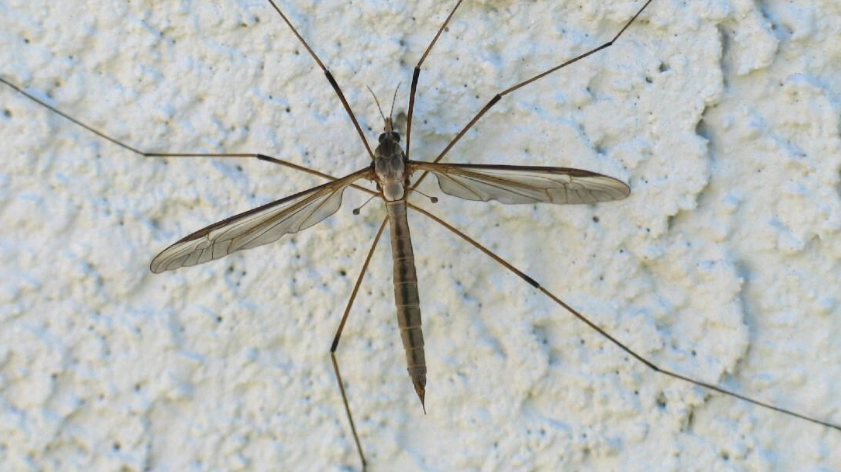
Many species have vestigial mouthparts. Their sole purpose as adults is to find a mate, reproduce, and die. This entire aerial phase might last only a few days to a couple of weeks. That clumsy flight? It makes sense if you're on a tight schedule with no need for precision hunting or gathering. They're fueled entirely by energy stored from their larval feeding. They're basically living on a timer.
They're attracted to lights at night, which is why they often end up on your porch or banging against windows. They're not trying to get in to attack; they're just terrible navigators drawn to the glow.
Wasp Crane Fly Behavior: What Are They Actually Doing?
So you see one bouncing around. What's its deal?
- They Don't Bite or Sting: I can't stress this enough. They. Cannot. Hurt. You. Physically. No stinger, no venom, no biting mouthparts. The worst they can do is startle you.
- They Don't Eat Your Clothes or Food: Unlike some other flies, adults aren't interested in your picnic or your wool sweaters. They have no ability to chew or bite.
- They're Poor Fliers: Their flight is weak and erratic. They're easy prey for birds, bats, and other insects. That mimicry is their primary defense.
- They're Short-Lived: Remember, the adult stage is a fleeting reproductive finale. That giant, scary-looking insect on your curtain is basically at the end of its natural life, living on borrowed time.
Do You Need to Control Them? A Practical Guide
This is where we separate concern from overreaction. The need for control hinges almost entirely on the larval stage, not the alarming-looking adults.
When Control Might Be Considered
You might have a problem worth addressing if:
- You notice large, irregular brown patches in your lawn that detach easily (sign of heavy leatherjacket feeding).
- You see an unusual abundance of adult crane flies around your property in spring or fall, suggesting a large local population.
- Birds, skunks, or other animals are actively digging up your lawn to feast on the larvae – the damage from the predators can be worse than from the larvae themselves!
Effective Control Strategies (Focus on the Larva)
Forget spraying the adults. It's pointless and kills beneficial insects. Target the lifecycle.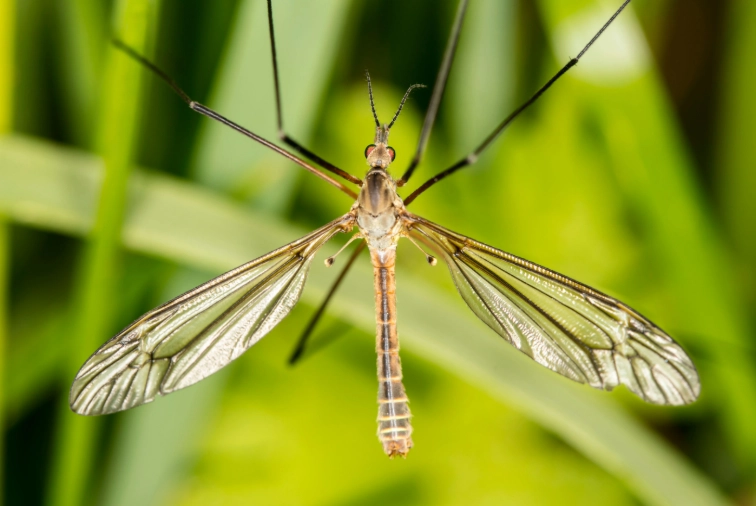
Cultural & Physical Controls (The Best First Step):
- Improve Lawn Health: A thick, healthy lawn is more resistant. Aerate compacted soil, dethatch, and fertilize appropriately. Strong grass roots can withstand some feeding.
- Reduce Moisture: Crane flies love damp soil. Improve drainage, avoid overwatering, and fix leaky sprinklers.
- Natural Predators: Encourage birds, ground beetles, and parasitic nematodes (specifically Steinernema feltiae) which are natural enemies of leatherjackets.
- Manual Removal: In small areas, you can water the lawn in the evening and place a tarp or plastic sheet over it. Larvae will come to the surface overnight, and you can collect and dispose of them in the morning. It's labor-intensive but chemical-free.
Chemical Controls (A Last Resort):
If damage is severe, insecticides labeled for crane fly or leatherjacket control in lawns can be used. Timing is critical. The best window is usually in late fall or early spring when the larvae are small and actively feeding near the surface. Always follow label instructions to the letter. Consider spot-treating only the affected areas rather than the whole lawn.
For the adults that get inside? Just guide them out with a glass and a piece of paper. Or use a vacuum cleaner if you're squeamish. No bug spray needed.
Common Questions About the Wasp Crane Fly (Answered)
Here are the things people are really typing into Google when they encounter this insect.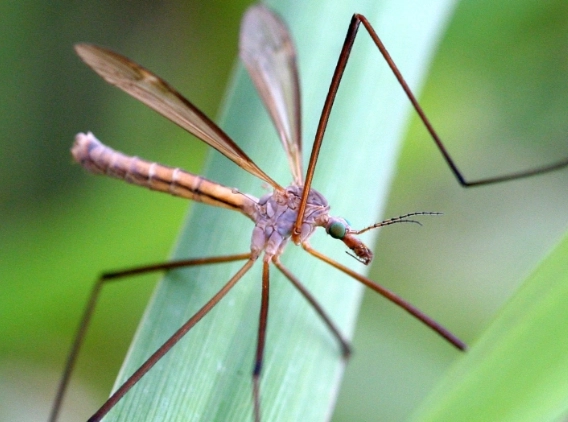
Final Thoughts: From Fear to Fascination
The wasp crane fly is a masterpiece of evolutionary bluffing. It's an insect that has traded offensive weaponry for a really good costume. Once you know its secret – that it's all show and no sting – the fear melts away and is replaced by a kind of curiosity. That giant, scary-looking bug bumbling into your lamp is just a brief, final act in a life spent mostly underground, and it's utterly incapable of harming you.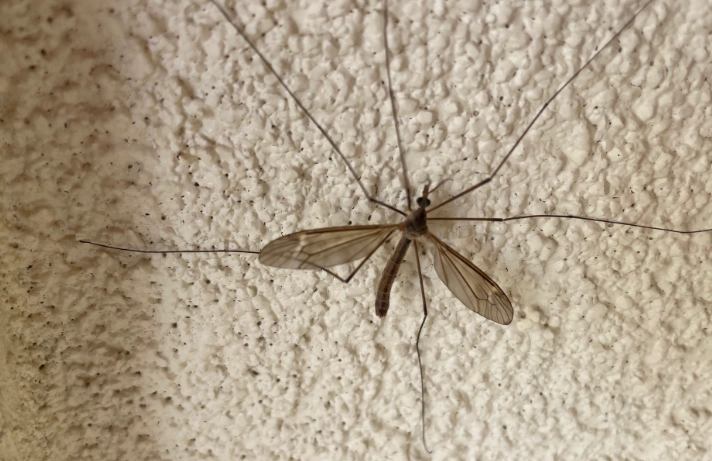
Sure, if their larvae are tearing up your lawn, that's a separate, practical issue to manage at the soil level. But the adults? They deserve a pass. Next time you see one, take a closer look. Appreciate the intricate mimicry, the absurdly long legs, the delicate wings. Maybe even show a kid how harmless it is. You'll be turning a moment of instinctive panic into a tiny lesson about nature's clever tricks. And you'll know you've got the real story on the so-called wasp crane fly, an insect that's far more interesting than it is intimidating.
For those wanting to dive deeper into crane fly identification beyond the wasp mimics, citizen science platforms like BugGuide are fantastic. You can browse thousands of user-submitted photos, compare species, and even get help from expert identifiers. It's a great way to move from general fear to specific knowledge.
LEAVE A REPLY
Your email address will not be published. Required fields are marked *