快速导览
- What Exactly Is a Crane Bug? Busting the Myths
- How to Know for Sure If You Have a Crane Bug Infestation
- The Real Cost of Crane Bug Damage
- Your Action Plan: How to Get Rid of Crane Bugs
- Prevention: Stopping Crane Bugs Before They Start
- Common Questions About Crane Bugs (Answered)
- Putting It All Together: A Seasonal Crane Bug Management Calendar
So you've got patches of brown, dead grass. Maybe you've seen some gangly, mosquito-looking insects bouncing around your patio light. Your neighbor, or a quick online search, might have said "crane bugs." And now you're here, probably frustrated and looking for a real answer, not just some generic pest control fluff.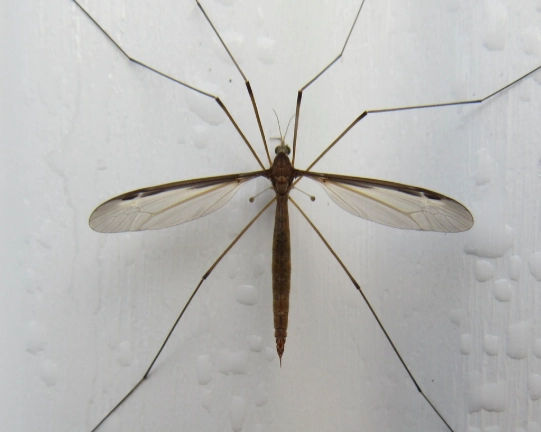
Let's get this out of the way first: the term "crane bug" is a bit of a misnomer. It's what a lot of people call the larval stage of the crane fly. You know, those harmless, clumsy flying insects that look like giant mosquitoes but can't bite? Their kids are the troublemakers. The proper name for these soil-dwelling grubs is leatherjackets.
I learned this the hard way a few years back. I spent a small fortune on fungicides, thinking I had a disease. The grass just kept dying. It wasn't until I finally got down on my hands and knees and peeled back a sod patch that I saw them. Dozens of grayish-brown, legless grubs, just chilling in the soil. That was my introduction to the crane bug.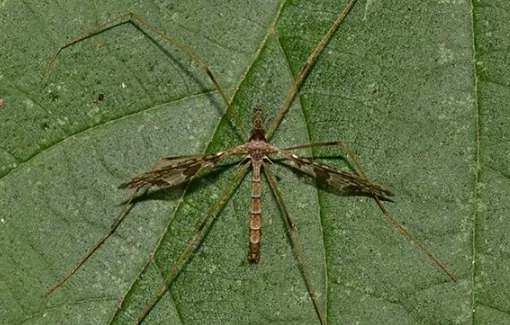
What Exactly Is a Crane Bug? Busting the Myths
If you're going to fight something, you need to know what it is. Let's break down the life cycle, because timing your attack is half the battle.
The Crane Fly (The Adult)
This is the part everyone sees. They emerge from the lawn, often in late summer or early fall. They're awful fliers, all legs and very little body control. Their sole purpose as adults is to mate and lay eggs back into the soil. They don't eat your plants. They don't bite. They're just... there. Annoying, but harmless. The problem starts when those eggs hatch.
The Leatherjacket (The Real Crane Bug)
This is your enemy. The eggs hatch into tiny larvae that immediately start feeding. They're called leatherjackets because their skin is tough and leathery. They look like worms, but they're not. They're grubs.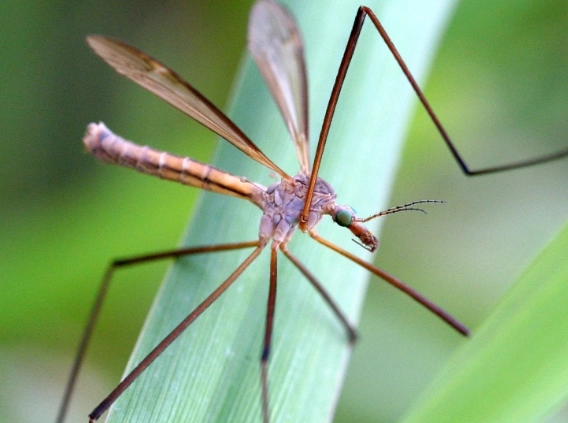
They spend the entire fall, winter, and spring living in the top inch or two of your soil. On warm winter days, they're still down there, active, eating. Their menu? The tender roots of your grass plants. They essentially sever the grass from its food and water supply. The plant turns yellow, then brown, and dies. You can often pull up the dead turf like a loose carpet because the roots are gone.
How to Know for Sure If You Have a Crane Bug Infestation
Don't just guess. Misdiagnosing your lawn problem means wasting money on the wrong treatment. Here’s how to confirm you’re dealing with leatherjackets.
The Look of the Damage: Patches of lawn that turn yellow and die, often starting in the fall and getting progressively worse through spring. The patches might merge into large, irregular areas. The grass pulls up with absolutely no effort—no roots holding it down.
The "Tug Test": Grab a handful of grass in a suspect area and give it a gentle upward pull. If it comes up easily, revealing no white roots, you've got a red flag.
The Soap Flush Test (The Definitive Check): This is the best way. Mix 1-2 tablespoons of liquid dish soap (the plain, cheap kind) with a gallon of water. Pour it slowly over a one-square-foot section of damaged lawn. Wait 5-10 minutes.
If they're there, they'll come up.
The soap irritates their skin and they'll wriggle to the surface. You'll see those grayish-brown, legless grubs, usually between 1/2 inch to over an inch long. Count them. A few might be normal. More than 10-15 per square foot means you have a problem that needs action.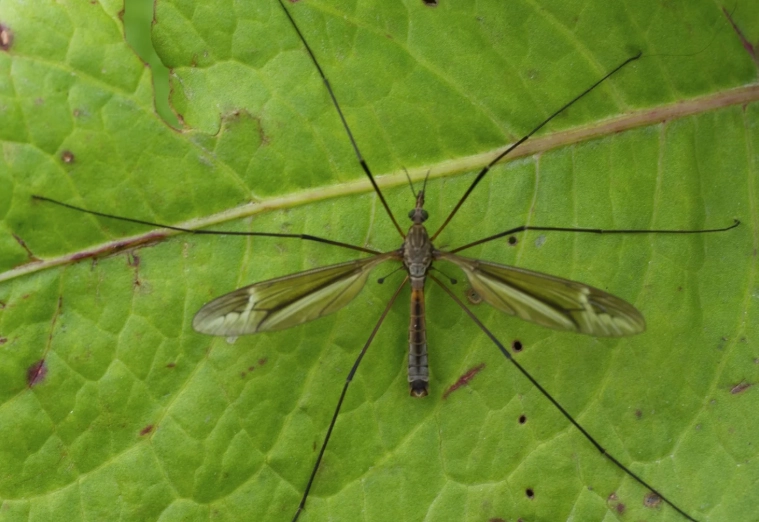
I remember doing this test and feeling a mix of vindication and dread. Seeing them writhe on the surface was gross, but at least I knew what I was fighting.
The Real Cost of Crane Bug Damage
It's not just about a few brown spots. A severe crane bug infestation has cascading effects.
- Complete Lawn Loss: Large areas can be killed, requiring expensive reseeding or sodding.
- Weed Invasion: The bare patches left behind are perfect landing strips for weed seeds like crabgrass and chickweed. You solve the grub problem only to face a weed problem.
- Secondary Pest Attraction: Skunks, raccoons, and birds love to eat leatherjackets. They'll tear up your lawn overnight digging for them, causing more damage than the grubs themselves.
- Financial Drain: Wasted money on incorrect treatments (fungicides, wrong insecticides), plus the cost of eventual lawn renovation.
Your Action Plan: How to Get Rid of Crane Bugs
Okay, you've confirmed it. You've got them. Now what? Your strategy depends heavily on the time of year and how badly you want to avoid chemicals. Let's be real—sometimes the organic route is a struggle with a big infestation.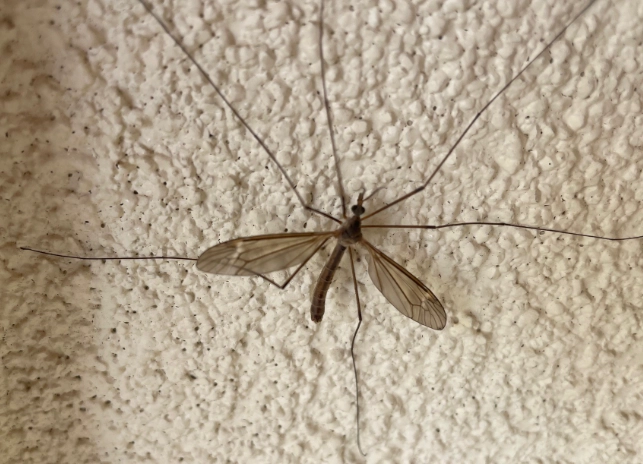
Biological & Organic Control Methods
These are my first line of defense. They work best as preventative measures or for mild problems.
Beneficial Nematodes (Heterorhabditis bacteriophora): These are microscopic worms that are parasites to grubs. You mix them with water and spray them on the lawn. They seek out the leatherjackets, enter their bodies, and release bacteria that kills them. It sounds like sci-fi, but it works. The catch? The soil temperature needs to be above 50°F (10°C), and the lawn needs to be kept moist for a week or two after application. Fall and spring are good times. It's not an instant fix, but it's a fantastic, natural long-term solution. You can find reliable information on their use from sources like the University of Kentucky Entomology department.
Bacillus thuringiensis var. israelensis (Bti): This is a naturally occurring bacteria that's toxic to certain fly larvae. Some studies and gardeners report success with it against leatherjackets, though it's more famous for killing mosquito larvae. It's worth a try in wet conditions.
Cultural Practices: A healthy lawn is more resilient. Don't overwater in late summer (which can create ideal conditions for egg-laying adults). Mow at a higher setting (3+ inches) to encourage deep roots. Dethatch regularly, as thatch is a great hiding place for the grubs.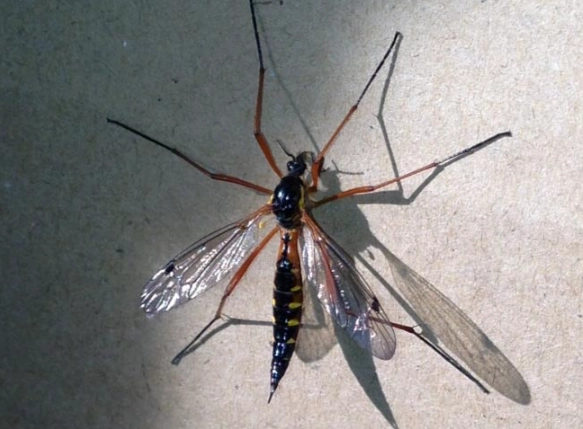
Chemical Control Options
Sometimes, you need the heavy artillery. The key is using the right chemical at the right time. Insecticides fall into two main categories:
Curative Insecticides (Short-Term): These kill on contact and work quickly. They're usually applied in fall or spring when the grubs are actively feeding near the surface. Examples contain carbaryl or trichlorfon. They get the job done, but they're broader spectrum and can harm beneficial insects too. I use these as a last resort.
Preventative Insecticides (Long-Term): These are the modern standard for grub control. Products containing imidacloprid, chlorantraniliprole, or clothianidin are applied in late summer (before early September). The product is watered into the soil where the young, newly hatched grubs eat it as they start feeding. It stops the problem before you ever see damage. This is a proactive approach.
Here’s a quick comparison to help you decide:
| Method | Best Time to Apply | How It Works | Pros | Cons |
|---|---|---|---|---|
| Beneficial Nematodes | Spring or Fall (soil >50°F) | Parasitic worms infect & kill grubs | Fully organic, safe for pets/people, long-term soil health | Slow, requires precise conditions (moisture, temp), can be costly for large areas |
| Preventative Insecticide (e.g., Imidacloprid) | Late Summer (Aug-early Sept) | Grubs ingest toxin as they hatch and feed | Highly effective, stops damage before it starts, one application per season | Chemical, can affect non-target insects if misapplied |
| Curative Insecticide (e.g., Carbaryl) | Fall or Spring when grubs are active | Kills grubs on contact or via ingestion | Fast results for existing infestations | Harsher chemical, broader spectrum kill, doesn't prevent future problems |
A crucial resource for understanding the science and safety behind these options is the Penn State Extension website. Their articles on turfgrass insect management are unbiased and research-based.
Prevention: Stopping Crane Bugs Before They Start
Fixing an infestation is a pain. Preventing one is smarter. Your goal is to make your lawn less appealing to the egg-laying adult crane flies.
- Light Management: Adult crane flies are attracted to lights. Consider turning off unnecessary outdoor lights in late summer/early fall during their peak activity.
- Lawn Health is Everything: Again, thick, healthy grass with strong roots can withstand a few grubs and makes it harder for adults to access the soil to lay eggs. Regular aeration helps.
- Consider a Preventative Application: If you've had problems before, applying a preventative insecticide (like chlorantraniliprole) in late summer is the most surefire way to have a grub-free lawn the following spring. It's a personal choice, but for me, after that first big infestation, I do it every other year for peace of mind.
Common Questions About Crane Bugs (Answered)
Let's tackle some of the specific things people are typing into Google right now.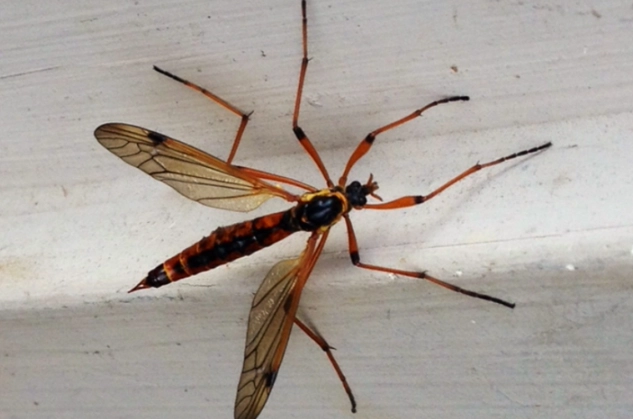
Are crane bugs dangerous to humans or pets?
Not at all. The adults can't bite or sting. The larvae live in the soil. They pose zero direct threat. The insecticides used to control them, however, can be. Always follow label directions to the letter and keep pets off treated lawns until the product has dried or been watered in as directed.
What's the difference between crane bug grubs and other white grubs (like Japanese Beetle grubs)?
Great question. This confuses everyone. Japanese beetle grubs (and other scarab beetle grubs) are white or cream-colored, have a distinct C-shape when resting, and have six prominent legs right behind their head. Leatherjackets (crane bug grubs) are gray, brown, or greenish, are more straight or worm-like, and have no visible legs. The damage they cause is similar, but the identification is key because some insecticides are labeled specifically for certain grub types. The University of Minnesota Extension has excellent visual guides to tell them apart.
Can I just let birds eat them? Isn't that natural control?
You can, but be prepared for the consequences. Birds, skunks, and armadillos (in the south) are excellent at finding them. The problem is their method. They don't gently pluck them out. They peel back your turf like they're opening a present, destroying large sections of lawn in the process. The animal damage is often worse than the initial grub damage.
I have a new lawn (sod or seed). Am I more at risk?
Possibly. Freshly disturbed, moist soil can be attractive to egg-laying females. Keep an eye on new lawns, especially in their first fall. The soap test is a good check if you're worried.
The bottom line is you're not powerless against these things.
Putting It All Together: A Seasonal Crane Bug Management Calendar
Let's simplify this into a year-round plan so you're never caught off guard.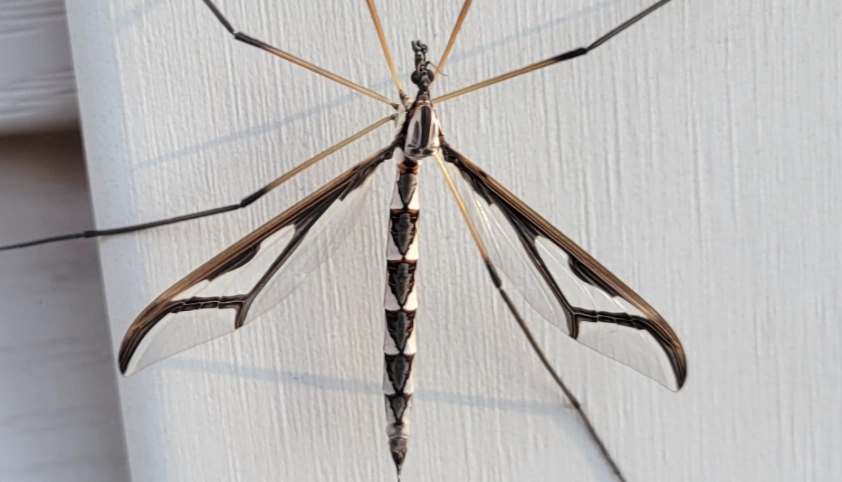
Late Summer (August - Early September): This is preventative season. If you're going to use a preventative insecticide, apply it now. The adults are active, mating, and laying eggs. Also, mow high and start easing off excessive watering.
Fall (October - November): This is when you might first notice damage from early hatching grubs. Perform the soap test if you see yellowing. If you find an active infestation, this is a good time for a curative insecticide OR an application of beneficial nematodes (if soil is still warm).
Winter: Monitor. Damage might appear stagnant. On mild days, grubs can still be feeding just below the surface.
Spring (March - May): The grubs are active again, feeding heavily before they pupate. This is the last effective window for curative control. Soap test again. Apply nematodes or a curative insecticide if needed. This is also the time to repair any damaged areas by raking and overseeding.
Early Summer (June - July): The grubs pupate and turn into adults. No controls are effective at this stage. Focus on general lawn health—mowing, watering deeply but infrequently—to prepare it for the next potential cycle.
Dealing with a crane bug problem is frustrating, but it's a solvable puzzle. It starts with knowing your enemy—that ugly little leatherjacket grub. From there, you choose your tools based on the season and your own gardening philosophy. Whether you go the natural route with nematodes or use a targeted pesticide, the goal is the same: a thick, healthy, green lawn that you can actually enjoy, not just constantly fight for.
Take it from someone who's been there. Don't ignore those brown patches. Get down, do the soap test, and know what you're dealing with. Your lawn will thank you.
LEAVE A REPLY
Your email address will not be published. Required fields are marked *