In This Guide
- The Big Four: Common Paper Wasp Types You'll Likely Meet
- Beyond Polistes: Other Wasps That Build "Paper" Nests
- How to Actually Identify Them in Your Yard (A Practical Guide)
- The Good, The Bad, and The Itchy: Their Role in Your Garden
- What To Do If You Find a Nest: A Realistic Action Plan
- Answers to the Questions You're Probably Asking
You've seen them. That grayish, papery nest shaped like an upside-down umbrella, often tucked under the eaves of your house, a porch ceiling, or inside a garden shed. A few slender insects with dangly legs calmly walking over its surface. That's a paper wasp nest. And if you're like most people, your first thought isn't "What fascinating species is this?" It's more like, "Do I need to get rid of this, and how do I not get stung doing it?"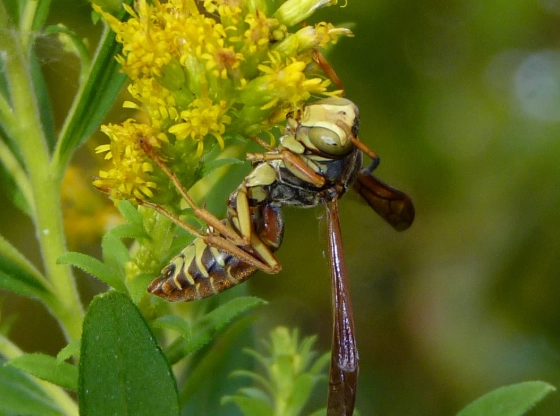
I get it. I've been there, staring up at a nest, spray can in hand, heart pounding. But over the years, I've learned that not all paper wasp types are created equal. Some are more docile, others more defensive. Some are native and incredibly beneficial, while one major type is a notorious invasive pest. Knowing the difference changes everything—it can mean the difference between peacefully coexisting with a helpful garden ally and declaring all-out war on a aggressive colony that needs to go.
So let's ditch the fear for a minute and get curious. What are the different paper wasp species you might find in North America? How can you tell them apart? And most importantly, what should you actually do when you find one? This guide is my attempt to answer all that, based on a mix of research, talking to entomologists, and my own sometimes-painful experiences in the garden.
The Big Four: Common Paper Wasp Types You'll Likely Meet
When we talk about paper wasp types, we're usually referring to wasps in the genus Polistes. They're the classic builders of those open-comb, single-layer nests. While there are over 200 species globally, a handful dominate our backyards. Here’s a breakdown of the main characters in this drama.
I find a table is the easiest way to compare them head-to-head. It cuts through the confusion fast.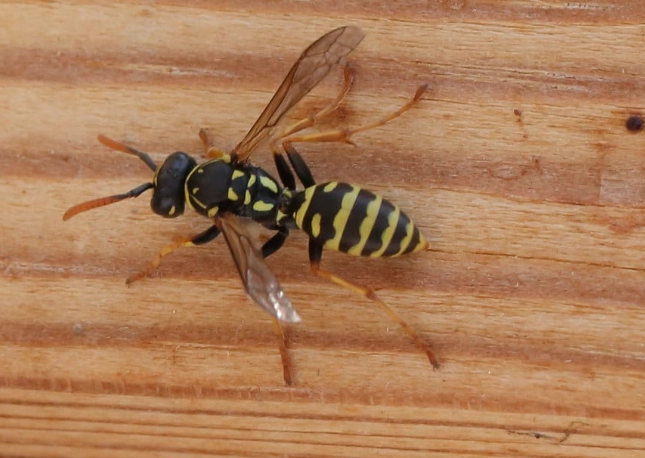
| Species (Common Name) | Key Identifying Features | Typical Nest Location | Temperament & Notes |
|---|---|---|---|
| Northern Paper Wasp (Polistes fuscatus) |
Variable color (brown, reddish, with yellow markings). Slender body. Antennae with orange-tipped ends. | Protected man-made structures: eaves, attics, pipes, under deck railings. | One of the most common native species. Generally less aggressive unless the nest is directly threatened. Important predator of caterpillars. |
| European Paper Wasp (Polistes dominula) |
Black with bold yellow markings. Clean yellow antennae. Legs mostly yellow, often held close to body in flight. | INVASIVE. Very adaptable: inside small cavities (mailboxes, grill covers, light fixtures), under eaves, in shrubs. | The most problematic. More aggressive, colonies can be large. Outcompetes natives. Responsible for many "paper wasp" stings. |
| Golden Paper Wasp (Polistes aurifer) |
Rich golden-yellow and black bands. Looks strikingly bright. | Similar to Northern Paper Wasp—protected horizontal surfaces. | Another native. Behavior similar to P. fuscatus. Its beautiful color makes it stand out, but it's not necessarily more aggressive. |
| Texas Paper Wasp (Polistes apachus) |
Larger. Yellow and reddish-brown coloration. | Prefers arid regions. Often on building overhangs, shrubs, and trees. | Can be more defensive of its nest than other native Polistes. Found in the Southwestern U.S. |
See? Just looking at color and where they build tells you a lot. That European Paper Wasp is really the one to watch. I remember the first time I confidently approached what I thought was a native nest, only to get much more attention from the wasps than I expected. Turns out, it was a European colony tucked into a folded-up patio chair. Lesson learned the hard way.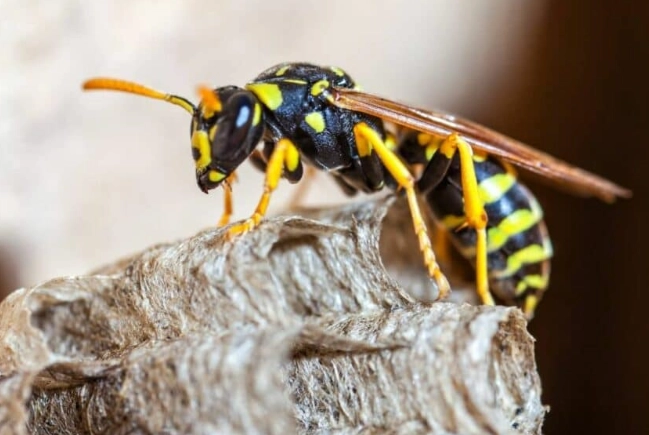
Why the European Paper Wasp is Public Enemy Number One
This deserves its own section. The European Paper Wasp (Polistes dominula) was first found in North America in the late 1970s and has spread like wildfire. Why is it such a successful invader?
First, it's not fussy. While our native paper wasp types often need a specific kind of protected overhang, the European will nest anywhere. An empty flowerpot? Sure. Your child's playset? Why not. The gap in your fence post? Perfect. This adaptability means they colonize areas faster.
Second, they have a higher reproductive rate and form bigger colonies. More wasps per nest often means more defenders.
Finally, and this is key, they are just more aggressive in defending their nest. Their alert distance is shorter. They’re quicker to perceive a threat and pursue it farther. This aggressive trait is a big reason why people's general perception of "paper wasps" has soured. It's often this specific type causing the trouble. The University of Kentucky Entomology Department has a great fact sheet detailing its spread and impact.
Beyond Polistes: Other Wasps That Build "Paper" Nests
Now, things get a bit trickier. When people search for paper wasp types, they sometimes lump in other social wasps that also make paper nests. They're related, but behaviorally different. The two main groups are yellowjackets and hornets.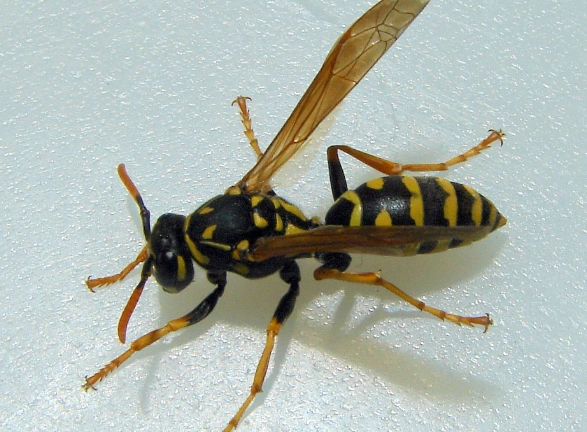
Yellowjackets (Vespula & Dolichovespula spp.): These are the ones that ruin picnics. Their nests are enclosed in a paper envelope, often with a single entrance hole. They can be underground, in wall voids, or in shrubs. They are famously aggressive, especially in late summer, and are attracted to human food and drink. They are chunkier and brighter yellow than most Polistes paper wasps.
Bald-Faced Hornets (Dolichovespula maculata): Actually a type of yellowjacket, these build those large, gray, football-shaped nests in trees or shrubs. They are fiercely protective but beneficial predators. Their distinctive black and white (not yellow) color sets them apart.
So, the main takeaway? If the nest is an open comb you can see the cells from below, it's a true Polistes paper wasp. If it's a closed ball or hidden away, you're likely dealing with a yellowjacket or hornet—which usually calls for a different, often more cautious, management strategy.
How to Actually Identify Them in Your Yard (A Practical Guide)
Okay, you're not going to get a microscope out. Here’s how to ID these paper wasp types using just your eyes and common sense.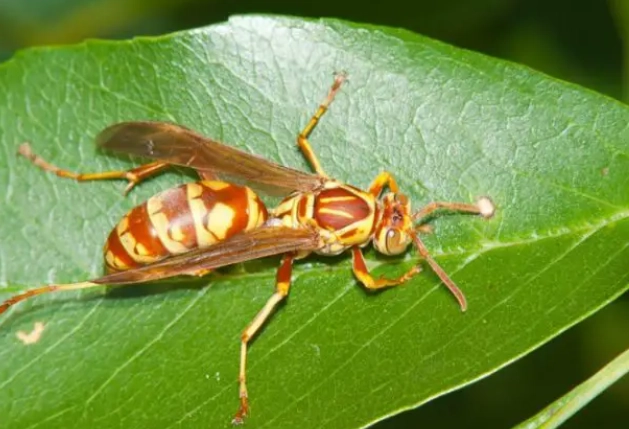
Step 1: Look at the Nest
- Open Comb, No Envelope: Congratulations, you have a true paper wasp (genus Polistes). Proceed to Step 2.
- Closed Ball/Football Shape: That's a yellowjacket or bald-faced hornet nest. More caution needed.
- Coming from a Hole in the Ground: Almost certainly ground-nesting yellowjackets. Very aggressive.
Step 2: Look at the Wasp's Color & Posture
- Black with bright, clear yellow bands, yellow legs held close in flight? High chance it's the invasive European Paper Wasp.
- More variable brown/red with some yellow, orange-tipped antennae, legs dangling in flight? Likely a native like the Northern or Golden Paper Wasp.
- Larger, with reddish-brown hues? Could be the Texas Paper Wasp if you're in the Southwest.
Step 3: Observe the Location
A nest in a tiny, enclosed cavity screams European. A nest on a broad, open overhang could be any of them, but leans native.
This three-step process usually gets me to a good enough answer to decide what to do next. The Iowa State University Extension has some excellent visual guides that help cement these differences.
The Good, The Bad, and The Itchy: Their Role in Your Garden
This is the part that makes me pause before I reach for the spray. Most native paper wasp types are fantastic for your garden. I mean, they're working for you for free.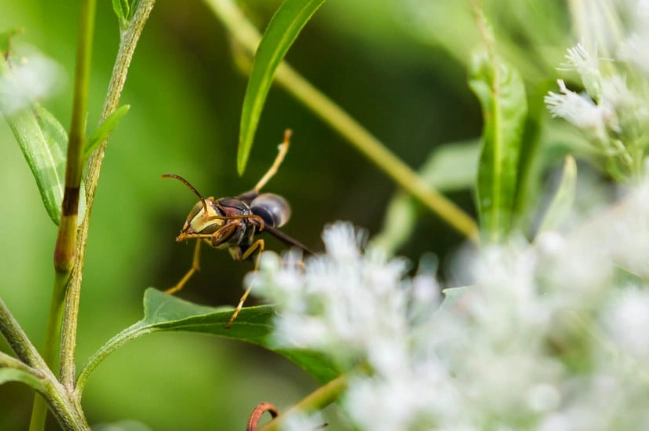
The Good (And It's Really Good): Adult paper wasps are primarily nectar feeders. But they hunt caterpillars and other soft-bodied insects to feed their larvae. We're talking hornworms, cabbage loopers, armyworms—the very pests that devour your tomatoes, broccoli, and flowers. A single colony can remove hundreds of pests from your garden over a season. They are a form of natural pest control. I've noticed fewer chewed leaves in parts of my garden where I've tolerated a small, out-of-the-way nest.
The Bad: The risk of stings. Unlike honey bees, wasps can sting repeatedly. Their sting is painful and can cause severe allergic reactions in some people. The European Paper Wasp elevates this risk due to its aggression and tendency to nest in high-traffic areas.
The Balancing Act: So you have to weigh the benefit against the risk. A nest at the back of the tool shed, far from where anyone goes? That might be a keeper. A nest on the front porch railing or inside the mailbox? That's a hazard that needs removal. The USDA Forest Service highlights their important role as pollinators and predators, which is worth remembering.
What To Do If You Find a Nest: A Realistic Action Plan
Let's get practical. Here’s my personal decision tree, born of trial and error.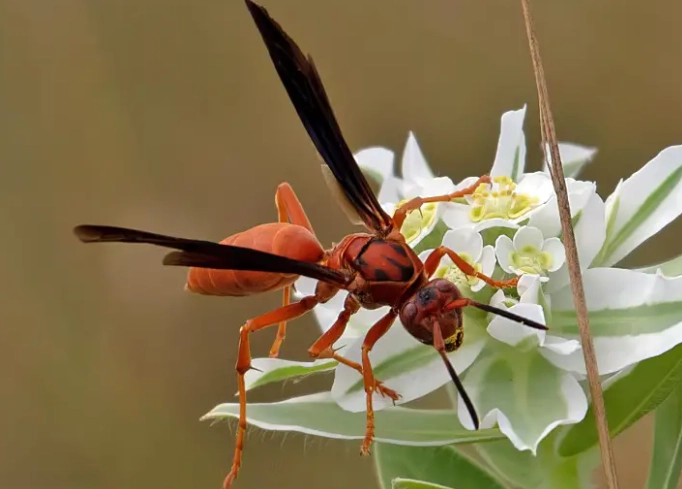
Scenario 1: The Nest is Out of the Way and Small. This is usually an early-season nest (spring/early summer) with just a founding queen or a few workers. I often leave these alone, especially if they are a native species. They are not seeking conflict. Just establish a "no-fly zone" of about 5-10 feet around it and don't make sudden movements directly near it.
Scenario 2: The Nest is in a Problematic Location or is European. If it's on a doorframe, playground, or is clearly the aggressive European type, removal is wise. Timing is everything.
- Best Time: Late evening or very early morning, when all wasps are on the nest and are sluggish due to cool temperatures. No exceptions. Doing it at noon is asking for trouble.
- Method: Use a commercial wasp spray with a long-range jet stream (15-20 feet). Saturate the nest entrance and the comb itself. Wear protective clothing—long sleeves, pants, gloves, goggles. Seriously, the goggles.
- Aftermath: Leave the area immediately. Don't check on it for at least 24 hours. Then, you can knock down the nest and dispose of it.
Scenario 3: The Nest is Large, Hidden, or You're Unsure/Allergic. This is the only right answer: call a professional pest control operator. It's not worth the risk. A large, late-summer colony can contain dozens of wasps that will erupt simultaneously if threatened.
I made the mistake of underestimating a nest inside a hollow garden ornament once. It wasn't a paper wasp—it was yellowjackets. I learned about rapid, coordinated defense in a very personal way. Hire a pro.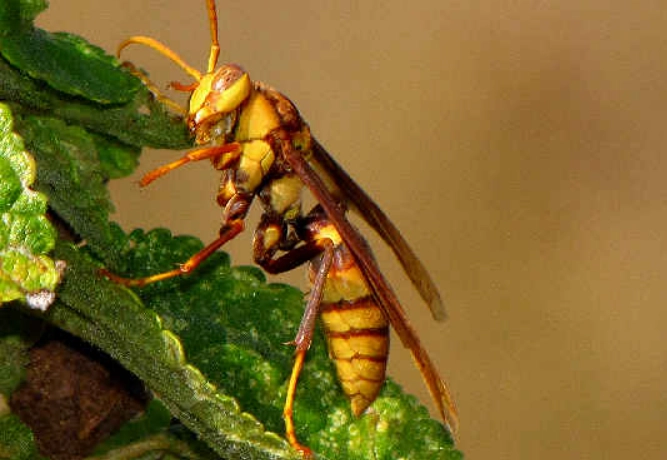
Answers to the Questions You're Probably Asking
Let's wrap up with some straight talk on common concerns. These are the things people really want to know.
Are paper wasps and yellowjackets the same thing?
No. They're both social wasps that make paper nests, but that's where the similarity ends. Think of them like cousins. Paper wasps (Polistes) have open-comb nests, longer legs, and are generally less aggressive (except the European). Yellowjackets have enclosed nests, are attracted to food, and are notoriously aggressive. It's crucial to know which you have.
What happens if you just leave a paper wasp nest alone?
For a native nest in a low-traffic area, often nothing bad. The colony will grow through the summer, peak in late summer, and then die off in the fall. Only the new, mated queens will overwinter, hiding in cracks. The old nest is never reused. So if you can tolerate it until frost, the problem solves itself naturally. The queens will build new nests elsewhere next spring.
What's the best way to prevent them from nesting?
In early spring, when the queens are looking for founding sites, be vigilant. Check your eaves, sheds, and under decks weekly. Knock down any tiny, starter nests (just a few cells) with a long broom. The queen will likely move on. Also, seal up obvious cavities in walls, vents, and outdoor equipment. This is far easier than dealing with a full colony in July.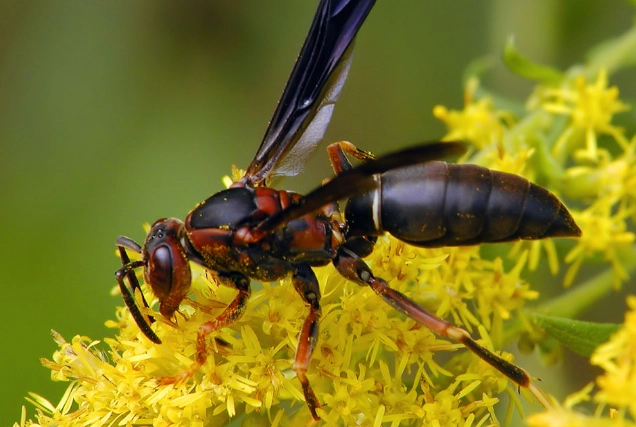
Do paper wasps eat wood?
They don't eat it, they collect it. They scrape fibers from weathered wood (fences, decks, dead trees), mix it with saliva, and mold it into the paper pulp for their nests. If you see a wasp scraping at your wooden fence, she's just gathering building materials.
I got stung. What should I do?
Wash the area with soap and water. Apply a cold pack to reduce swelling. Over-the-counter pain relievers and antihistamines can help with pain and itching. Watch for signs of a severe allergic reaction (difficulty breathing, swelling of the face/throat, dizziness, rapid pulse)—if these occur, seek emergency medical help immediately.
Look, at the end of the day, understanding the different paper wasp types isn't just an academic exercise. It's a tool for making better, safer decisions for you and your family. It helps you see them not as a uniform menace, but as a diverse group of insects with different behaviors. You can appreciate the quiet, beneficial natives patrolling your garden, while justifiably taking action against the aggressive invader in your playground. That nuanced approach—informed, practical, and balanced—is what I hope you take away from this. Now, go take a look at that nest with new eyes.
LEAVE A REPLY
Your email address will not be published. Required fields are marked *