What This Guide Covers
Let's cut to the chase. You're probably here because you just got back from a gorgeous hike in the Green Mountains, maybe around the Long Trail, and now you're covered in these maddeningly itchy red welts. Or perhaps you're planning a camping trip near Lake Champlain and you've heard the horror stories. The first question that pops into your head, the one you typed into Google, is the big one: are there chiggers in Vermont?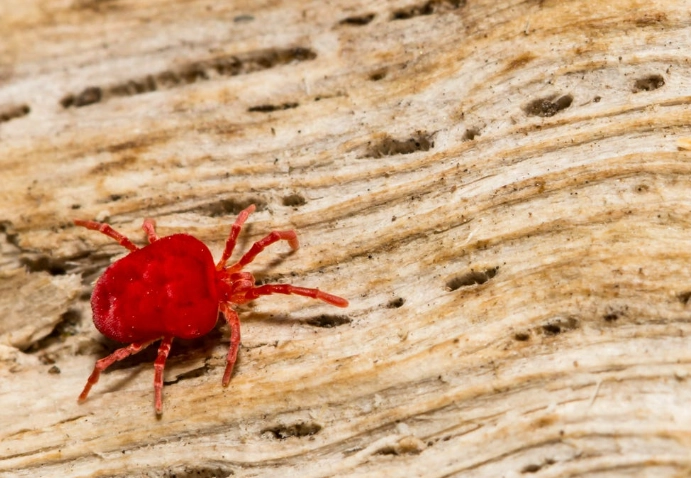
The answer isn't a simple yes or no. It's more of a "yes, but..." and that "but" is where all the confusion, myths, and genuine need for good information comes in. I've been an outdoors guide here in Vermont for over a decade, and I've had my own battles with itchy bumps. I've also seen countless clients misdiagnose their own bites. So I dug into the entomology, talked to local experts, and sifted through the anecdotal evidence to put together what I hope is the definitive guide.
The common narrative is that chiggers—those microscopic larvae of mites in the Trombiculidae family—are a Southern problem. You hear about them in Texas, the Carolinas, Missouri. Vermont, with its cold winters, should be safe, right? Well, not entirely. While the population density is nowhere near what you'd find in warmer climates, and the season is drastically shorter, chiggers do exist in Vermont. The confusion often arises because what many Vermonters call "chigger bites" are frequently bites from other pests, like black flies, mosquitoes, or even a reaction from plants like wild parsnip.
So, Where Exactly Are You at Risk for Chiggers in Vermont?
You won't find them everywhere. Their presence is spotty and heavily dependent on microclimates. Think about the conditions they love: tall grass, dense vegetation, moist soil, and areas with a high population of small rodents (their preferred host for the nymph and adult stages). Based on reports from the University of Vermont Extension and my own observations, here are the hotspots:
- Low-Lying, Grassy & Brushy Areas: This is prime real estate. The edges of fields, overgrown pastures, the grassy margins of hiking trails (especially if you stray off the path), and the perimeter of wetlands. I recall a particularly bad encounter after setting up a hammock in a brushy area near a stream in the Northeast Kingdom.
- Specific Regional Reports: Anecdotal evidence and some informal surveys point to higher activity in the warmer, more humid valleys. The Champlain Valley, with its longer growing season, tends to see more reports. Areas in southern Vermont, like around Bennington or Brattleboro, also come up more frequently in conversations about chigger bites in Vermont.
- Time of Year is Everything: This is the biggest limiting factor. The larvae are active when the ground temperature is consistently above 60°F. In Vermont, that typically means a narrow window from late June through early September, with peak activity in the humid heart of July and August. A warm, early spring can push this earlier, but a cold snap can wipe out early hatches.
I want to be honest about something. The Vermont Agency of Agriculture doesn't have widespread tracking for chiggers like it does for ticks. It's not considered a major agricultural or public health pest here. So a lot of the information is localized and experience-based. This lack of official data is partly why the myth that "Vermont doesn't have chiggers" persists.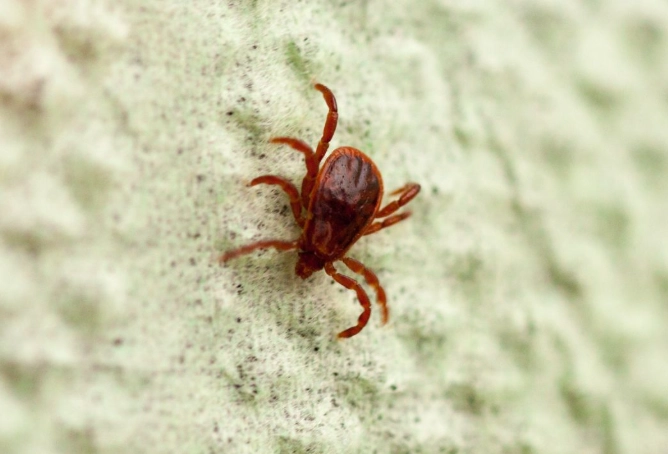
Chigger vs. The Usual Suspects: What Bit Me in Vermont?
This is where most people get it wrong. That cluster of itchy bites on your ankles? Let's play detective. Here’s a breakdown to help you identify the culprit. Misidentification leads to wrong treatments and unnecessary worry.
| Culprit | Bite Appearance & Pattern | Timing of Itch | Common Locations | Vermont Notes |
|---|---|---|---|---|
| Chiggers | Small, red, raised welts, often in clusters or groups. May look like blisters or pimples. Can develop a red dot in the center. | Intense itching starts 1-3 hours AFTER you've left the area. Gets worse over 24-48 hours. | Areas where clothing is tight: ankles, waistline, behind knees, groin, armpits. | Seasonal (summer). Loves tall grass/brush. Often mistaken for other bites. |
| Black Flies | Small, painful, bleeding puncture point that becomes a swollen, itchy red bump. | Immediate pain and itch. Swelling can be significant. | Exposed skin, especially head, neck, ears, and wrists. | Spring/early summer menace. Swarms near running water. A top Vermont nuisance. |
| Mosquitoes | Round, puffy, pale bump that becomes red, hard, and itchy. | Itch begins almost immediately after the bite. | Any exposed skin. | Ubiquitous from spring to fall, especially at dawn/dusk near standing water. |
| Ticks (e.g., Deer Tick) | Not a bite reaction per se. Look for the tick itself attached. A bullseye rash (EM rash) is a sign of Lyme disease. | Attachment is usually painless. Rash may appear days later. | Warm, hidden areas: groin, armpits, scalp, behind knees. | A SERIOUS concern in VT. Check for ticks diligently after every outing. The Vermont Department of Health has extensive tick-borne disease resources. |
| No-See-Ums (Biting Midges) | Tiny, painful, itchy red dots that can bleed. | Sharp, immediate sting followed by lingering itch. | Exposed skin, often ankles and legs. | Common on calm, humid days near marshes or lakes. Their bite packs a punch. |
See the key difference? The delayed, brutal itch is the hallmark of a chigger bite in Vermont. You often don't know you've been a buffet until you're home in the shower. If you were itching while still outside, it was probably something else.
What to Do If You Get Bitten: The Itch-Stop Playbook
Too late? The welts are there, and the itch is driving you insane. Welcome to the club. Here’s what works and what’s just an old myth.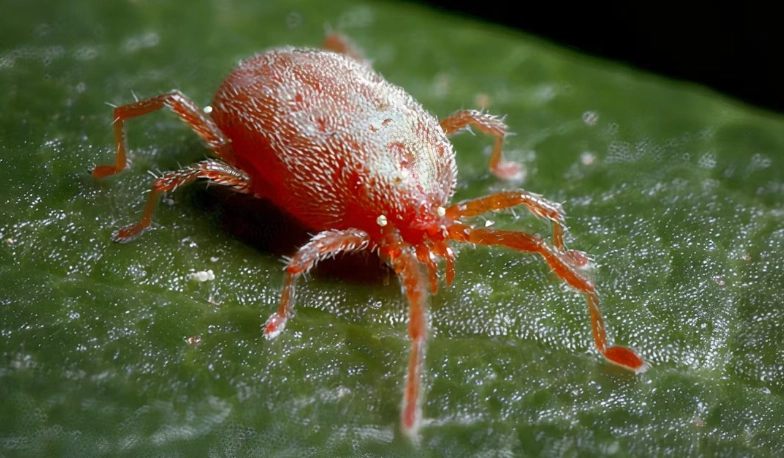
Step one: Wash the area. Use soap and water. This cleanses the area and might remove any remaining chiggers.
Step two: Attack the itch. The goal is to stop the inflammatory reaction.
- Over-the-counter anti-itch creams: Hydrocortisone cream (1%) is a mild steroid that reduces inflammation. Calamine lotion or creams with pramoxine or menthol can provide cooling relief. I find the ones with menthol provide the most immediate, though temporary, respite.
- Oral antihistamines: An oral antihistamine like cetirizine (Zyrtec) or loratadine (Claritin) can help calm the body's overall allergic response from the inside. Diphenhydramine (Benadryl) works too but can make you very drowsy.
- Cold compresses: A simple, drug-free method. Apply an ice pack or a cold, wet cloth to the bites for 10-15 minutes to numb the area and reduce swelling.
The bites will run their course. Intense itching usually lasts for a few days, and the red welts can persist for a week or two. Try your absolute best not to scratch. I know it's nearly impossible, but scratching can break the skin, leading to a secondary bacterial infection.
When should you see a doctor? If the bites show signs of infection (increased redness, swelling, warmth, pus, or red streaks), or if you have an extreme allergic reaction. Also, if the itching is so severe it's disrupting your sleep and life, a doctor can prescribe a stronger topical steroid.
Common Questions About Chiggers in Vermont (FAQ)
Let's tackle the stuff you're actually wondering.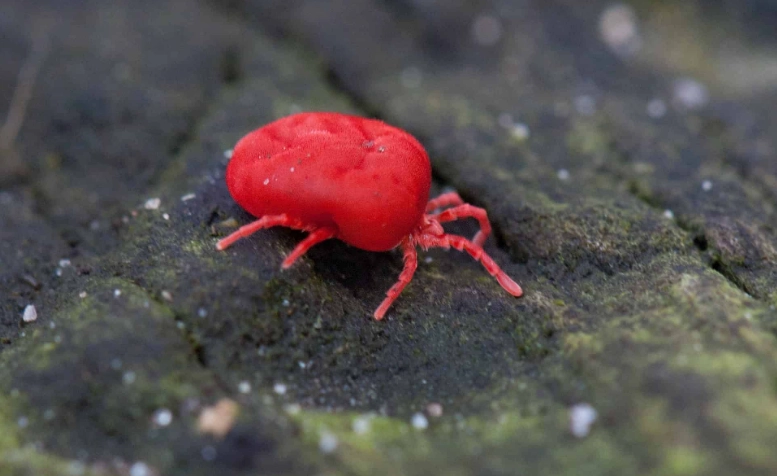
Do chiggers in Vermont carry diseases like Lyme disease?
This is a major point of relief. In North America, chiggers are not known to transmit any diseases to humans. Their bite is purely a nuisance. This is a critical distinction from ticks, which in Vermont are significant vectors for Lyme, Anaplasmosis, and Babesiosis. Your worry should be strategically focused on ticks. The bite from chiggers in Vermont might ruin your week, but it won't make you chronically ill.
Can I get chiggers from my pet?
Pets can pick up chiggers, but it's an indirect transfer. The chiggers are on the pet, and they might fall off in your house or yard. The chigger larvae need to feed on a host once, then drop off to mature. They don't live on people or pets. So while your dog might bring some hitchhikers into the garage, a full-blown indoor infestation is extremely unlikely. It's more of a reason to give your pet a good brushing after a walk in tall grass.
What month are chiggers worst in Vermont?
Hands down, July and August. This is when soil temperatures are consistently warm, humidity is high, and vegetation is thick. Late June can see the start, and early September might have some stragglers if the weather holds, but the peak summer months are the prime time for encountering chiggers in Vermont.
How do I treat my yard for chiggers in Vermont?
First, confirm you actually have them. It's likely another biting insect. If you're determined, management focuses on making your yard less hospitable.
- Mow regularly. Keep grass short and eliminate tall weeds and brush piles where rodents (which host chiggers) might live.
- Reduce moisture. Improve drainage in wet areas.
- Create a barrier. Keep a tidy, mowed border between your lawn and any wooded or wild areas.
- Consider professional help. If the problem is severe and confirmed, a licensed pest control professional can apply acaricides (miticides). The UVM Extension Pesticide Safety Program is a resource for finding certified professionals. I'm generally not a fan of widespread chemical use in yards, but in extreme cases, it's an option.
The Final Word: Keeping Perspective in the Green Mountain State
Look, Vermont's outdoors are incredible. The last thing I want is for this information to scare anyone away from hiking, camping, foraging, or just lying in a field of wildflowers. That's the whole point of living here or visiting.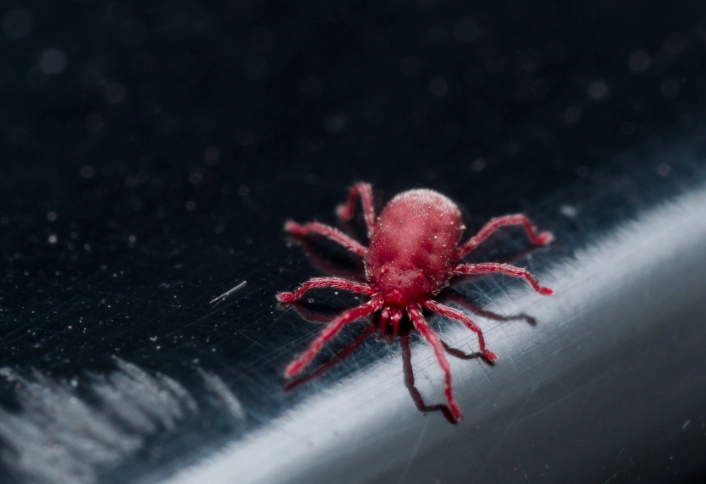
The risk from chiggers in Vermont is manageable. It's a seasonal, localized, low-probability nuisance. The bites, while miserable, are temporary and not disease-ridden. The preventative measures are simple and, more importantly, are the exact same ones you should already be taking for the real threat: ticks.
So pack your permethrin-treated pants, use your picaridin, stay on the trail, and do a tick check (which will also help for chiggers) when you get home. Then go enjoy that Vermont sunset over the mountains. A little knowledge and preparation shouldn't add anxiety; it should subtract it. Now you know what you're dealing with, and you can stop wondering and start planning your next adventure, itch-free.
Honestly, after years in the woods, I worry more about deer flies than I do about chiggers. But that's a rant for another day.
LEAVE A REPLY
Your email address will not be published. Required fields are marked *