Quick Navigation
Let's talk about roaches. Not the big, scary ones that scuttle across your basement floor. I'm talking about the smaller, more secretive kind. The ones you might find not in your kitchen, but glued to the back of a picture frame in your living room, or tucked behind the headboard of your bed. That's the brown-banded cockroach for you. Honestly, the first time I saw one, I thought it was some kind of beetle. It was small, light brown, and had these weird, irregular bands across its wings. It didn't look like the classic "dirty kitchen roach" I was used to. That's the thing about brownbanded roaches – they play by different rules.
If you're reading this, you've probably seen one. Or maybe you've found their strange, tiny egg capsules. You're wondering what they are, how bad it is, and most importantly, how to make them go away for good. You're in the right place. This isn't a quick, surface-level list. We're going deep on Supella longipalpa – that's the scientific name – and I'll walk you through everything from spotting the first signs to executing a full eradication plan. Forget what you know about other roaches. Dealing with a brown-banded cockroach infestation is a whole different ball game.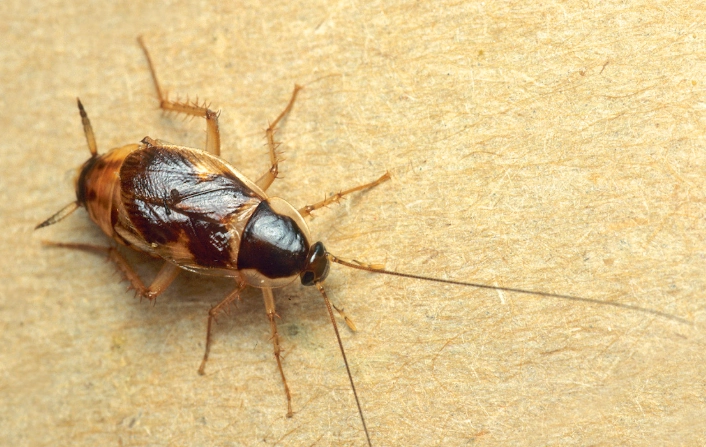
What Exactly Is a Brown-Banded Cockroach?
So, what makes this roach special? For starters, it's one of the smaller common pest cockroaches, usually topping out at about half an inch long as an adult. They're a warm, light tan to dark brown color. The giveaway, and where they get their name, are the two lighter bands that run across the wings of the adults and across the body of the nymphs (the baby roaches). But here's the kicker – these bands can be faint, broken, or look more like two distinct blotches. They're not the perfect, solid bands you might imagine.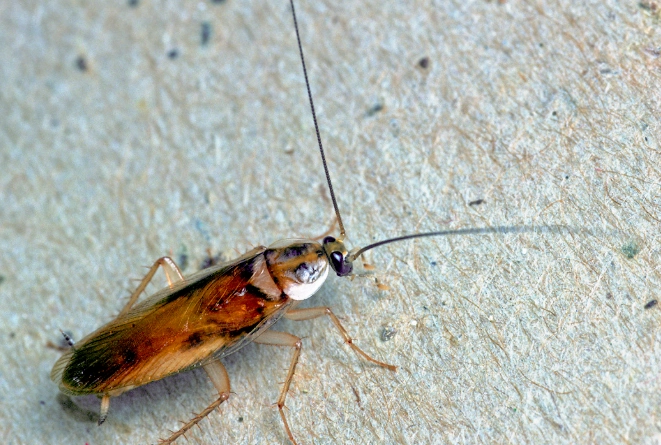
One of the most distinctive features? The females have shorter wings than the males, and their abdomens are broader. The males are more oval-shaped and look like they're better equipped for flying (and yes, the males can and will fly short distances, usually when disturbed – a lovely surprise). Their egg cases, called oothecae, are maybe the most unique thing about them. They're about 5mm long, reddish or dark brown, and look like tiny, ridged purses. And here's the crucial behavioral difference: while German cockroaches glue their egg cases in hidden, damp areas near food, the female brownbanded cockroach does something else entirely.
She carries her egg case for a day or two, then glues it to a rough, hidden surface in a dry, elevated location. Think the underside of a table, the back of a drawer, the underside of a chair, behind a wall hanging, or even inside an electrical appliance. This one habit changes everything about how you find and fight them.
Spotting the Difference: Brown-Banded vs. The Usual Suspects
You can't fight what you can't identify. A lot of people panic and assume they have German roaches, which leads them to use the wrong tactics. German roaches are the kings of the kitchen and bathroom. Brown-banded roaches? They're the wanderers of the living room and bedroom.
| Feature | Brown-Banded Cockroach | German Cockroach | American Cockroach |
|---|---|---|---|
| Size | Small (≈ 1/2 inch) | Small (≈ 1/2 - 5/8 inch) | Very Large (1.5+ inches) |
| Color | Light tan to brown | Light brown with two dark stripes behind head | Reddish-brown |
| Key Markings | Two light, irregular bands across wings/body | Two parallel dark stripes on pronotum (shield behind head) | Yellowish figure-8 pattern behind head |
| Wings | Full wings (males); shorter wings (females). Males can fly. | Full wings, rarely fly | Full wings, capable fliers |
| Preferred Habitat | DRY, WARM, ELEVATED areas. Furniture, walls, ceilings, electronics, closets. | WARM, HUMID areas. Kitchens, bathrooms, under sinks, near appliances. | DAMP, COOL areas. Basements, sewers, drains, crawl spaces. |
| Egg Case (Ootheca) Placement | Glued to surfaces in dry, hidden, elevated spots (under tables, behind pictures). | Carried by female until just before hatching, then placed in a protected, humid niche. | Glued to surfaces in protected, damp locations. |
See the difference? If you're finding roaches or their droppings (which look like tiny black specks or smears, like ground coffee) on upper walls, near the ceiling, in your bedroom, or in your entertainment center, you're almost certainly dealing with the brown-banded variety. They love electronics because of the warmth. I've heard countless stories of them infesting TVs, computer monitors, and game consoles. It's a nightmare for the device and a huge clue for you.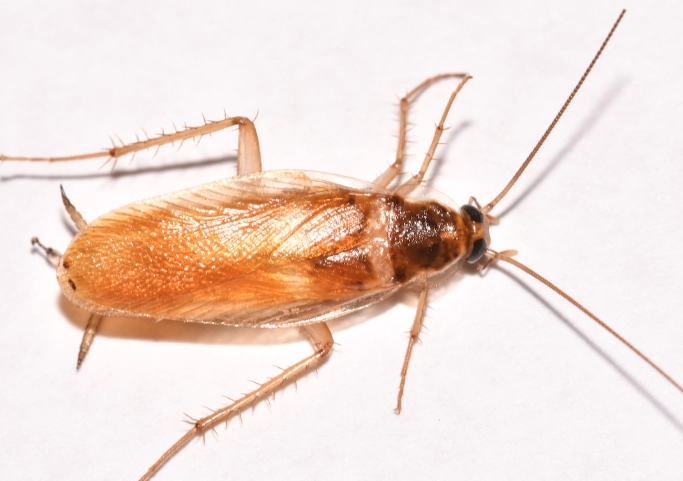
Why Are Brown-Banded Cockroaches in My Home?
They didn't just pick your house at random. These roaches are fantastic hitchhikers. They most commonly come in on used furniture, appliances, cardboard boxes, or even grocery bags. That antique dresser or the second-hand sofa you brought home? Prime suspect number one. They can also crawl in from adjacent apartments in multi-unit buildings, moving through wall voids and utility lines. Once inside, they set up shop if conditions are right.
What are they looking for? Contrary to popular belief, it's not primarily about filth. Sure, they'll eat crumbs and garbage, but they have a broader diet. They're scavengers and will feed on starchy materials, book bindings, wallpaper glue, and even synthetic fabrics. Their real needs are warmth and shelter. Our heated homes are perfect for them, especially in cooler climates where they can't survive outdoors. They seek out the little cracks and crevices in our furniture and walls, creating a distributed network of harborage sites far from traditional pest control bait zones in the kitchen.
Your Action Plan: How to Get Rid of Brown-Banded Cockroaches
Okay, identification is done. Now, let's get to the elimination. This is where you need to be strategic. Spraying a can of bug spray around the baseboards might kill a few you see, but it will do nothing to the egg cases and nymphs hidden in your furniture. You need a multi-pronged, persistent approach. Here’s my step-by-step guide, born from trial and error and a lot of research.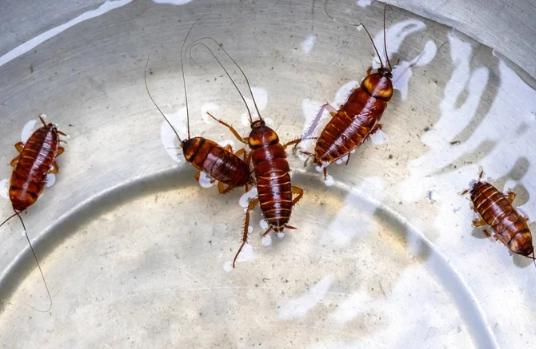
Step 1: The Thorough Inspection (This is Non-Negotiable)
Grab a flashlight and a mirror. You're going on a hunt. You're not just looking for live roaches. You're looking for signs.
- Live or dead insects: Especially small nymphs on walls, ceilings, or inside drawers.
- Fecal matter: Those tiny black specks or smears. Check along picture frame edges, on furniture backs, inside drawers, and on vertical surfaces.
- Egg cases (Oothecae): Look for the tiny, dark, ridged capsules. Check under every piece of furniture, inside hollow bed frames, behind wall hangings, inside clocks and appliances, and along the binding of books on shelves.
- Cast skins (exoskeletons): As nymphs grow, they molt. These translucent, hollow shells are a clear sign of an active population.
Be relentless. Move furniture. Take pictures off walls. Empty closets. The goal is to map their territory.
Step 2: Sanitation and Exclusion
This is about making your home less inviting and closing the doors.
- Vacuum, vacuum, vacuum. Use the crevice tool to suck up droppings, egg cases, and skins from all those cracks and corners you found during inspection. Immediately empty the vacuum canister or bag into a sealed plastic bag and take it outside.
- Reduce clutter. Piles of paper, stacks of boxes, and crowded closets are paradise for brownbanded roaches. Declutter to eliminate hiding spots.
- Seal entry points. Use caulk to seal cracks in walls, baseboards, and around plumbing/electrical conduits. Pay special attention to gaps between walls and cabinets or counters.
- Store food securely. While they aren't as food-focused as Germans, don't give them a reason to stay. Keep pantry items in sealed containers.
Step 3: Choosing and Applying Control Methods
This is the core of the battle. Because of their scattered harborage, you need products that the roaches will encounter and bring back to their hiding places. I'm not a fan of just spraying toxic stuff everywhere; it's often ineffective and creates more problems than it solves.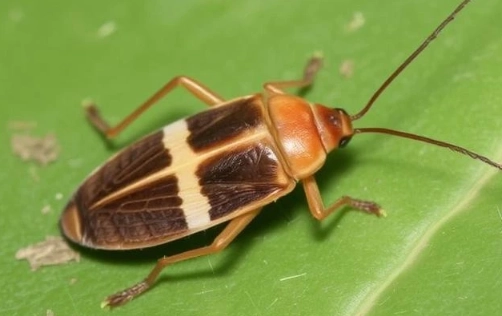
Insecticidal Dusts (Like Diatomaceous Earth or CimeXa): These are your best friends. They're non-toxic to humans and pets when used properly (wear a mask during application!). Lightly puff these dusts into wall voids, behind electrical outlet covers (turn off power first!), under large appliances, and into the hollow spaces of furniture. The dust gets on the roaches' bodies and dehydrates them. It has a long residual effect and is perfect for the dry areas these roaches love. The University of Minnesota Extension has great resources on using desiccant dusts safely and effectively.
Gel Baits: These are highly effective. The roach eats the bait, goes back to its harborage, and dies. Other roaches then eat the carcass or feces and also die (secondary kill). The key with brownbanded roaches is placement. Don't just put dots under the sink. Place small pea-sized dots in their travel zones: along the tops of door frames, on wall-ceiling junctions, behind furniture, inside drawers (along the runners), and near electronic appliances. Use multiple bait stations. Brands like Advion or Invict are commonly recommended by professionals.
IGRs (Insect Growth Regulators): Products like Gentrol. These don't kill adults but prevent nymphs from maturing and reproducing, breaking the life cycle. They're often sold as a spray or point-source dispenser. Using an IGR alongside baits and dusts is a knockout punch for the population over time.
Sticky Traps (Monitors): Don't rely on these to control the population. Use them as monitoring tools. Place them vertically against walls in suspected areas, or flat on the floor along walls. They'll help you figure out where the activity is highest and if your control methods are working.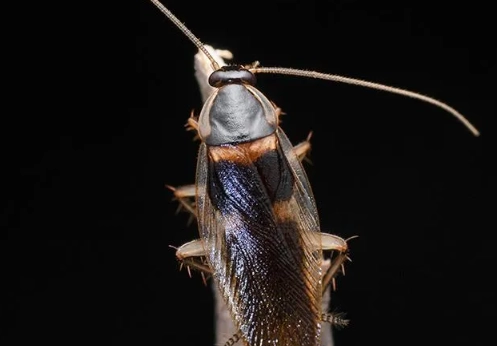
Step 4: Monitoring and Persistence
You won't win this war in a week. The egg cases you missed will hatch in 50-80 days. Re-inspect every two weeks. Reapply dust if it gets disturbed. Refresh bait if it dries out or is consumed. Keep using the sticky traps to monitor. It can take 2-3 months of consistent effort to completely break the cycle. Patience is not just a virtue here; it's a requirement.
When to Call a Professional Exterminator
Let's be real. Sometimes the DIY route feels overwhelming, or it just doesn't work. There's no shame in calling for backup. In fact, for a widespread or persistent brown-banded cockroach infestation, a pro might be the most cost-effective solution in the long run.
Consider calling one if:
- The infestation is severe and widespread throughout multiple rooms.
- You live in an apartment or condo, where the problem might be coming from a neighbor.
- Your DIY efforts for 2-3 months have shown no reduction in signs or trapped insects.
- You are not comfortable applying pesticides, especially in sensitive areas.
A good pest control professional will do a more thorough inspection than you can, have access to commercial-grade products and equipment (like crack-and-crevice injectors for deep wall voids), and should provide a detailed plan focusing on the specific habits of the brownbanded species. Look for companies that mention Integrated Pest Management (IPM) on their website, which focuses on long-term prevention rather than just chemical spraying. The U.S. Environmental Protection Agency's pest control portal is a great place to start for finding information on safe and effective pest control practices.
Answering Your Burning Questions (FAQ)
Are brown-banded cockroaches dangerous?
Like all cockroaches, they can carry bacteria, pathogens, and allergens on their bodies and in their droppings. Their shed skins and feces are a common trigger for asthma and allergies, especially in children. They contaminate surfaces and food. So while they don't bite or sting, yes, they are a health concern and should be taken seriously.
Can they live in just one room?
They often start in one room (usually where infested furniture was placed), but they are excellent climbers and will spread through wall voids, along plumbing, and via electrical lines. An untreated infestation will almost certainly become a whole-house problem over time.
Do they come out during the day?
They are primarily nocturnal, but if the population gets large or they are disturbed, you can see them during the day. Seeing them in daylight is often a sign of a significant infestation.
What's the #1 mistake people make when trying to get rid of them?
Treating them like German cockroaches. Focusing all your bait and spray in the kitchen and bathroom will miss 90% of the brown-banded cockroach population. You have to think vertically and in dry areas.
Can I ever fully get rid of them?
Absolutely. With a correct identification, a thorough, patient, and multi-method approach targeting their unique behavior, you can eliminate them. The key is breaking their reproductive cycle and eliminating all harborages. It's a marathon, not a sprint, but the finish line is a roach-free home.
Final Thoughts
Dealing with any pest is stressful, but there's something particularly unnerving about the brownbanded roach's habit of invading our personal spaces – bedrooms, living rooms, offices. It feels like a deeper violation. But knowledge is power. Now you know your enemy. You know they aren't a sign of filth, but of opportunity. You know they hide in high, dry places. And you know that beating them requires a shift in strategy.
Start with that detailed inspection. Arm yourself with the right tools – dusts for the voids, baits for the travel routes, and traps for intel. Be patient and persistent. And if you need to, call in a pro who understands the nuance. You can take your space back. It just takes a plan tailored to this specific, sneaky, and surprisingly common home invader.
LEAVE A REPLY
Your email address will not be published. Required fields are marked *