So you've spotted a white spider in Kansas. Maybe it was in your basement, dangling from a corner of the porch, or scurrying across the garden soil. That flash of pale color against the usual browns and grays of Kansas spiders can be a real head-turner, maybe even a bit unsettling. I remember the first time I saw one in my own shed out here in Wichita—a little, almost translucent thing on a messy web. My first thought wasn't very scientific: "What on earth is that, and should I be worried?"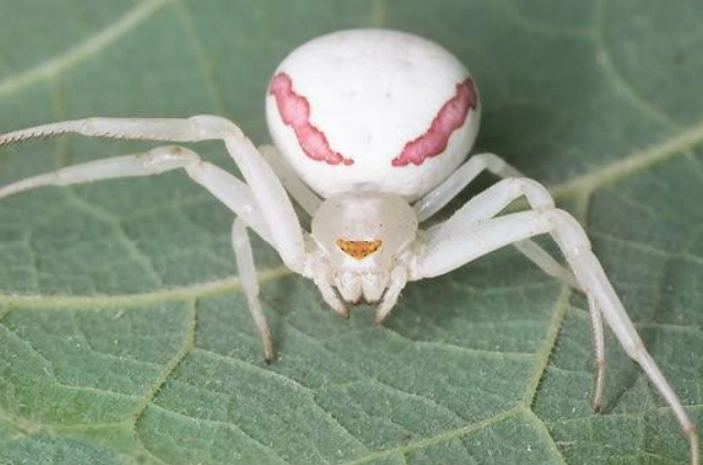
Quick Guide
- What Kind of Spiders Are White in Kansas?
- Why Are Some Spiders White? It's Not Just About Camouflage
- The Big Question: Are Any White Spiders in Kansas Poisonous?
- What to Do If You Find White Spiders in Your Kansas Home or Garden
- Debunking Myths About White Spiders
- Your Questions Answered: White Spiders in Kansas FAQ
- Living Alongside Kansas's Pale Eight-Legged Neighbors
Let's get straight to the point. Most of the time, those white spiders in Kansas are harmless, beneficial neighbors. But I get it. "Harmless" doesn't always calm the nerves when you're face-to-face with eight legs. This guide is here to replace that uncertainty with solid information. We'll walk through exactly which spiders in Kansas sport white coloring, what they do, whether they pose any risk, and what—if anything—you should do about them. Consider this your one-stop resource for understanding these often-misunderstood critters.
Forget the scary myths. Let's talk facts.
What Kind of Spiders Are White in Kansas?
When people search for "white spiders in Kansas," they're usually picturing one thing: a spider that's predominantly white or very light in color. But here's the catch—"white" isn't a species. It's just a color variant or the main color of several different species. The pale appearance can come from the spider's actual pigment, or it can be because they're covered in fine, light-colored hairs. In Kansas, you're most likely to encounter a handful of common residents that fit this description.
The Common Crab Spider (Misumessus species and others)
This is the classic white spider many Kansans find in their flowers. Crab spiders are masters of ambush. They don't build webs to catch prey. Instead, they sit perfectly still, often on white or yellow flowers like daisies or goldenrod, and wait for an unsuspecting bee or fly to come within grabbing distance. Their color is an adaptive camouflage. I've seen them pure white, but also pale yellow or even a faint greenish hue.
Are they dangerous? No. Their venom is designed for tiny insects. They might pinch if you somehow managed to get one caught against your skin, but it's no worse than a mild bee sting and incredibly rare. They're utterly harmless to people and pets. In fact, by taking out pest insects, they're doing your garden a favor.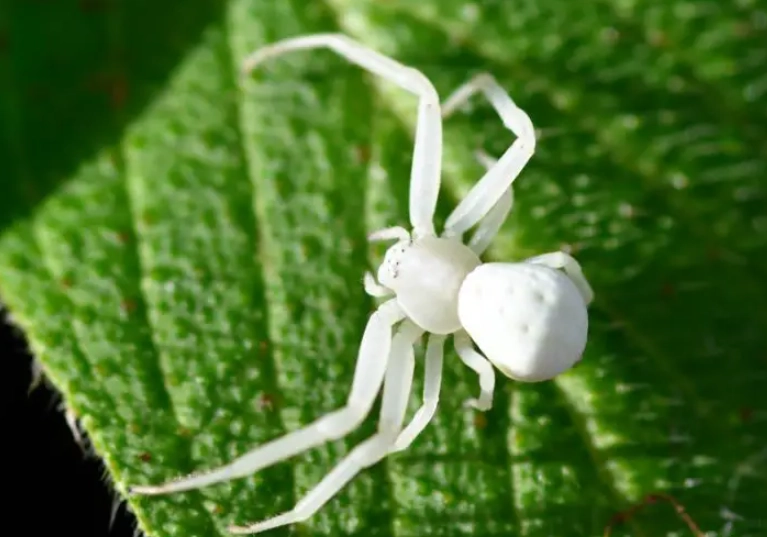
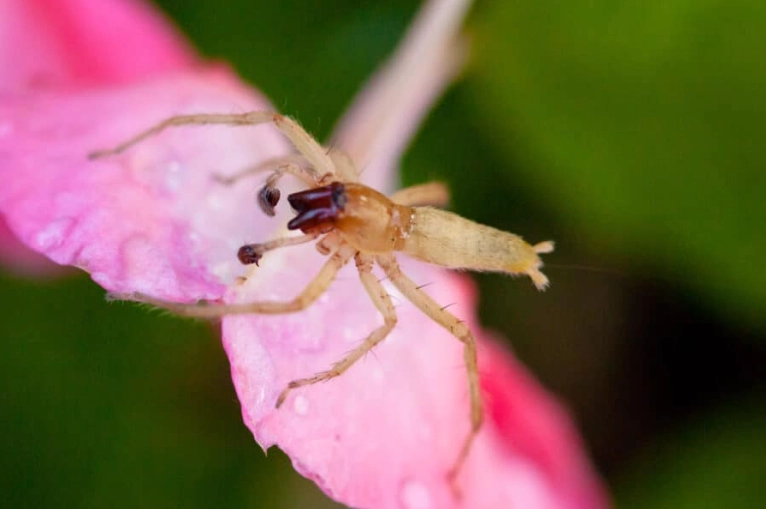
The Yellow Sac Spider (Cheiracanthium mildei)
Now, this one gets a bit of a bad rap, and we need to address it honestly. The yellow sac spider is common in homes across North America, including throughout Kansas. They're not always white; they're often a pale yellow, beige, or light green. But in certain lights or at certain life stages, they can absolutely appear whitish. They're the ones that build those little silken "sac" retreats in ceiling corners, along walls, or where the wall meets the ceiling.
Here's where the controversy kicks in. For years, this species was incorrectly blamed for severe necrotic wounds (like the brown recluse). Modern research, including studies cited by entomology departments like those at Kansas State University, has largely cleared them. While a bite is possible if the spider is pressed against skin (like in bedding or clothing), it's usually mildly painful, akin to a bee sting, with some localized redness and swelling that goes away. It's not a major medical event for the vast majority of people.
The Ghost Spider (Anyphaenidae family)
This is a fun one. Ghost spiders are another common group of pale spiders in Kansas. They're often a translucent, milky white or light gray. They get their spooky name from their color and their speedy, erratic movements that can make them seem like they just vanished. Unlike the sedentary crab spider, ghost spiders are active hunters that roam around at night looking for small insects.
You'll often find them under loose bark on trees, in leaf litter, or sometimes wandering on the outside of your house. They're completely harmless and are great at controlling insect populations in your yard. Seeing a few ghost spiders is a sign of a healthy outdoor ecosystem.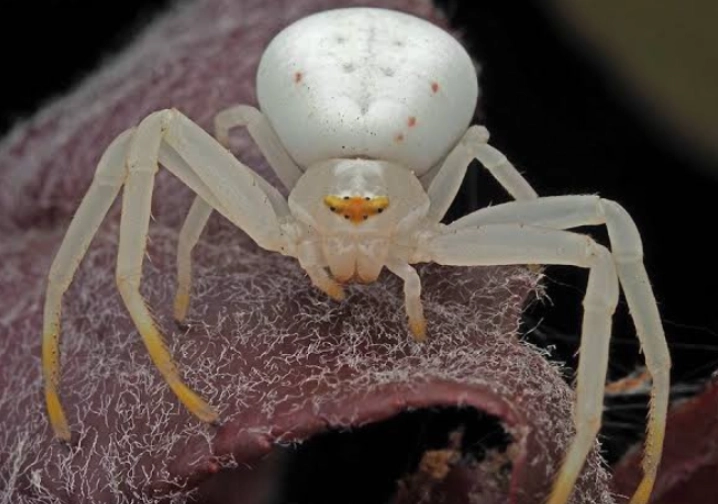
Cellar Spiders (Pholcidae family) - The "Daddy Long-Legs"
Okay, their bodies are usually a grayish-brown. But I'm including them here because their overall appearance in a dusty corner, with their incredibly long, thin, pale legs, often gives the impression of a whitish, wispy creature. Everyone in Kansas has seen these in their basement, garage, or shed. They build those messy, tangled, non-sticky webs that seem to collect dust.
A total non-issue.
They're famously harmless. There's an urban legend that their venom is super potent but their fangs can't pierce human skin. The truth is simpler: their venom is weak, and they are physically incapable of meaningfully biting us. They're actually beneficial house predators, eating mosquitoes, flies, and even other spiders (they've been known to take down redbacks in Australia!). I leave them be in my cellar. They're free pest control.
Why Are Some Spiders White? It's Not Just About Camouflage
We touched on camouflage for crab spiders, but that's only part of the story. For many white spiders in Kansas, their pale coloration serves multiple purposes in the prairie and woodland ecosystems.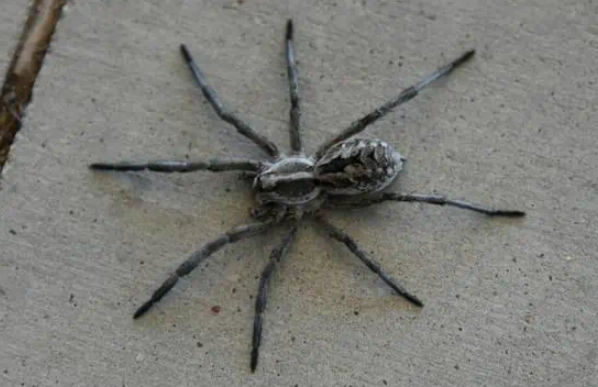
Thermoregulation is a big one. Lighter colors reflect sunlight better than dark colors. On a blistering Kansas summer day on the open prairie, a dark spider would absorb a lot of heat and could overheat. A white or pale spider stays cooler, allowing it to be active during the day when its insect prey is also active. Think of it as their own built-in sun protection.
There's also the element of surprise. For nocturnal hunters like some ghost spiders, being pale can make them less visible against the moonlit sky when viewed from below by prey. It's not always about blending into a bright background; sometimes it's about not creating a dark silhouette.
So, when you see a white spider in Kansas, you're not looking at an albino or a weird mutant. You're looking at a spider that's perfectly adapted to its niche, whether that's hunting in sun-drenched flowers or roaming the grasslands at dusk.
The Big Question: Are Any White Spiders in Kansas Poisonous?
This is the heart of the anxiety, right? Let's break down the word "poisonous." Technically, almost all spiders are venomous—they use venom to subdue their prey. The real question people are asking is: "Are any white spiders in Kansas dangerous to humans?"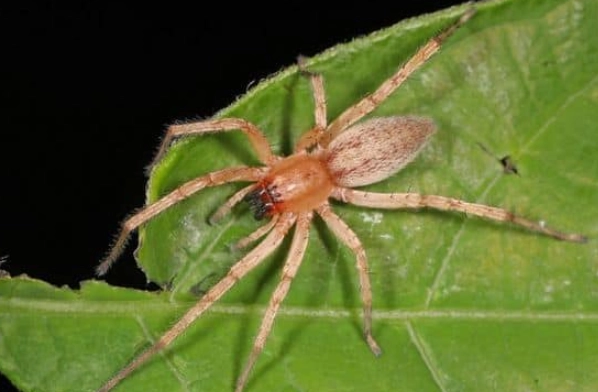
The short, clear answer is no. There are no native spiders in Kansas that are both predominantly white and considered medically significant to humans.
Let's put that in a table for absolute clarity, because this is what everyone needs to know:
| Spider Type (Common White/Pale Variants in KS) | Venom Potency to Humans | Likelihood of Biting | Overall Risk Assessment |
|---|---|---|---|
| Crab Spider | Negligible. Insect-specific. | Extremely Low. Non-aggressive. | No Risk. Beneficial garden ally. |
| Yellow Sac Spider | Mild. Can cause local pain, redness. | Low. Defensive only if trapped. | Very Low Risk. A nuisance, not a danger. |
| Ghost Spider | Negligible. Insect-specific. | Extremely Low. Shy, reclusive. | No Risk. Beneficial outdoor predator. |
| Cellar Spider | Extremely Weak. Not effective on humans. | Virtually Impossible. | No Risk. Harmless houseguest. |
| Brown Recluse (FOR COMPARISON) | Medically Significant. Can cause necrotic wounds. | Low. Reclusive, defensive. | Moderate Risk. Know how to ID it. |
See the last row? That's the important one.
The only spider in Kansas with venom of medical concern is the brown recluse. And guess what? Brown recluses are, unsurprisingly, various shades of brown. They are never white. A huge part of dealing with spiders is accurate identification, and confusing a pale yellow sac spider for a brown recluse is a common mistake that causes unnecessary fear. Resources from the University of Kansas and other extension services consistently emphasize this distinction.
So, breathe easy. The white spiders you find are not out to get you.
What to Do If You Find White Spiders in Your Kansas Home or Garden
Your reaction should depend entirely on where the spider is and what it's doing.
In the Garden or Yard
Do nothing. Seriously. This is the best course of action. Those white crab spiders and ghost spiders are valuable pest controllers. They're eating aphids, flies, mosquitoes, and beetles that would otherwise munch on your plants or bother you. They are a sign of a healthy, balanced garden. Appreciate them from a distance. If you absolutely must remove one from a specific flower you're harvesting, gently coax it onto a leaf or stick and move it to another part of the garden.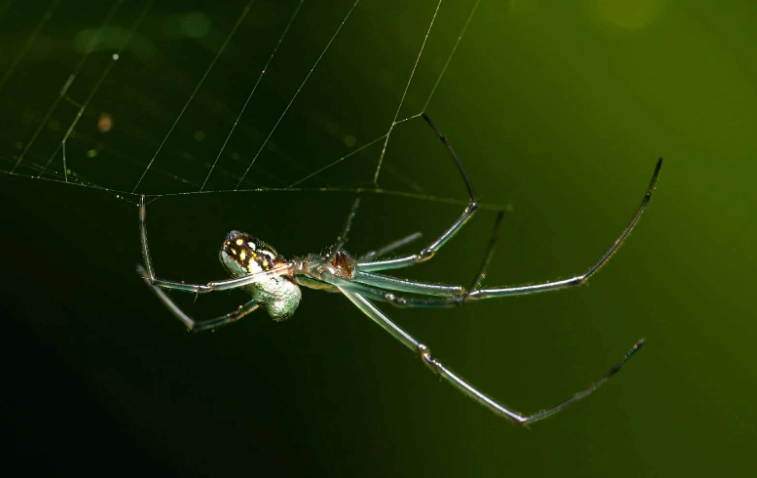
Inside the House
This is where people want action. For cellar spiders or the occasional wandering ghost spider, I'm a proponent of live capture and release. They ended up inside by accident. A glass and a piece of cardboard are your best tools. Scoop the spider up, slide the cardboard underneath, and take it outside. It's simple, humane, and you avoid squishing anything.
For yellow sac spiders, which tend to establish residency, the approach is a bit more hands-on if you don't want them around:
- Remove the webs and egg sacs. Use a vacuum cleaner with a hose attachment to clean up their silken retreats in corners and along ceilings. This is the most effective single step. Empty the vacuum bag or canister outside afterward.
- Reduce their food source. They eat other small insects indoors. Using window screens, sealing cracks around doors and foundations, and not leaving lights on that attract bugs near doors will make your home less attractive to the spiders by removing their buffet.
- Think before you spray. I'm not a fan of indiscriminate pesticide use indoors for spiders. It's often overkill, exposes your family to chemicals, and kills all the other harmless insects (and spiders) that were actually helping. Targeted removal is safer and just as effective for the occasional white spider in your Kansas home.
Debunking Myths About White Spiders
Let's clear the air on some common misconceptions I hear all the time.
Myth 1: "White spiders are more poisonous/venomous." Nope. Color has no correlation with venom potency. A spider's danger level is about its species and biology, not its hue. The myth might come from bright colors in other animals (like frogs) signaling toxicity, but that rule doesn't apply to spiders.
Myth 2: "That white spider bit me!" This is tricky. Most suspected spider bites are actually bites from other insects (fleas, bed bugs, mites) or skin infections and reactions. Spiders bite very rarely as a last-ditch defense. They don't feed on people, so biting us is a waste of precious venom. If you have a skin lesion and didn't see the spider actually bite you, it's statistically unlikely to be a spider. The CDC and other health agencies note that proper diagnosis of a spider bite is very difficult without the spider in hand.
Myth 3: "All white spiders are crab spiders." As we've seen, Kansas has a few different players. Crab spiders are just the most famous and flower-associated.
Your Questions Answered: White Spiders in Kansas FAQ
Living Alongside Kansas's Pale Eight-Legged Neighbors
At the end of the day, the presence of white spiders in Kansas is a normal part of living in this ecosystem. They were here long before we built our houses and planted our gardens. The goal shouldn't be a spider-free existence—that's impossible and ecologically harmful. The goal should be understanding and sensible management.
In your garden, they're allies. Celebrate them. A garden with spiders is a healthy garden. Indoors, a practical, non-panicked approach of sealing entry points, vacuuming webs, and the occasional gentle relocation is all you need. The fear really does dissolve once you know what you're looking at.
So next time you see that flash of white in the marigolds or a pale shape in a corner, take a closer look. You're not looking at a monster. You're looking at a fascinating, specialized predator just going about its business, playing its small but important role in the web of life right here in Kansas. And honestly, that's pretty cool.
LEAVE A REPLY
Your email address will not be published. Required fields are marked *