In This Guide
- Where Exactly Are You Likely to Find Chiggers in Washington?
- The Unmistakable Signature: Identifying Chigger Bites
- Step-by-Step: Treating Chigger Bites Effectively (And What to Avoid)
- Stopping Them Before They Start: Proven Prevention Strategies
- Digging Deeper: Frequently Asked Questions About Chiggers in WA
- Beyond the Itch: A Quick Note on Ecology
- Wrapping It Up: Your Action Plan for Washington's Outdoors
Let's clear the air right from the start. If you've spent any time searching online, you might have stumbled into a confusing mess of conflicting information. Some folks swear up and down that chiggers in Washington are just a myth, a case of mistaken identity. Others, nursing clusters of intensely itchy welts after a hike, will tell you a very different, very real story. I was firmly in the first camp until a few years ago, after a late summer camping trip near the Olympic Peninsula.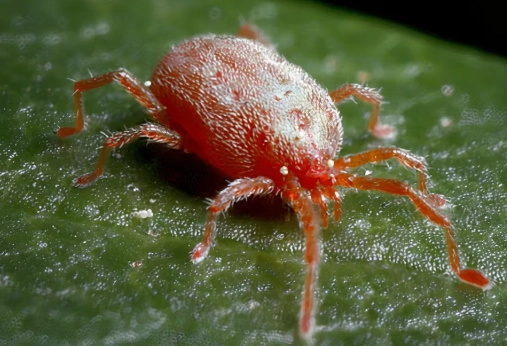
I woke up with a line of fiery, red bites around my ankles and waist. Mosquitoes? Fleas? Nothing seemed to fit. A chat with a local park ranger (and some subsequent deep-dive research) set me straight: I'd had a classic run-in with the Pacific Northwest's very own version of Trombiculidae—chiggers. So, do chiggers live in Washington? Absolutely. They're not as ubiquitous or notorious as their Midwestern or Southern cousins, but they're here, and if you're unlucky enough to brush past their favorite hangout, you'll know it.
This guide is the result of my own curiosity and frustration, pieced together from scientific resources, local expert advice, and, yes, personal experience. We're going to move past the rumors and get into the practical, usable facts you need to enjoy Washington's incredible outdoors without the itch.
Myth vs. Reality: The Washington Chigger
Myth: "Chiggers don't exist in Washington; it's too cool/wet."
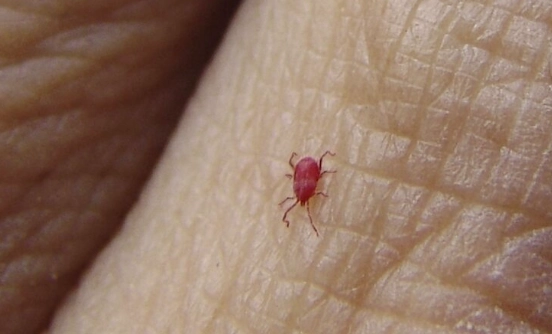
Reality: This is the big one. Washington state is absolutely home to chigger species. The climate in many parts of the state, particularly west of the Cascades with its moist, mild summers and abundant vegetation, is perfectly suitable for certain mites in the chigger family. The confusion often arises because our species are different from the classic "red bug" (Eutrombicula alfreddugesi) of the Southeast. Washington's chiggers are often larval stages of mites more commonly associated with rodents or birds, but they behave the same way when they encounter humans: they latch on, inject digestive enzymes, and cause that signature maddening itch.
Where Exactly Are You Likely to Find Chiggers in Washington?
They aren't lurking on every blade of grass, so don't let paranoia ruin your picnic. Knowing their preferred real estate is your first line of defense. Think of them as tiny, lazy hunters. They don't chase you. They climb to the top of tall blades of grass, weeds, or low shrubbery and wait with their little front legs outstretched, ready to hitch a ride on a passing host—be it a mouse, a deer, or you.
In Washington, focus your caution in these areas:
- The "Transition Zones": This is prime real estate. Edges of forests, overgrown field borders, the grassy perimeter between a meadow and woods. Anywhere that offers long grass for them to perch on and easy access to animal hosts moving between habitats.
- Tall, Unkempt Grasses & Weeds: Abandoned orchards, overgrown hiking trail edges, unmown fields, and the banks of streams or lakes. The taller and denser the vegetation, the better for them.
- Specific Regions with Higher Reports: While they can be anywhere the habitat is right, anecdotal reports and some localized studies point to higher activity in the river valleys and coastal areas west of the Cascade Mountains. Think areas around the Olympic Peninsula, parts of the Puget Sound lowlands, and southwestern Washington. I've heard more consistent stories from folks around Lewis County and near the Columbia River Gorge than from the arid eastern parts of the state, though it's not impossible there.
- Moist, Shady Areas: They desiccate easily. You're far less likely to find them in dry, sunny, open expanses of short grass (like a well-maintained lawn or golf course fairway). They love the humidity found in dense, shaded undergrowth.
It's a bit of a relief map, really. A sunny, gravelly trail on a ridge? Low risk. Bushwhacking through chest-high ferns and grass to get to that secluded fishing spot? That's the high-risk zone.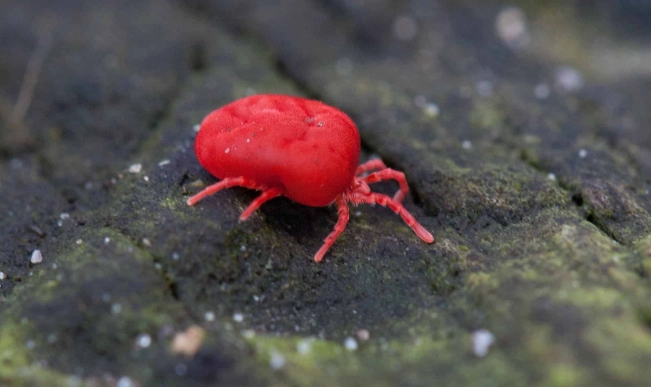
The Unmistakable Signature: Identifying Chigger Bites
Okay, so you've been out in potential chigger country. How do you know if the itch that starts a day later is from chiggers in Washington or something else? The pattern is usually a dead giveaway.
- The Delayed Reaction: This is key. You won't feel them bite. The intense itching usually begins 1 to 3 days after the initial attachment.
- Cluster Patterns: They rarely bite just once. You'll often find groups or lines of red welts. Common locations are where clothing fits tightly against the skin, creating a barrier the mites get trapped under: around the ankles (at sock lines), behind the knees, around the waist and groin area, and under armpits.
- The Look: The welts can look like small red pimples, bumps, or even hives. They are often topped with a tiny, hard, central point. A common old wives' tale is that chiggers "burrow under the skin"—this is false. They attach to the skin's surface, often at a pore or hair follicle, inject their enzymes to liquefy skin cells, and feed. The hard center is sometimes where the feeding tube (called a stylostome) formed. The severe itch is your body's allergic reaction to their saliva.
- The Itch Factor: Let's not mince words—it's a profound, relentless, maddening itch. It often feels worse at night. The welts can last for a week or two, sometimes longer if you scratch them open and cause a secondary infection.
Step-by-Step: Treating Chigger Bites Effectively (And What to Avoid)
I made the classic mistake on my first encounter. I scratched. It provided a millisecond of relief followed by days of worse pain and worry about infection. Learn from my error. Here’s a much better approach.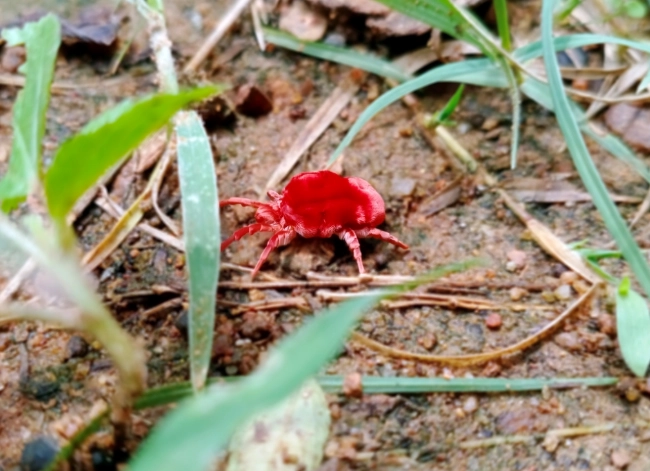
Immediate First Steps
1. Wash, Wash, Wash: As soon as you suspect exposure (even before itching starts), take a hot, soapy shower. Scrub your skin vigorously with a washcloth. This can physically remove any mites still attached before they've had time to cause a full reaction. It's the single most effective immediate action.
2. Launder Everything: Toss all your clothes, including your hat and socks, into the washing machine on a hot cycle. This kills any lingering hitchhikers.
Soothing the Itch: Your Treatment Toolkit
Once the welts appear, the goal is to manage the immune response and break the itch-scratch cycle.
| Treatment Method | How It Helps & How to Use | My Personal Notes |
|---|---|---|
| Over-the-Counter Anti-Itch Creams | Hydrocortisone cream (1%) is a topical steroid that reduces inflammation and itch directly at the site. Calamine lotion or creams containing pramoxine or menthol provide a cooling, numbing sensation. | Hydrocortisone was my savior. Apply a thin layer 2-3 times a day. It doesn't work instantly, but it takes the edge off for hours. |
| Oral Antihistamines | Medications like cetirizine (Zyrtec), loratadine (Claritin), or diphenhydramine (Benadryl) combat the systemic allergic reaction causing the itch. Benadryl can cause drowsiness. | I take a non-drowsy 24-hour pill in the morning during a bad bout. Benadryl at night can help you sleep through the itch. |
| Cool Compresses | Applying a cold, wet washcloth or an ice pack (wrapped in a thin towel) to the bites for 10-15 minutes constricts blood vessels and numbs the nerve endings. | Simple, free, and surprisingly effective for temporary relief. I'd do this while watching TV in the evening. |
| Oatmeal Baths | Colloidal oatmeal (like Aveeno Soothing Bath Treatment) has anti-inflammatory properties that calm irritated skin. | Feels great on large affected areas (like both legs). It's more about overall comfort than targeting specific welts. |
Popular Remedies That Are (Frankly) Useless or Harmful
- Nail Polish/Clear Glue: The myth is that this "suffocates" the chigger. Since the mite isn't under your skin, this does nothing but seal in the irritants. It's a waste of time.
- Bleach, Alcohol, or Gasoline: Do not put harsh chemicals on your skin. This can cause serious chemical burns and make a bad situation much, much worse.
- Excessive Scratching: Obvious, but worth stating. Breaking the skin leads to scabbing, potential scarring, and opens the door for bacterial infections like impetigo or cellulitis. Keep nails short and clean.
If bites show signs of a severe allergic reaction (extreme swelling, difficulty breathing) or if they become increasingly red, warm, swollen, and pus-filled (signs of infection), see a doctor. They may prescribe stronger steroid creams or antibiotics.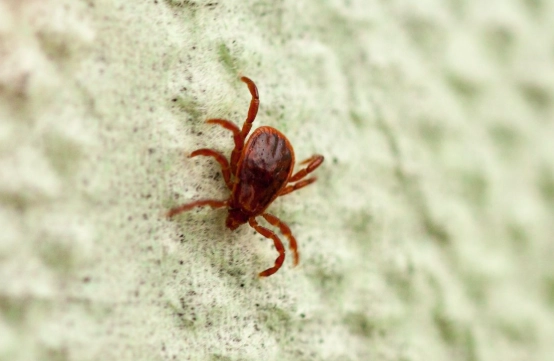
Pro Tip from a Seasoned Hiker
I keep a specific "after-hike" kit in my mudroom. It contains a bottle of rubbing alcohol (for wiping down gear like boot laces and gaiters), a fresh towel, and a tube of hydrocortisone cream. The routine is: strip off clothes straight into the washer, shower immediately, check for ticks and any early bite signs, and apply cream preemptively if I was in a known risky zone. This routine has cut down my post-hike itch episodes by about 90%.
Stopping Them Before They Start: Proven Prevention Strategies
Treatment is a reaction. Prevention is power. When you're planning to venture into areas where chiggers in Washington might be waiting, a little preparation goes an incredibly long way.
Clothing: Your Physical Barrier
- Cover Up: Wear long pants, long-sleeved shirts, high socks, and closed-toe shoes. Tuck your pant legs into your socks. It might not be the most fashionable look on the trail, but it creates a physical maze that chiggers struggle to navigate.
- Fabric Choice: Opt for tightly woven fabrics. They have a harder time clinging to smooth, synthetic materials compared to loose-knit cotton.
- Light Colors: Wear light-colored clothing. It doesn't repel them, but it makes the tiny, reddish mites easier to spot and brush off before they find skin.
Insect Repellent: The Chemical Shield
This is non-negotiable for me in high-risk areas. Not all repellents work equally well.
- DEET: The gold standard. A repellent with 20-30% DEET applied to skin and clothing (check for fabric compatibility) is highly effective. Reapply every few hours, especially if sweating.
- Picaridin: A great alternative to DEET. It's odorless, less greasy, and equally effective against chiggers. I prefer picaridin for everyday use.
- Permethrin (TREAT YOUR GEAR, NOT YOUR SKIN): This is the secret weapon. Permethrin is an insecticide that bonds to fabric fibers. You treat your clothing, socks, gaiters, and even tent mesh a day or two before your trip and let it dry. It kills chiggers, ticks, and mosquitoes on contact and lasts through multiple washes. The CDC recommends permethrin-treated clothing as a top strategy for preventing tick bites, and it works identically for chiggers. You can buy pre-treated clothing or use spray-on treatments like Sawyer Permethrin. This single step is arguably the most powerful prevention tool you have.
Post-Outdoor Routine
We touched on this, but it's worth its own section. When you get home:
- Leave shoes and gear outside or in the garage.
- Undress immediately and put clothes directly in the washer for a hot wash.
- Take that hot, soapy shower, scrubbing vigorously with a washcloth. Pay special attention to those tight-clothing areas.
Digging Deeper: Frequently Asked Questions About Chiggers in WA
Beyond the Itch: A Quick Note on Ecology
It's easy to villainize these tiny creatures. But in the grand scheme, chiggers are just a part of the ecosystem. Their larval stage is a parasite, but the nymph and adult stages are free-living predators or scavengers in the soil, likely feeding on tiny insects and their eggs. They are also a food source for other small predators. Understanding their role doesn't make the bites any less annoying, but it contextualizes them. They aren't an evil invention of nature to torment hikers; they're just a small, itchy part of a complex web of life in Washington's diverse landscapes.
For those wanting to dive into the scientific identification and distribution, the Washington State University Extension is an invaluable local resource. While a direct page on chiggers can be elusive, their entomology departments and master gardener programs often have experts familiar with local mite species.
Wrapping It Up: Your Action Plan for Washington's Outdoors
So, let's bring this all home. The fear of chiggers in Washington shouldn't keep you indoors. Washington's trails, forests, and coasts are too beautiful to miss. With a practical, layered approach, you can minimize your risk and maximize your enjoyment.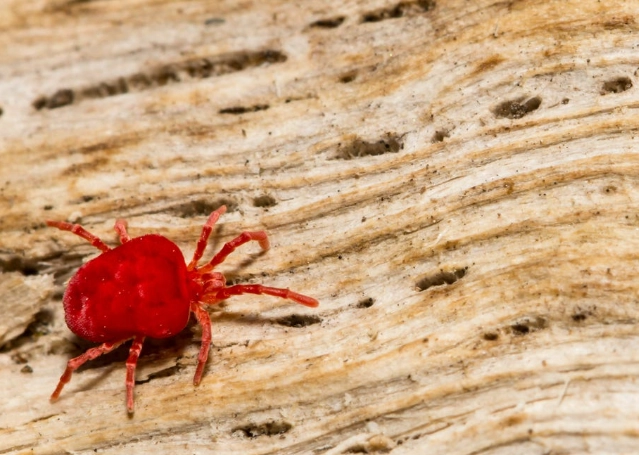
Before you go, remember this checklist:
Plan: Know the habitat you're entering.
Protect: Treat your clothes with permethrin. Apply picaridin or DEET to exposed skin. Dress in long, light layers, tucking pants into socks.
Perform Post-Trip Care: Shower hot and scrub. Launder all clothes on hot immediately.
And if, despite all precautions, you end up with a line of itchy welts? Don't resort to myths. Wash the area, apply hydrocortisone cream, take an antihistamine, and use cool compresses. They will fade. The memory of that stunning view from the ridge top will last much longer than the itch.
Go explore. Just do it smartly.
LEAVE A REPLY
Your email address will not be published. Required fields are marked *