Quick Navigation
- Meet the Residents: Hornet Species in Kansas
- Stings, Safety, and What to Do If You're Attacked
- To Remove or Not to Remove? Your Options for Hornet Nests
- Prevention: Making Your Kansas Property Less Appealing
- Kansas-Specific Considerations and Laws
- Your Hornet Questions, Answered (FAQ)
- Wrapping Up: Coexisting with Hornets in the Sunflower State
Let's talk about hornets in Kansas. It's one of those things you don't think about until you hear that low, ominous buzz near your eaves or see a football-shaped paper nest hanging from a tree branch. Then, suddenly, it's all you can think about. Is it dangerous? Should I run? Can I knock it down myself?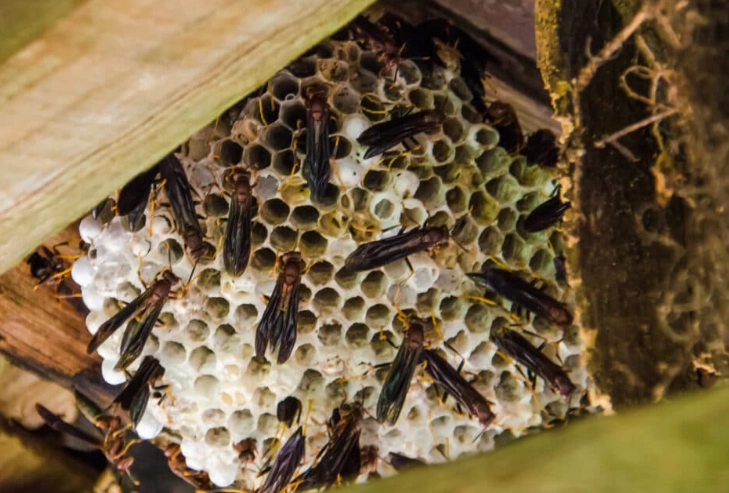
I've been there. A few summers back, I found what I thought was a small wasp nest under my deck in Wichita. I figured I'd handle it myself after sunset. Big mistake. It wasn't wasps; it was hornets. Let's just say I learned a lot about hornet behavior that evening, mostly through rapid, unplanned observation while retreating. That experience sent me down a rabbit hole of research, talking to local extension agents and pest control pros across the state. What I found was fascinating, and honestly, a bit reassuring once you know what you're dealing with.
So, if you're a Kansas homeowner, gardener, or just someone who enjoys the outdoors without wanting a side of painful stings, this guide is for you. We're going to move past the generic fear and get into the specifics of hornets in Kansas. What kinds live here? How bad are they, really? What should you absolutely not do? And when is it time to call in the cavalry?
Meet the Residents: Hornet Species in Kansas
First thing's first. When people search for info on hornets in Kansas, they're often picturing any large, stinging, flying insect. But entomologists are picky. True hornets belong to the genus Vespa. In Kansas, we really only have one widespread, true hornet that's settled in. The rest are imposters—but just as important to know.
The European Hornet (Vespa crabro)
This is the big one. Literally. The European hornet is the only true hornet established in North America, and it's found throughout Kansas. It was introduced in the 1800s and has made itself at home.
What do they look like? Think large—up to 1.5 inches long. They have reddish-brown heads and thoraxes, with abdomens that are yellow with dark brown stripes. They're less "angry yellow" and more "subdued autumn." Their nests are often hidden, which is a key point. You won't usually find a big, exposed paper ball. They prefer enclosed spaces: hollow trees, wall voids, attics, even bird boxes. I once spoke to a farmer near Salina who found a nest inside an old, unused water pump housing. They're sneaky like that.
Behavior-wise, they're actually less aggressive than many yellowjackets when away from their nest. They're also nocturnal, which is unusual. You might see them banging against your window at night, attracted to the light. They hunt other insects, which can be beneficial, but they also strip bark from shrubs and trees (like lilacs) which can cause damage.
The hidden nest is what makes them tricky.
The Bald-Faced "Hornet" (Dolichovespula maculata)
Ah, the classic. This is the insect most Kansans point to when they say "hornet." That large, gray, papery nest hanging from a tree branch? That's their work. But technically, it's not a true hornet. It's a type of aerial-nesting yellowjacket. The name "hornet" stuck because of its size and formidable nature.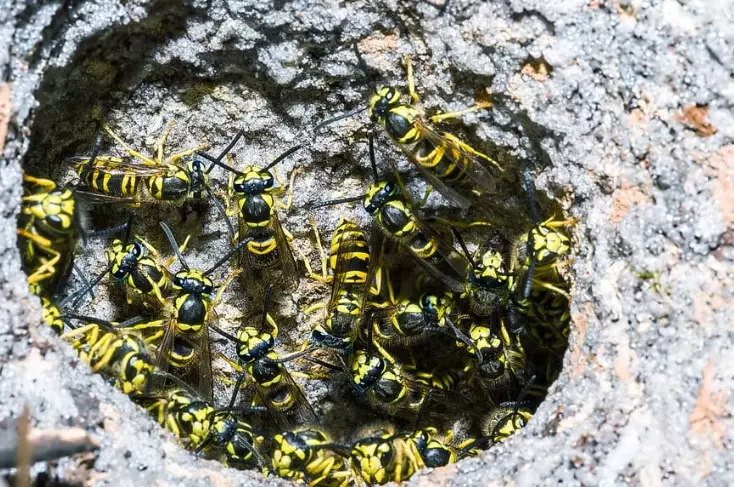
Identification is easy: black with white/ivory-colored markings on its face, thorax, and the tip of its abdomen. They're social, living in colonies that can contain several hundred workers by late summer. Their nests are architectural marvels—layers of paper pulp made from chewed wood fibers. They often build in trees and shrubs, but also under eaves, on utility poles, or the side of a building.
Now, here's the thing about bald-faced hornets in Kansas. They are highly defensive of their nest. If you get within a few feet, you might trigger an attack. Their sting is potent, and they can sting repeatedly. I have a friend in Lawrence who learned this the hard way while mowing near a low-hanging branch. The vibration was all it took.
Other Look-Alikes (The Usual Suspects)
People often confuse other wasps with hornets. It's worth a quick mention so you know what you're seeing.
- Paper Wasps: The ones with the long legs that dangle, building those open-comb, umbrella-shaped nests under your patio cover. They're generally less aggressive unless you mess with the nest directly.
- Yellowjackets: The classic picnic raiders. Usually smaller, with bright yellow and black bands. They often nest in the ground in Kansas, which is a major hazard for unsuspecting feet and lawnmowers.
- Cicada Killers: These solitary wasps are massive and look terrifying. But they're focused on cicadas and are very unlikely to sting humans. They dig burrows in sandy soil.
So, why does this identification matter? Because your strategy for dealing with a nest of ground-dwelling yellowjackets is totally different from handling a bald-faced hornet nest 30 feet up a tree.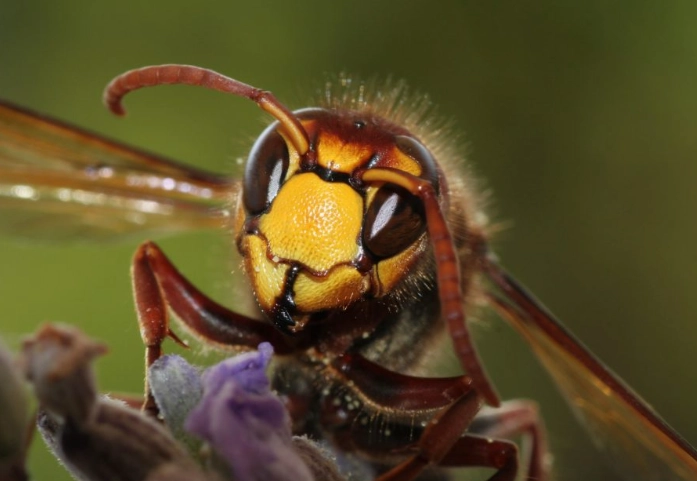
| Species | True Hornet? | Nest Location | Aggression Level | Key Kansas Trait |
|---|---|---|---|---|
| European Hornet | Yes | Hidden (tree cavities, walls) | Moderate (High near nest) | Nocturnal, bark stripper |
| Bald-Faced Hornet | No (Aerial Yellowjacket) | Exposed aerial (trees, eaves) | High (near nest) | Classic gray paper nest |
| Eastern Yellowjacket | No | Often underground | Very High | Major picnic pest, ground hazard |
| Paper Wasp | No | Open comb under structures | Low-Moderate | Generally less aggressive |
Stings, Safety, and What to Do If You're Attacked
This is the part everyone worries about. A hornet sting hurts. A lot. But beyond the immediate pain, what are the real risks for people dealing with hornets in Kansas?
For most people, a sting results in local reactions: sharp pain, redness, swelling, and itching around the site. This can last for a few hours to a couple of days. A cold compress and an over-the-counter antihistamine usually do the trick.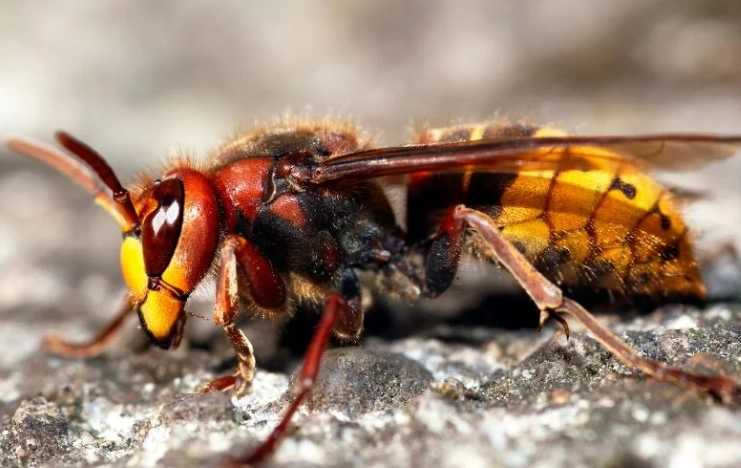
Multiple stings pose a different risk. Hornets, unlike honey bees, can sting repeatedly. A large number of stings can deliver a toxic dose of venom, leading to nausea, vomiting, fever, and even organ damage in extreme cases. This is rare but a real concern if you accidentally disturb a large nest.
So, what should you do if hornets start attacking? This isn't theoretical for me. After my deck incident, I asked a veteran exterminator for his number one tip.
"Run. Just run," he said. "And don't run in a straight line."
It sounds silly, but it's serious advice. Run away as fast as you can, preferably toward an enclosed building or vehicle. Do not swat violently—it releases more alarm pheromones. Do not jump into water—they may wait for you to surface. Cover your face and head with your arms or a shirt if you can. Get inside, close the doors and windows, and assess the situation.
To Remove or Not to Remove? Your Options for Hornet Nests
You've found a nest. Now what? The knee-jerk reaction is often "destroy it." But sometimes, the best action is inaction. Let's break down your choices.
Option 1: Live and Let Live (The Ecological Choice)
Hornets are predators. A colony of bald-faced hornets can consume pounds of caterpillars, flies, and other insects over a season. If the nest is in a remote corner of your property, far from human activity, paths, or play areas, consider leaving it alone. The colony is annual. The workers will die with the first hard frost, and the new queens will leave to hibernate. The old nest will not be reused. You can safely remove the empty, papery structure in the dead of winter or early spring.
I've adopted this approach with a nest at the back of my lot, near a wooded area. It's fascinating to watch them from a safe distance (with binoculars!). It's a free, natural pest control service.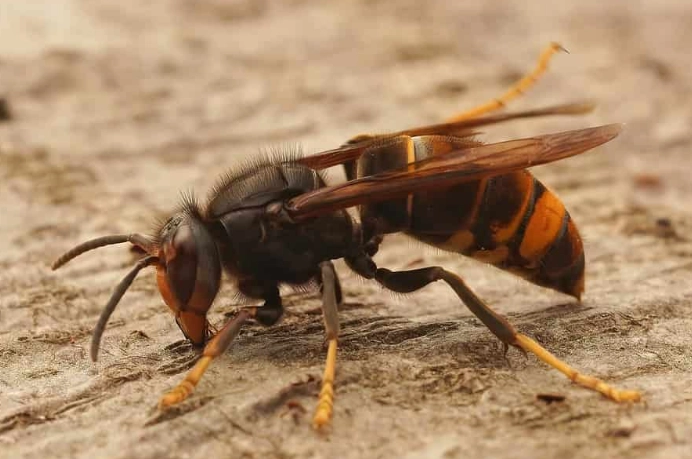
Option 2: DIY Removal (Proceed with Extreme Caution)
This is only for the very brave, very prepared, and only for small, accessible nests. I'm hesitant to even write this section because I've seen DIY attempts go wrong. But if you must, here are the non-negotiable rules.
- Timing is Everything: Treat the nest at dusk or just before dawn when all the hornets are inside and are less active. Never during the day.
- Suit Up: Wear thick, protective clothing. Tuck pants into socks, sleeves into gloves. Use a bee veil or hat with netting. No exposed skin.
- Have an Escape Route: Know exactly where you will run if things go south.
- Use the Right Product: Use an aerosol "wasp and hornet" jet spray that can shoot from a distance of 10-15 feet. Saturate the nest entrance thoroughly. Do not stand directly underneath an aerial nest.
- Wait and Observe: Leave the area immediately after spraying. Do not knock the nest down for at least 24-48 hours. Check for activity the next day from a safe distance.
Is it worth the risk? For most people, probably not.
Option 3: Professional Pest Control (The Smart Choice for Most)
For large nests, nests in walls or attics (European hornets), nests near high-traffic areas, or if you have allergies, hiring a pro is the only sensible choice. They have the experience, protective equipment, and insecticides to do the job safely and effectively.
What to expect? A good technician will assess the situation, identify the species (crucial for knowing nest behavior), and explain their plan. They might use dusts for wall voids or direct sprays for aerial nests. They'll also often offer to remove the nest structure afterward. The cost varies but is usually a worthwhile investment for peace of mind and safety.
When looking for a pro in Kansas, ask if they have specific experience with hornets and wasps. Check reviews. A reputable company will prioritize safety for you, your family, and their own crew.
Prevention: Making Your Kansas Property Less Appealing
An ounce of prevention is worth a pound of cure, especially when the cure involves angry, stinging insects. Here's how to discourage hornets from setting up shop in the first place.
Early Spring Scouting: This is critical. In early spring, queen hornets are alone, searching for a nest site. They're vulnerable. Walk your property regularly and look for small, starter nests—about the size of a golf ball. These can often be knocked down easily with a long pole during a cool morning before the queen has produced many workers.
Seal Entry Points: For European hornets that love voids, inspect your home's exterior in spring. Seal cracks around siding, roof soffits, and attic vents with caulk or steel wool. Repair damaged window screens. Make sure chimney caps are secure.
Manage Food Sources: Keep trash cans tightly sealed. Clean up fallen fruit from trees promptly. During outdoor meals, keep food covered until you're ready to eat and clear plates quickly. Avoid sweet-smelling perfumes or lotions when spending time in the yard.
Landscape Considerations: If you have recurring problems with aerial nests, consider pruning tree branches that overhang your house, deck, or walkways. This removes preferred anchor points for bald-faced hornet nests.
Kansas-Specific Considerations and Laws
This isn't just about biology; it's about local context. A few things are uniquely relevant to dealing with hornets in Kansas.
Climate Impact: Our hot, dry summers can sometimes push insects seeking water closer to homes. A leaky outdoor faucet or a pet's water bowl can be an attractant. Our winters kill off the worker colonies, which is why control focuses on preventing new queens from establishing in spring.
Agricultural Settings: For farmers or those with large gardens, the predatory nature of hornets can be a benefit. Tolerating nests in barns or field edges can help control crop pests. It's a cost-benefit analysis specific to your land use.
Legal Note on Pesticides: Always read and follow the label instructions on any insecticide you use. It's the law. The label is the definitive guide on where and how a product can be legally used. For large-scale or complex infestations, relying on a licensed professional ensures compliance with state regulations.
For the most reliable, region-specific advice, I always point people to the Kansas State University Research and Extension network. Their publications and local agents are an incredible resource for science-based information on all things agriculture and pests, including hornets in Kansas. Another great resource for understanding the biology and national context of these insects is the United States Department of Agriculture (USDA) website, which tracks invasive species.
Your Hornet Questions, Answered (FAQ)
I get a lot of the same questions from neighbors and friends. Here are the quick answers to the stuff people really want to know.
What's the most dangerous hornet in Kansas?
In terms of potential for a severe reaction, any stinging insect is dangerous if you're allergic. In terms of aggressive behavior and likelihood of being stung, the bald-faced hornet is often the most defensive of its nest. However, ground-nesting yellowjackets are responsible for more stings simply because people accidentally step on their nests.
I see a huge hornet near my woodpile. Is it a "murder hornet"?
Almost certainly not. The Asian giant hornet (Vespa mandarinia), dubbed the "murder hornet," has not been found in Kansas. There have been a few isolated findings in the Pacific Northwest, but it is not established there. The large hornet you're seeing is most likely a European hornet or a cicada killer. The USDA Animal and Plant Health Inspection Service (APHIS) maintains up-to-date maps and information on this.
Will hornets damage my house?
European hornets can cause minor damage by stripping bark for nest material. In extreme cases, if a very large colony establishes inside a wall void, the weight of the nest and associated moisture could potentially cause issues, but this is rare. The bigger concern is the risk of stings when they enter living spaces through cracks.
What's the best time of year to remove a nest?
Early in the season (late spring/early summer) when the colony is small is easiest and safest. However, nests are also less noticeable then. If you discover a large nest in late summer or fall, it's often safer to wait until after a killing frost if the nest's location allows. The colony will be dead, and you can remove it without risk.
Are there any natural repellents that work?
Honestly, the evidence for things like essential oils, decoy nests, or homemade sprays as reliable deterrents for established hornets in Kansas is pretty weak. They might offer a slight psychological comfort, but they won't stop a queen from nesting or a worker from defending its home. Physical exclusion and removal are vastly more effective.
Wrapping Up: Coexisting with Hornets in the Sunflower State
Look, hornets in Kansas aren't out to get you. They're just trying to make a living, raise their young, and survive the season. Our fear often comes from the unknown—the loud buzz, the painful sting, the mysterious paper fortress.
But knowledge defuses fear. Knowing that the bald-faced hornet nest in your oak tree will die naturally in the fall changes your timeline. Understanding that the giant insect at your window at night is just a European hornet drawn to the light, not launching an assault, changes your reaction. Recognizing the early signs of a nest lets you take simple, early action.
The goal isn't to eradicate every hornet from Kansas—an impossible and ecologically unwise task. The goal is to manage the risk around our homes and families. That means smart prevention, cautious observation, and knowing when to call in a professional. It means respecting their role in the ecosystem even as we protect our own space.
So next time you hear that buzz, take a breath. Look. Identify. Then make your plan. You've got this.
Stay safe out there.
LEAVE A REPLY
Your email address will not be published. Required fields are marked *