Quick Habitat Guide
- What Exactly is a Woodlouse Spider, Anyway?
- The Core Ingredients of a Prime Woodlouse Spider Habitat
- Natural and Garden Woodlouse Spider Habitats
- The Urban Explorer: Woodlouse Spider Habitat in Our Homes and Buildings
- Habitat Comparison: Natural vs. Urban Environments
- Seasonal Shifts in the Woodlouse Spider Habitat
- Managing Encounters: Habitat Modification is Key
- Common Questions About Woodlouse Spider Habitat (FAQs)
- Final Thoughts on Sharing Space
Let's be honest, most of us don't spend our days thinking about spider real estate. But if you've ever turned over a damp stone, lifted a loose piece of bark, or jumped back from a creepy-crawly in the basement with a bright red head and massive fangs, you might have met the woodlouse spider (Dysdera crocata). And the first question that usually pops into your head is, "What on earth is that thing doing here?" That question is all about habitat. Understanding the woodlouse spider habitat isn't just for bug nerds—it's the key to knowing why they show up in our homes, gardens, and sometimes even our sheds.
I remember the first time I saw one clearly. It was under a flowerpot I'd left sitting on the patio for too long. The pot was heavy with moisture, and when I lifted it, there was this glossy, reddish-brown spider that seemed more annoyed than scared. It didn't scuttle away like most spiders. It just kinda... turned its cephalothorax (that's the head-bit) and gave me what I swear was a dirty look with its six small eyes. I was more fascinated than frightened. What made that spot under the pot so perfect for it? That curiosity started a rabbit hole (or should I say, spider hole) of learning.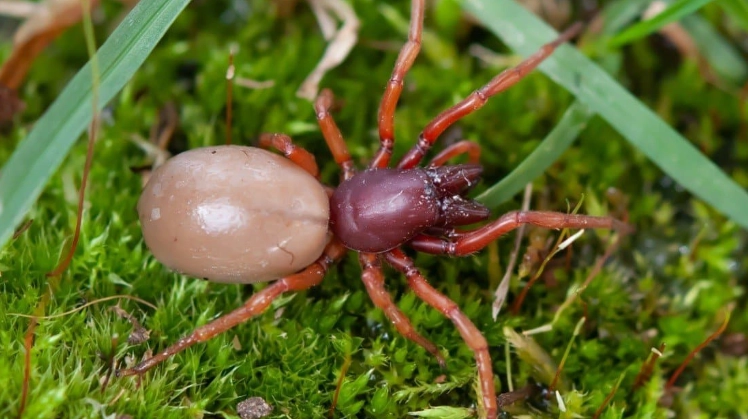
The woodlouse spider habitat is a story of a perfect predator finding its perfect prey in the perfect environment. It's not random. They're not just wandering aimlessly. Every detail of where they choose to live is a direct result of their unique biology, their specialized diet, and their need for specific conditions. If you're trying to figure out if you have them around, or if you're just plain curious about this common but odd-looking arachnid, knowing their habitat preferences is the first and most important step. It explains everything.
What Exactly is a Woodlouse Spider, Anyway?
Before we get into the "where," let's quickly cover the "what." It helps make sense of their habitat choices. The woodlouse spider, Dysdera crocata, is a bit of an outlier in the spider world. They're from a family called Dysderidae, and they're built differently. Most notably, they have enormous chelicerae (fangs) that stick out forward like a pair of tiny tusks. These aren't for show. They're specialized tools, perfectly evolved for one job: piercing the tough, calcareous armor of their favorite and almost exclusive food—woodlice (also known as pill bugs, roly-polies, or sowbugs).
They're medium-sized, with a body length of up to about 15mm (that's not counting the legs). The cephalothorax is a distinctive reddish-orange or mahogany color, and the abdomen is a dull beige, grey, or sometimes a dirty yellow. They have six eyes arranged in a tight semicircle, which is unusual (most spiders have eight). They're nocturnal hunters, relying more on touch and vibration than keen eyesight. All these physical traits directly dictate the kind of woodlouse spider habitat they seek out. A predator that hunts at night, targets prey that loves moisture, and needs powerful leverage for its attack isn't going to be happy on a dry, sunny leaf.
The Core Ingredients of a Prime Woodlouse Spider Habitat
Think of their habitat needs like a recipe. If you mix these ingredients together, you're very likely to find Dysdera crocata. Miss one, and they'll probably look elsewhere.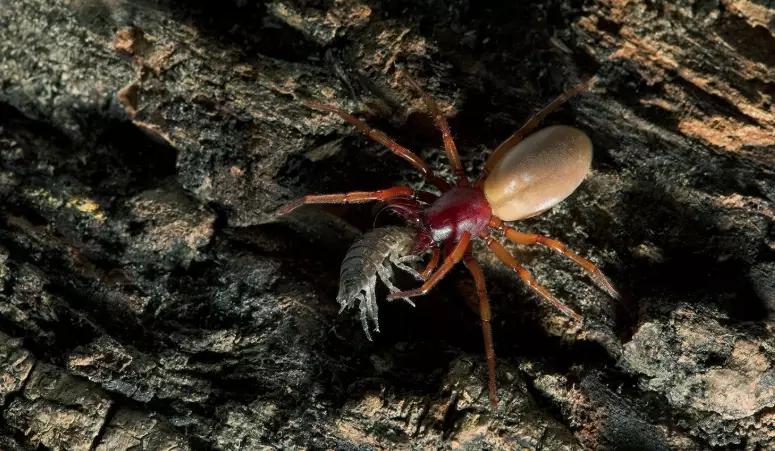
The Non-Negotiables: Moisture and Darkness
This is the foundation. Woodlouse spiders are hygrophilic—they love damp places. Their bodies lose moisture relatively easily, so they need environments with high humidity to survive. This is the single most critical factor in any woodlouse spider habitat. They also shun direct light, being almost entirely nocturnal. So, we're looking for places that are consistently damp and dark for most of the day.
Why the obsession with dampness? Two main reasons. First, their physiology. Second, and more importantly, their food source. Woodlice are crustaceans, not insects, and they have gill-like structures that require moisture to function. They will dehydrate and die in dry conditions. So, a damp environment is a woodlouse supermarket. A smart predator sets up shop where the groceries are plentiful. Therefore, the classic woodlouse spider habitat is, by necessity, also a prime woodlouse habitat.
Quick Fact: You'll almost never find a woodlouse spider in the middle of a dry, sunny lawn or on a tree branch. If the area feels dry to your touch, it's probably not hosting a resident Dysdera.
Shelter and Structure: The Need for a "Ceiling"
They aren't web-builders. They don't spin intricate orb webs to catch food. They are active, stalking hunters. But they still need a safe place to retreat during the day, to digest their meals, and to lay eggs. The ideal woodlouse spider habitat provides ready-made shelter. They don't excavate burrows from scratch like some spiders; they are opportunists. They seek out existing crevices, gaps, and covered spaces.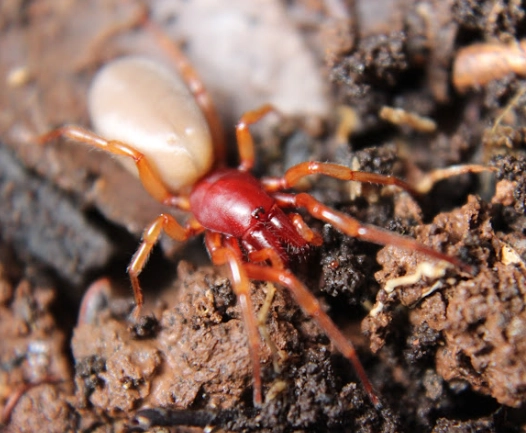
This need for shelter means their habitat often has a physical "lid" or covering. Something that creates a tight, secure space overhead. This overhead cover also helps maintain the darkness and humidity they crave by blocking sunlight and reducing airflow that would cause drying.
Natural and Garden Woodlouse Spider Habitats
In the great outdoors, away from human buildings, the woodlouse spider habitat is all about micro-environments. These are the small, specific spots within a larger ecosystem that hit the moisture-darkness-shelter trifecta.
- Under Stones and Rocks: The classic spot. A flat stone sitting on soil is perfect. The soil underneath stays moist, the rock provides total darkness and a protective roof, and woodlice love to congregate there. Lift any sizable garden stone that's been in place for a while, and your chances of finding one are high.
- Beneath Logs and Decaying Wood: Another textbook location. Rotting logs retain moisture like a sponge and are teeming with the decomposer organisms that woodlice eat. The spaces under the bark or within the soft wood itself make for excellent shelters. The entire log ecosystem is a self-contained woodlouse spider habitat.
- Under Leaf Litter and Deep Mulch: Thick layers of leaves, especially in wooded areas or under shrubs, create a cool, humid blanket over the soil. This is prime hunting ground. The spiders can move through the layers, feeling for vibrations of woodlice feeding on the decaying plant matter.
- In and Under Loose Bark: On dead or dying trees, bark that has pulled away from the trunk creates a brilliant, narrow crevice. It's dark, often damp from rain or sap, and directly adjacent to a world of bugs living in the decaying wood underneath.
- Within Compost Heaps: A compost bin is basically a five-star hotel for a woodlouse spider. It's perpetually damp, warm from decomposition, pitch dark inside, and absolutely crawling with woodlice. It's a perfect, self-replenishing larder.
I've personally found them in all these places. The compost heap is where I see the most, and frankly, they're doing a service there by helping regulate the woodlouse population, which can get out of hand.
The Urban Explorer: Woodlouse Spider Habitat in Our Homes and Buildings
This is where people's interest usually spikes, and sometimes their anxiety too. Woodlouse spiders are synanthropic, meaning they thrive in human-altered environments. Our homes, outbuildings, and gardens often accidentally create perfect replicas of their natural habitats. They don't come inside looking for you; they come inside because we've built ideal conditions for their prey, and they've simply followed the food.
A Calming Note: Finding a woodlouse spider indoors is almost always a sign of a moisture issue somewhere, not an "infestation" in the scary sense. They are solitary hunters and don't form colonies. You're likely seeing individuals who've wandered in from a damp spot nearby.
So, where inside does a woodlouse spider habitat get replicated?
- Basements and Cellars: This is ground zero, especially in older homes with stone foundations or chronic dampness. The cool, humid air, the clutter (boxes, old furniture), and the presence of other moisture-loving critters like silverfish and—you guessed it—woodlice make it prime territory. Check corners, behind stored items, and along the base of walls.
- Bathrooms and Utility Rooms: Any room with plumbing. Leaky pipes under sinks, condensation around toilets or washing machine connections, and generally higher humidity can attract prey and, consequently, the spiders. They might hide behind the toilet, under the sink vanity, or in a damp cupboard.
- Garages and Sheds: Particularly if they have concrete floors that "sweat" or if gardening supplies (pots, bags of soil) are stored there. A stack of damp flower pots is virtually indistinguishable from a pile of stones in their eyes.
- Crawl Spaces: Often the darkest, dampest, and most neglected part of a house. It's a vast, undisturbed woodlouse spider habitat waiting to be explored (by them, not by you).
- Behind Skirting Boards or Under Floorboards: If there's a gap and moisture from below, it can become a highway and a home. This is more common in ground-floor rooms.
The pattern is unmistakable. Indoor sightings are a direct indicator of where your home's environment mirrors the natural woodlouse spider habitat: damp, dark, and structurally complex with hiding places.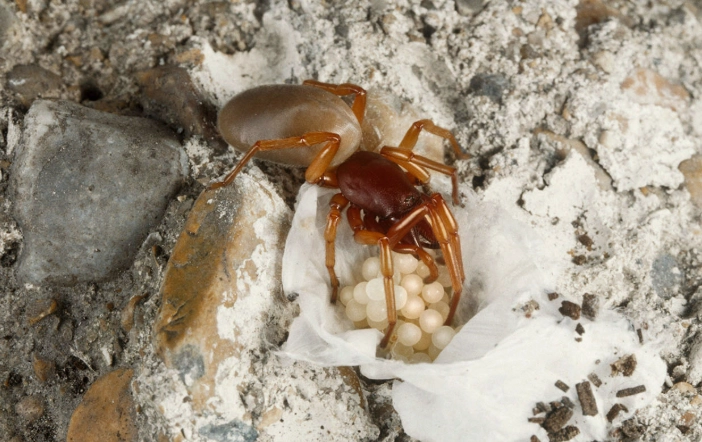
Habitat Comparison: Natural vs. Urban Environments
It's useful to see the direct parallels. The following table shows how human structures often unintentionally create analogs of natural habitats.
| Natural Woodlouse Spider Habitat | Equivalent Urban/Human Habitat | Why It's Attractive |
|---|---|---|
| Under a flat garden stone | Under a stack of patio pavers or flower pots | Provides a damp, dark, sheltered microclimate with easy access to soil-dwelling prey. |
| Beneath a rotting log | In a damp compost bin or pile of decaying garden waste | High humidity, constant biological activity, and an abundance of woodlice and other invertebrates. |
| Within deep leaf litter in a forest | Under thick mulch in garden beds | Retains ground moisture, offers concealment, and hosts a food web based on decomposing matter. |
| Crevasse under loose tree bark | Gap behind loose skirting board or under peeling wallpaper (in a damp room) | A tight, secure, and often humid linear shelter perfect for ambushing prey that travels along walls. |
| Cool, humid soil in a shaded wood | A damp basement or cellar floor | The consistent cool temperature and high humidity replicate the forest floor, attracting moisture-dependent prey. |
Seeing it laid out like this makes it obvious, doesn't it? We're basically building little spider condos without meaning to.
Seasonal Shifts in the Woodlouse Spider Habitat
Their living arrangements aren't static year-round. Weather and temperature force changes, which explains why you might see them more often at certain times.
- Spring & Summer: This is peak activity. Warmer temperatures and often damper conditions (from rain or watering) expand their range. They may roam farther from their core shelters. This is also when you're more likely to see males wandering indoors as they search for mates, which can lead to those surprising bathroom encounters.
- Autumn: As temperatures drop, they seek more insulated shelters. They might move deeper into leaf piles, under thicker debris, or, crucially, seek the slightly warmer, stable environment of building foundations and basements. This is a common season for "invasion" notices, but it's just migration to winter quarters.
- Winter: In colder climates, they become largely inactive (diapause). They retreat to the most protected, frost-free parts of their habitat. A deep compost heap, the interior of a log, or the heart of a basement wall void are typical overwintering sites. Their need for dampness remains, but the priority shifts to avoiding freezing.
So if you find one in your sink in October, it's probably a male who got turned around while looking for a cozy crevice to wait out the cold, not a sign of a population explosion.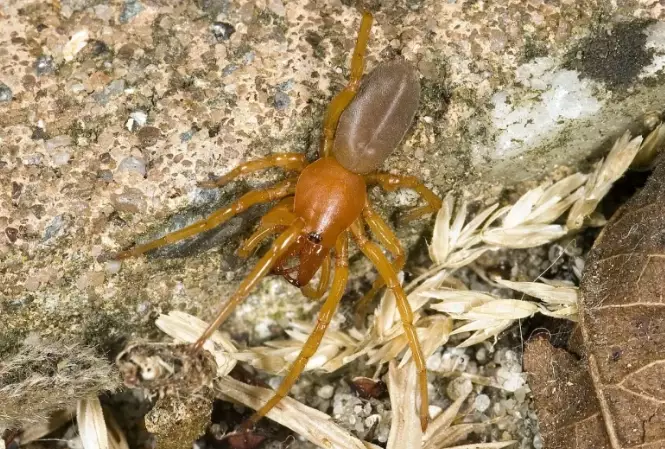
Managing Encounters: Habitat Modification is Key
If you're not a fan of sharing your space with them, the most effective and humane strategy isn't spraying chemicals everywhere. It's making your space less like a woodlouse spider habitat. Remember the recipe: moisture, darkness, shelter, and prey. Disrupt that.
- Reduce Moisture: This is the big one. Fix leaky taps, pipes, and appliances. Improve ventilation in damp rooms like bathrooms and basements. Use a dehumidifier in chronically wet areas. Ensure gutters and downspouts direct water away from your foundation. A drier environment is a deal-breaker for them and their woodlouse prey.
- Remove Shelter and Clutter: Declutter storage areas, especially in basements and garages. Store items in plastic bins off the floor instead of cardboard boxes on concrete. Seal cracks and gaps in foundations, around pipes, and in skirting boards with caulk or expanding foam. This eliminates their hiding spots and movement corridors.
- Manage the Prey Population: By reducing moisture and organic debris (like leaf piles or rotting wood) right against your house, you directly reduce the woodlouse population. No food, no predators.
- Modify Outdoor Habitat: Keep mulch, compost bins, and woodpiles several feet away from your home's exterior walls. Store firewood off the ground and away from the house. Regularly turn over and move garden ornaments, stones, and pots to disturb any established residences.
I've found that just keeping the perimeter of my house clear and fixing a dripping outdoor tap made a huge difference. It's less about fighting the spiders and more about politely revoking their habitat invitation.
Common Questions About Woodlouse Spider Habitat (FAQs)
Let's tackle some of the specific questions people type into Google. These are the things I wondered about too.
Are woodlouse spiders dangerous to humans?
No, not really. They have a fearsome appearance and those large fangs can pierce human skin if the spider is carelessly handled and feels threatened. A bite might be momentarily painful (like a pinprick or bee sting) and could cause some local redness or slight swelling, similar to many minor insect bites. There is no medical significance. They are not aggressive toward humans and have no interest in us. Their venom is specialized for woodlice and is not dangerous to people. The British Arachnological Society has a good, calm overview of spider bites in general, noting that most are harmless. The key is to simply avoid grabbing or squeezing them.
How do I tell a woodlouse spider from other common spiders?
The combination of features is unique. Focus on the reddish-orange head/thorax, the dull, pale abdomen, and most definitively, the very large, prominent fangs that project forward. No other common household spider in Europe or North America has that exact combination. Their legs are also a similar color to the abdomen, not banded. If you're unsure, a great resource for comparison is the identification guides on sites like the British Arachnological Society or the Australian Museum's spider section, which have clear photos and diagrams.
I found one inside. Does that mean my house is dirty or infested?
Absolutely not. It does not indicate poor hygiene. As we've covered, it indicates localized moisture and the presence of their prey. They are solitary, so finding one or even a few over time is just evidence of individuals wandering in from a suitable habitat nearby (like a damp garden, compost heap, or basement corner). It's an environmental clue, not a judgment on your cleaning.
Can they climb smooth surfaces like walls or glass?
Not very well. They are ground-dwellers and are adapted for moving across rough, textured surfaces like soil, bark, and stone. Their claws aren't great for gripping sheer, smooth surfaces like glass, polished metal, or slick painted walls. This is why you often find them trapped in bathtubs or sinks—they can climb in via a towel or plug hole, but they can't climb back out. If you need to relocate one, a glass and a piece of card work perfectly.
Do they serve any ecological purpose? Should I just leave them alone?
They serve a very specific and useful purpose: they are a primary predator of woodlice. In moderation, woodlice are important decomposers. But in certain damp environments (like gardens, greenhouses, compost heaps), woodlice populations can boom and start damaging young seedlings, soft fruits, or decaying wood you might want to preserve (like in a historic building). Woodlouse spiders help keep that population in check. Outdoors, in their natural habitat, they are a beneficial part of the ecosystem. The Entomology Today platform, run by the Entomological Society of America, often highlights the ecological roles of various arthropods, including predators like spiders.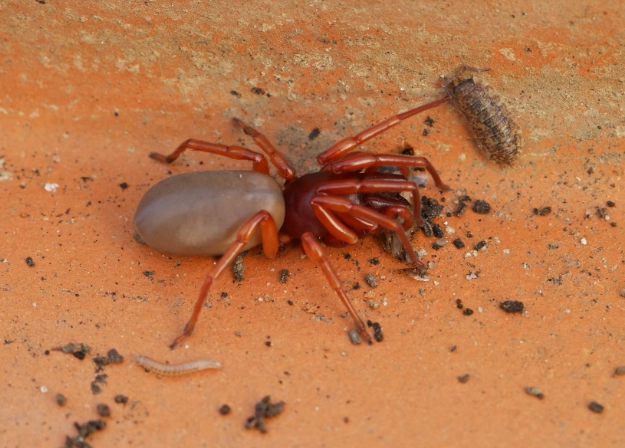
Final Thoughts on Sharing Space
Writing this has really cemented for me that understanding the woodlouse spider habitat takes all the mystery and most of the worry out of encountering them. They're not random invaders. They're predictable tenants with very specific lease requirements. When you see one, you're getting a snapshot of the micro-environment right around you—its humidity, its structure, its other inhabitants.
My own stance has softened from mild alarm to appreciation. In the garden, I leave them be. They're fascinating specialists. If I find one in the house, I now see it as a helpful (if somewhat dramatic-looking) indicator that I should check for a leaky pipe or a pile of damp boxes in the basement. I gently catch and release it outside, away from the house, near a log pile or the compost where it belongs.
The woodlouse spider habitat is a lesson in ecology happening right under our noses, and in our basements. By understanding it, we can coexist just fine, or gently encourage them to be someone else's fascinating neighbor.
LEAVE A REPLY
Your email address will not be published. Required fields are marked *