Quick Navigation
- What Exactly Is a Brown Funnel Web Spider?
- The Venom: Why This Spider's Bite is a Medical Emergency
- The Absolute, Non-Negotiable First Aid for a Suspected Bite
- Living Alongside Them: Practical Prevention and Control
- Common Questions Answered (The Stuff You're Actually Searching For)
- Final Thoughts: Respect, Not Hysteria
Let's be honest, the phrase "brown funnel web spider" doesn't exactly conjure up images of a cuddly pet. For most of us, especially if you live in or are visiting certain parts of Australia, it sparks a very specific kind of dread. I remember the first time I saw one in a friend's garden shed near Sydney—a glossy, dark brown spider sitting motionless at the entrance of a messy silk web that looked like a funnel. My friend, a lifelong local, just shrugged and said, "Yep, that's a funnel-web. Nasty ones, those." That casual acknowledgement of a potentially deadly creature stuck with me.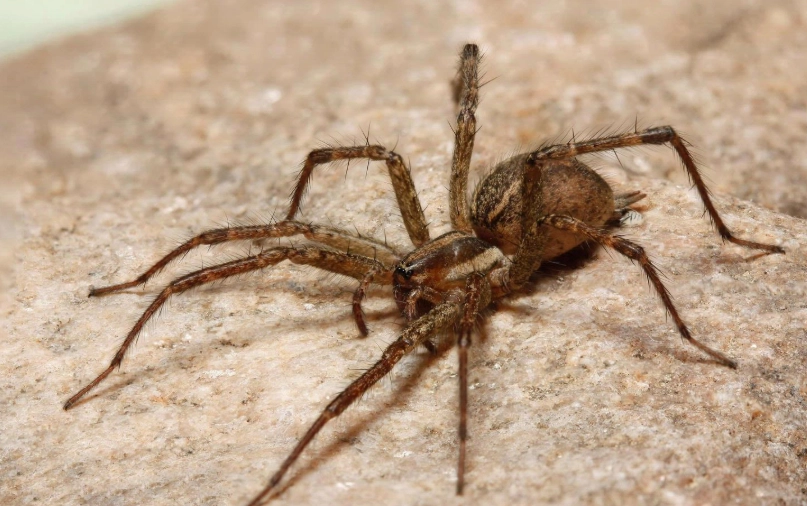
There's a mountain of fear and misinformation out there about these spiders. Some folks think every spider in Australia is out to get you (not true), while others underestimate the real risk of a bite from a species like the brown funnel web spider. The truth is somewhere in the middle, grounded in facts, not fear. This guide is my attempt to unpack all of it. We'll talk about what they look like, where they hide, what makes their venom so serious, and—most importantly—exactly what to do if the worst happens. Consider this your no-nonsense, practical handbook to understanding and coexisting (safely) with one of Australia's most infamous arachnids.
What Exactly Is a Brown Funnel Web Spider?
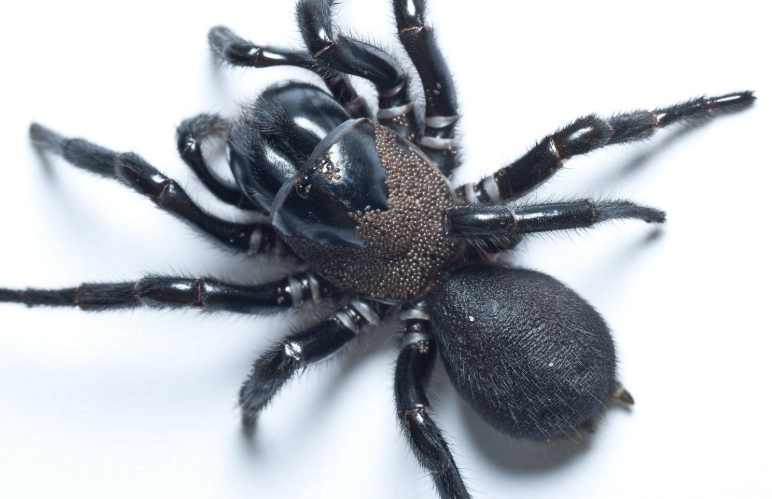
First, a bit of biology to clear up confusion. "Brown funnel web spider" isn't the name of just one spider. It's a common name that usually refers to a couple of key species within the Atrax and Hadronyche genera. The most notorious member of this "brown" club is often the Northern Tree Funnel-web Spider (Hadronyche formidabilis). But you might also hear it referring to certain populations or other species that have a darker, more chocolatey or mahogany brown color compared to the jet-black Sydney Funnel-web.
All funnel-webs are mygalomorphs—an ancient group of spiders with downward-striking fangs (think tarantulas). They're robust, medium to large spiders, and honestly, they look the part of a dangerous creature. They have a solid, glossy carapace and powerful-looking legs. The males are often more slender-legged than the females, and it's usually the wandering males that cause most of the bite incidents.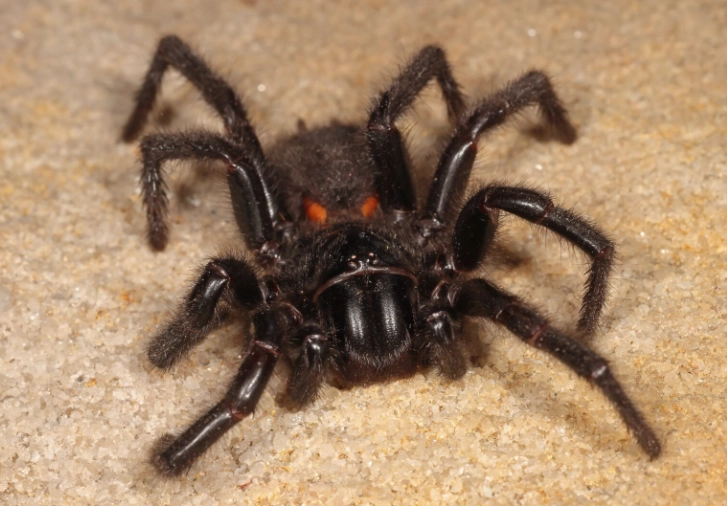
So, why "funnel-web"? Their trademark is the web structure. It's not an orb web like a garden spider. They build a tubular, funnel-shaped retreat of silk, often lined with more silk, that leads into a hole in the ground, a tree hollow, or a crevice in rocks. The web often has "trip lines" radiating out from the entrance. The spider sits at the funnel's mouth, feeling for vibrations. When an insect, or sometimes a small vertebrate, brushes against a line... well, you can guess the rest. It's a highly effective ambush strategy.
Spotting the Difference: Brown Funnel Web vs. Look-Alikes
This is where people get nervous. They see a big, dark spider and immediately jump to conclusions. Let's break down how to tell a potential brown funnel web spider from some common (and harmless) impostors.
| Spider | Key Identifying Features | Web Type | Danger Level |
|---|---|---|---|
| Brown Funnel Web Spider (e.g., Hadronyche sp.) | Glossy, dark brown to mahogany. Robust body. Large, downward-pointing fangs visible from front. Four spinnerets at rear, often obvious. Males have a modified second leg (a mating spur). | Funnel-shaped silk tube, often in ground burrow, rotting log, or tree hole. | Highly Venomous |
| Mouse Spider (Missulena sp.) | Often confused! Can be black or dark blue/brown. Head area is broad and bulbous. Fangs are large but not as prominently displayed forward. Males have bright red coloration on head/chelicerae. | Burrow with a hinged, trapdoor-like lid or an open hole. | Venomous (related to funnel-webs), but bites rare and less severe. |
| Trapdoor Spider (Various families) | Stocky, often hairy. Colors vary (brown, black). | Neat, camouflaged burrow with a perfect, hinged silken-soil trapdoor. | Not dangerous. Bite is mildly painful only. |
| Black House Spider (Badumna sp.) | Dark charcoal grey/brown, but has a velvety, not glossy, appearance. Abdomen is more rounded. | Messy, lacy sheet web with a funnel-like retreat, often in window corners. | Not dangerous. Common urban spider. |
See the pattern? The combination of glossy dark color, robust build, visible fangs, and a funnel web in a ground/log habitat is your strongest clue. If you're not sure, it's always safest to assume it could be a funnel-web and act cautiously. Don't try to handle it. Ever. I've seen videos of people doing that, and it's just asking for trouble.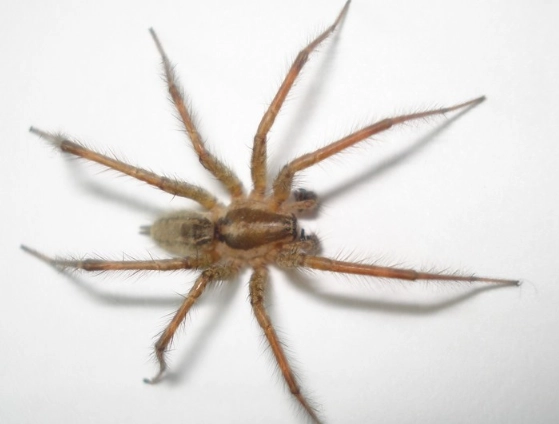
The Venom: Why This Spider's Bite is a Medical Emergency
Alright, let's talk about the scary part. The venom of the brown funnel web spider is complex, but one family of toxins, called delta-hexatoxins, is the main culprit for its potency in humans. These toxins specifically target our nervous system.
Here’s a simplified breakdown of what happens:
- The Bite: It's often very painful initially—a sharp pinch followed by a burning sensation. You'll likely see two clear fang marks.
- The Toxin's Target: The delta-hexatoxins keep sodium channels in our nerve cells stuck in the "open" position. Imagine a switch that won't turn off.
- The Cascade Effect: Nerves fire uncontrollably. This leads to a massive, system-wide release of neurotransmitters like acetylcholine, noradrenaline, and adrenaline.
- The Symptoms (The "Funnel-web Envenomation Syndrome"): This isn't a local reaction. It's a full-body systemic crisis that can develop rapidly, sometimes within minutes. Symptoms can include:
- Muscle twitching and spasms (fasciculations), especially around the face and tongue.
- Tingling and numbness around the mouth and lips.
- Profuse sweating, salivation, and tearing (the body's "overflow" response).
- Nausea, vomiting, and abdominal pain.
- Rapid heart rate (tachycardia) and high blood pressure, followed later by potential low blood pressure.
- Confusion, agitation, and potentially loss of consciousness.
- In severe cases, pulmonary edema (fluid in the lungs) can occur.
It's this rapid-onset, life-threatening systemic reaction that sets the brown funnel web spider apart from most other spiders. A bite from a black widow might make you terribly ill, but the funnel-web's attack can be faster and more dramatic. It's particularly dangerous to primates (including us) and insects, but interestingly, has little effect on many other mammals like dogs or cats. Evolution is weird.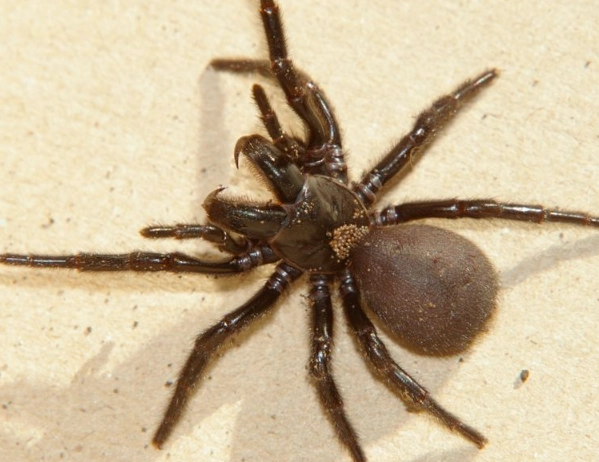
Now, here's a vital piece of context that often gets lost. Not every bite results in severe envenomation. Spiders can deliver "dry bites" where little or no venom is injected. However, you cannot assume a bite is dry. You must treat every bite from a suspected brown funnel web spider as a worst-case scenario.
The Absolute, Non-Negotiable First Aid for a Suspected Bite
This is the most important section in this entire article. If you remember nothing else, remember this: Pressure Immobilisation Technique (PIT). This first aid method was developed specifically for funnel-web and snake bites in Australia, and it is proven to save lives by slowing the movement of venom through the lymphatic system.
Forget everything you think you know about spider bite first aid. Do not wash the wound. Do not cut it. Do not suck the venom out. Do not apply a tourniquet.
Here is the step-by-step drill, burned into the brain of every Australian schoolkid:
- Keep the Patient CALM and STILL. Movement pumps venom around the body. Have them lie down immediately.
- Call for Emergency Help. In Australia, dial 000. Tell them it's a suspected funnel-web spider bite. Time is critical.
- Apply a Pressure Bandage.
- Start directly over the bite site. Use a wide elasticized bandage (like a crepe or conforming bandage). If you don't have one, use clothing, a towel, anything.
- Wrap firmly, as you would for a sprained ankle. The pressure should be tight but not cut off circulation. You should be able to slip a finger underneath.
- Immobilise the Limb.
- Bandage upwards from the bite, covering as much of the limb as possible (e.g., from fingers to shoulder for an arm bite).
- Use a second bandage if needed.
- Splint the Limb. Use anything rigid (a stick, rolled-up newspaper, even a straightened umbrella) to keep the limb from bending. Bandage the splint in place.
- Mark the Bite Site. If possible, use a pen to mark an "X" on the bandage directly over the bite wound. This helps medical staff later.
- Wait for the Ambulance. Keep the patient still and reassured. Monitor their breathing and consciousness.
At the hospital, treatment involves supportive care and the administration of funnel-web spider antivenom. This antivenom, derived from horse antibodies, is incredibly effective and is the reason for the perfect survival record since its introduction. The medical team will also try to identify the spider if it was captured (safely!).
Living Alongside Them: Practical Prevention and Control
You can't eradicate brown funnel web spiders from their native habitat, nor should you try. They're part of the ecosystem. But you can make your immediate living space a lot less attractive to them, especially those wandering males.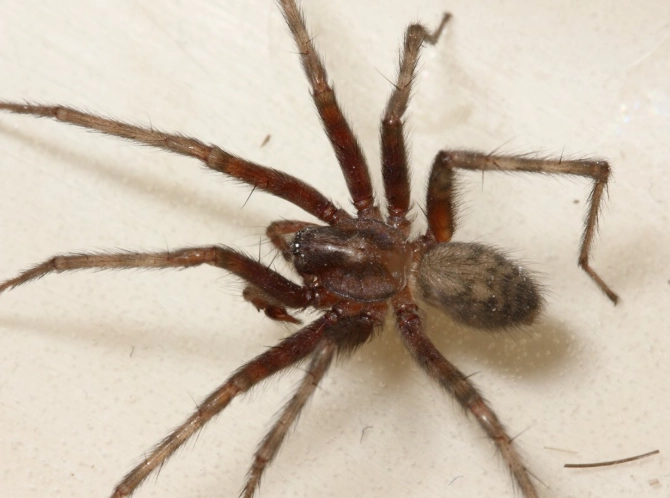
Think of it as spider-proofing. Here’s my practical checklist, born from talking to pest controllers and long-time residents:
- Seal Up Entry Points: Check foundations, door sweeps, windows, and weep holes. Use weather stripping and fine mesh screens. A gap the size of a pencil is a welcome mat for a male funnel-web.
- Declutter the Perimeter: Move piles of bricks, timber, firewood, and garden waste away from house walls. These are prime real estate for burrows.
- Be Vigilant with Shoes and Clothing: A classic scenario. Spiders seek dark, sheltered spots. Before putting on gardening gloves, boots, or shoes left outside, shake them out vigorously. I make a loud ritual of it.
- Manage Your Pool: Funnel-webs can survive submerged in water for surprisingly long periods. They often fall in and can't climb out the slick sides. Use a pool cover and check the skimmer box regularly. Have a long-handled net to remove them safely.
- Careful Gardening: Wear gloves when working in the garden, moving mulch, or handling compost. Be cautious around tree holes and rotting logs.
- Professional Pest Control: For persistent problems inside, a licensed pest controller can apply residual insecticides in key areas (like perimeter barriers). Ask them about pet-safe options. DIY sprays are often less effective and can scatter spiders, making the problem worse.
What about if you find one inside? The general advice from authorities like the Australian Museum is to avoid contact. You can try carefully guiding it into a large jar using a broom and piece of cardboard, then release it well away from the house (if you're confident). Otherwise, a quick call to a professional is the safest bet.
Common Questions Answered (The Stuff You're Actually Searching For)
Are all funnel-web spiders deadly?
No. While several species possess potentially lethal venom, the severity of a bite depends on the species, the sex (males are typically more toxic), the amount of venom injected, and the victim's health. The Sydney Funnel-web (Atrax robustus) and the Northern Tree Funnel-web (Hadronyche formidabilis) are considered the most dangerous. The key point is that all funnel-web bites must be treated as medical emergencies.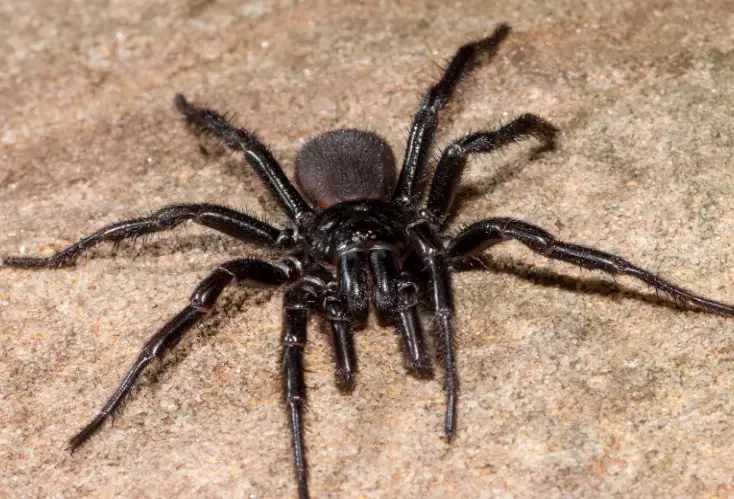
How fast does the venom act?
Systemic symptoms can start in 10 minutes to 2 hours. The progression can be frighteningly fast, which is why immediate first aid and calling an ambulance are non-negotiable. Don't "wait and see."
Can they jump or climb smooth surfaces?
They cannot jump in the way a jumping spider does. They are agile runners. They can climb rough surfaces like brick or timber very well, but they struggle with perfectly smooth, vertical surfaces like glass or glazed ceramic (like a bathtub or swimming pool wall).
What should I do if I find a brown funnel web spider in my pool?
First, don't panic and don't try to handle it with your hands. Use a long-handled pool net to carefully scoop it out. Place it in a secure, lidded container if you need to keep it for identification (which can help medical staff). Otherwise, release it into a bushy area well away from your home. Remember, it may still be alive even after being submerged.
Is there an antivenom, and does it work?
Yes. The funnel-web spider antivenom has been available since 1981 and is produced by Seqirus (you can read about its development and use on the NSW Health fact sheet). It is highly effective and is the primary reason there have been no deaths for over 40 years. It works by neutralizing the venom toxins in the bloodstream.
How can I tell a male from a female brown funnel web spider?
The male has a modified second leg (it has a small spur or swelling used during mating). Males are also generally more slender-legged and smaller-bodied than the robust, stockier females. Ironically, the more dangerous sex (the male) is the one you're more likely to encounter wandering.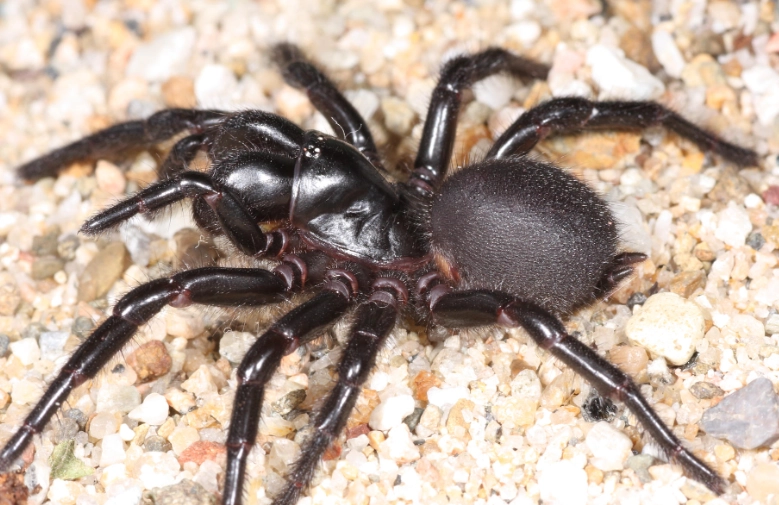
Final Thoughts: Respect, Not Hysteria
Writing all this down, it's easy to make the brown funnel web spider sound like a monster. It's not. It's an animal doing what it evolved to do, incredibly well. Its venom is a masterpiece of biochemical engineering, even if that engineering is terrifying from our perspective.
The goal here isn't to make you afraid to step outside. It's the opposite. By understanding what a brown funnel web spider is, where it lives, and how its venom works, you take the power away from the unknown. You replace blind fear with a healthy, informed respect. You know the signs of its habitat. You have a mental map of the first aid steps. You've spider-proofed your home.
That knowledge is your best defense. It lets you enjoy the incredible Australian bush and your own backyard without a cloud of unnecessary anxiety. Just maybe check your shoes first.
LEAVE A REPLY
Your email address will not be published. Required fields are marked *