Quick Navigation
- Untangling the Name: The Big Misconception
- How to Actually Identify a Virginia Funnel Web Spider (Funnel Weaver)
- Virginia Funnel Web Spider vs. The Lookalikes (A Critical Comparison)
- Biology, Life Cycle, and Where You'll Find Them
- Bite Symptoms and What to Do (The Practical Guide)
- Coexisting and Control: Should You Remove Them?
- Your Virginia Funnel Web Spider Questions, Answered
- Final Thoughts: Respect, Don't Fear
Let's be honest, the name "Virginia funnel web spider" sounds like it belongs in an Australian horror story, not in the forests of the eastern United States. I remember the first time I heard it, my mind immediately jumped to those infamous Sydney funnel-webs, and I wondered what kind of nightmare had migrated to this side of the world. Turns out, the reality is both fascinating and far less terrifying—but it does come with its own set of confusions and important details you need to know, especially if you spend time outdoors in Virginia or surrounding states.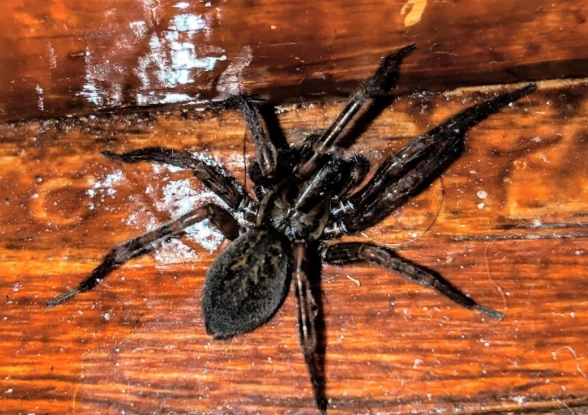
The truth is, this spider is often misunderstood. Its common name causes more panic than necessary, leading to misidentification and unnecessary fear. This guide aims to cut through the noise. We're going to look at exactly what a Virginia funnel web spider is (and isn't), how to spot one, what its bite means for you, and how it fits into the local ecosystem. My goal is to give you practical, clear information, so you can respect this creature without fearing it unreasonably.
Key Takeaway Right Off the Bat: The Virginia funnel web spider (Tegenaria domestica and relatives in the family Agelenidae) is a common, harmless funnel weaver. It is not the highly venomous Australian funnel-web spider (family Atracidae). The major risk from a Virginia funnel web spider bite is typically minor irritation, comparable to a bee sting for sensitive individuals.
Untangling the Name: The Big Misconception
This is the most critical point to grasp, and where most of the confusion starts. When you search for "virginia funnel web spider," you're likely mixing up two very different families of spiders.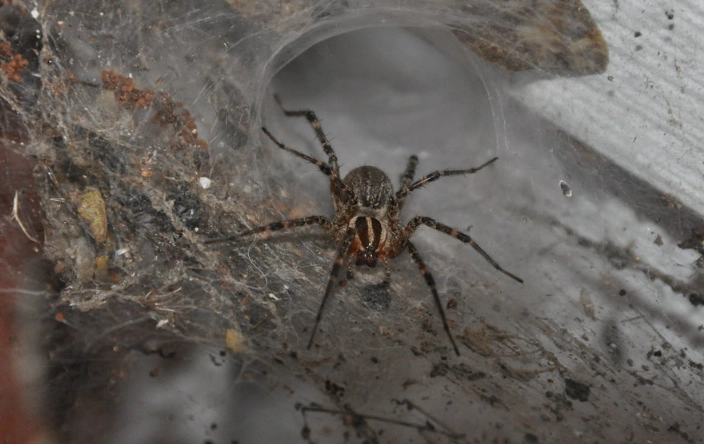
On one hand, you have the true funnel-web spiders of Australia (family Atracidae). These are the famous, medically significant spiders like the Sydney funnel-web. Their venom can be deadly to humans without antivenom. They are not found in Virginia, the United States, or anywhere in the Western Hemisphere in the wild.
On the other hand, you have the funnel weavers or grass spiders (family Agelenidae). This is the family that includes the common spiders in Virginia and across North America that build sheet-like webs with a distinctive funnel retreat. They are often colloquially called "funnel web spiders," which is where the mix-up happens. Their venom is not considered medically significant to humans.
So, the virginia funnel web spider is almost always referring to a native funnel weaver. The panic in the name is a linguistic relic, not a biological warning.
How to Actually Identify a Virginia Funnel Web Spider (Funnel Weaver)
Forget the scary name for a second. Let's talk about what you're actually looking at. Identifying these spiders comes down to a combination of features: their web, their body shape, and their behavior.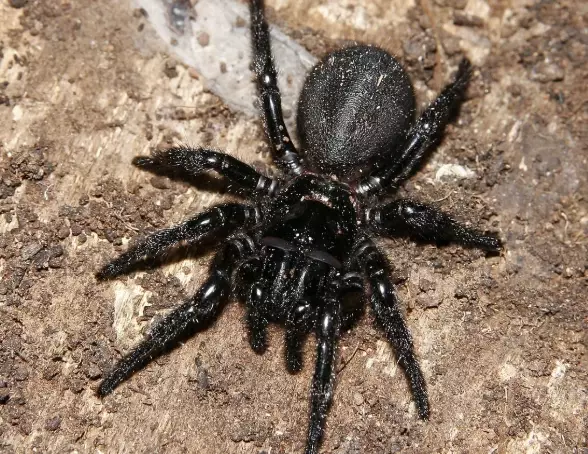
The Tell-Tale Web
This is the easiest way to spot them. You're not looking for an orb web like Charlotte's. Instead, look for a flat, horizontal sheet of non-sticky silk. It's often in grass (hence "grass spider"), low shrubs, or corners of woodpiles. The magic is in the funnel—a silken tunnel at one edge of the sheet where the spider hides. The spider waits deep inside, feeling vibrations on the sheet with its legs. When an insect lands on the sheet, the spider dashes out at incredible speed, subdues its prey, and drags it back into the funnel to eat.
If you see this classic funnel-web structure in Virginia, you've almost certainly found a member of the Agelenidae family.
Body Characteristics
Up close, funnel weavers have a few key physical traits:
- Size & Color: They are medium-sized spiders. Body length (cephalothorax + abdomen) typically ranges from 10 to 20 mm for females, with males slightly smaller. Their color is usually a mix of browns, tans, and grays with darker, chevron-like markings running down the length of their abdomen. It's a excellent camouflage for leaf litter and bark.
- Spinnerets: This is a great identification clue. Look at the rear end. Funnel weavers have two long, prominent spinnerets that look like tailpipes. They are clearly visible and much longer than those of many other common spiders.
- Eye Pattern: They have eight eyes arranged in two horizontal rows of four. This is different from the six-eye pattern of recluse spiders or other arrangements.
- Legs: Long, spiny legs adapted for rapid movement across their web sheet.
Honestly, the combination of the funnel web and those long spinnerets is the giveaway. You rarely see one without the other.
Virginia Funnel Web Spider vs. The Lookalikes (A Critical Comparison)
This is where people get into trouble. They see a brown spider and fear the worst. Let's clear this up definitively. The table below compares the true Virginia funnel web spider (funnel weaver) with two spiders it's often mistaken for, including one genuinely medically significant species.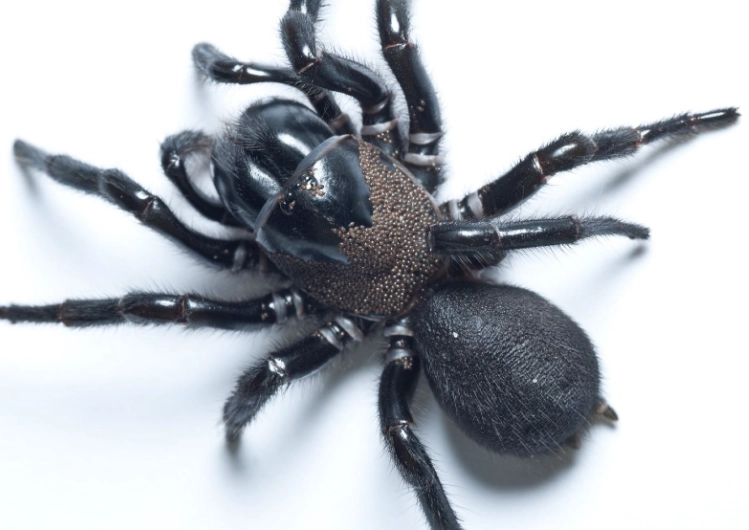
| Feature | Virginia Funnel Web Spider (Funnel Weaver) | Brown Recluse Spider | Wolf Spider |
|---|---|---|---|
| Primary Habitat | Grass, shrubs, ground-level webs, sometimes basements/garages. | Undisturbed indoor areas: boxes, closets, behind furniture. NOT native to most of Virginia (only far southwestern tip). | Ground hunters; no web. Often found under debris, in burrows. |
| Web | Funnel-shaped sheet web (its signature). | Irregular, off-white, sticky "scaffolding" web, not for catching prey. | NO catching web. May have a silk-lined burrow. |
| Key Marking | Dark, chevron-like streaks on abdomen. | Dark violin-shaped mark on cephalothorax (head region). | Varied patterns; often banded legs. |
| Spinnerets | Two very long, prominent spinnerets. | Short, not prominent. | Short, not prominent. |
| Eyes | Eight eyes in two rows. | Six eyes arranged in three pairs. | Eight eyes; large forward-facing main pair. |
| Danger to Humans | Very low. Bite is rare and minor. | Medically significant. Venom can cause necrotic lesions. | Low. Bite is rare and painful but not medically concerning. |
The brown recluse is the real concern here, but here's the crucial fact: its native range does not include the vast majority of Virginia. According to comprehensive maps from entomology departments like those at Virginia Tech, the brown recluse is only reliably found in the far southwestern tip of the state. Most "recluse sightings" in Virginia are misidentifications of other brown spiders, including male funnel weavers or wolf spiders. So, if you're in Richmond, Norfolk, or even the Shenandoah Valley and see a spider in a funnel web, you can confidently rule out a brown recluse.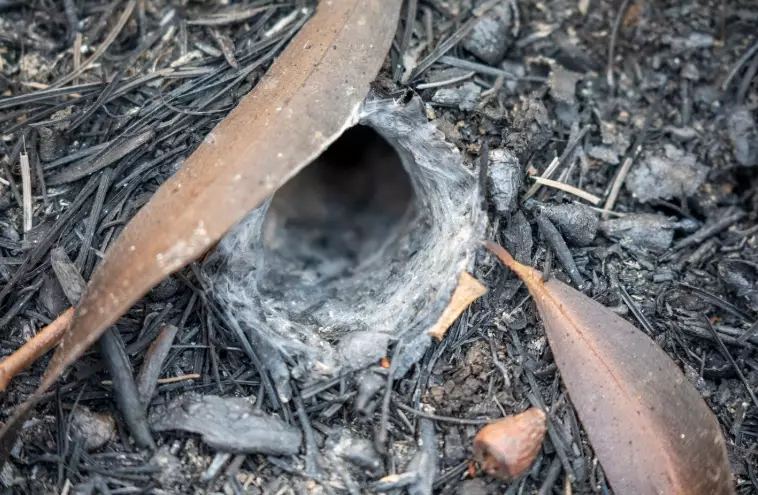
Biology, Life Cycle, and Where You'll Find Them
These spiders are a natural part of the Virginia ecosystem. They are primarily outdoor creatures, thriving in meadows, forest edges, and gardens. They are excellent pest controllers, feeding on crickets, grasshoppers, flies, and other small insects that blunder into their webs.
Males are often seen wandering in late summer and fall as they leave their webs to search for mates. This is when they most commonly end up in garages, basements, or occasionally houses by accident. They aren't seeking you out; they're just lost. The females are more sedentary, maintaining and enlarging their funnel webs, which can sometimes last for multiple seasons if the location is good.
Their life cycle follows the typical spider pattern: eggs are laid in a silken sac hidden in or near the funnel, spiderlings hatch and may stay clustered for a short time before dispersing to build their own tiny funnels.
Habitat Checklist: Where to look for a Virginia funnel web spider's web: tall grass fields, the base of shrubs and hedges, rock walls, woodpiles, undisturbed corners of sheds or garages, and sometimes in window wells or basement window frames where insects are plentiful.
Bite Symptoms and What to Do (The Practical Guide)
Let's address the elephant in the room: the bite. A bite from a Virginia funnel web spider is a rare event. They are not aggressive and have no interest in biting a human. A bite would only happen through direct, unintentional pressure, like putting on a glove they've crawled into or rolling over on one in your sleep.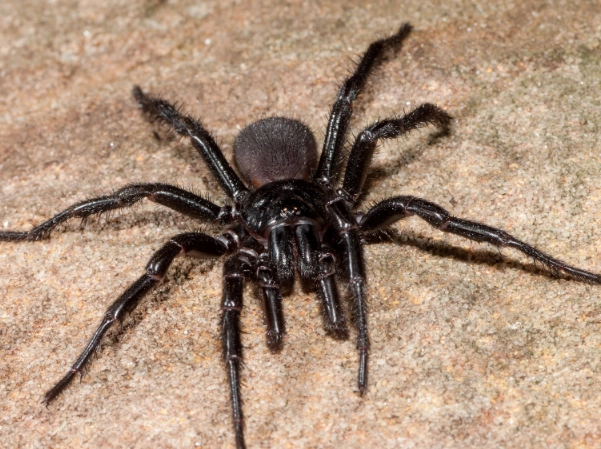
Potential Symptoms
If a bite does occur, the effects are almost always local and mild:
- Instant, sharp pinprick sensation.
- Localized redness, swelling, and itchiness around the bite site.
- Mild pain, similar to a bee sting or less.
- These symptoms usually subside within a few hours to a couple of days.
When to Seek Medical Attention
While severe reactions are exceedingly rare, you should consult a doctor if:
- You experience symptoms beyond the local site, like nausea, dizziness, muscle cramps, or difficulty breathing (signs of a systemic allergic reaction).
- The bite area shows signs of a secondary bacterial infection (increasing redness, warmth, pus, red streaks leading from the site). This is more common than a reaction to the venom itself and is caused by scratching or bacteria introduced during the bite.
- You are unsure of the spider's identity and have reason to believe it could be something more serious (e.g., you live in an area with brown recluse spiders and the spider lacked a funnel web).
Important First Aid: If bitten, wash the area thoroughly with soap and water. Apply a cold pack to reduce swelling and discomfort. Monitor the site. Avoid the old wives' tales of cutting, sucking, or applying tourniquets—these are dangerous and ineffective. For authoritative first-aid guidelines on spider bites, the Centers for Disease Control and Prevention (CDC) provides reliable, up-to-date information.
Coexisting and Control: Should You Remove Them?
My personal philosophy is to leave them alone when they're outdoors. They are performing a valuable service. However, I get it—nobody wants spiders setting up shop in their living room or child's play area.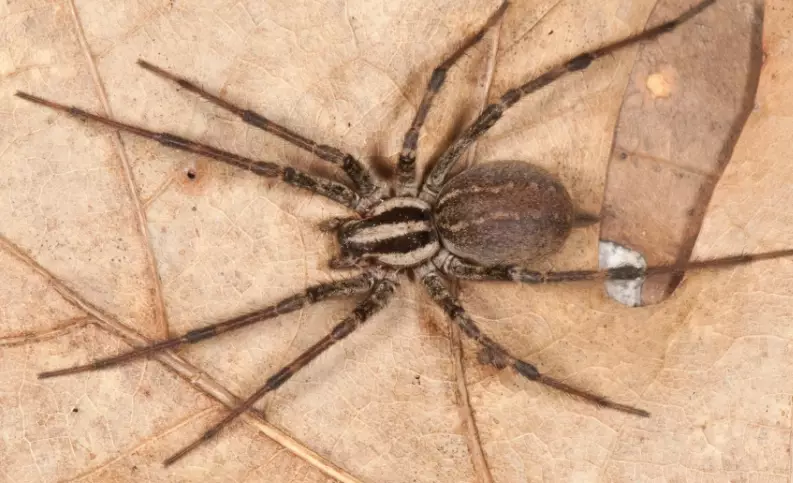
For outdoor management: If their webs are in a high-traffic area of your garden, simply sweeping away the web with a stick or broom is enough. The spider will usually relocate. Reducing heavy ground cover and leaf litter right next to your house foundation can make the area less attractive.
For indoor intruders: The best method is non-lethal capture and release. Use the classic cup-and-cardboard technique and put them outside. They want to be outdoors anyway. To prevent entry, seal cracks around windows, doors, and foundation lines. Ensure window screens are intact. Reducing indoor insect prey with good sanitation also makes your home less inviting.
I'm not a fan of indiscriminate pesticide use for spiders. It's often ineffective (spiders walk over residues and may not die) and kills all the other beneficial arthropods. Targeted removal is more efficient and environmentally friendly.
Your Virginia Funnel Web Spider Questions, Answered
Final Thoughts: Respect, Don't Fear
After all this, what's the bottom line on the Virginia funnel web spider? It's a common, beneficial native predator with a scarier name than it deserves. Its greatest sin is being a brown spider that builds a neat web. By learning its true identity—a harmless funnel weaver—you can replace anxiety with understanding.
The next time you see that characteristic funnel web in the grass or a corner of your shed, take a moment to appreciate the engineering. Watch how the spider sits perfectly still at the entrance. It's not plotting against you; it's just waiting for a mosquito or a fly to take the wrong step. In that way, this little Virginia funnel web spider is actually on your team, working the night shift for free.
If you're ever in doubt about a spider's identification, especially concerning a bite, the best resource is to consult with local experts. High-quality photo submissions to forums like BugGuide, managed by Iowa State University's Department of Entomology, can often get you a reliable ID from entomologists and avid amateurs. Remember, knowledge is the best way to dissolve fear.
LEAVE A REPLY
Your email address will not be published. Required fields are marked *