Quick Navigation
- The Three Main Castes: Appearance, Size, and Role
- Side-by-Side: Subterranean Termite vs. Carpenter Ant (The Classic Confusion)
- What About Other Bugs? Flying Ants, Acrobat Ants, and More
- Signs of an Infestation (Beyond Just Seeing the Bug)
- Your Questions, Answered (FAQ)
- What to Do Next: Steps After Identification
If you're poking around your basement or garden and see a tiny, pale insect scurrying about, your first thought might be "ant." But hold on. That quick guess could be a costly mistake. The real question you need to ask is: what does a subterranean termite look like? Because confusing them with ants is how a lot of homeowners end up with a massive, hidden repair bill. I've talked to enough pest control pros to know that early identification is everything. It's the difference between a simple treatment and replacing an entire floor joist.
Let's get straight to the point. Subterranean termites are social insects that live in colonies, much like ants or bees. But their colony structure is rigid, with different groups—called castes—handling specific jobs. And here's the kicker: each caste looks dramatically different. So when someone asks "what does a subterranean termite look like," there isn't one single answer. You've got to know which member of the colony you're looking at. A winged one swarming near your lamp is a whole different beast from the silent, blind worker munching on your floorboards from the inside out.
This guide is going to break it all down for you, caste by caste. We'll use plain language, talk about what you're actually likely to see, and I'll throw in some comparisons that actually make sense. I'll even tell you which ones I find genuinely creepy-looking (the soldiers, no contest). By the end, you'll be able to spot the differences and know what action to take. Let's dig in.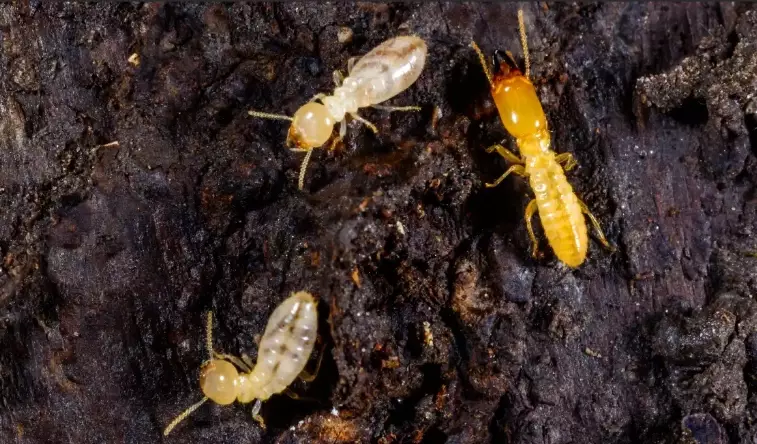
The Three Main Castes: Appearance, Size, and Role
Think of a termite colony like a tiny, hidden city. You've got the builders, the soldiers, and the future kings and queens. They don't just act different; they're built different. Understanding this is the core of answering "what do subterranean termites look like?".
The Workers: The Hidden Destroyers
These are the guys doing the damage. If you find termites actively eating wood in your home, 99% of the time, they're workers. They're the most numerous caste and the one you need to recognize.
- Color: Pale, creamy white. Sometimes almost translucent. They look soft-bodied and vulnerable, which they are—they avoid light at all costs.
- Size: Small, usually about 1/8 inch (3 mm) long. Roughly the size of a grain of rice.
- Body Shape: They have a broad waist (more on that later vs. ants). No wings. Their body is kind of uniform in width from head to rear.
- Head: Rounded, with small mandibles for chewing wood and carrying food. Their antennae are straight and bead-like.
Here's the thing about workers: you almost never see them out in the open. They build and travel in mud tubes to stay moist and protected. If you break open a damaged piece of wood or a mud tube, you'll see them pouring out. They're blind, they work 24/7, and a single colony can have hundreds of thousands of them. Not a pleasant thought.
The Soldiers: The Colony's Bodyguards
Soldiers exist for one job: defend the colony. They can't feed themselves (workers feed them), and they're pretty much helpless outside the nest. But they look intimidating—at least, to other insects.
- Color: Same pale body as workers, but with one huge difference—a large, darkened, orange-brown to dark brown head. The contrast is striking.
- Size: Slightly larger than workers, maybe up to 1/4 inch (6 mm) long, but a lot of that is their big head.
- Defining Feature: Their head is elongated and equipped with massive, dark mandibles (jaws) that look like pincers. They use these to block tunnels and fight off invaders, mostly ants. Some species have a nozzle-like projection on their head for shooting a defensive chemical.
If you disturb a nest or break open a tube, soldiers will often rush to the front, their big mandibles snapping. They're trying to plug the hole. They're slow and can't really hurt you, but they're a dead giveaway you've found termites. Honestly, I think they're the ugliest of the bunch. That oversized, dark head on a white body is just unsettling.
Really, they're the colony's security team.
The Swarmers (Alates): The Future Kings and Queens
These are the ones that cause panic. Swarmers are the reproductive termites. Once or twice a year, usually on a warm, humid day after a rain, mature colonies send out hundreds or thousands of these winged termites to start new colonies. This is when most homeowners finally realize they have a problem.
- Color: Dark brown to black body. Their most noticeable feature is their two pairs of long, delicate, milky-white wings that are equal in length and extend well past their body.
- Size: About 1/4 to 3/8 inch (6-10 mm) long, not including wings. With wings, they can look quite large.
- Key Markers: Straight, bead-like antennae. A broad waist (again, unlike ants). Two pairs of equal-length wings that are easily shed. You'll often find piles of discarded wings on windowsills, in spider webs, or near light sources.
Seeing a swarm indoors is a major red flag. It means a colony is established somewhere in or under your house. Outdoor swarms from a tree stump or landscape timber are less of an immediate threat to your home but signal activity nearby. They're poor fliers and often just flutter clumsily toward light sources.
Side-by-Side: Subterranean Termite vs. Carpenter Ant (The Classic Confusion)
This is the big one. People mix these up constantly. And it matters because carpenter ants are a nuisance, but subterranean termites are an economic threat. Let's clear this up once and for all.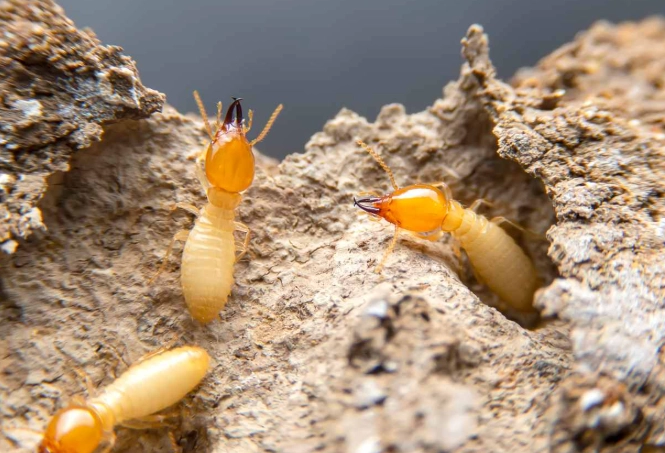
The main differences come down to three body parts: waist, antennae, and wings. I find a table makes this crystal clear.
| Feature | Subterranean Termite (Swarmer) | Carpenter Ant (Swarmer) |
|---|---|---|
| Body Color | Uniformly dark brown or black | Usually black, sometimes red and black |
| Waist | Broad waist, no constriction. Body is more rectangular. | Pinched, narrow waist (like a wasp). Clearly defined. |
| Antennae | Straight and bead-like (like a tiny string of pearls). | Elbowed (bent) antennae. |
| Wings | Two pairs of equal-length wings, long and milky/veiny. Easily shed. | Two pairs of unequal wings. Front wings much longer than hind wings. Clearer. |
| Diet | EAT wood (cellulose). | DO NOT eat wood. They excavate it to make nests, then go outside to forage for other food. |
| Frass (Droppings) | Produce mud-like pellets used in construction. No visible wood shavings. | Kick out coarse sawdust-like material (frass) containing insect parts. |
See the waist and antennae? That's your quick visual check. If it has a wasp-like waist and bent antennae, it's an ant. If the body looks like a straight tube with straight antennae, you're likely looking at a termite swarmer. The wing difference is also a dead giveaway if they're still attached.
For the workers, it's even simpler. Ant workers are dark-colored (red, brown, black). Termite workers are always pale and creamy white. You will never find a dark-colored subterranean termite worker. Never.
What About Other Bugs? Flying Ants, Acrobat Ants, and More
Okay, so you're pretty sure it's not a carpenter ant. But the insect world is full of look-alikes. Here's a quick rundown of other common confusions.
Flying Ants: This is just the reproductive stage of many ant species. They have the same three ant characteristics: elbowed antennae, pinched waist, and unequal wings. The termite vs. ant table above applies perfectly.
Acrobat Ants: These can be tricky. Their workers are similar in size and sometimes color to some ants. But again, check the waist and antennae. They're ants. Their name comes from how they raise their abdomen over their head when disturbed.
Powderpost Beetles: These are beetles, not ants or termites. The adults are small, brown beetles that fly. The real damage is done by their larvae, which create fine, powdery frass (like flour) as they eat wood. No mud tubes, no pale workers, just powder and small, round exit holes.
Moisture Ants: Often nest in damp, rotting wood. Their workers are yellowish and can be mistaken for termite workers from a distance. But up close, the pinched waist and ant-like antennae give them away. They're a sign of a moisture problem, which is also attractive to termites.
Signs of an Infestation (Beyond Just Seeing the Bug)
Sometimes you won't see a live termite at all. You'll see the evidence they leave behind. Knowing these signs is just as important as knowing what a subterranean termite looks like.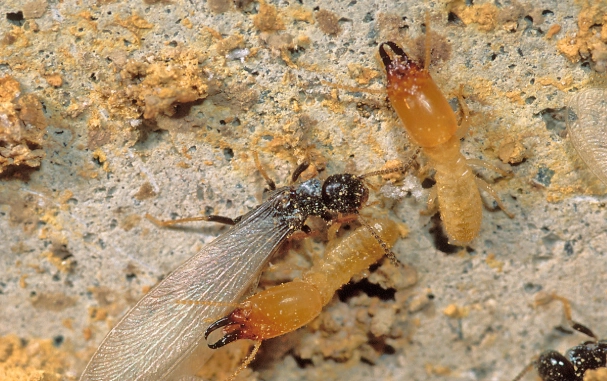
- Mud Tubes: The classic sign. These are pencil-width (or larger) tunnels of soil, saliva, and feces that termites build to travel between their underground nest and their food source (your house) while staying moist. Look for them on foundation walls, in crawl spaces, on piers, or even coming from the soil up into subflooring.
- Discarded Wings: After a swarm, the reproductives shed their wings. Piles of tiny, identical wings on windowsills, near doors, or in cobwebs are a huge red flag.
- Damaged Wood: Termites eat wood along the grain, leaving behind a honeycomb pattern. The wood may sound hollow when tapped. The outer surface is often left intact as a thin veneer, hiding the damage inside. You might also see mud packed into cracks and galleries within the wood.
- Bubbling or Warping Paint: Can sometimes indicate moisture from termite tubes or galleries underneath.
- Head-banging: Soldier termites will sometimes bang their heads against tunnel walls to signal danger to the colony. It can create a faint, dry rattling sound. It's rare to hear, but it happens.
If you find any of these signs, especially mud tubes or wings inside, it's time to call a pro for an inspection. Don't disturb the tubes—a professional can use them to assess activity.
Your Questions, Answered (FAQ)
What to Do Next: Steps After Identification
So you've figured out what a subterranean termite looks like, and you're pretty sure you've found them. Don't panic, but do act deliberately.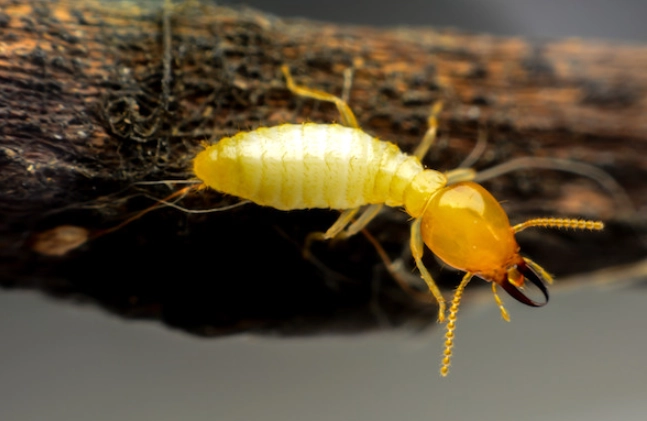
- Confirm: Re-check the key features. Use the table. Take a photo.
- Do NOT Disturb: Avoid spraying them with insecticide, cleaning up wings, or crushing mud tubes. You want the evidence intact for the inspector.
- Call Reputable Professionals: Get inspections from 2-3 licensed, insured pest control companies. Ask about their inspection process, treatment options (liquid termiticides, baits, etc.), and warranties. Check online reviews.
- Get a Written Report & Quote: Any reputable company will provide a detailed inspection report and a clear, written quote for treatment.
- Address Conditions: While you arrange treatment, start fixing things that attract them: repair leaking faucets, ensure gutters drain away from the house, keep mulch and woodpiles away from the foundation, and eliminate wood-to-soil contact.
For authoritative information on termite biology and management, resources from university extension services are invaluable. The U.S. Environmental Protection Agency (EPA) provides an overview of termites and control methods. For detailed species profiles and biology, the University of Florida's Entomology Department has an excellent, in-depth feature. These sources are factual, science-based, and regularly updated.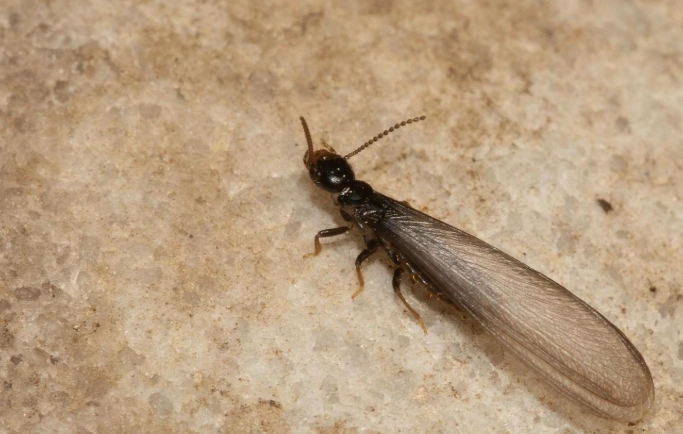
Hopefully, this visual guide has given you the confidence to identify these pests. Remember, the pale workers, the big-headed soldiers, and the dark swarmers with equal wings are your key markers. Keep an eye out, and don't ignore the subtle signs.
LEAVE A REPLY
Your email address will not be published. Required fields are marked *