Quick Navigation
You water it. You mow it. You fertilize it with hope. Then, one summer day, you see it—a patch of grass that looks thirsty, a little off-color, maybe yellowing. You water it more, but it just gets worse. It turns brown, crisp, and dies. You blame the heat, the dog, maybe a fungal disease. But often, the real culprit is much smaller and far more sneaky: chinch bugs.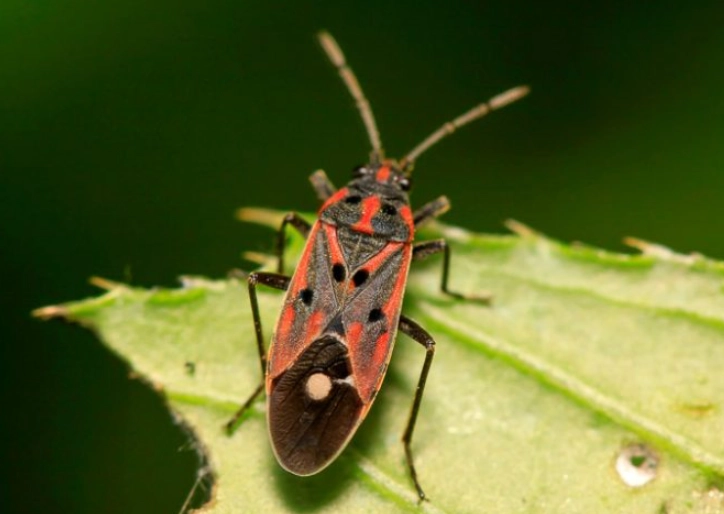
I’ve been there. A few years back, a perfect strip of my St. Augustine grass just gave up the ghost. I was convinced it was a watering issue until I got down on my hands and knees. That’s when I saw them. Tiny, black and white bugs scurrying around the base of the dead grass, right at the soil line. That was my first, frustrating introduction to these pests.
This guide is everything I wish I’d known then. We’re not just going to talk about killing chinch bugs. We’re going to understand them, learn how to spot them before they do real damage, and explore all the options to get your lawn back. Because let’s be honest, spraying a pesticide is easy. Knowing if you *should*, and what to use, is the hard part.
What Exactly Are Chinch Bugs? Identification is Half the Battle
Before you declare war, you need to confirm the enemy. Misdiagnosis leads to wasted money and effort. Chinch bugs aren't the only thing that causes brown patches.
The most common villain in southern and eastern lawns is the southern chinch bug (Blissus insularis). Up north, you might encounter the hairy chinch bug (Blissus leucopterus hirtus). They're similar in their nasty habits.
What Do They Look Like?
Adult chinch bugs are small, only about 1/5 of an inch long. The adults have black bodies with white wings that have a distinctive black triangular mark on them. The nymphs (the baby bugs) are the real tell. They start out bright red or orange with a white band across their back. As they grow, they darken to brown and then black, developing those wing pads. Seeing a mix of red and black bugs is a dead giveaway.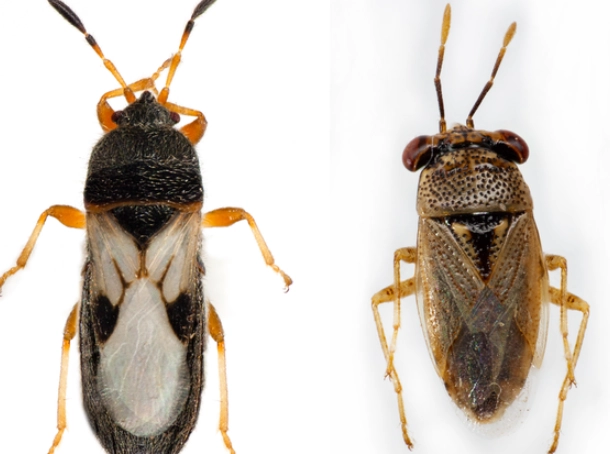
They’re masters of hide-and-seek. You won’t see them lounging on grass blades. They hide in the thatch and at the base of grass stems, right where the stem meets the soil. They love hot, sunny, dry areas of the lawn first—south-facing slopes, near driveways or sidewalks that radiate heat. They usually start at the edge of a damaged area and work their way outward.
The Simple "Tin Can" Test for Chinch Bugs
Don't guess. Test. This old-school method works shockingly well. You need a metal can (like a large coffee can) with both ends removed.
- Find a spot where the damaged brown grass meets the still-green, healthy grass.
- Force the can about 2-3 inches into the soil in that border area.
- Fill the can with water and keep it topped up for about 5-10 minutes.
If chinch bugs are present, they’ll float to the surface. It’s a bit gross, but it’s definitive. You can also part the grass and look closely at the soil/thatch layer. A magnifying glass helps.
The Lifecycle of a Lawn Wrecking Crew
Understanding their life cycle is key to timing your control efforts. These bugs overwinter as adults tucked away in protected spots—under pine straw, in leaf litter, or at the edge of woods. When spring temperatures consistently hit 70°F, they wake up hungry and start feeding and mating.
Females lay eggs in the thatch or on grass roots. In a week or two, those bright red nymphs hatch. This is a critical window. The nymphs are more vulnerable than the adults. They go through several molts over 4-6 weeks before becoming winged adults. In warm climates, you can get 3-4 overlapping generations in a single year. That’s why an infestation can explode from a small patch to a lawn disaster seemingly overnight in mid-summer.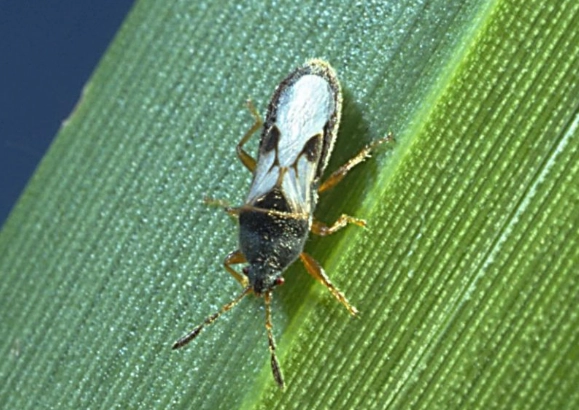
For a detailed, scientific look at their biology, the University of Florida Entomology Department has an excellent, in-depth resource. It’s a bit technical, but it’s the gold standard for information.
Signs of Chinch Bug Damage: Is This Your Lawn?
The damage pattern is distinctive if you know what to look for. It doesn’t start as a perfect circle like some fungal diseases.
- Stage 1: Grass looks slightly off-color, dull, or gray-green, like it needs water. This is the initial feeding and toxin injection.
- Stage 2: Yellowing patches appear, often irregular in shape. These patches rapidly turn straw-brown and die.
- Stage 3: The dead, brown patch expands outward, with a yellowing “halo” of dying grass at the edges. This is the active infestation front.
- The “Tug” Test: Grab a handful of grass in the yellowing area. If it’s chinch bug damage, the grass blades will often pull up easily because the roots and crowns are dead or dying. The base of the stems may feel gritty and look discolored (brown or black).
They have favorite targets. St. Augustine grass is like prime rib to them. But they’ll also happily munch on Zoysia, Bermuda, Centipede, and even Kentucky Bluegrass up north. If you have a mixed lawn, they’ll often go straight for their preferred buffet.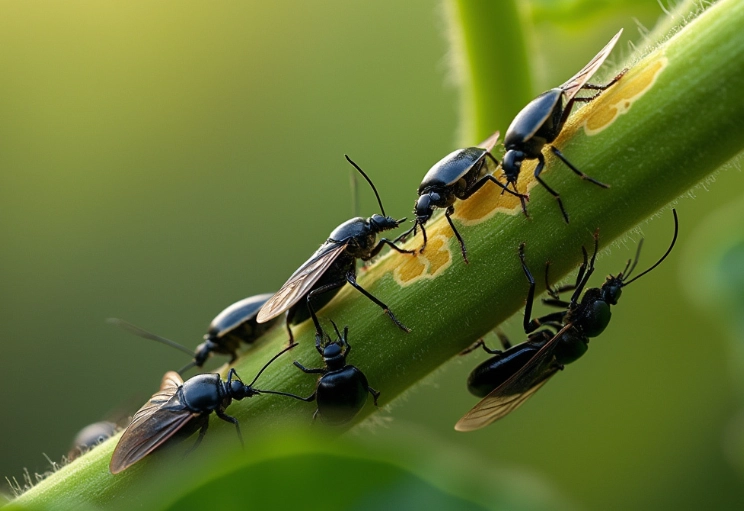
Sound familiar? If so, you’ve got work to do.
Your Chinch Bug Control Arsenal: A Layered Strategy
Throwing one solution at a complex problem rarely works long-term. The smart approach is Integrated Pest Management (IPM). Think of it as building a fortress with multiple walls, not just one flimsy fence.
First Wall: Cultural Controls (Prevention & Resilience)
This is about making your lawn a less desirable place for chinch bugs to live. It’s the most important long-term strategy.
- Water Deeply and Infrequently: Chinch bugs thrive in hot, dry thatch. A deeply watered lawn has healthier roots and a cooler microclimate. Watering 1-1.5 inches once or twice a week is better than daily sprinkles. Use a rain gauge.
- Mow High: This is my biggest mowing mistake, corrected. Never scalp your grass. Keep St. Augustine and similar grasses at 3-4 inches tall. Taller grass shades the soil and thatch, keeping it cooler and less inviting for chinch bugs. It also promotes deeper roots.
- Manage Thatch: A thin layer of thatch (½ inch or less) is okay. A thick layer is a five-star hotel for chinch bugs. Core aeration once a year helps break it down and improves water penetration.
- Fertilize Responsibly: Avoid excessive nitrogen, especially in early spring. Lush, fast-growing grass from too much fertilizer is actually more susceptible to sucking insects. Use a slow-release fertilizer and follow soil test recommendations. Your local state cooperative extension service can guide you on proper fertilization for your grass type.
- Choose Resistant Varieties: If you’re re-sodding or renovating, consider chinch bug-resistant St. Augustine varieties like ‘Floratam’ or ‘Captiva’. They’re not immune, but they’re much less palatable.
Second Wall: Biological Controls (Nature’s Hitmen)
You have allies. Encouraging beneficial insects is a free, passive defense system.
- Big-eyed Bugs: As mentioned, these are the good guys. Plant a diverse landscape with flowering plants to attract and keep them around.
- Lady Beetles & Lacewings: Their larvae are voracious predators of small insects and eggs.
- Parasitic Wasps: Tiny wasps that lay eggs inside chinch bug eggs. You’ll never see them, but they’re working.
- Beauveria bassiana: This is a naturally occurring fungus that acts as a bio-insecticide. It infects and kills chinch bugs. Products containing it (like BotaniGard) can be effective, especially against nymphs, but they work best in humid conditions and as part of a prevention plan, not a crisis knockdown. The EPA provides information on its registration and use.
The catch? If you routinely spray broad-spectrum insecticides, you’ll wipe out these beneficials along with the pests, making your chinch bug problem worse in the long run.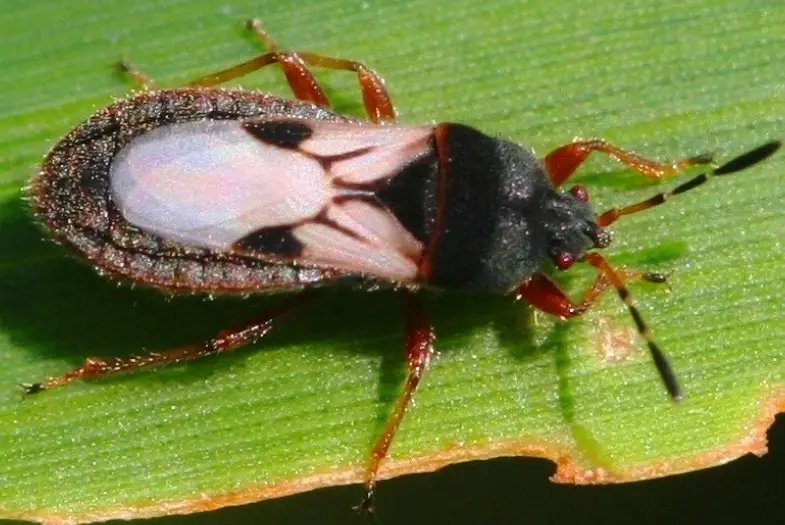
Third Wall: Chemical Controls (The Last Resort)
When an infestation is severe and active, chemicals might be necessary to save the lawn. The key is choosing the right product and using it correctly. I’m not a fan of reaching for chemicals first, but sometimes you need the heavy artillery.
Here’s a breakdown of the main options. This isn't an exhaustive list, but covers the most common and effective active ingredients.
| Type | Active Ingredient Examples | How It Works | Best For / Notes |
|---|---|---|---|
| Contact Insecticides | Bifenthrin, Cyfluthrin, Lambda-cyhalothrin | Kills on direct contact. Provides a protective barrier on grass blades. | Quick knockdown of visible adults and nymphs. Often used as a first strike. Can harm beneficial insects. |
| Systemic Insecticides | Imidacloprid, Thiamethoxam, Chlorantraniliprole | Absorbed by the plant roots and moves through the tissue. Bugs ingest it when they feed. | Longer-lasting control (weeks to months). Excellent for preventative applications in late spring. Less harmful to above-ground beneficials. |
| Combination Products | Products mixing a systemic (e.g., Imidacloprid) with a contact (e.g., Bifenthrin) | Provides both immediate knockdown and long-term protection. | When you have an active infestation and want to stop it now while protecting for the future. The “one-two punch.” |
Critical Application Tips:
- Timing: The absolute best time to spray is when you see the small, young nymphs (the red/orange ones). They’re easiest to kill. Late spring/early summer is often ideal.
- Watering In: For granular systemics, you MUST water the product into the soil thoroughly after application so the roots can absorb it. For liquid contact sprays, the grass should be dry when you apply, and you should not water for 24-48 hours after.
- Follow the Label. This isn't a suggestion. The label is the law. It tells you the exact rate, safety precautions, and whether it’s safe for your grass type. More is not better.
After the Battle: Lawn Repair and Renovation
Okay, you’ve controlled the chinch bugs. Now you have a brown patch of dead grass. What next?
- Confirm They’re Gone: Do the tin can test again in the damaged area before you spend time and money on repair.
- Remove Dead Debris: Gently rake out the dead, matted grass to expose the soil. This helps new seed or sod make contact.
- Loosen the Soil: Scratch up the top ¼ inch of soil with a rake.
- Choose Your Method:
- Overseeding: For grass types that spread by seed (like Kentucky Bluegrass), sow seed at the recommended rate, lightly rake it in, and keep the area consistently moist until germination.
- Sodding or Plugging: For runners like St. Augustine or Zoysia, this is often the fastest way. Cut small pieces of healthy sod from another part of your yard (or buy a few pieces) and plant them in the bare spot. They will spread and fill in.
- Water and Wait: Keep the repair area damp, not soggy, for the first couple of weeks.
- Hold Off on Fertilizer: Don’t fertilize new grass until it’s well-established (usually after 4-6 mowings).
Chinch Bugs: Your Questions, Answered
The bottom line? Don't panic.
Chinch bugs are a serious pest, but they’re a manageable one. Start with the tin can test—know your enemy. Then build your defense from the ground up: healthy cultural practices first, encourage the good bugs, and use targeted chemicals only when and where you must. It’s a process, not a one-time fix. Your lawn is an ecosystem. Managing chinch bugs is about tilting the balance of that ecosystem back in favor of your grass, not about achieving total, sterile annihilation. Good luck out there.
LEAVE A REPLY
Your email address will not be published. Required fields are marked *