In This Guide
- Meet the Neighborhood: Common American Wasp Species
- Wasp vs. Bee: Why You Need to Know the Difference
- The Lifecycle of a Social Wasp Colony: It's All About the Season
- When Coexistence Fails: Safe and Effective Wasp Control
- Stings, Allergies, and First Aid
- The Other Side: The Ecological Role of Wasps
- Answering Your Top Wasp Questions (FAQs)
- Wrapping It Up: A Practical Mindset
Let's be honest, the sight of a wasp zipping past your ear on a summer day is enough to ruin a perfectly good barbecue. Your heart skips a beat, you freeze, and suddenly that burger doesn't taste so good. I get it. I've been there, waving my arms like a fool while trying to look calm. But here's the thing I've learned after years of dealing with these striped insects around my own home: most of what we think we know about American wasps is either wrong, or just a tiny piece of a much bigger picture.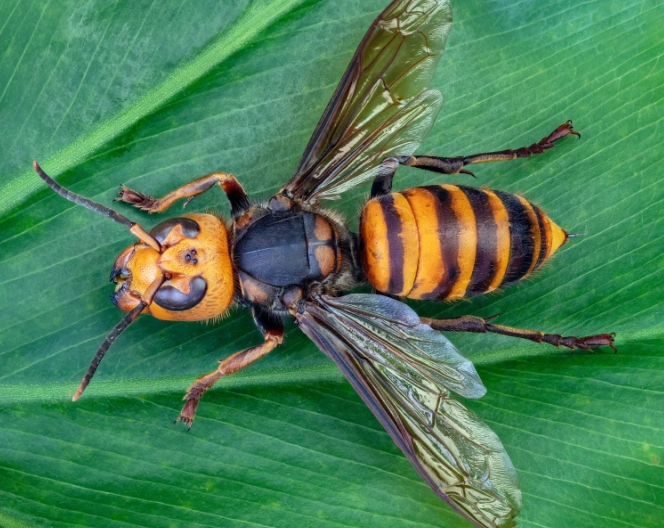
This isn't just about fear. It's about understanding. Calling every flying, stinging insect a "bee" is like calling every four-legged animal a "dog." There's a whole world of different species out there, each with its own quirks, behaviors, and roles in the ecosystem. Some are downright beneficial, while others... well, let's just say they earn their bad reputation. My goal here isn't to make you love wasps (I don't even love most of them), but to give you the real, practical knowledge you need to coexist safely, or remove them effectively when you have to.
Quick Reality Check: Not every wasp is out to get you. In fact, the vast majority of American wasps are solitary and couldn't care less about your soda can. The troublemakers are the social ones. Knowing the difference is your first line of defense.
Meet the Neighborhood: Common American Wasp Species
If you're going to deal with something, you should know what you're dealing with, right? Throwing the term "wasp" around is too vague. In the US, a few key players cause most of the headaches (and stings). Their looks, nests, and attitudes are all different.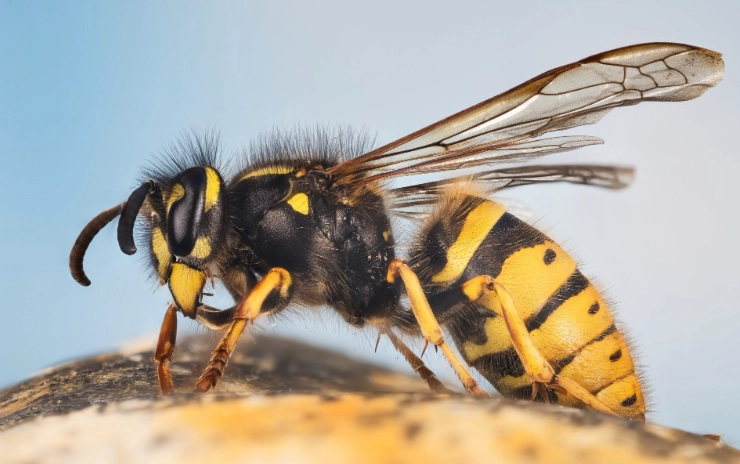
I remember the first time I found a papery nest under my eaves. I panicked, thinking it was full of murder-hornets or something straight out of a horror movie. After a lot of cautious research (from a safe distance), I realized it was just a paper wasp nest. Still not great to have near the door, but understanding it changed my approach completely.
The Paper Wasp: The Umbrella Architect
You've seen their work. Those open-celled, honeycomb-like nests that look like a tiny gray umbrella, often hanging from a single stalk under porch ceilings, in sheds, or in dense shrubs. Paper wasps (Polistes species) are the architects. They're long-legged, with slender, reddish-brown to black bodies, often with yellow markings. They're not the most aggressive bunch in the American wasp family.
Here's the nuance with paper wasps: they're predators. They hunt caterpillars, flies, and other soft-bodied insects to feed their young. I've watched them meticulously carve up a caterpillar and fly off with it. In that sense, they're doing your garden a favor. The problem starts when they decide your porch corner is prime real estate. They will defend their nest if you get too close, and their sting is painful. But they usually won't chase you across the yard like some others might.
The Yellowjacket: The Picnic Crasher
Ah, the yellowjacket. If wasps had a public relations department, these guys would be their biggest crisis. They're the ones ruining outdoor meals. With their bright, bold yellow and black bands and a thicker, shorter body, they're built for trouble. Unlike paper wasps, many yellowjacket species (like the common Vespula vulgaris) build their nests underground in old rodent burrows, or in cavities in walls and attics.
This is where it gets dangerous. You might mow over a hidden ground nest and not know it's there until you're swarmed. Their aggression is legendary, and they can sting repeatedly. They're also scavengers, attracted to meats, sugary drinks, and garbage. This brings them into intense conflict with people. Frankly, they're the species I have the least patience for around my home, especially with kids and pets.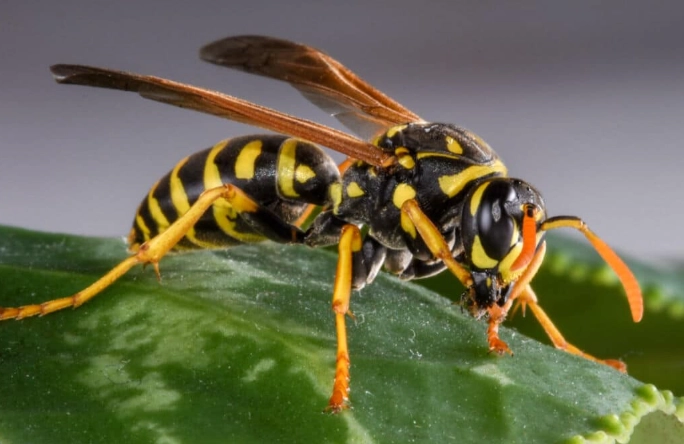
The Bald-Faced Hornet: The Aerial Castle Builder
Don't let the name fool you—this is actually a type of yellowjacket, not a true hornet. But it deserves its own mention because of its impressive, and intimidating, nests. Bald-faced hornets (Dolichovespula maculata) are black with white/ivory markings on their face and body. They construct those large, football-shaped, enclosed paper nests, often high in trees, but sometimes on shrubs or the sides of buildings.
The nest is a marvel of natural engineering, with multiple layers of paper envelopes protecting the inner combs. They are fiercely protective of this fortress. Disturbing one is a very bad idea. I give any bald-faced hornet nest a very wide berth. They're beneficial predators, but their defensive radius is one you simply don't want to violate.
Mud Daubers: The Solitary Sculptors
These are the odd ones out, and a perfect example of why lumping all wasps together is a mistake. Mud daubers are solitary, non-aggressive American wasps. They're long, slender, and often have a thread-like waist. You'll see their work on sheltered walls: clusters of mud tubes, each cell provisioned with paralyzed spiders for their larvae to eat.
They rarely, if ever, sting humans. They're too busy hunting spiders. I used to knock down their mud nests until I learned this. Now I mostly leave them be—they're controlling the spider population, and they ignore me. Their presence is often a sign you're dealing with a harmless species.
Wasp vs. Bee: Why You Need to Know the Difference
This is crucial, both for your safety and for the environment. Mistaking a beneficial honey bee hive for a yellowjacket nest could lead you to kill vital pollinators unnecessarily. Here's the quick and dirty breakdown I use:
| Feature | Wasps (e.g., Yellowjackets, Paper Wasps) | Honey Bees |
|---|---|---|
| Body Shape | Sleek, slender, with a narrow "waist." Smooth appearance. | Plumper, hairy/fuzzy body. No pronounced waist. |
| Legs | Long, dangly legs that hang down in flight. | Shorter, less noticeable legs in flight. |
| Diet | Adults feed on sugars (nectar, your soda). They hunt other insects to feed larvae. | Feed on pollen and nectar at all life stages. |
| Nest Material | Paper (chewed wood fibers mixed with saliva). | Beeswax (secreted from their bodies). |
| Sting | Smooth stinger. Can sting repeatedly. More aggressive in defense. | Barbed stinger. Dies after stinging a mammal. Defends hive but less likely to attack unprovoked away from it. |
| Winter Behavior | Only new queens survive winter. Colony dies. | Entire colony survives winter in the hive, clustering for warmth. |
If you see a ball of insects in a tree or a waxy comb in a wall cavity, you're likely looking at bees—call a beekeeper for relocation, not an exterminator. If you see paper nests or insects pouring from a hole in the ground, you're dealing with American wasps.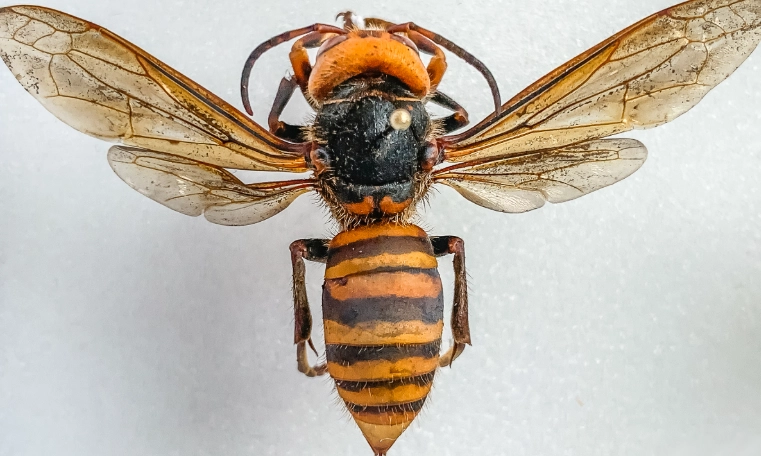
The Lifecycle of a Social Wasp Colony: It's All About the Season
Understanding their annual cycle is the single best way to plan prevention and control. Their threat level isn't constant throughout the year.
Spring (Queens Awaken): A single, mated queen who hibernated through winter emerges. She's sluggish and alone. She picks a site and starts building a small nest, laying a few eggs, and hunting to feed the first larvae. Nests are tiny now. This is the absolute best time for prevention—knocking down a golf-ball-sized nest in May is trivial compared to dealing with a basketball-sized one in August.
Summer (Population Boom): The first eggs become sterile female workers. They take over building and hunting, and the queen focuses only on laying eggs. The colony explodes in size. By late summer, the nest is at its peak, sometimes housing thousands of individuals. Food demands are high, so worker wasps become more aggressive foragers. This is when conflicts with people peak. The insects are also more easily agitated.
Late Summer/Fall (The End Game): The colony produces new queens and males (drones). They mate, and the new queens fatten up before seeking hibernation spots. The old queen, workers, and males all die with the first hard frost. The nest is abandoned and will never be reused. Empty nests from last year are not a threat, though they might attract spiders.
Critical Timing: The worst time to physically remove a large, active nest is mid-to-late summer. The colony is huge and hyper-defensive. If the nest isn't causing an immediate problem in a high-traffic area, sometimes the best strategy is to wait a few weeks for nature to take its course. I learned this the hard way after a too-ambitious August removal attempt sent me running.
When Coexistence Fails: Safe and Effective Wasp Control
Sometimes, you just can't have a nest where it is. Maybe it's right by your front door, in your kid's playset, or in a wall void where they're getting inside. Here's a tiered approach, from least to most interventionist.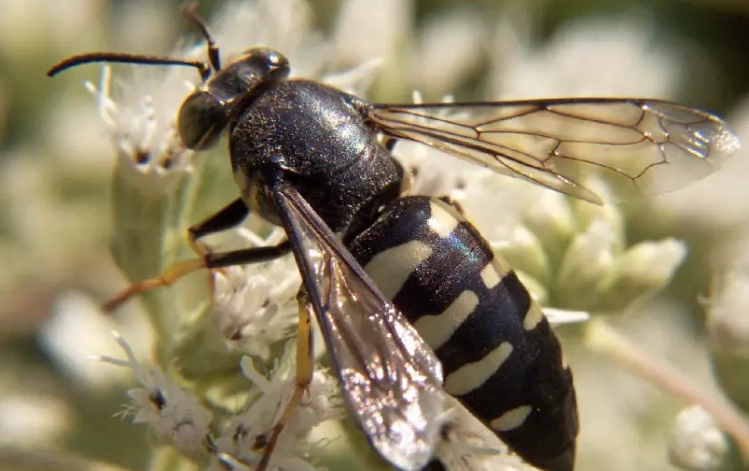
Prevention: The Best Medicine
Stop the problem before it starts. In early spring, take a walk around your property. Look for queens starting small nests in sheltered spots: under eaves, in grill covers, in unused yard equipment.
- Seal it up: In late winter/early spring, seal cracks in siding, around vents, and in soffits where queens might enter to build. Use caulk or screen mesh.
- Manage attractants: Keep garbage cans tightly sealed. Use lids on sweet drinks outdoors. Clean up fallen fruit promptly. Don't leave pet food outside.
- Use decoys: There's anecdotal evidence, and some studies suggest, that fake wasp nests (paper bags shaped like nests) can deter queens from building nearby, as they are territorial. I've hung a couple under my pergola with mixed results—it seems to work some years, not others. It's a cheap, harmless trick, so why not?
DIY Removal: For Small, Accessible Nests
Only attempt this if you are not allergic, the nest is small (golf ball to baseball sized), and you have a clear escape route. Always do this at night or very early dawn when all wasps are on the nest and sluggish. Wear long sleeves, pants, gloves, and a hat. Have a flashlight covered with red cellophane (wasps don't see red light well).
- Spray Method: Use a commercial wasp spray with a long-range jet stream (15-20 feet). Saturate the nest entrance thoroughly from a distance. Do not stand underneath it. Wait 24 hours before knocking the nest down.
- Bagging Method (for suspended nests): This is risky. Quickly slip a large, heavy-duty plastic bag over the entire nest, detach it from the anchor point, and seal the bag tightly. Freeze it for 48 hours to ensure everything is dead.
When to Call a Professional
This isn't admitting defeat; it's being smart. Call a licensed pest control professional for:
- Large nests (larger than a softball).
- Nests inside walls, attics, or other structural voids. (Trying to spray into a wall can just drive angry wasps deeper into your home).
- Ground nests (yellowjackets). The entrance can be hard to find, and the underground colony can be massive.
- Nests in extremely high-traffic areas (by a doorway, in a playground).
- If anyone in your household has a known insect sting allergy.
Professionals have protective gear, specialized insecticides, and the experience to handle it safely. They can also often remove the nest material to prevent secondary pest issues (like carpet beetles being attracted to the dead larvae).
Stings, Allergies, and First Aid
Let's talk about the sting. Even with all the best prevention, accidents happen. I've been stung a few times, and it's no picnic.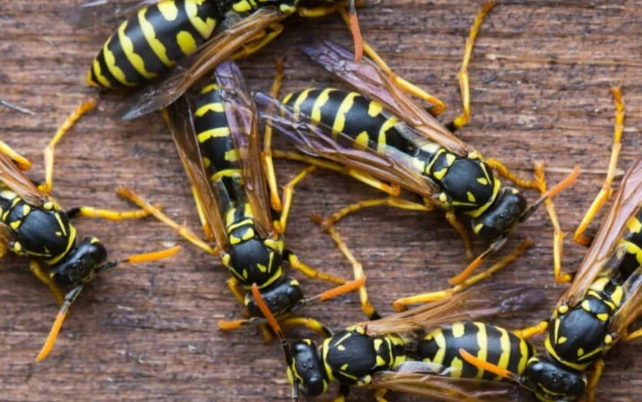
Normal Local Reaction: For most people, a wasp sting causes immediate sharp pain, followed by redness, swelling, itching, and a raised welt around the site. This can last for a few hours to a couple of days. It's unpleasant but not dangerous.
First Aid for a Normal Sting:
- Wash the area with soap and water.
- Apply a cold pack to reduce swelling and pain.
- You can take an over-the-counter antihistamine (like Benadryl) for itching and an analgesic (like ibuprofen or acetaminophen) for pain.
- To reduce itching, try calamine lotion or a paste of baking soda and water.
Large Local Reaction: Some people experience more extensive swelling that spreads beyond the sting site. For example, a sting on the wrist might cause the entire forearm to swell. This is uncomfortable and alarming, but it's usually not an allergic reaction affecting the whole body. However, you should monitor it and consult a doctor if swelling is severe or near an airway.
Severe Allergic Reaction (Anaphylaxis): THIS IS A MEDICAL EMERGENCY. Signs can develop within minutes and include:
- Difficulty breathing, wheezing, or tightness in the throat.
- Swelling of the lips, tongue, or face.
- Dizziness, rapid pulse, or a sharp drop in blood pressure.
- Hives over large areas of the body.
- Nausea, vomiting, or a sense of impending doom.
If any of these symptoms occur, call 911 immediately. People with known severe allergies should carry an epinephrine auto-injector (EpiPen) and know how to use it.
Pro Tip: Unlike a bee, a wasp's stinger is smooth and doesn't get left behind. So don't try to scrape anything out—you'll just aggravate the area more. The old advice about using a credit card to scrape a bee stinger is for bees only.
The Other Side: The Ecological Role of Wasps
I know, after talking about stings and removal, it feels weird to defend them. But it's important to acknowledge. American wasps are, ecologically speaking, important predators. They are nature's pest control. A single colony can remove thousands of caterpillars, flies, aphids, and other insects from your yard and garden over a season.
Paper wasps are particularly good at hunting caterpillars that damage crops and ornamental plants. Some studies, like those referenced by entomologists at universities like the University of Minnesota's Department of Entomology, highlight their role in regulating arthropod populations. They are also pollinators, albeit not as efficient as bees, as they visit flowers for nectar.
The key is balance. Having a few paper wasps hunting in your vegetable patch is a good thing. Having a yellowjacket nest under your deck is not. Context is everything.
Answering Your Top Wasp Questions (FAQs)
Let's tackle some of the specific things people are always searching for.
What attracts wasps to my house?
Three main things: Food, water, and shelter. Open garbage, fallen fruit, pet food, and even hummingbird feeders are food sources. Leaky faucets or birdbaths provide water. And sheltered, dry spots like eaves, attics, sheds, and dense bushes offer perfect nesting sites. Eliminate these attractants to make your property less inviting.
How can I tell if wasps are in my walls?
Listen and look. You might hear a persistent, low-pitched buzzing or rustling from inside the wall, especially on warm days. You might see a steady stream of wasps entering and exiting a very small hole or crack in your siding. You might even find stray wasps appearing inside your home, often near vents or light fixtures, as they explore the void space.
Are wasp stings more dangerous than bee stings?
In terms of venom toxicity, they're fairly similar for most people. The bigger differences are behavioral. Wasps can sting repeatedly, while a honey bee stings once and dies. Wasps also tend to be more aggressively defensive of a wider area around their nest. This can lead to more stings from a single incident, which increases the venom load and danger.
What should I absolutely NOT do around a wasp nest?
Do not swing at them or swat them near the nest. Do not disturb the nest with loud vibrations (like pounding on the wall it's attached to). Do not block the entrance to a nest (they will just chew a new one, possibly into your living space). Do not use water or a hose to try to knock down a nest—this will absolutely enrage them and accomplish nothing.
Where can I find reliable, science-based information on wasps?
Your best bets are the entomology departments of major universities and cooperative extension services. They provide research-backed, non-commercial advice. Great starting points include University of Minnesota Extension or UC Davis Department of Entomology and Nematology. For specific identification help, consider submitting photos to local extension offices or using trusted resources like BugGuide, which is curated by entomologists.
Wrapping It Up: A Practical Mindset
Dealing with American wasps isn't about declaring war on all insects. It's about smart management. Start with identification—know if it's a solitary mud dauber you can ignore, a paper wasp nest you can remove early, or a yellowjacket fortress that needs a pro. Respect their seasonal cycle and their role in the environment. Focus your efforts on prevention in the spring and early summer.
Prioritize safety, especially for those with allergies. And don't let fear make the decisions. Sometimes, the best action is cautious inaction, waiting for the colony to die naturally in the fall if it's not an immediate threat.
I still jump when one buzzes by. I still hate the aggressive scavenging of yellowjackets. But I also have a grudging respect for the complexity of these insects. By understanding them, you take back control of your outdoor space. You can enjoy your summer without letting a little striped insect hold you hostage. Now, pass the potato salad—and keep the lid on the lemonade.
LEAVE A REPLY
Your email address will not be published. Required fields are marked *