快速导览
- Meet the Spotted Orb Weaver: Your Garden's Aerial Artist
- The Heart of the Matter: Venom, Bites, and Real Human Risk
- What Does a Spotted Orb Weaver Bite Actually Feel Like?
- Spotted Orb Weaver vs. Actually Dangerous Spiders: A Clear Comparison
- So, What Should You Do If You’re Bitten? (A Step-by-Step Guide)
- Living With Orb Weavers: Safe and Humane Removal
- Answers to Your Burning Questions (FAQ)
- Final Verdict: Appreciate, Don't Eradicate
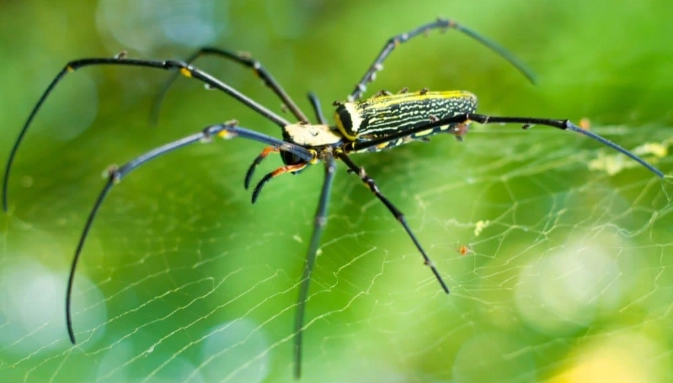
So, you've found a big, intricate web in your garden, or maybe stretched across your porch, with a rather striking spider sitting proudly in the center. It's probably an orb weaver. And if it has those distinctive white or yellow spots on a bulbous abdomen, you're looking at a spotted orb weaver. Your first thought, naturally, is: are spotted orb weavers dangerous? Should I be worried? Is that thing going to jump on me and inject deadly venom?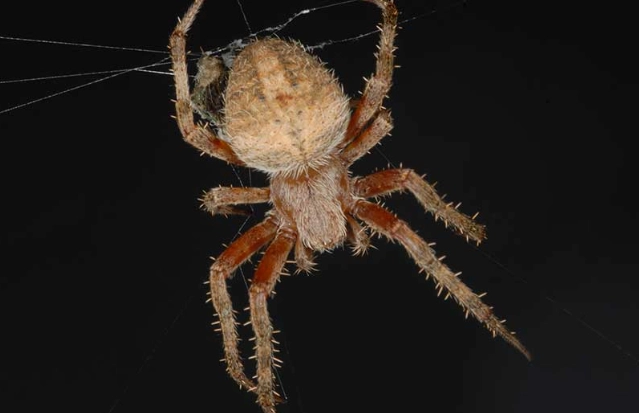
Let me put your mind at ease right from the start. In the vast majority of cases, the answer is a resounding no. They are not considered dangerous to humans. But I get it. "Not considered dangerous" can feel like a vague, scientific brush-off. You want to know why they're not dangerous, what would actually happen if one bit you (which is incredibly rare), and how to handle them around your home without panic.
That's what this guide is for. We're going to dive deep, past the scary-looking exterior, and talk about their venom, their behavior, and the real, practical risks. I've spent enough evenings watching them rebuild their webs after a storm to have a real soft spot for these guys. They're more like tiny, eight-legged pest control officers than monsters.
Meet the Spotted Orb Weaver: Your Garden's Aerial Artist
Before we tackle the danger question, let's know who we're dealing with. "Spotted orb weaver" isn't just one species; it's a common name for a group, most notably in the genus Neoscona. They're the classic Halloween spider in looks—often orange, brown, or grey with a chunky, patterned abdomen. But they're utterly harmless in reality.
Their claim to fame is the beautiful, circular, wheel-shaped web (the "orb"). They rebuild it nearly every single night. It's a phenomenal piece of natural engineering. I remember one summer a Neoscona crucifera set up shop outside my kitchen window. Every morning, the web was gone, consumed by the spider to recycle the silk proteins. Every evening, like clockwork, she'd spin a new one. It was a lesson in efficiency, not menace.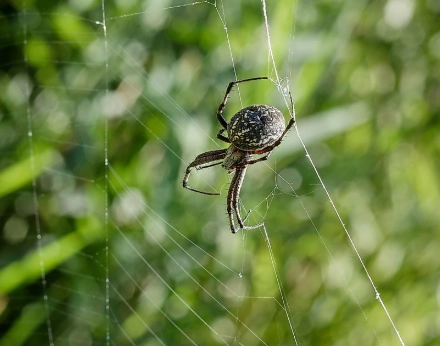
Their entire life is centered on that web. They eat flying insects—mosquitoes, flies, moths, you name it. They are passive hunters. They don't roam your house looking for trouble. They sit and wait. This behavior is the first big clue that spotted orb weavers are not dangerous in an aggressive sense. They have zero interest in you.
The Heart of the Matter: Venom, Bites, and Real Human Risk
This is the core of everyone's fear. They have fangs. They have venom. So, are orb weaver spiders poisonous? Technically, yes—all spiders (with very few exceptions) have venom to subdue their prey. The crucial question is: is their venom medically significant to humans?
The answer, backed by arachnologists and medical literature, is almost universally no. Their venom is evolved for insects. To us, it's remarkably weak.
Think of it this way. Your body is massive compared to their prey. The dose of venom they could deliver is minuscule, and its chemical makeup isn't designed for mammalian biology. It's like trying to stop a truck with a squirt gun.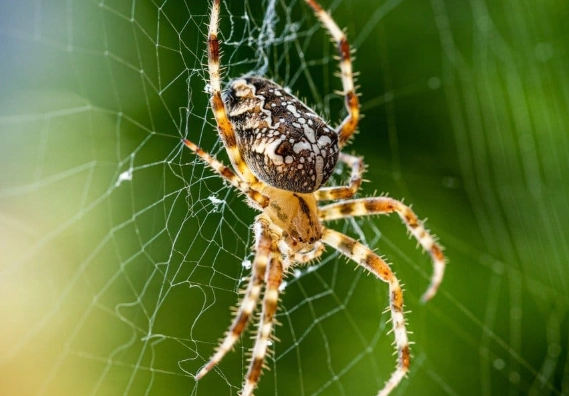
What Does a Spotted Orb Weaver Bite Actually Feel Like?
Let's be brutally practical. You'd have to work pretty hard to get bitten. These spiders are docile. Their first and second lines of defense are to freeze, drop from the web, or run away. Biting is a last resort when they feel crushed and have no escape.
So, imagine you're gardening and accidentally press one against your skin. You might feel a quick, sharp pinch. That's it. For most people, the reaction ends there. Some might develop a small, red, itchy bump, similar to a mosquito bite. The panic and the "idea" of the bite are almost always worse than the bite itself.
I've spoken to entomologists who handle them regularly. The consensus is that they are among the most inoffensive spiders you'll encounter. The real danger from a spotted orb weaver bite is the infinitesimal chance of a secondary bacterial infection if you scratch it with dirty hands—a risk you have with any minor skin break.
Spotted Orb Weaver vs. Actually Dangerous Spiders: A Clear Comparison
This is where context helps. Fear often comes from not knowing how to tell a harmless spider from a potentially harmful one. Let's clear that up.
| Spider Type | Venom Potency (to Humans) | Typical Behavior | Web Type | Key Identifying Features (in the US) |
|---|---|---|---|---|
| Spotted Orb Weaver (e.g., Neoscona) | Very Low. Medically insignificant. | Extremely docile, runs or drops when threatened. | Large, ornate, circular orb web, often at night. | Rounded, patterned abdomen. Legs with bands. Hangs in web center. |
| Black Widow (Latrodectus) | Neurotoxic. Can cause severe muscle pain, cramps, nausea. Requires medical attention. | Shy, but will defend egg sacs. Bite is a last resort. | Irregular, messy, tangled "cobweb" in dry, sheltered spots. | Glossy black, famous red hourglass on underside of abdomen (female). |
| Brown Recluse (Loxosceles reclusa) | Cytotoxic. Can cause necrotic lesions in some cases. Requires monitoring. | Reclusive, hides in undisturbed boxes, clothing, closets. | Loose, off-white, irregular web, not for catching prey. | Uniform tan to dark brown, dark violin-shaped marking behind head, six eyes (not eight). |
| Common House Spider (e.g., Parasteatoda tepidariorum) | Very Low. Similar to orb weaver. | Skittish, lives in corners of rooms. | Messy, tangled cobwebs in upper corners. | Small, brown, with a chevron-patterned abdomen. |
See the difference? The dangerous ones have distinct looks and behaviors. The black widow's messy web in a woodpile is a world apart from the orb weaver's elegant, exposed net between two plants. The brown recluse is a secretive indoor wanderer, not a stationary web-sitter. Knowing this should drastically reduce unnecessary fear when you see that beautiful orb web.
So, What Should You Do If You’re Bitten? (A Step-by-Step Guide)
Even though the risk is tiny, let's have a plan. This removes the "what if" anxiety. If you suspect any spider bite, but especially if you're unsure of the species, follow these steps.
- Stay Calm. Panicking increases heart rate, which can spread venom faster (though again, orb weaver venom isn't a concern for this). Breathe.
- Wash the Area. Use mild soap and cool water. This helps prevent a secondary bacterial infection, which is the most common complication of any minor bite.
- Apply a Cold Compress. A cloth-wrapped ice pack for 10-15 minutes at a time helps reduce swelling and any localized pain.
- Monitor Closely. Watch the bite site for 24-48 hours. Normal reactions: minor redness, slight swelling, itchiness. These should subside quickly.
- Consider Over-the-Counter Relief. An antihistamine (like Benadryl) can help with itching. A pain reliever (like ibuprofen or acetaminophen) can address any minor ache.
If you can safely catch the spider (even a squashed one) in a jar, take it with you to the doctor. Proper identification solves the mystery instantly. But honestly, for a confirmed orb weaver bite, a doctor will likely just tell you to do steps 1 through 5.
Living With Orb Weavers: Safe and Humane Removal
Maybe you appreciate them, but not right over your front door where you walk face-first into the web every morning. I've been there. It's annoying. The goal is removal, not execution. They are beneficial creatures.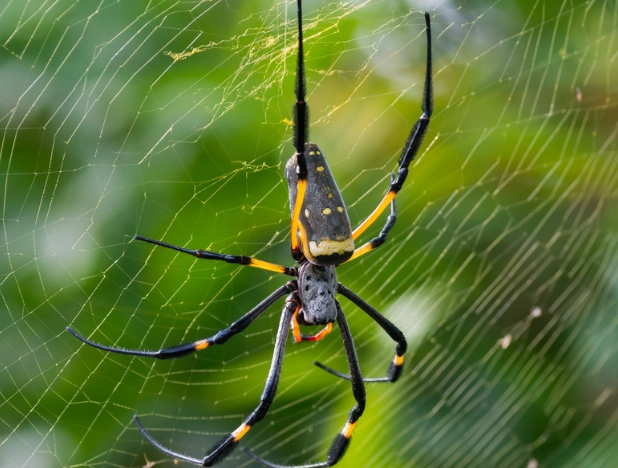
Here’s my preferred method, the "broom and relocation" technique:
- Wait until evening when the spider is active in its web.
- Gently place a large jar or clear container over the spider.
- Slide a piece of stiff paper or cardboard between the container mouth and the surface.
- Carry your captured friend outside, away from high-traffic doors or windows.
- Place the container in a bush or on a tree branch, remove the paper, and let it walk out. It will likely start building a new web within the hour.
If the web is empty, you can simply sweep it away with a broom. The spider is likely hiding nearby in a curled leaf or crevice and will simply rebuild elsewhere. No need for insecticide sprays. Those are overkill for a spider and introduce unnecessary chemicals into your environment.
Prevention? Keep exterior lights off at night if possible, or switch to yellow bug lights. Bright lights attract the flying insects that attract the spiders. Trim back vegetation from directly touching your house to reduce their anchor points.
Answers to Your Burning Questions (FAQ)
Final Verdict: Appreciate, Don't Eradicate
Let's wrap this up. After all this talk about venom and bites, what's the final word on whether spotted orb weavers are dangerous?
They pose no meaningful threat to human health. The danger is a myth. The risk is negligible. They are shy, beneficial predators that play a crucial role in controlling insect populations in our gardens and yards. A healthy garden often has a few orb weavers in it.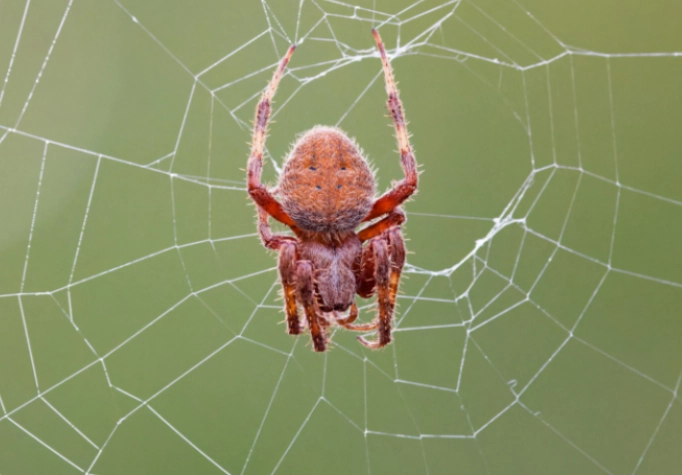
The real takeaway shouldn't be fear, but fascination. These creatures are master architects, patient hunters, and a natural part of our ecosystem. The next time you see that intricate web glistening with dew at sunrise, take a moment to look—really look—at the intricate design. See the spider not as a monster, but as a tiny, efficient neighbor doing a job. You can confidently walk past it, relocate it if it's in your way, and know that you are in absolutely no peril.
In the end, the answer to "are orb weaver spiders poisonous?" is technically yes, but so is a honeybee. And just like a honeybee, they're far more valuable alive, going about their business, than anything to be feared. So let them spin, let them catch mosquitoes, and enjoy the free, chemical-free pest control.
LEAVE A REPLY
Your email address will not be published. Required fields are marked *