In This Guide
- What Exactly Are Fire Ants, and Why Should You Care?
- Identifying Fire Ants: Don't Mistake Them for the Good Guys
- The Fire Ant Sting: Why It Hurts So Much and What to Do
- Understanding the Enemy: Fire Ant Biology and Behavior
- The Fire Ant Control Arsenal: From Prevention to All-Out War
- When to Call a Professional Exterminator
- Fire Ant FAQs: Answering Your Real-World Questions
Let's be honest. You're probably reading this because you've had enough. Maybe you stepped on a mound barefoot (a mistake you only make once). Maybe your kid got stung playing in the grass. Or maybe you're just tired of seeing those ugly, crusty dirt piles take over your beautiful lawn. I get it. I've been there too. My first encounter with fire ants ended with a foot that looked like it belonged to a cartoon character. Not fun.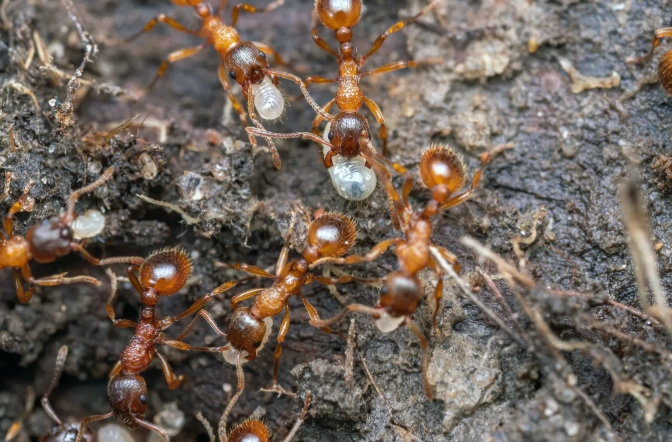
This isn't just another generic pest article. We're going deep. We'll cut through the noise, separate the effective strategies from the old wives' tales, and give you a real plan. Whether you're trying to identify what you're dealing with, treat a painful sting, or wage an all-out war on a colony, this guide is built to be your go-to resource. No fluff, just actionable information.
What Exactly Are Fire Ants, and Why Should You Care?
When people say "fire ant," they're usually talking about the Red Imported Fire Ant (Solenopsis invicta). The name says it all. "Imported" because they're not native to the United States—they hitched a ride from South America to Alabama nearly a century ago. "Invicta" is Latin for "unconquered," which is depressingly accurate. "Fire" because, well, their sting feels like fire.
These guys are a perfect example of an invasive species gone wild. With no natural predators to keep them in check, they've spread across the southeastern U.S. and into parts of California, wreaking havoc on ecosystems, agriculture, and backyard barbecues alike. They outcompete native ants, attack ground-nesting animals, and can even damage electrical equipment by building mounds around wiring. The USDA's Animal and Plant Health Inspection Service (APHIS) has entire programs dedicated to monitoring and managing their spread. That's how big a deal they are.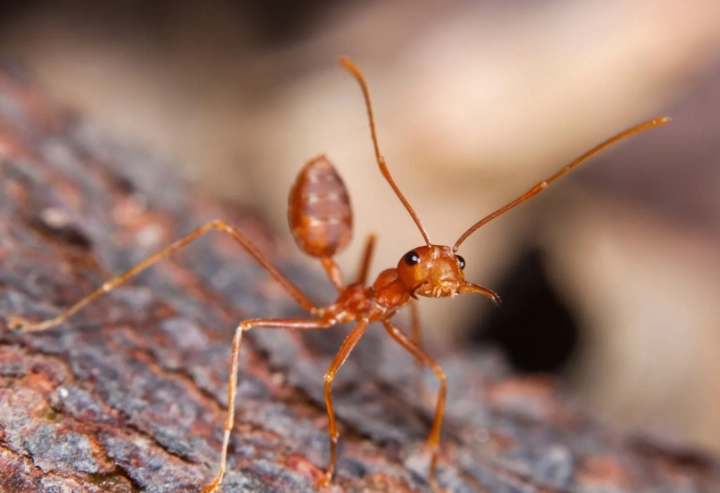
But beyond the ecological impact, it's the personal one that stings (pun intended). A fire ant colony can contain hundreds of thousands of workers, and they defend their home with a terrifying collective fury. Disturb a mound, and they don't retreat—they swarm up your leg, each one latching on and stinging multiple times. It's a coordinated attack, not a random bite.
Identifying Fire Ants: Don't Mistake Them for the Good Guys
This is where many people go wrong. You can't fight what you can't identify. So, let's break down exactly what you're looking for.
Physical Appearance: The Telltale Signs
Worker fire ants are small, usually between 1/8 to 1/4 inch long. Color can vary from reddish-brown to a darker, almost blackish-red. The head and body have a coppery-bronze sheen, and the abdomen is darker. They have a two-segmented "waist" (pedicel) between the thorax and abdomen, which is a key identifier. Under a magnifying glass, you'd see they have 10 distinct antennal segments, ending in a two-segmented club.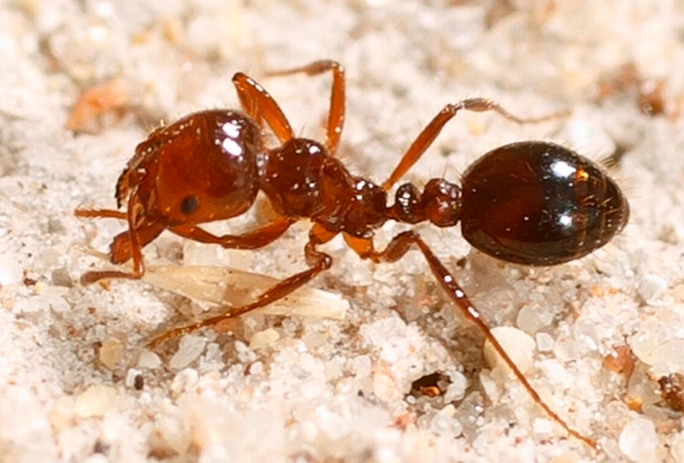
But let's be real—you're not going to count antennal segments. Here's the practical, in-the-field checklist:
- Size & Color: Small, reddish-brown ants. Not tiny and black, not large and black.
- The Mound: The most obvious sign. In loose, sandy soil, it looks like a fluffy, dome-shaped pile of dirt, often with no central opening. In heavier clay soil, it might be flatter and harder to spot. After a heavy rain, they'll rebuild quickly—a fresh mound of loose soil is a dead giveaway.
- Behavior: Poke the mound gently with a stick. If it erupts with angry, fast-moving ants that aggressively swarm up the stick, you've likely found fire ants. Other ants might scatter or be less aggressive.
Fire Ant vs. Common Look-Alikes
It's easy to get confused. Here's a quick comparison to clear things up.
| Ant Type | Key Identifying Features | Mound Appearance | Aggression Level |
|---|---|---|---|
| Red Imported Fire Ant | Coppery-red head/body, dark abdomen. Two-segmented waist. Swarms aggressively. | Dome-shaped, no obvious entrance. Loose soil. | Extremely High - Will sting repeatedly. |
| Native Harvester Ant | Larger (up to 1/2 inch). Reddish but often with a darker head. Big jaws. | Mound has a clear, smooth central opening. Often surrounded by cleared area. | Moderate - Can bite painfully but less likely to swarm. |
| Pavement Ant | Small, dark brown to blackish. Light and dark parallel grooves on head/thorax. | Nests under sidewalks, stones. Pushes small dirt piles out of cracks. | Low - Mainly a nuisance indoors. |
| Argentine Ant | Small, slender, uniform dark brown. Smells musty when crushed. | Rarely builds mounds. Nests in moist areas under mulch, logs. | Low - Forms massive colonies but doesn't sting. |
See the difference? The combination of look, mound, and fire ant behavior is unique. If you're still unsure, your local county extension office is an amazing (and free) resource. They can often help with identification.
The Fire Ant Sting: Why It Hurts So Much and What to Do
This is the part everyone fears. A fire ant sting isn't a bite. They latch on with their mandibles to anchor themselves, then arch their backs and inject venom through a stinger at the tip of their abdomen. And they can do it multiple times in a circular pattern. It's a brutal little maneuver.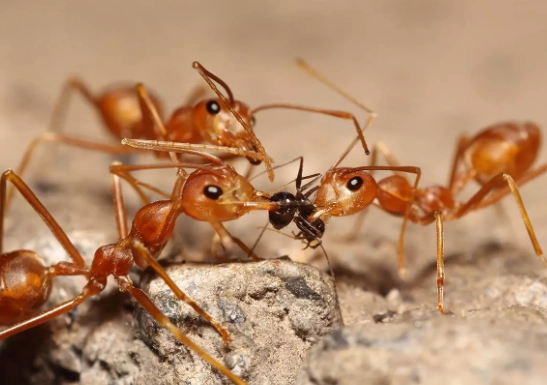
The venom is a nasty cocktail of alkaloids (which cause the burning pain and white pustule) and proteins (which can trigger allergic reactions). The initial feeling is a sharp, fiery burn—hence the name. Within a few hours, a small, fluid-filled blister or white pustule forms. Do not pop this. I know it's tempting, but popping it greatly increases the risk of a secondary bacterial infection. Let it dry up and heal on its own.
Step-by-Step: Treating a Fire Ant Sting
- Get Away: Immediately and calmly brush all ants off your skin. Don't swat or crush them on you—it might cause them to sting more.
- Clean the Area: Wash the stung area with soap and cool water. This removes any venom on the skin and reduces infection risk.
- Basic First Aid: Apply a cool compress or ice pack wrapped in a cloth for 10-15 minutes to reduce swelling and pain. Elevate the limb if possible.
- Manage Itching and Discomfort:
- Over-the-counter hydrocortisone cream (1%) can help with itching.
- Oral antihistamines like diphenhydramine (Benadryl) or cetirizine (Zyrtec) can reduce the allergic itch response.
- A paste of baking soda and water is a classic, simple remedy that can neutralize some of the venom's acidity and soothe the skin.
- Monitor for Infection: Watch for signs like increasing redness, warmth, swelling, pus, or red streaks leading from the site. See a doctor if these appear.
It's not just about the pain. It's about safety.
Understanding the Enemy: Fire Ant Biology and Behavior
To beat them, you need to think like them. Their success is all about their social structure and adaptability.
A mature colony is a superorganism. It has one or more egg-laying queens (some colonies have multiple queens, making them even harder to kill), thousands of worker ants (the ones you see), winged reproductive males and females (which fly off to start new colonies), and brood (eggs, larvae, pupae). The queen is the heart of the colony. Kill her, and the colony eventually dies. But she's buried deep, often several feet down, protected by a maze of tunnels.
What do fire ants eat? Pretty much everything. They're omnivorous scavengers and predators. They love insects, earthworms, seeds, and sweets like honeydew from aphids. But they're also attracted to proteins and fats—think pet food, garbage, and picnic leftovers. This varied diet is another reason they're so successful.
Their mounds are temperature-controlled fortresses. The tunnels allow them to move the brood up and down to regulate temperature and moisture. In hot, dry weather, they go deeper. This is why surface treatments often fail—they just move out of the way.
The Fire Ant Control Arsenal: From Prevention to All-Out War
Alright, let's get to the practical stuff. Controlling fire ants is a spectrum, from keeping them away to eliminating established colonies. There is no single "silver bullet." Effective control is usually a multi-pronged approach.
Stage 1: Prevention (Keeping Them Out)
An ounce of prevention is worth a pound of cure, especially with these pests.
- Maintain Your Yard: Keep grass mowed and remove debris like lumber piles, stones, or thick mulch where they might nest.
- Seal Entry Points: Caulk cracks in foundations and around utility lines where they might enter your home.
- Manage Food Sources: Keep pet food indoors, use tight-fitting lids on outdoor trash cans, and clean up spills and food scraps quickly.
- Use a Barrier Treatment: Applying a granular insecticide labeled for fire ants around the perimeter of your property can create a barrier that deters new colonies from moving in. Read the label carefully.
Stage 2: Active Control (Taking Out Colonies)
You've got mounds. Now what? Here are the main methods, ranked by effectiveness for most homeowners.
1. Fire Ant Baits (The Strategic Strike)
How it works: You spread granular bait around mounds, not directly on them. Worker ants find it, think it's food, and carry it back to the colony to feed the queen and brood. It's slow-acting (can take weeks) but gets to the heart of the colony.
Best for: Large areas, long-term control, when you have many mounds.
My take: This is the most effective DIY method if you're patient. Brands like Amdro or Extinguish Pro are popular. Timing matters—apply when ants are actively foraging (not too hot, not too cold, not wet).
2. Individual Mound Treatments (The Direct Assault)
How it works: Applying insecticide directly to a mound. This can be liquid drenches, dusts, or granules watered in.
Best for: Spot-treating a few visible mounds quickly.
The catch: It only kills the ants it contacts. If the queen survives deep down, the colony may rebound or just move a few feet away. You have to treat every single mound.
3. Two-Step Method (The Professional's Choice)
This is the gold standard recommended by universities like the University of Georgia Extension. Step 1: Broadcast a bait over your entire yard in spring and fall. Step 2: Wait 7-10 days, then treat any remaining, active mounds individually. This combines colony-wide control with immediate knockdown of problem mounds.
What about natural or home remedies? Let's be brutally honest. Pouring boiling water, using diatomaceous earth, or concocting mixtures of vinegar and dish soap might kill some surface workers, but they almost never reach the queen. They can provide temporary satisfaction but lead to long-term frustration as the colony recovers. I've wasted hours with these methods. Don't be like me.
Biological Control: The Long Game
This is fascinating. Researchers have introduced natural enemies from the fire ant's native South America. The most promising is a tiny parasitic fly (Pseudacteon spp.). This fly lays an egg in a worker ant. The larva eventually migrates to the ant's head, decapitates it, and uses the head as a pupal case. Gruesome, but effective at suppressing populations over a wide area. You can't buy these flies, but their establishment in the environment is a slow, natural check on fire ant numbers.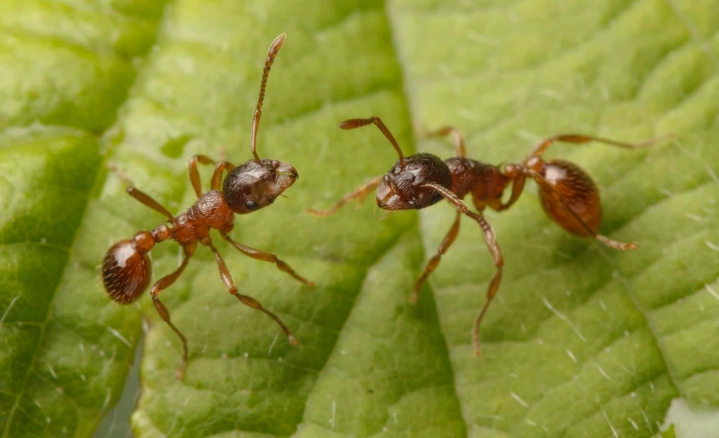
When to Call a Professional Exterminator
Sometimes, DIY isn't enough. Here are the signs it's time to call in the pros:
- You have a massive infestation covering most of your property.
- Mounds are in sensitive areas (like a playground, electrical box, or right next to your home's foundation).
- Someone in your household has a severe allergy to fire ant stings.
- You've tried the two-step method diligently for a season and still have major problems.
- You simply don't have the time or desire to deal with it yourself.
Professional pest control companies have access to more potent chemicals and equipment, and they know how to find and treat satellite colonies you might miss. It's an investment, but for peace of mind, it can be worth it.
Fire Ant FAQs: Answering Your Real-World Questions
Let's tackle some of the specific questions that keep people up at night.
It took me a few seasons of trial and error to get my own fire ant problem under control. I made all the mistakes—pouring gallons of questionable homemade solutions, treating at the wrong time of day, getting frustrated and giving up. The turning point was when I finally slowed down, identified them correctly, and committed to the two-step method with a quality bait. It wasn't instant, but by the next summer, the difference was night and day. You can get there too.
LEAVE A REPLY
Your email address will not be published. Required fields are marked *