In This Guide
Let's get this out of the way first. If you're searching for "red clear spider," you might be picturing something straight out of a fantasy novel—a spider with a body like crimson glass, maybe with visible internal organs. I had that exact image in my head when I first heard the term. The truth is, in the strictest scientific sense, there isn't a single, universally recognized species officially named the "red clear spider." It's not like the Black Widow or the Jumping Spider, names that point to one specific thing.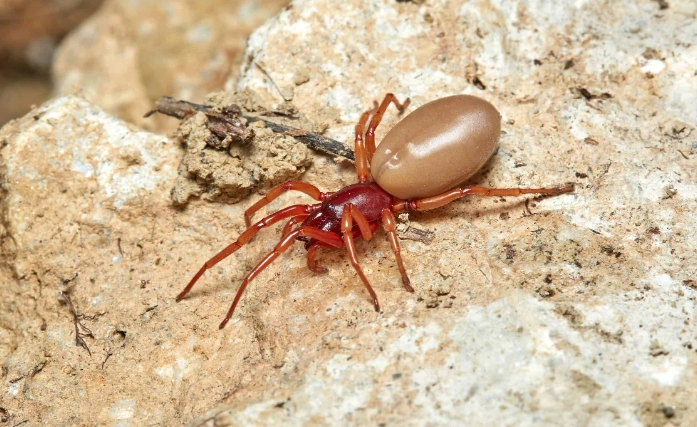
But here's where it gets interesting, and why this term keeps popping up. "Red clear spider" is more of a descriptive label used by hobbyists, pet keepers, and sometimes even in casual online forums to refer to a few different scenarios. It's a search term that opens a door into the fascinating world of arachnids that happen to be red and have translucent qualities. Sometimes people use it when they've seen a spider with a reddish hue and parts of its abdomen that look somewhat see-through, especially after a meal. Other times, it's a pet trade nickname for certain tarantula or true spider species known for their vibrant red colors and semi-transparent features on their legs or carapace.
So, if you're here because you found a strange red spider in your garden, are thinking about getting one as a pet, or are just plain curious, you're in the right place. We're going to untangle this web (pun intended) and look at what people actually mean when they talk about a red clear spider.
What Could a "Red Clear Spider" Actually Be?
This is the core of the mystery. When someone says they saw or have a red clear spider, they're usually describing one of a few possibilities. Let's break them down, because the care, nature, and even the potential risk of these spiders can be wildly different.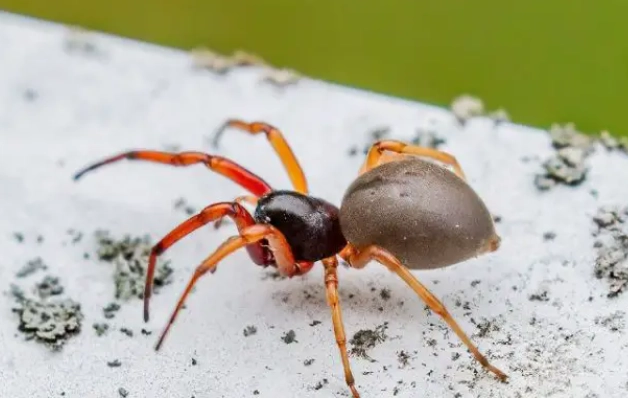
The Pet Trade Darling: Tarantulas with Red & Translucent Features
This is probably the most common context for "red clear spider" among exotic pet enthusiasts. Several tarantula species are famed for their stunning red colors, and some younger spiders or certain species have legs or body parts that can appear quite translucent, especially under good lighting.
Here are the top contenders often whispered about in the hobby:
- Mexican Redknee Tarantula (Brachypelma hamorii, formerly B. smithi): The classic. While not "clear," its famous red knee patches are on a dark, often somewhat glossy body. Juveniles can have a lighter overall appearance that might be described as semi-translucent by an eager new keeper. A true beginner-friendly icon, but the "clear" part is a stretch.
- Brazilian Red & White Tarantula (Nhandu chromatus): Now we're getting closer. This spider is a stunner—white stripes, red hairs, and a dark body. But look at its legs. In the right light, the segments of its legs, particularly the newer growth after a molt, can have a noticeable translucent, almost amber-like quality. This might be the closest match to a "red and clear" look for many.
- Antilles Pinktoe Tarantula (Caribena versicolor): Hear me out. As stunning blue-green juveniles, they don't fit. But as they mature into adults, they develop beautiful, deep red hairs on their abdomen. Their feet (tarsi) often retain a slightly translucent, pinkish appearance. It's a subtle combination, but a knowledgeable keeper might use the term for a mature female.
It's worth noting that many spiderling tarantulas (babies) are almost entirely translucent with dark markings, regardless of their adult color. A baby of a red species might briefly look like a "red clear spider" to someone.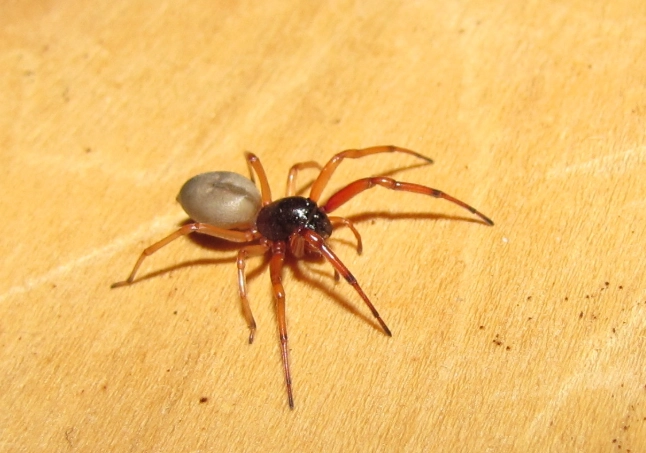
The Garden Visitor: Red and Translucent True Spiders
Outside the pet trade, you might encounter smaller true spiders (not tarantulas) that fit the description. These are wild spiders, not typically kept as pets.
Some possibilities include:
- Orb Weavers (Araneidae family): Some orb weavers have reddish or orange abdomens. After feeding, their abdomen can stretch and become so thin that you can sometimes see the dark mass of the digested prey inside—creating a temporary "clear" effect. The Araneus genus has many such species.
- Running Crab Spiders (Philodromidae): Certain species are pale red or orange and have very flat, thin bodies that can appear somewhat translucent against the light.
- The "Red Spider" Mite (Not a spider!): This is a common mix-up. Tetranychus urticae, the red spider mite, is a tiny plant pest. It's red and you can see through it, but it's an arachnid cousin, not a true spider. If your "red clear spider" is plaguing your roses, it's probably this guy.
For accurate identification of North American spiders, the American Arachnological Society provides excellent resources and can help direct you to regional guides.
Caring for a Spider That Fits the "Red Clear" Description
Let's say you've decided you want a pet spider that captures that red-and-translucent aesthetic. Maybe you've settled on a Nhandu chromatus or a similar species. What do you need to know? Spoiler: it's not just about getting a cool-looking tank decoration.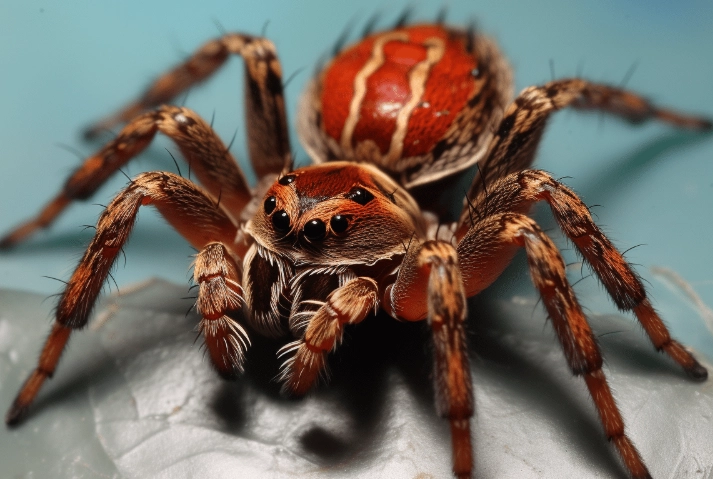
Housing: Building a Five-Star Spider Home
For a terrestrial tarantula like a potential red clear spider candidate, think horizontal space, not vertical. A 5 to 10-gallon tank (or a specialized acrylic terrarium) is perfect for an adult. The lid must be secure—these guys are surprisingly strong and can be escape artists.
Substrate is key. You want something that holds moisture for burrowing but doesn't stay soggy. Coco fiber (eco earth) is the community gold standard. Pack it down firmly; a loose, fluffy substrate can collapse a burrow. Provide a shallow, heavy water dish (a bottle cap works for slings, a small ceramic dish for adults) and a hide. A half-cork bark slab or a broken flower pot is perfect.
Diet: The Menu for Your Eight-Legged Friend
This isn't complicated, but it's important. Your red clear spider is an obligate carnivore. It eats live prey. The general rule is to offer prey no larger than the spider's abdomen.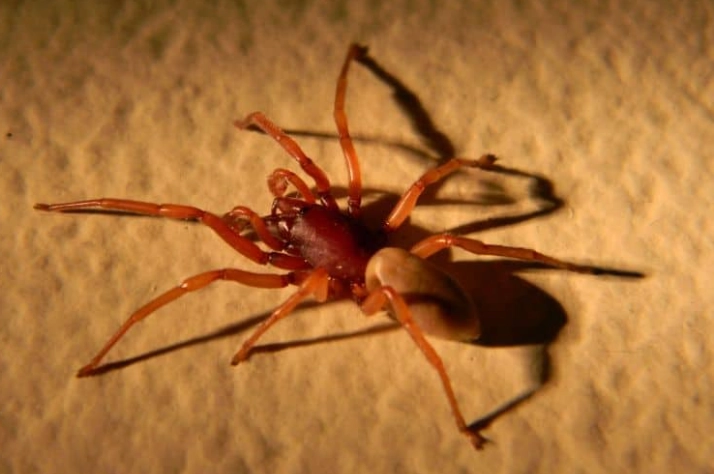
| Spider Size | Ideal Prey | Feeding Frequency | Notes |
|---|---|---|---|
| Spiderling (Slings) | Pinhead crickets, flightless fruit flies | 2-3 times per week | They grow fast and need fuel. |
| Juvenile | Small crickets, small roach nymphs | Once a week | |
| Adult | Large crickets, adult roaches, occasional superworm | Once every 1-2 weeks | Adults can fast for weeks or even months, especially pre-molt. Don't panic. |
Remove uneaten prey after 24 hours. A wandering cricket can stress or even injure a molting spider. And always, always use prey from a reputable feeder source, not caught from the wild, to avoid pesticides and parasites.
The Big Event: Molting
This is where the "clear" part often becomes most apparent. Before a molt, your spider will often darken, become lethargic, and stop eating. Its exoskeleton separates from the new one underneath. During this time, the spider can look especially dull and the new, soft skin underneath might give it a more translucent appearance.
After the molt, the spider will be soft, very pale, and yes—extremely translucent. Its new red colors will darken and intensify over the next few days or weeks. This post-molt period is a fascinating window into their biology. You can sometimes see the internal book lungs and other structures more clearly in your red clear spider right after a successful molt.
Common Myths and Misconceptions to Avoid
The world of spider keeping, especially around loosely defined terms like red clear spider, is full of well-meaning but bad advice. Let's clear some of that up.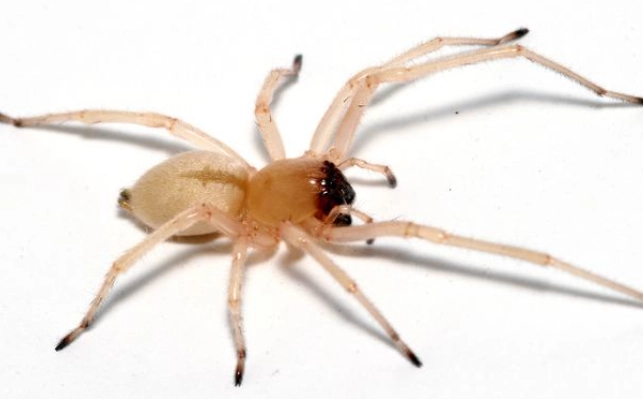
Not necessarily. While severe dehydration can make a spider look shriveled and its colors dull, many healthy spiders naturally have translucent areas. The joints of the legs, the pedipalps, and parts of the abdomen on some species are meant to be that way. It's part of their anatomy, not an automatic sign of illness. A plump abdomen and normal activity levels are better health indicators.
This is a dangerous overgeneralization. Color is a poor predictor of venom potency in spiders. The vast majority of red spiders, including the popular pet tarantulas mentioned, have venom no more medically significant than a bee sting for humans. Conversely, the dangerous Black Widow is... black. The Redback is an exception, but it has very distinct markings. Never judge a spider's danger by color alone. Research the specific species. Institutions like the Smithsonian National Museum of Natural History's Entomology department have vast resources on global spider diversity and biology.
This old-school advice causes more problems than it solves. Constant misting leads to stagnant, moldy conditions and can actually drown spiderlings. For most species that might be called a red clear spider (which are typically New World terrestrials), moderate humidity is maintained by having a water dish and slightly dampening one corner of the substrate every few weeks. The spider will go where it needs to. Focus on cross-ventilation to prevent stuffy air.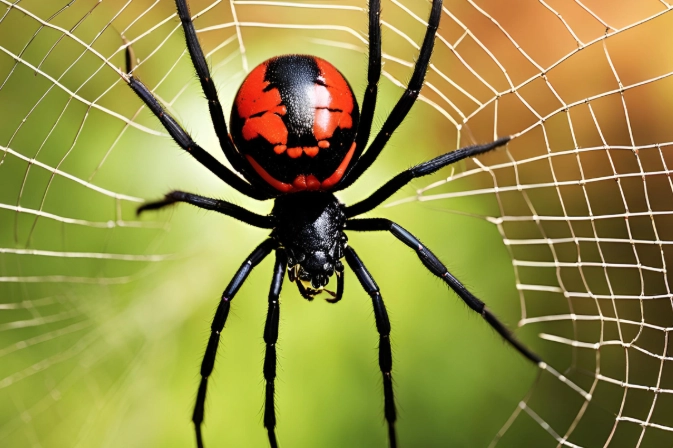
Answering Your Burning Questions (FAQ)
Here are the questions I get asked the most whenever the topic of a unique-looking red clear spider comes up.
It depends on the specific species it refers to. A Mexican Redknee (B. hamorii)? Absolutely, it's one of the best beginner tarantulas—docile, hardy, and slow-growing. A Brazilian Red & White (N. chromatus)? I'd say it's an excellent intermediate beginner choice. It's still hardy, but it can be a bit more skittish and has urticating hairs it will readily kick if stressed. Do your research on the exact species, not just the descriptive nickname.
This is a big commitment people don't always consider. Female tarantulas (which are what you're most likely to buy) are famously long-lived. A female Mexican Redknee can easily live 25-30 years. Males, in contrast, mature quickly and often live only 5-7 years total. Getting a red clear spider as a pet is potentially a multi-decade responsibility.
This is the most debated topic in the hobby. My personal take? Don't make a habit of it. Tarantulas are not dogs or cats; they do not crave or benefit from handling. It is purely for the keeper's enjoyment and is inherently risky. A fall from even a short height can be fatal due to a ruptured abdomen. They can also bolt with surprising speed. If you must handle, do it seated, close to a soft surface like a bed, and be calm and deliberate. But honestly, you'll enjoy your spider more by observing its natural behaviors in its enclosure.
First, don't panic. It's almost certainly harmless and likely more afraid of you. If you can, gently coax it into a cup with a piece of paper and release it outside away from direct sun. If you're curious about its identity, try to take a clear photo (from a safe distance) and use a community like BugGuide (hosted by Iowa State University's Entomology department) for help. Most house spiders are excellent pest control!
Final Thoughts: Embracing the Mystery
The term "red clear spider" is less of a scientific label and more of a doorway. It leads you into the incredible diversity of arachnids, where colors and adaptations have evolved in stunning ways. Whether it leads you to appreciate a wild orb weaver glistening with dew in your garden or to carefully set up a terrarium for a beautiful tarantula, the journey is what matters.
The key is to move past the vague label and seek specific knowledge. Identify the species. Learn its real needs. Understand its behaviors. That's how you go from someone who just has a cool-looking spider to a responsible keeper who truly appreciates the animal.
Just remember to respect it for the fascinating, complex creature it is—not just a collection of colors and transparent parts. That's where the real magic of keeping any spider, red, clear, or otherwise, truly begins.
LEAVE A REPLY
Your email address will not be published. Required fields are marked *