Quick Guide
You see them darting across the path, cheeks bulging, a blur of stripes and fur. Chipmunks. They're backyard celebrities, tiny acrobats that somehow manage to be both incredibly common and utterly mysterious. Everyone knows what a chipmunk looks like, but how many of us have stopped to think about the female chipmunk specifically? I know I didn't, not for the longest time. I just saw "chipmunks." But once you start paying attention, the differences in behavior, the sheer work ethic, and the hidden struggles of the female of the species become impossible to ignore. She's not just a smaller version of the males you see chasing each other; she's the engine of the population, the architect of the nest, and a master of survival in her own right.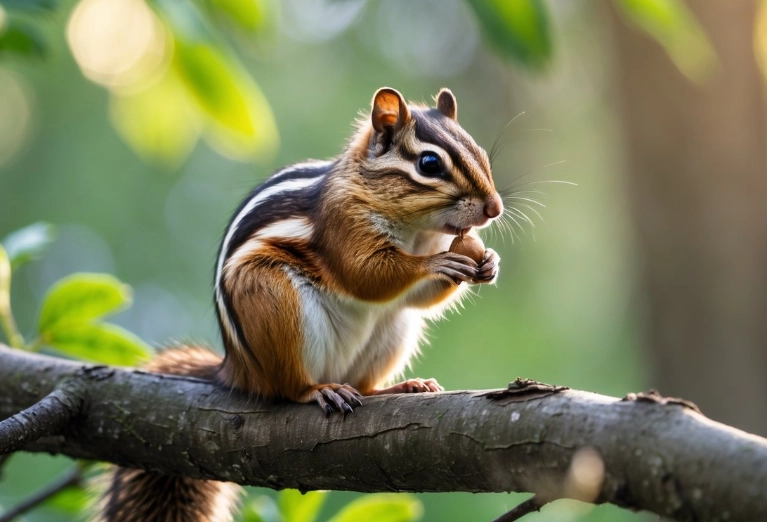
Let's be honest, most wildlife guides lump them all together. But if you're trying to understand what's really happening under your bird feeder or in that hole by the stone wall, you need to know about her. This isn't just academic. Maybe you're a gardener tired of finding little excavations in your flower beds (trust me, I've been there). Maybe you're a nature lover who wants to know who you're watching. Or perhaps you've seen a chipmunk looking particularly plump and wondered if she's expecting. Whatever your reason, the story of the female chipmunk is a fascinating one.
Spotting Her: How to Tell a Female Chipmunk Apart
This is the first hurdle, and it's a tricky one. Unlike some birds with flashy plumage, male and female chipmunks are look-alikes. They share the same iconic stripes—five dark and two light on each side, running from shoulder to rump—and the same general size (about 8 to 10 inches long, half of that being tail). This is called "sexual monomorphism," a fancy term for "they look the same to us." So, you can't just glance and know. You have to become a detective of behavior, especially during specific times of the year.
During the breeding seasons—typically early spring and again in early summer—males become manic. They range far and wide, chasing each other aggressively, their territorial calls more frequent. A chipmunk on a long-distance sprint is usually a male on a mission. The female chipmunk, in contrast, becomes more localized. Her world shrinks to the area around her burrow. If you see a chipmunk consistently entering and leaving the same hole, carrying nesting material like leaves and grass, there's a good chance it's a female preparing a nursery. Later, you might see her looking noticeably rounder. That's a pretty solid clue.
I remember one summer watching a particular chipmunk by my woodpile. She was always busy, but not frantic. While others raced around, she made deliberate trips, her mouth always full of soft-looking dried grass. She'd disappear into a crevice for minutes at a time. It wasn't until weeks later, when I saw tiny, stripe-less versions of her peeking out, that I knew for sure I'd been watching a mother the whole time. That moment of realization changed how I saw all of them.
Her World: The Burrow, The Larder, The Nursery
If the male chipmunk's domain is the territory above ground, the female chipmunk's kingdom is underground. Her burrow is a masterpiece of rodent engineering, and it serves three critical functions: shelter from predators and weather, a pantry for winter, and a safe chamber for raising young. It's not just a hole; it's a complex system that can extend over 30 feet and be more than 3 feet deep.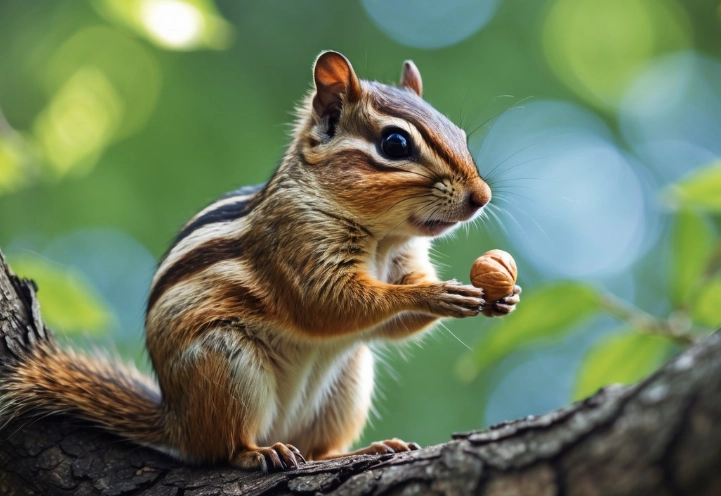
The architecture is clever. The main entrance is often hidden under a log, rock, or dense shrub—out of sight from hawks and foxes. There's usually a second, more concealed escape hatch. Inside, the tunnel leads to different chambers:
- The Nest Chamber: Lined meticulously with shredded leaves, dry grass, and sometimes even thistledown. This is where she sleeps, and where she gives birth and nurses her kits. It's the heart of the home.
- The Food Storage Chambers: Separate rooms dedicated to hoarding. This is where the famous chipmunk cheek-pouch loads get deposited. A single female chipmunk can store a staggering amount of food—thousands of seeds, nuts, and grains—to see her through hibernation and, crucially, to fuel her when she wakes up to nurse her spring litter.
- The Latrine: A dedicated spot for waste, keeping the living and eating areas clean. Pretty hygienic for a wild animal!
This burrow is her life's work. She expands it, cleans it, and defends it. While males might fight over territorial boundaries in the trees, a female's fiercest aggression is often reserved for protecting the entrance to her burrow, especially when she has young inside. I've seen a normally skittish female chipmunk stand her ground and chatter angrily at a squirrel twice her size that got too curious near her home. It was all bluster, but it worked.
The Annual Cycle of a Female Chipmunk
Her year is ruled by biology and the seasons, a relentless cycle of gathering, breeding, and caring.
| Season | Primary Activities | Key Challenges |
|---|---|---|
| Late Winter/Early Spring | Emerges from hibernation periodically. Feeds on cached food. First mating season begins. | Finding enough food after winter, avoiding early spring predators when cover is sparse. |
| Spring | Gives birth to first litter (2-8 kits). Stays in/near burrow to nurse for 6 weeks. Kits begin to explore. | High energy demands of lactation. Protecting helpless young from snakes, weasels, and other burrow raiders. |
| Early Summer | Weans first litter. Second mating season. Kits from first litter disperse. | Evicting her own grown offspring to make room. Re-mating while still recovering. |
| Mid to Late Summer | Gives birth to second litter. Intensive nursing and care again. Frantic food gathering begins. | Balancing care of second litter with critical need to hoard food for winter. Summer heat and drought. |
| Fall | Weans second litter. Hyper-focused on food gathering. Fattening up and finalizing burrow stores. | Competition for nuts and seeds is fierce. Preparing a massive larder that must last 5-6 months. |
| Winter | Enters true hibernation in deep burrow. Wakes periodically to feed on stored cache. | Relying on the quality and security of the food she stored. Surviving extreme cold. |
Looking at it laid out like that, it's exhausting just to read. She gets, at best, a few weeks of relative calm in late spring between litters. The rest of the year is a marathon of reproduction and preparation. It puts those frantic gathering runs into perspective—it's not just hunger, it's a race against the calendar.
Motherhood: The Ultimate Juggling Act
This is where the female chipmunk truly shines, and where her life is most perilous. After a short gestation of about 31 days, she gives birth to a litter of blind, hairless, and utterly dependent kits. For the next six weeks, she is their everything: warmth, protection, and food. She nurses them constantly, which requires her to consume vast amounts of food herself. She can't afford to wander far.
This is why that fall hoarding was so critical. The seeds and nuts she stored not only got her through winter but now provide the energy to produce milk. She'll make quick, cautious foraging trips close to the burrow, her senses on high alert for threats. Predation rates on nursing mothers are high; she's a predictable target tied to one location.
Once the kits' eyes open at around 4 weeks and they start to grow fur, she has a new challenge: keeping them in the nest. They get curious and clumsy. I once saw a kit, no bigger than my thumb, tumble out of a burrow entrance. The mother was out in a flash, grabbed it by the scruff, and hauled it back down in a motion so fast I almost missed it. The discipline is intense.
At about 6 weeks, she starts weaning them, bringing them solid food and teaching them what's edible. Then comes the tough-love part. To make room for a potential second litter (and to avoid inbreeding), she forcefully encourages them to leave. She becomes less tolerant, chasing them away from her food caches and the burrow itself. It seems harsh, but it's necessary for their survival and hers. These dispersed juveniles have a tough road ahead; most won't make it to their first birthday.
Coexisting with Your Backyard Female Chipmunks
Most of our interactions with chipmunks are neutral or positive. They're fun to watch. But sometimes, their industrious nature clashes with our human plans. The female chipmunk, with her need to dig secure burrows and gather massive amounts of food, can be a particular "challenge" for tidy gardeners.
The Common Gripes:
- Burrowing: Holes in flower beds, under sidewalks, or near foundations.
- Seed Raiding: They are masterful at pillaging bird feeders and newly planted seeds.
- Bulb "Planting": They sometimes dig up and eat flower bulbs, or store them elsewhere.
Humane, Effective Strategies:
First, reframe the problem. She's not being malicious; she's following millions of years of instinct to build a safe home and feed her family. Killing or trapping and relocating is rarely a good long-term solution (and is illegal in many areas without a permit). Another chipmunk will likely move into the vacant territory. Relocated animals often die from stress or conflict in an unknown area.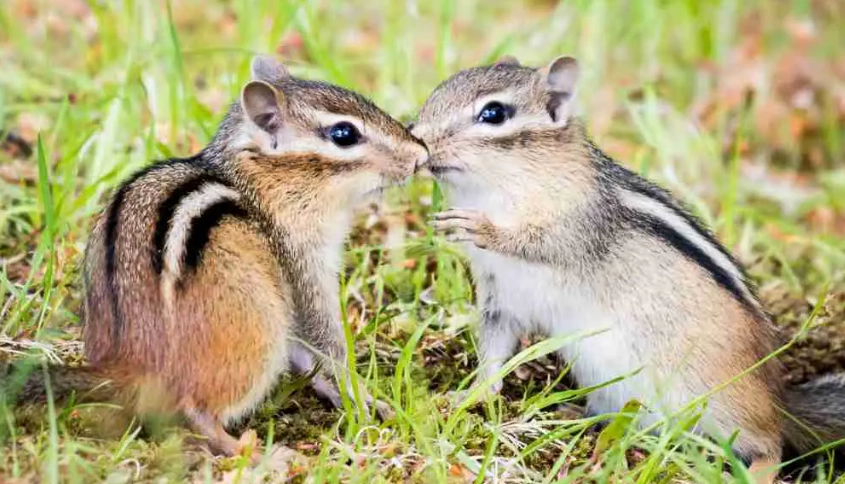
Here are better approaches:
- Protect Specific Areas: Use hardware cloth (metal mesh) with 1/4-inch openings. Bury it at least 10 inches deep and bend it outward in an "L" shape to block burrowing under garden borders or foundations. For bulbs, plant them under a layer of gravel or cover the bed with mesh until the ground freezes.
- Outsmart the Bird Feeder Raid: Use feeders on tall, smooth poles with a wide, domed baffle. Place them well away from jumping-off points like fences or trees. Switch to safflower seed in a tube feeder; most chipmunks find it bitter, but cardinals and chickadees love it.
- Offer a Distraction: This is my favorite method. If she's gathering, give her something easier to gather. Set up a small, dedicated "chipmunk feeding station" away from your garden with a handful of sunflower seeds or cracked corn. It's a peace offering that acknowledges her needs while protecting your priorities. You'll get amazing viewing opportunities to boot.
- Tolerate the Minor Stuff: A few holes in an out-of-the-way flower bed? Maybe just let it be. That female chipmunk is providing free aeration and is part of the ecosystem, dispersing seeds and fungi as she burrows. The National Geographic page on chipmunks highlights their role as seed dispersers, which is crucial for forest regeneration.
Her Role in the Bigger Picture
It's easy to see a chipmunk as just a cute forager. But the female chipmunk is a keystone species in many woodland and suburban ecosystems. Her frantic harvesting spreads the seeds of oaks, maples, and other trees, often planting them in ideal, disturbed soil near her burrow. Her abandoned burrows provide essential homes for other creatures like salamanders, toads, and insects. She is also a vital prey species, supporting hawks, foxes, snakes, and weasels.
By supporting a healthy population of female chipmunks, you're supporting a whole web of life. Organizations like the Cornell Lab of Ornithology, while focused on birds, often discuss the importance of small mammals like chipmunks in the food web that supports raptors and other predators.
Take a second look. Is she carrying nesting material? Is she looking a bit round? Is she focused on one particular corner of your yard? You might be witnessing the high-stakes drama of a female chipmunk's life. She's not just decoration for your backyard. She's a survivor, a mother, and a tireless worker. Understanding her makes the world outside your window a little richer, a little more complex, and infinitely more interesting. Even when she's digging up your petunias.
Quick-Fire Questions About Female Chipmunks
How long do female chipmunks live?
In the wild, it's tragically short—often just 1-3 years due to high predation. In ideal, protected conditions (like some nature reserves), they can live 5-8 years. The oldest known wild chipmunk was over 8, but that's a major outlier.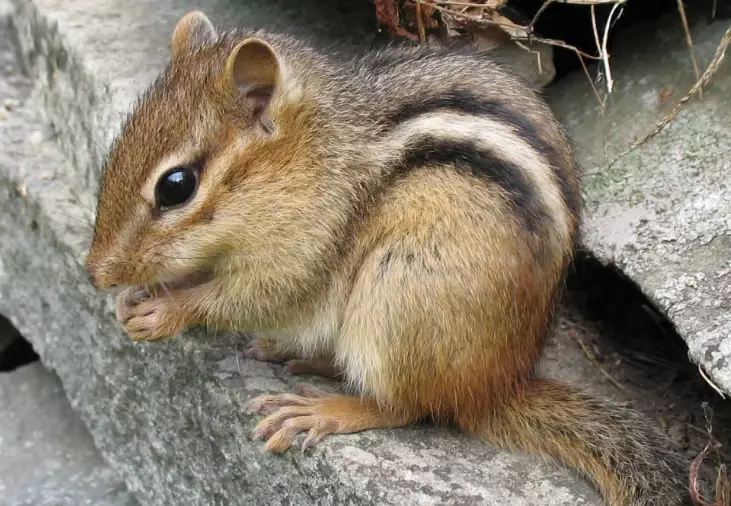
Do female chipmunks raise their young alone?
Absolutely. The male provides no parental care whatsoever. After mating, his role is complete. The mother does it all: protection, feeding, and education. She's a single mom in the truest sense.
How can I tell if a burrow is active?
Look for a clean, well-worn entrance without cobwebs or debris. Fresh dirt or seed shells nearby are a dead giveaway. An active female chipmunk keeps her front door tidy.
Are they aggressive towards humans?
Almost never. Their default setting is flight. A chipmunk standing its ground and chattering is almost always a mother protecting a nearby burrow with young inside. Give her space, and she'll calm down. They do not carry rabies in any significant numbers.
What's the biggest threat to female chipmunks?
Predation is number one—hawks, cats, foxes, snakes. For the female chipmunk specifically, the energy drain of raising two litters back-to-back while also preparing for winter is immense. A poor mast year (when oak trees produce few acorns) can lead to starvation over winter or an inability to feed her young adequately in spring. Habitat loss and car collisions are also major human-related threats.
In the end, sharing our space with wildlife requires a bit of observation and a lot of empathy. The female chipmunk, with her relentless drive and hidden struggles, deserves a little of both. Watch her, learn from her, and maybe even put out a few sunflower seeds this fall. She's got a big job to do.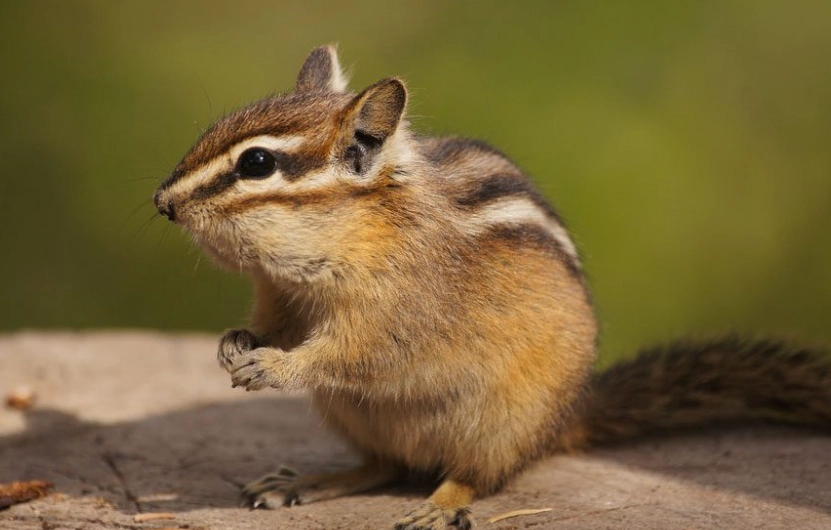
LEAVE A REPLY
Your email address will not be published. Required fields are marked *