Quick Navigation
Let's be honest, the first time you see a house centipede scuttling across your bathroom floor, it's downright alarming. Those long, wiggly legs moving in a creepy wave pattern – it's enough to make anyone jump. But before you grab the nearest shoe or can of bug spray, you probably asked yourself a very basic question: what is this thing, and more importantly, where are house centipedes found in the US anyway? Is my home uniquely cursed, or is this a nationwide nuisance?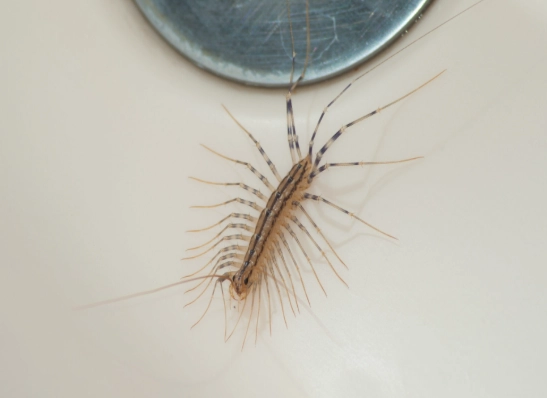
I've been there. I remember finding one in a damp basement apartment years ago and thinking it was some mutant escaped from a lab. Turns out, I was just living in prime house centipede territory. The truth is, their distribution isn't random. It follows a logic based on climate, habitat, and the availability of their favorite food. So, if you're trying to figure out if you're in a hotspot or just had a lone wanderer, you're in the right place. This isn't just a list of states; it's a deep dive into the why behind the where.
Quick Reality Check: The house centipede (Scutigera coleoptrata) isn't native to the Americas. It's believed to have hitched a ride from the Mediterranean region centuries ago. But since arriving, it's made itself thoroughly at home across a huge swath of the country. Its success is a story of adaptation and taking advantage of the environments we create.
The Big Picture: A Map of House Centipede Territory
Asking where are house centipedes found in the US is like asking where you find people. Some places have tons, others have few, and some are nearly empty. These critters are survivors, but they have clear preferences. They thrive in areas that mimic their original homeland: not too dry, not too cold, with good hiding spots and a buffet of smaller insects.
Based on data from university extension services (like the excellent entomology departments at Penn State and University of Kentucky) and pest management surveys, we can paint a general map of their strongholds.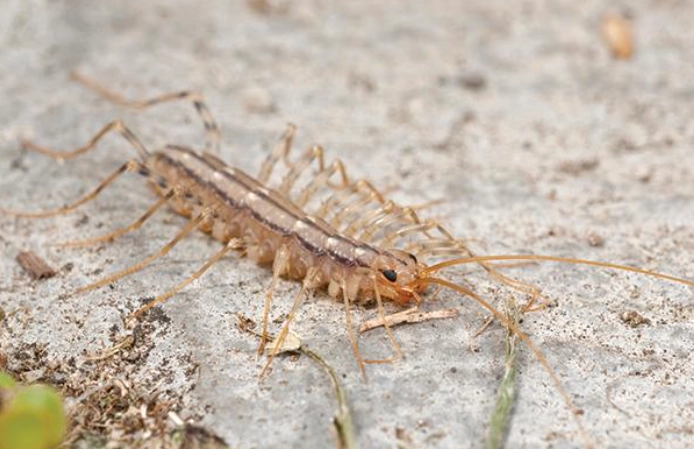
Their absolute core territory is the humid eastern half of the country. Think of a line running roughly down the middle of the Great Plains. East of that line, your chances of an encounter go up significantly. But it's more nuanced than just east vs. west.
| Region of the US | Prevalence of House Centipedes | Key Reasons & Notes |
|---|---|---|
| Northeast & Great Lakes (NY, PA, OH, MI, IL, etc.) | VERY COMMON | High humidity, old housing stock with basements and crawl spaces, dense insect prey populations. This is ground zero. |
| Southeast (VA, NC, GA, FL, AL, etc.) | VERY COMMON | Warmth and high year-round humidity create ideal conditions. Common in garages, sheds, and bathrooms. |
| Midwest (MO, IA, IN, parts of KS/NE) | COMMON | Moderately humid, especially near rivers. Common in suburban and rural homes with basements. |
| Pacific Northwest (Western WA, OR) | COMMON | The cool, damp climate is a major attractant. They are frequent inhabitants of crawl spaces and damp basements here. |
| Southwest & Arid West (AZ, NV, UT, Eastern CA) | UNCOMMON to RARE | Natural climate is too dry. They are typically only found in highly irrigated areas or inside consistently humid buildings (greenhouses, some bathrooms). |
| Central Plains & Rockies (WY, MT, Dakotas, Eastern CO) | SPOTTY / LOCALIZED | Harsh, dry winters limit populations. May be found in urban centers or specific moist micro-habitats. |
See that pattern? Moisture is the master key. It's the single biggest factor determining where house centipedes are found in the United States. A dry state like Arizona might have pockets of them in Tucson or Phoenix apartments with persistent plumbing leaks, but you won't find them roaming the desert. Conversely, a rainy city like Seattle or Pittsburgh is basically a paradise for them.
Zooming In: State-by-State and Habitat Specifics
A regional map is helpful, but you might be wondering about your specific state. Let's get more granular. Remember, "found in" doesn't mean they're in every single home. It means established populations exist and encounters are possible, even likely in the right setting.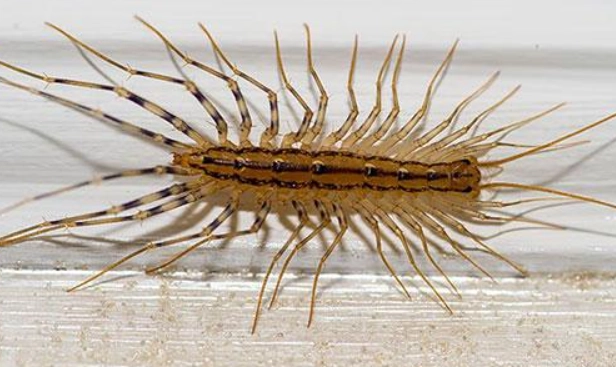
The High-Probability States (You're Very Likely to See One)
If you live in one of these, seeing a house centipede isn't a question of "if," but "when." I've lived in two of them, and I can confirm the sightings are regular.
- Pennsylvania, Ohio, New York: The holy trinity of house centipede country. Old, stone-foundation basements are their castles. The Penn State Extension gets tons of questions about them.
- New Jersey, Connecticut, Massachusetts: Similar story to the above. Dense, older suburbs are ideal.
- Illinois, Indiana, Michigan: Especially common in cities near the Great Lakes (Chicago, Detroit) where humidity is high and basements are prevalent.
- Missouri, Kentucky: The humid river valleys (Mississippi, Ohio) make these states prime territory.
- Virginia, West Virginia, Maryland: The mix of humidity and ample prey supports strong populations.
- Tennessee, North Carolina, Georgia: The warmth allows for longer active seasons. They're just as happy in a crawl space as a basement.
- Florida: A special case. The heat and humidity are perfect, but they face more competition from other predators. Still, very common in garages and pool areas.
- Washington and Oregon (west of the Cascades): The perpetual dampness is irresistible. Check your shower curtain or basement corner.
Personal Anecdote: When I lived in an old Pittsburgh apartment, my basement laundry room was a house centipede highway. I'd see at least one a week during the summer. It was unnerving at first, but I learned they were just patrolling for silverfish and spiders. Annoying roommates, but harmless ones.
The "It Depends" States (Possible, But Not Guaranteed)
This is the vast middle ground. Your local micro-climate and home construction matter most here.
- California: A perfect example of micro-climates. Almost non-existent in dry Los Angeles or the Central Valley. Surprisingly common in the foggy, damp San Francisco Bay Area, especially in older neighborhoods.
- Texas: Eastern Texas (Houston, Beaumont) with its high humidity? Yes. Dry West Texas (El Paso)? Virtually never.
- Colorado, Utah, Nevada: Generally too arid. Isolated populations might exist in consistently damp commercial buildings (like university steam tunnels) or in homes with chronic moisture issues. The Colorado State Extension notes they are occasional indoor invaders.
- Kansas, Nebraska, Iowa: More common in the eastern, wetter parts of these states. Less so in the western, drier counties.
- Minnesota, Wisconsin: Common in southern parts, but the fierce winters limit them in the far north. They need to be deep indoors to survive January.
The Low-Probability States (Consider Yourself Lucky)
If you're here, a sighting is a genuine oddity, often linked to a specific, unusual situation.
- Arizona, New Mexico: The natural environment is hostile. You might find one in a lush, over-watered backyard in Phoenix or a hotel with a tropical atrium, but it's rare.
- Wyoming, Montana, The Dakotas: The cold, dry climate is a major barrier. Any sightings are usually linked to recent transport (e.g., in a moving box from Ohio) or a uniquely humid building.
- Alaska, Hawaii: Hawaii has no established populations. Alaska is generally too cold, though they could theoretically survive in heated buildings—reports are extremely scarce.
So, when you're trying to figure out where house centipedes are found in the US, your state is the first clue, but your home's moisture level is the real answer.
Don't Be Fooled by Seasons: You might see more of them in spring and fall. Why? That's often when their prey (like spiders and silverfish) are also most active, and when weather changes drive them indoors. A summer sighting in a basement or a winter sighting near a furnace room pipe just proves they're there year-round, just hiding better.
Why YOUR House? The Micro-Habitat Checklist
Knowing where house centipedes are found in the United States regionally is one thing. Understanding why they picked *your* bathroom is another. They aren't random tourists. They're expert hunters following resources. If you have them, your home is providing one or more of the following:
- Moisture: This is non-negotiable. Leaky pipes, condensation on windows, damp basements or crawl spaces, clogged gutters creating wet foundation walls. A dehumidifier is their worst nightmare.
- Hiding Places: Clutter. Boxes in the basement, piles of newspaper, stacks of firewood indoors, undisturbed corners behind furniture. They are cryptic and shy, needing darkness and tight spaces to feel safe during the day.
- Food: This is critical. They eat other arthropods. If you have house centipedes, you almost certainly have a secondary pest problem they're feeding on: spiders, silverfish, cockroach nymphs, ants, termite swarmers, bed bugs (yes, they'll eat bed bugs). In a weird way, they're a pest control service. A problematic, creepy one.
- Access Points: Cracks in foundation walls, gaps around utility lines, poorly sealed doors or windows. They come in from the soil outside, especially if you have moist mulch or dense vegetation right against your house.
Think of it this way: a damp, cluttered basement with a few silverfish is a five-star hotel with 24-hour room service for a house centipede. Eliminate the moisture and the prey, and you evict them.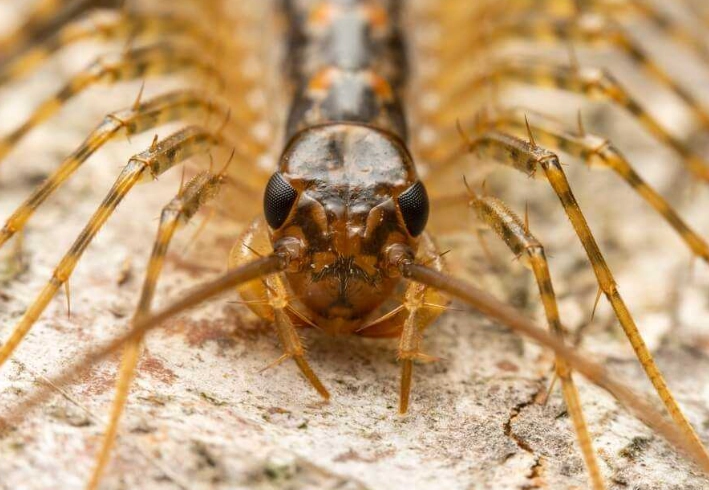
Common Questions (And Straight Answers)
Are they dangerous?
Practically, no. They can bite in self-defense if you handle them roughly, but it's extremely rare and, for most people, no worse than a mild bee sting (though some may have a stronger reaction). Their venom is designed for tiny insects, not people. The real "danger" is the heart attack you might get seeing one run at lightning speed.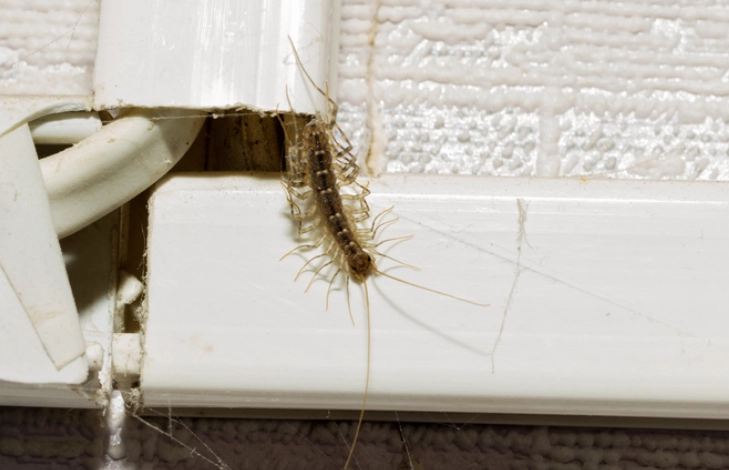
Should I kill them?
This is a personal call. Entomologists will tell you they are beneficial predators. They're killing pests you probably dislike more. I have a live-and-let-live policy if they stay in the basement. If they're in my bedroom, that treaty is void. The key is to understand that killing one does nothing. You must change the habitat (remove moisture, prey, and clutter) or you'll just get another.
Do they mean my house is dirty?
Not necessarily "dirty" in the grimy sense. It means your house has a functioning, if unwanted, ecosystem. It's more "cluttered" and "damp" than "dirty." A spotless home with a leaking pipe under the sink can have them. A messy, dry attic probably won't.
Can they infest?
Not in the way termites or German cockroaches do. They don't build colonies or nests. A large number simply means your home is providing exceptional habitat for many individuals. You won't find a "centipede queen" hidden away.
Where exactly in the house will I find them?
Follow the moisture and the food. Basements, crawl spaces, bathrooms (under sinks, behind toilets), laundry rooms, garages, and sometimes in potted plants that are over-watered. At night, they may venture into other rooms hunting.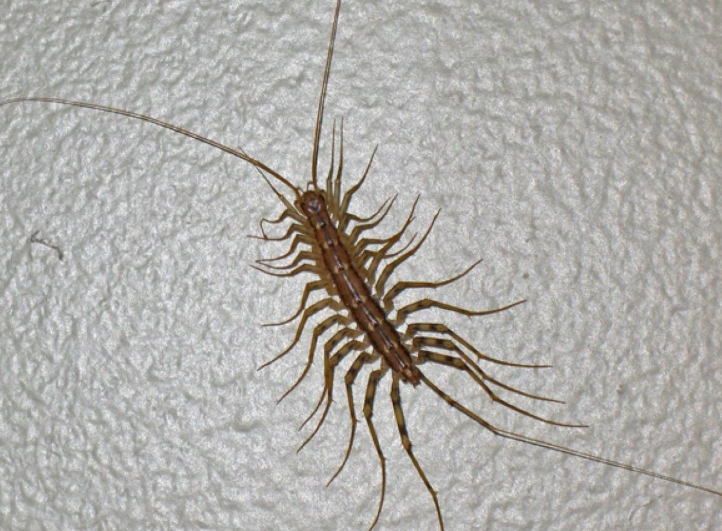
Pro Tip for Homeowners: The best long-term strategy isn't spraying insecticide (which they are somewhat resistant to anyway). It's installing and running a dehumidifier in your basement. Dropping the relative humidity below 60% makes your home profoundly unwelcoming to them and the pests they eat. It's a win-win.
The Bottom Line on Their US Distribution
So, to wrap this all up, where are house centipedes found in the US? They are firmly established tenants across the humid eastern United States and the damp Pacific Northwest. Their presence tapers off as you move west into drier climates and north into harsher cold, becoming rare or accidental in the arid Southwest and the northern Rockies.
But the map isn't fate. Your local environment is a bigger predictor than your state line. An apartment in dry Denver will almost never see one. A century-old home with a stone cellar in rainy Portland, Oregon? You're basically sharing your space with them.
The takeaway isn't just to know if you're in a hotspot. It's to understand that their presence is a symptom—a sign of excess moisture and other pests. Addressing those root causes is the only way to change your home from a centipede haven to a centipede no-go zone. They're fascinating, if unsettling, creatures that have carved out a very specific niche in the American home. Now you know exactly where that niche is.
And if you see one tonight? Take a deep breath. Now you know it's not a monster, just a highly successful immigrant hunter that really, really likes your damp basement.
LEAVE A REPLY
Your email address will not be published. Required fields are marked *