Quick Guide
Let me tell you, nothing quite compares to the moment you walk into a perfectly crafted orb web at dawn. The silk is absurdly strong, practically invisible, and it wraps around your face in a way that feels both delicate and incredibly annoying. You flail for a second, and then you see her. Sitting off to the side or maybe right in the center, a plump, often brightly colored spider with legs splayed out. That, my friend, is your classic American orb weaver.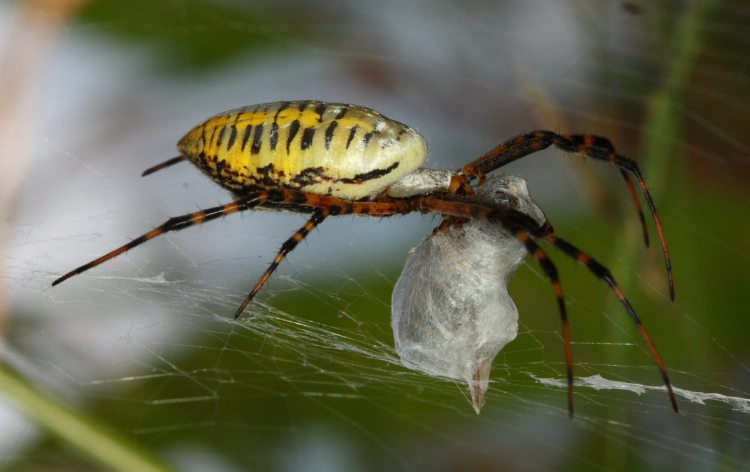
I've had dozens of these spiders set up shop in my garden over the years. At first, I was wary. Like most people, my gut reaction to spiders isn't always positive. But watching them work changed my mind completely. These aren't the creepy-crawlies of horror movies; they're master architects, pest control experts, and honestly, some of the most fascinating backyard neighbors you could ask for.
This guide is everything I wish I'd known when I first encountered one. We're going to move past the initial "what is that?" and dive into the real story of the American orb weaver. We'll cover how to tell them apart from other spiders, why you should probably leave them right where they are, and answer all those nagging questions you might be too embarrassed to ask (like, can they actually bite me?).
What Exactly Is an American Orb Weaver?
First things first, "American orb weaver" isn't the name of just one spider. It's a common name that blankets a whole family of spiders called Araneidae. Think of it like saying "songbird"—it covers a lot of different species that share a key trait: building those iconic, wheel-shaped circular webs. In North America alone, there are over 180 species in this family. So when you see that perfect spiral web, you're looking at the work of a highly skilled engineer from this group.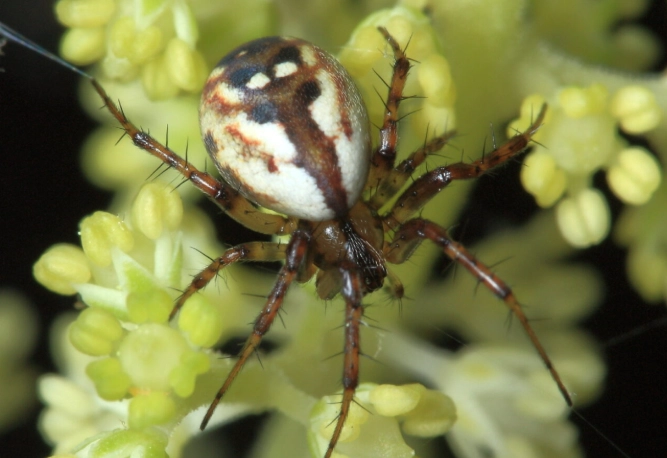
The females are the real stars of the show. They're the ones you see sitting in the web, usually larger and more colorful. The males? They're often tiny, drab, and spend most of their time wandering around looking for a mate, which is a pretty risky gig. The classic body shape is a rounded, sometimes almost spherical abdomen that looks too big for the head and thorax (the front part). Their legs are long and spiny, perfect for sensing vibrations across their silk trap.
Key Takeaway: Don't get hung up on finding the one "true" American orb weaver. You're likely looking at one of many common species like the Black and Yellow Garden Spider (Argiope aurantia), the Marbled Orbweaver (Araneus marmoreus), or the Cross Orbweaver (Araneus diadematus). They're all part of the same talented family.
The Lifecycle: From Egg Sac to Web Master
Understanding their life cycle explains a lot about why they appear and disappear. It's a one-year story, tied tightly to the seasons.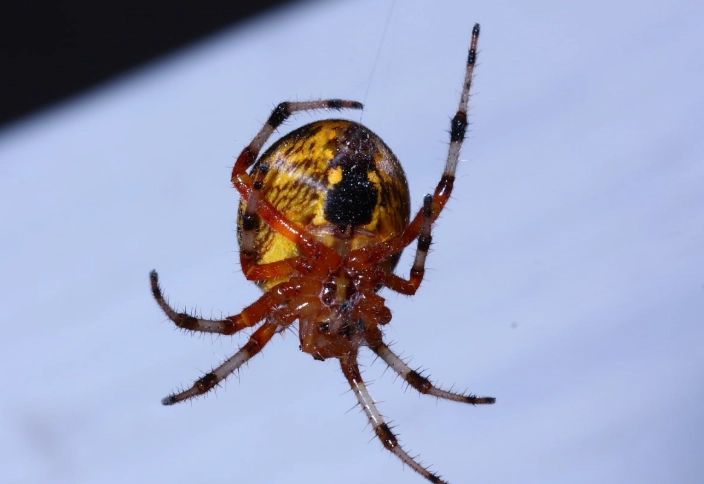
It all starts in autumn. A mature female produces one or several large, brown, papery-looking egg sacs. She fills them with hundreds of eggs and carefully places them in a protected spot—under bark, in plant debris, or the corner of a shed. This is her legacy, because she, along with every other adult, will die with the first hard frost.
The eggs overwinter, safe in their insulated sacs. Come spring, the tiny spiderlings hatch. Here's a fascinating and slightly brutal bit: they don't immediately crawl out. They stay inside the sac for a while, feeding on stored yolk and sometimes, in a practice called matriphagy or sibling cannibalism, on each other. It's nature's way of ensuring only the strongest emerge.
When they do venture out, they perform a behavior called "ballooning." They climb to a high point, release a few strands of silk, and let the wind carry them away. This is how they disperse to new territories. It's why one year you might have no orb weavers, and the next, you have three in your flower bed.
Through the summer, they molt and grow, building progressively larger webs. By late summer, they reach maturity, mate, and the cycle begins anew. That large, impressive spider you see in August or September is a fully grown adult female in the final, reproductive stage of her life.
Why Your Garden Loves the American Orb Weaver
If you're into gardening or just dislike mosquitoes, this spider is your unpaid, highly efficient employee. I started seeing them as allies, not aliens.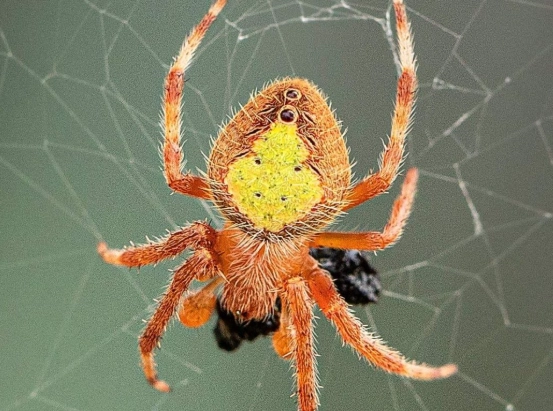
Their webs are aerial insect traps. An American orb weaver's diet consists almost entirely of flying pests. We're talking about the insects that damage your plants and bug you at barbecues. Here’s a quick list of what's on their menu:
- Mosquitoes: A definite win for everyone.
- Flies: House flies, horse flies, you name it.
- Moths: Many moths are garden pests in their caterpillar stage.
- Beetles: Various flying beetles that munch on leaves.
- Grasshoppers: Sometimes even smaller ones get caught.
I remember one season my basil plants were getting shredded by moths. I noticed a large orb web strung between the basil and my tomato cage. Within a week, the damage noticeably slowed. Coincidence? Maybe. But I like to think my eight-legged tenant was on patrol.
Let's Bust a Myth Right Now: Orb weavers do not catch beneficial pollinators like honeybees and hummingbirds with any regularity. Their web mesh size and location (often in open areas, not directly on dense flower clusters) are not optimized for large, strong-flying pollinators. A bee might occasionally blunder into one, but it's not a primary food source. Their webs act more like a specialized flypaper for softer-bodied, nuisance insects.
By controlling these pest populations naturally, the American orb weaver spider plays a crucial role in the local ecosystem. They reduce the need for chemical pesticides, which can harm the very bees and butterflies we want to protect. It's a classic example of natural balance.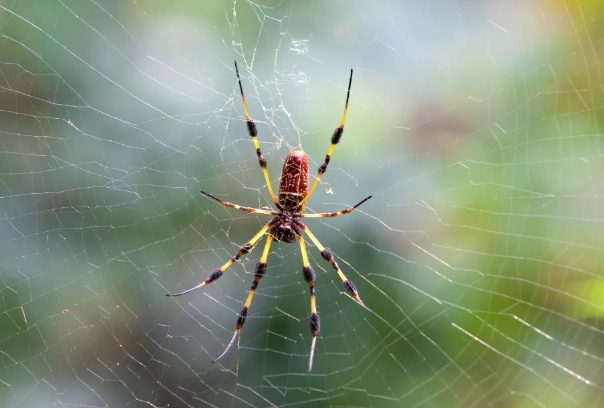
Meet the Family: Common American Orb Weavers You Might See
Okay, so you want to know which one you've got. Here’s a rundown of the most likely candidates. I've put this in a table because it's the easiest way to compare their standout features.
| Common Name | Scientific Name | Key Identifying Features | Where You'll Find Them |
|---|---|---|---|
| Black and Yellow Garden Spider | Argiope aurantia | Large, with a striking black and bright yellow pattern on the abdomen. Often sits head-down in the center of its web with legs paired, forming an "X" shape. Frequently adds a dense, zig-zag band of white silk (stabilimentum) down the web center. | Tall grasses, sunny flower and vegetable gardens, meadows. Loves open, sunny spots. |
| Marbled Orbweaver | Araneus marmoreus | Abdomen is usually a beautiful orange, yellow, or beige base color with a dark, marbled pattern (like marble stone). A very common and variable species. | Woodland edges, tall plants, shrubs, and sometimes on structures near lights that attract prey. |
| Cross Orbweaver / European Garden Spider | Araneus diadematus | Variable in color (brown, red, orange) but almost always has a distinctive pattern of white spots on the abdomen that form a cross. A very familiar sight in fall. | Gardens, fences, window frames, and porches. Extremely adaptable to human landscapes. |
| Spotted Orbweaver | Neoscona species | Generally brown or gray with a series of noticeable light and dark spots on the abdomen. Often builds its web at dusk and takes it down at dawn. | Similar to others, but known as a "nocturnal orb-weaver" for its nightly web-building habit. |
If you're trying to nail down an exact species, a fantastic resource is the American Arachnological Society. They maintain databases and guides that are used by professionals and enthusiasts alike.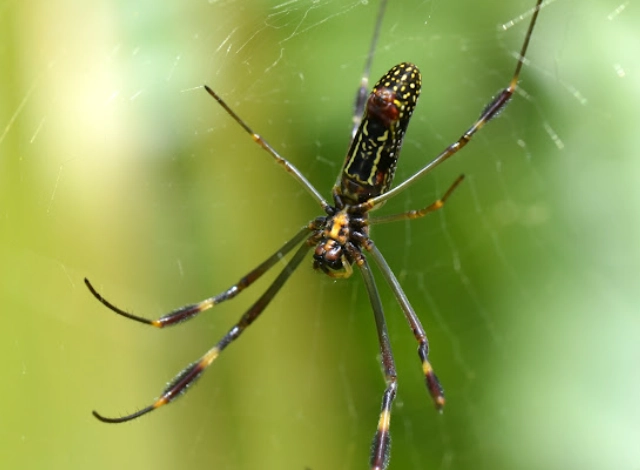
Living Alongside Your Orb Weaver Neighbors
For most people, coexistence is the best and easiest path. But I get it—sometimes the web is right over the walkway, or you're genuinely arachnophobic. Here's a practical, tiered approach.
Level 1: Peaceful Coexistence (The Recommended Route)
If the web is out of the way, just leave it. Enjoy the free pest control. Teach your kids to observe, not fear. You can even gently mist the web with water on a sunny morning to see the dew sparkle on the architecture—it's stunning.
Remember, these spiders are not interested in you. They have no desire to come inside. Their entire world is that web. If you must pass by it regularly, the spider will usually retreat to the edge. After a few days of you disturbing part of the web, she might even decide to rebuild a few feet over. They're pragmatic.
Level 2: Gentle Relocation (The "It's on the Doorknob" Solution)
Sometimes the location is just impossible. Here’s how to move an American orb weaver without harming it:
- Wait until dusk or night. This is when she's most active and off the web center, often doing repairs.
- Get a large, clear container (like a plastic deli cup) and a stiff piece of paper or cardboard.
- Gently place the container over the spider.
- Slide the cardboard between the container opening and the surface she's on, trapping her inside.
- Carry her to a suitable new location—a shrub, a garden fence, a quiet corner of the yard.
- Remove the cardboard and let her walk out on her own.
She will likely build a new web that night. It's a bit of work, but it's humane.
My Experience: I've done this a few times when one built a web across my compost bin lid. It feels a bit silly, talking calmly to a spider in a cup, but it works. She was rebuilding in a nearby raspberry bush within an hour.
Level 3: Discouragement (For the Truly Unwanted)
If you don't want them building in a specific spot (like right by your front door every year), you can make the area less attractive. Orb weavers need anchor points. Regularly sweep away old webs and clear away clutter like stacked pots or unused furniture where they might attach the first lines. They prefer spots where flying insects travel. A simple change in outdoor lighting can help—switching bright white lights that attract insects to yellow bug lights can reduce prey traffic in that specific area.
For comprehensive, science-backed information on managing spiders around the home in an integrated pest management framework, the University of California's Statewide Integrated Pest Management Program has excellent, non-sensationalized guides.
Your American Orb Weaver Questions, Answered
Are American orb weavers venomous or dangerous?
This is the big one. Yes, they are venomous (they use venom to subdue their insect prey), but they are not dangerous to humans. Their venom is not medically significant for us. Think of it like a bee sting for someone who isn't allergic—at absolute worst, a bite might cause a small, itchy, red bump that goes away in a day or two.
But here's the crucial part: getting bitten is incredibly rare.
These spiders are not aggressive. Their first, second, and third line of defense is to run away, play dead, or vibrate their web to appear larger. You would literally have to squeeze one between your fingers to get it to bite in self-defense. They are not out to get you.
Will they come into my house?
Almost never. American orb weavers are outdoor specialists. Their survival depends on building large webs to catch flying insects. The environment inside a house is a barren desert for them—no prey, no anchor points for a proper web. If you find one inside, it's almost certainly a male wandering in search of a female, or a spiderling that ballooned in through an open window. It's lost and won't survive long. Just cup it and put it outside.
What happens to them in the winter?
As mentioned in their lifecycle, the adults all die in late fall. Only the next generation, safe inside their tough egg sacs, survives the winter. Those brown, papery pouches you might see tucked in a corner are their winter homes. Come spring, the cycle starts over.
How can I tell a male from a female?
Easily. The female is the one in the web. She's larger (sometimes dramatically so), more colorful, and has a big, round abdomen. The male is often less than half her size, dull-colored, and has swollen pedipalps (the small, leg-like appendages near his mouth, which he uses to transfer sperm). You'll rarely see a male in a web unless he's risking it all to mate.
What should I do if I find an egg sac?
Leave it alone. It's the future of your local pest control crew. If it's in a spot where it will definitely be destroyed (like on a piece of firewood you're about to use), you can carefully move the entire sac, using the same cup-and-paper method, to a sheltered spot outdoors like a bush or under an eave.
For more detailed biological and behavioral facts, research from institutions like the Cornell University Department of Entomology often includes deep dives into spider ecology and their role in agricultural systems.
The Bottom Line on the American Orb Weaver
Look, spiders freak a lot of people out. I was never a superfan myself until I started paying attention. The American orb weaver is a perfect gateway spider. They're beautiful, they're beneficial, and they want absolutely nothing to do with you. They're just out there, every night, rebuilding their intricate traps and keeping the real pests in check.
That intricate web is a marvel of natural engineering—a combination of strong, non-sticky frame lines and a spiral of elastic, sticky capture silk. The spider knows every vibration. It's a living satellite dish tuned to the frequency of gnats and moths.
So next time you see one, take a second look. Don't just reach for the broom. See the patterns, appreciate the work ethic. You're looking at a tiny, efficient predator that's been perfecting its craft for millions of years. It's not a bug to be squashed; it's a part of the backyard ecosystem, doing its job quietly and brilliantly. Once you see them that way, your garden—and your summer evenings—might just feel a little more balanced.
And if it's really in the way, just move it. She’ll be fine. She’s got work to do.
LEAVE A REPLY
Your email address will not be published. Required fields are marked *