In This Guide
- Spotting a Hobo Spider: A Practical Identification Guide
- Do Hobo Spiders Even Live in New Mexico? The Distribution Debate
- The Bite: Separating Medical Fact from Internet Fiction
- Living Alongside Spiders: Prevention and Control in Your Home
- Your Hobo Spider New Mexico Questions, Answered
- Wrapping It Up: A Balanced Perspective
Let's be honest, the name "hobo spider" sounds like something from a bad horror movie. You hear it and immediately picture a creepy, aggressive spider lurking in the shadows of your garage or basement. If you're searching for information about hobo spiders in New Mexico, chances are you've seen one, think you've seen one, or are just plain worried about them. I get it. I've been there, squinting at a spider in the corner, trying to remember what I read online.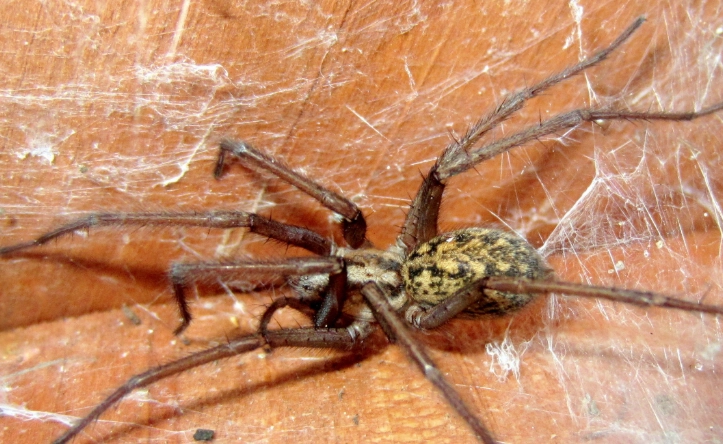
The problem is, the internet is full of conflicting and downright scary information about these spiders. Some websites make them out to be public enemy number one, while others dismiss them entirely. It's confusing. My goal here is to cut through the noise. We're going to look at what the hobo spider (Tegenaria agrestis, if you want the scientific name) actually is, whether you need to worry about it in New Mexico, and what you should really do if you're concerned.
I've spent a lot of time digging into entomology resources and talking to local experts because, frankly, a lot of the common advice out there is outdated or just wrong. For example, the whole "flesh-eating venom" myth? We'll tackle that head-on.
Spotting a Hobo Spider: A Practical Identification Guide
First things first, you need to know what you're looking at. Misidentification is the root of most spider panic. You might be freaking out over a completely harmless wolf spider or grass spider. I've done it myself – blamed a hobo for the deeds of a much more innocent eight-legged visitor.
So, what does a hobo spider look like? They're not the most colorful spiders. Think earthy tones. They're typically brown with a distinct pattern of greyish markings on their abdomen that sometimes looks like a chevron or arrow pattern pointing towards their head. Their legs are solid brown, without any noticeable stripes or bands, which is a key point. Males and females look different, with males having enlarged pedipalps (those little appendages near the mouth that look like boxing gloves) and a slightly smaller abdomen.
Here’s a quick comparison table to help you separate the hobo spider from other common New Mexico spiders it's often confused with. This saved me a lot of grief once I learned it.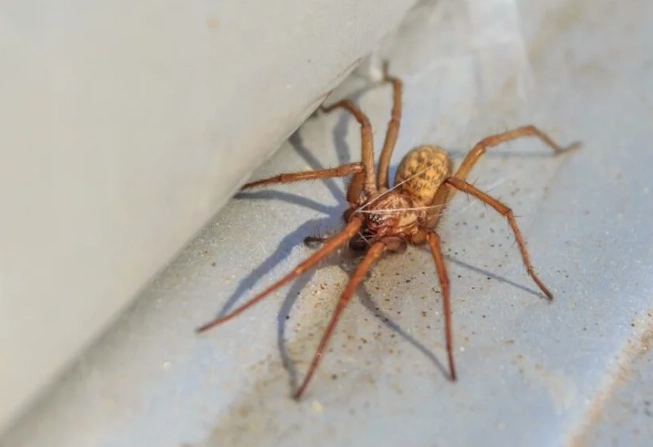
| Spider | Primary Color & Markings | Web Type | Legs | Commonly Found In |
|---|---|---|---|---|
| Hobo Spider (Tegenaria agrestis) | Brown with greyish chevron patterns on abdomen | Funnel web | Solid colored, no stripes | Ground level, basements, window wells |
| Wolf Spider | Brown, grey, or black with various stripe patterns | No web (hunter) | Often robust and striped | Ground, under debris, in homes |
| Grass Spider | Brown with two dark stripes running lengthwise | Funnel web (in grass) | Often with bands | Lawns, fields, occasionally basements |
| Brown Recluse | Light to dark brown with a dark violin shape | Irregular, loose "messy" web | Uniform color | Undisturbed clutter, storage areas |
See how easy it is to mix them up? The web is your biggest clue. A funnel web in a basement corner is a strong sign, but it could still be a grass spider that wandered indoors. The leg stripes (or lack thereof) are the next thing to check. If you're still unsure, the best course of action is to just leave it alone or capture and release it outside. No need for panic.
Do Hobo Spiders Even Live in New Mexico? The Distribution Debate
This is the million-dollar question for anyone searching "hobo spider New Mexico." The short, and perhaps surprising, answer is: they are not considered native or established in New Mexico. The established range of the hobo spider is primarily in the Pacific Northwest – Washington, Oregon, Idaho, and parts of Montana and Utah.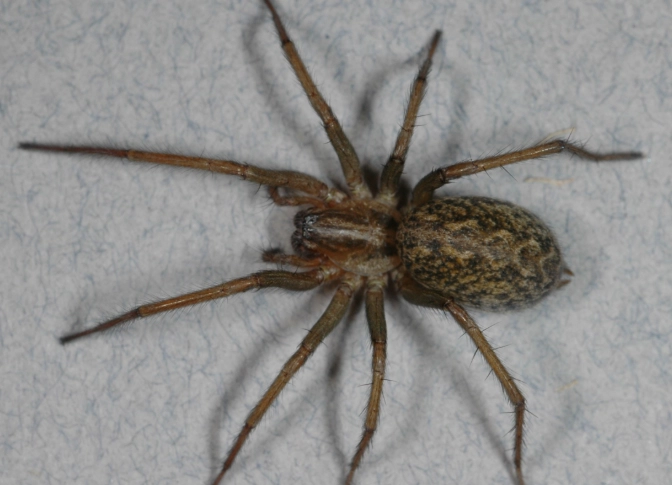
Why all the confusion then? A few reasons. First, spiders get around. They can hitch rides on vehicles, in shipping materials, or with plants. It's possible for an individual hobo spider to show up in New Mexico, just like it's possible to find a coconut on a beach in Scotland. It doesn't mean there's a colony. Second, and this is the big one, misidentification. Many funnel-weaving spiders look similar. I can't tell you how many photos people swear are hobo spiders in New Mexico that are clearly grass spiders or other harmless species.
Entomologists and extension services have not confirmed established populations. For authoritative information on spider distributions, I always check resources like the Utah State University Extension or the Purdue University Entomology publications. These are based on actual surveys and scientific observation, not anecdotal reports.
So, if you see a spider in Albuquerque, Santa Fe, or Las Cruces that you think is a hobo, the odds are overwhelmingly in favor of it being something else. That doesn't make your concern invalid, but it should ease your mind a bit.
The Bite: Separating Medical Fact from Internet Fiction
Alright, let's talk about the elephant in the room: hobo spider bites. This is where the most misinformation lives. For years, hobo spiders were blamed for necrotic lesions – nasty, slow-healing wounds where the skin dies. This idea became so entrenched it was treated as medical fact.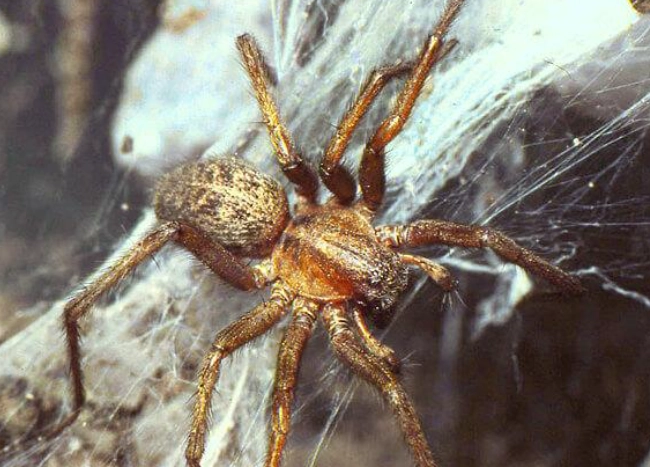
Here's the current scientific consensus, which has shifted dramatically: There is no solid evidence that hobo spider venom causes necrotic wounds in humans. Let that sink in. The studies that originally linked them to necrosis were flawed. More recent, controlled research has failed to replicate those results. The CDC and major poison control centers no longer list hobo spiders as a cause of necrotic arachnidism.
So what happens if a hobo spider does bite you? It's a defensive bite, remember. They don't hunt people. The reported symptoms are often local and mild:
- Immediate sharp pain, like a pinprick.
- Redness and swelling around the bite site.
- A headache that might last for a day or two.
- Some temporary nausea or fatigue.
Sounds a lot like many other insect bites, right? The problem is that many skin conditions are misdiagnosed as spider bites. MRSA infections, chemical burns, and other dermatological issues can look very similar. A friend of mine was convinced she had a spider bite; it turned out to be a mild staph infection from a tiny cut she didn't even notice.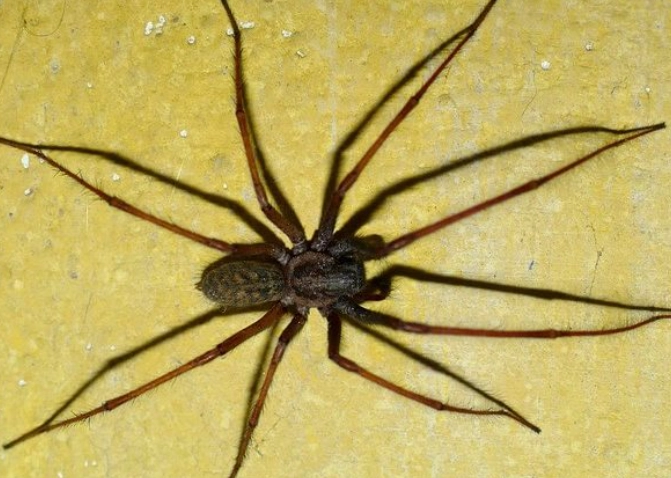
What to Do (and Not Do) If You're Bitten
Let's say you felt a pinch, saw a spider, and managed to catch or get a good photo of it. Here's a sensible action plan:
- Stay calm. Panic doesn't help. Wash the bite area thoroughly with soap and water.
- Apply a cold pack. This helps reduce swelling and pain. Use a cloth between the ice and your skin.
- Elevate the area if possible.
- Take an over-the-counter pain reliever like acetaminophen or ibuprofen if needed.
- Monitor the site. Watch for signs of a severe allergic reaction or infection.
What NOT to do: Do not cut the bite or try to suck out venom. Do not apply a tourniquet. Do not rub aspirin on the wound. These are old, dangerous myths that can cause far more harm than any spider venom.
The bottom line? A hobo spider bite is an unpleasant experience best avoided, but it is not the medical emergency it was once portrayed to be. The psychological fear is often worse than the bite itself.
Living Alongside Spiders: Prevention and Control in Your Home
Whether it's a hobo spider, a wolf spider, or any other uninvited guest, most of us prefer our homes spider-free. The good news is that effective control isn't about chemical warfare; it's about making your home less inviting. Spiders go where their food (other insects) is plentiful.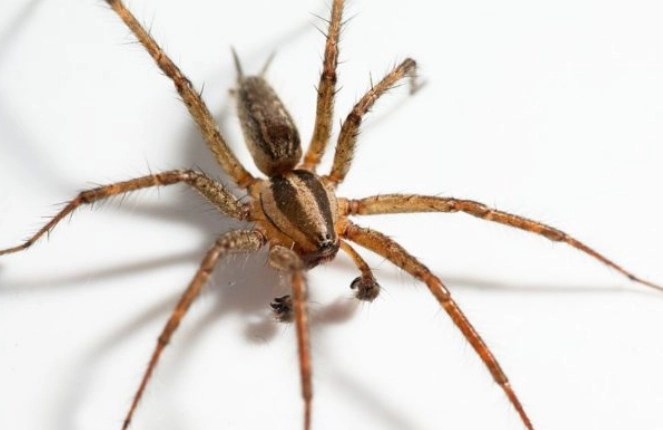
Here’s my tried-and-true method, which works for all common house spiders:
Seal the Deal: Spiders are masters of sneaking through tiny gaps. Walk around your home's exterior and interior. Caulk cracks around windows, doors, and foundation lines. Install door sweeps. Repair torn window screens. This is the single most effective step. I did this one fall and saw a huge drop in all kinds of indoor insects and spiders.
Reduce Clutter: Spiders love quiet, undisturbed places. Basements, garages, attics, and storage rooms are prime real estate. Reduce cardboard box clutter (they love the corrugated edges), store items in plastic bins with tight lids, and keep things off the floor when possible.
Manage the Food Source: Fewer bugs means fewer spiders. Use yellow outdoor lighting that attracts fewer insects. Keep kitchen areas clean. Consider using a dehumidifier in damp basements or crawl spaces to discourage silverfish and other spider prey.
Regular Cleaning: Regular vacuuming, especially in corners, under furniture, and along baseboards, removes spiders, webs, and egg sacs. Pay special attention to the lower levels of your home.
What about pesticides? I'm not a fan of widespread indoor spraying for spiders. It's often overkill, exposes you and pets to chemicals, and doesn't address the root cause. If you have a recurring problem in a specific area, targeted application of a residual dust in cracks and voids (following label instructions exactly) can help. But for general prevention, the non-chemical methods are superior and longer-lasting.
Your Hobo Spider New Mexico Questions, Answered
I've gotten a lot of questions over the years, and these are the ones that keep popping up. Let's tackle them directly.
Are hobo spiders aggressive?
No. This is a terrible label that causes unnecessary fear. Hobo spiders are defensive. If you threaten them or their web, they may bite. But they do not chase people or seek them out to attack. They'd much, much rather run and hide. Calling them aggressive is like calling a cornered mouse aggressive.
What attracts hobo spiders to a house?
The same things that attract any spider: shelter, moisture, and food. Cracks for entry, damp basements or crawl spaces, and an abundance of insects like flies, ants, or cockroaches are the main attractants. A dry, well-sealed home with good pest control is very unattractive to them.
Can hobo spiders climb smooth surfaces?
This is interesting. Unlike many spiders, hobo spiders have difficulty climbing very smooth, vertical surfaces like glass, polished metal, or slick plastic. This is why they are often found in window wells or sinks – they fall in and can't get out. Their funnel webs are usually built at ground level or in corners where they have textured surfaces to grip.
Should I go to the doctor for a hobo spider bite?
For the vast majority of bites, no. Treat it like any minor insect bite with first aid at home. However, always go to the doctor if: you have signs of a severe allergic reaction (trouble breathing, swelling of lips/throat), the person bitten is a young child or has a compromised immune system, or if the bite area shows signs of a serious skin infection (rapidly expanding redness, warmth, pus, red streaks, fever). When in doubt, it's never wrong to call your doctor or a poison control center for advice. The Poison Control website is an excellent, authoritative resource.
How dangerous are hobo spiders compared to black widows?
There's no comparison. Black widow venom is a potent neurotoxin that can cause severe muscle pain, cramps, and systemic illness requiring medical treatment. Hobo spider venom, based on current evidence, does not pose that level of medical threat. In New Mexico, the black widow is a spider you should learn to identify and respect. The risk from a hobo spider, even if you found one, is orders of magnitude lower.
Wrapping It Up: A Balanced Perspective
Look, spiders freak a lot of people out. I understand. But fear based on misinformation is worse. When it comes to the topic of hobo spiders in New Mexico, here's the takeaway:
First, you are extremely unlikely to encounter a true hobo spider in this state. The spiders causing concern are almost certainly native funnel weavers or other harmless species. Second, even if you did, the modern scientific understanding is that their bite is medically minor for most people – painful and annoying, but not a cause for necrosis or panic.
The energy spent worrying about hobo spiders is better spent on practical home maintenance to deter all pests and on learning to accurately identify the spiders that are common here, like the black widow. Knowledge is the best antidote to fear.
I hope this deep dive has cleared up the confusion. Next time you see a funnel web in the garage, you can take a closer look, identify it calmly, and decide on a course of action without that knot of dread in your stomach. Sometimes, the best solution is just to gently relocate the spider outside and seal up the crack it used to get in. Life is simpler that way.
LEAVE A REPLY
Your email address will not be published. Required fields are marked *