Quick Guide Navigation
- What Exactly Are Georgia's Biting Midges?
- Why Do Their Bites Hurt So Much?
- Spotting the Difference: Midge Bite vs. Mosquito Bite
- Your Action Plan: Prevention, Protection, and Treatment
- Fighting Biting Midges in Your Georgia Yard
- Common Questions About Biting Midges in Georgia (Answered)
- Living With (and Despite) Georgia's Biting Midges
If you've ever been outside on a calm Georgia evening—maybe grilling in the backyard, enjoying a beer on the patio, or trying to get in a few last casts at the fishing hole—and found yourself suddenly swarmed by an invisible cloud of misery, you've met them. You might not have seen them, but you definitely felt the aftermath. Those tiny, savage, itch-inducing bites that appear in clusters, often around your ankles, wrists, or hairline. Welcome to the world of biting midges in Georgia.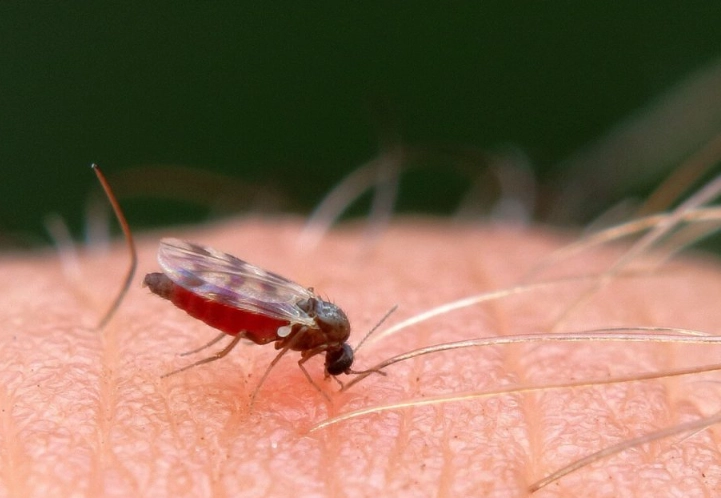
It's not mosquitos. Those guys are loud and relatively easy to spot. This is something else. Locals have a bunch of names for them: no-see-ums, punkies, sand flies, or biting gnats. But around here, when we talk about the worst of the tiny biters, we're usually talking about biting midges. And Georgia, with its sprawling coastlines, endless wetlands, and humid climate, is pretty much paradise for them. A terrible, itchy paradise for us humans, that is.
I remember my first real encounter. I was camping near the Okefenokee Swamp. The mosquitoes were bad, sure. But as the sun went down, this fine, gritty feeling settled on my skin. I thought it was just dust. Nope. Woke up the next morning looking like I had a case of the chickenpox, just on my arms and neck. The itching was unreal—a deep, persistent itch that over-the-counter cream barely touched. That's when I started my deep dive into understanding these pests. This guide is everything I wish I'd known back then.
Bottom Line Up Front: Biting midges in Georgia are a unique and persistent nuisance. They're smaller than mosquitoes, breed in moist soil and organic matter (not standing water), and their bites pack a disproportionately painful and itchy punch. Effective control requires different tactics than you'd use for mosquitoes.
What Exactly Are Georgia's Biting Midges?
Let's clear up the confusion first. When people in Georgia complain about "sand flies" or "no-see-ums," they are most often referring to insects from the family Ceratopogonidae—the biting midges. They are not true flies in the sense horse flies are, and they're not the same as the sand flies (Phlebotominae) that carry disease in other parts of the world, though the nickname sticks.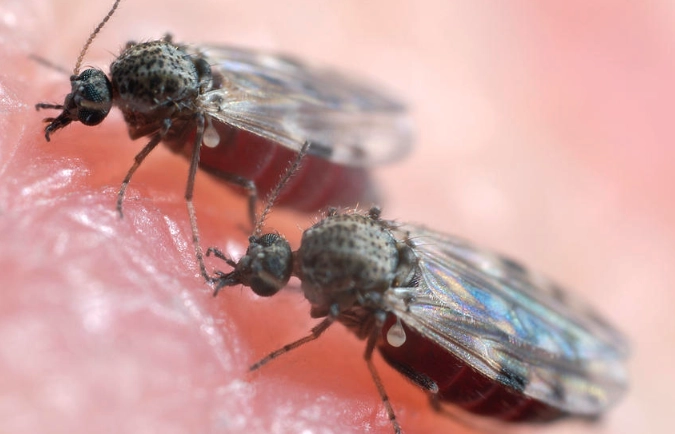
They are absurdly small, usually between 1 to 3 millimeters. That's smaller than a pinhead. You often feel them before you see them, if you see them at all. Their wings are spotted, which is a key identifier under a microscope, but good luck getting one to hold still for that.
The life cycle is crucial to understanding why they're so hard to control. Unlike mosquitoes that need pooled water, biting midges in Georgia lay their eggs in a huge variety of damp habitats. We're talking:
- Coastal zones: The big one. Tidal marshes, mudflats, and wet sandy areas along the entire Georgia coast are prime real estate.
- Inland wetlands: Swamps, bogs, the edges of ponds and lakes, and even slow-moving streams.
- Your own backyard: This is the sneaky part. Overwatered lawns, potted plant saucers full of water, clogged gutters, septic tank drain fields, and any patch of consistently damp, shaded soil rich in organic matter (like leaf litter) can become a breeding site.
The larvae live in that moist muck, feeding on tiny organic particles. Depending on the species and temperature, the whole cycle from egg to biting adult can take a few weeks to several months. In Georgia's warm climate, we can have multiple generations from spring straight through late fall. A mild winter just means they get a head start.
Why Do Their Bites Hurt So Much?
Here's the science behind the suffering. Only the female biting midge bites. She needs a blood meal to develop her eggs. Her mouthparts are designed for slicing, not piercing like a mosquito's proboscis. She essentially uses tiny, saw-like blades to cut a small hole in your skin. Then she injects saliva that contains anticoagulants to keep the blood flowing.
Your body's violent reaction to that saliva is what causes the swelling, redness, and that infamous, deep itch. Some people react mildly. Others, like me, have a more severe histamine response. The bites often appear in clusters or lines because the midge might get disturbed and hop to a nearby spot for another try.
Scratching Warning: I know it's tempting. But scratching those bites from Georgia biting midges is the worst thing you can do. It breaks the skin, introduces bacteria (like Staphylococcus), and can lead to secondary infections. I've had a bite on my ankle get infected once—it was not fun, and required a doctor's visit and antibiotics. Trust me, it's not worth it.
Spotting the Difference: Midge Bite vs. Mosquito Bite
It's helpful to know what bit you. Here’s a quick comparison:
| Feature | Biting Midge Bite | Mosquito Bite |
|---|---|---|
| Size of Insect | Tiny (1-3mm), often unseen | Larger (3-6mm), visible |
| Bite Sensation | Sharp, immediate pinprick or sting | Often not felt initially |
| Bite Appearance | Small, red, hard raised bump; often in dense clusters or lines | Softer, more puffy welt with a central puncture point |
| Itch Intensity | Intense, deep, persistent itch; can last days | Moderate itch, usually subsides sooner |
| Common Locations | Ankles, wrists, neck, hairline, anywhere skin is exposed | Any exposed skin, but more random |
| Time of Activity | Most active dawn and dusk, but can bite on overcast days or in shade | Most active dusk to dawn |
See the difference? That clustered, fiery itch is usually the telltale sign of biting midges in Georgia.
Your Action Plan: Prevention, Protection, and Treatment
You can't just wish them away. You need a layered strategy. I've found that focusing on personal protection first, then area control, works best.
Personal Protection: Your First Line of Defense
When you're heading into known midge territory (which, in coastal Georgia, can be almost anywhere outside), suit up.
- Repellent is Non-Negotiable: The U.S. Environmental Protection Agency (EPA) has a great tool for finding registered repellents. For biting midges, you need something potent.
- DEET: Still the gold standard. A concentration of 20-30% is effective for several hours. Some people dislike the feel or smell, but it works.
- Picaridin: My personal favorite these days. It's just as effective as DEET against midges, often feels less greasy, and doesn't damage plastics or fabrics.
- Oil of Lemon Eucalyptus (OLE): A good plant-based option. The CDC recognizes it as effective, but note it's not recommended for kids under 3.
- Cover Up: It's a pain in the summer, but loose-fitting, long-sleeved shirts and long pants made of tightly woven fabric create a physical barrier. Tuck your pants into your socks—it looks silly, but it saves your ankles.
- Time Your Activities: If you can, avoid being outdoors during peak biting times: dawn and dusk. They are less active in full sun and when there's a steady breeze.
Treating the Bites: How to Stop the Madness
You got bit. It happens. Here's what actually helps calm the reaction, based on my trial and (lots of) error.
- Wash Immediately: As soon as you notice bites, wash the area with soap and cool water. It helps remove some residual saliva and reduces infection risk.
- Cold Compress: Apply a cold pack or a cloth soaked in cold water for 10-15 minutes. This reduces swelling and numbs the area, giving temporary relief from the itch.
- Topical Treatments:
- Over-the-counter hydrocortisone cream (1%): This is an anti-inflammatory and is the most effective OTC option for reducing itch.
- Calamine lotion or a baking soda paste: These old-school remedies can provide a soothing, drying effect.
- Anti-itch gels with Pramoxine or Diphenhydramine (Benadryl): These topical anesthetics or antihistamines can help.
- Oral Antihistamine: If you're covered in bites or having a strong reaction, an oral antihistamine like cetirizine (Zyrtec) or loratadine (Claritin) can help from the inside out. For severe swelling, consult a doctor.
A Hot Spoon Trick? Some folks swear by applying very warm (not scalding) water or the back of a hot spoon to the bite. The theory is the heat denatures the proteins in the midge saliva, neutralizing the itch. I've tried it. It gives a weird, distracting sensation that might override the itch for a little while, but the results are mixed. Don't burn yourself.
Fighting Biting Midges in Your Georgia Yard
This is the long game. You'll never eliminate them completely if you live near a marsh or wetland, but you can make your property far less inviting.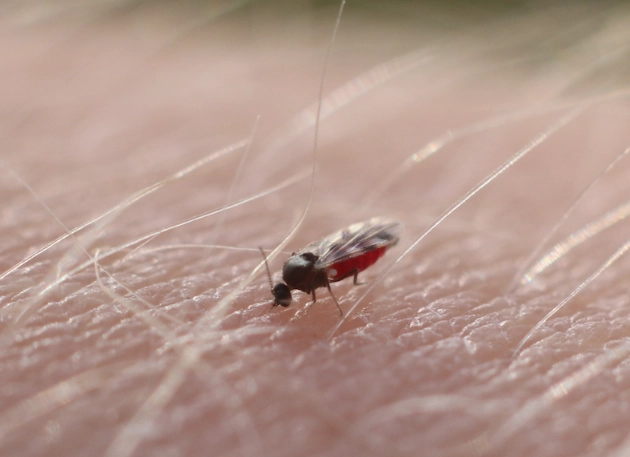
Eliminate Breeding Sites (Source Reduction)
This is the most effective, but often most overlooked, step. Walk your property and play detective.
- Fix the Wet Spots: Improve drainage in areas where water pools for more than a few days. Fill in low spots, aerate compacted soil, and make sure downspouts direct water away from your foundation.
- Manage Organic Matter: Regularly clean up leaf piles, grass clippings, and decaying vegetation. Don't let mulch get soggy and matted.
- Maintain Your Water Features: Keep pond edges clean and moving if possible. Mosquito dunks (Bacillus thuringiensis israelensis or Bti) can help control larvae in some moist areas, but their effectiveness against midge larvae in soil is less certain.
- Check the Perimeter: Look for potential sites just beyond your fence line—ditch weeds, clogged storm drains, a neighbor's overwatered garden.
Create a Less Hospitable Environment
Make your yard a fortress.
- Fans are Your Friend: Biting midges are weak fliers. A strong breeze from a box fan or patio fan on your deck or porch will blow them away. This is one of the simplest and most effective immediate solutions for enjoying an outdoor space.
- Screening: Ensure window and door screens are in perfect condition. Standard mosquito screen has 18x14 mesh. Biting midges can fit through standard screen! To truly keep them out, you need a finer "no-see-um mesh" (typically 20x20 or finer). Consider screening in a porch or patio with this special mesh.
- Strategic Lighting: They are not strongly attracted to light like some insects, but using yellow "bug" bulbs or LEDs for outdoor lights may attract fewer insects overall, reducing the food source for predators that might eat midges.
The Professional Treatment Question
Conventional barrier sprays used for mosquitoes are often less effective against biting midges. The chemicals may not reach their daytime hiding spots in dense foliage or soil. Some pest control companies offer specialized misting or granular treatments targeting larval habitats. If you have a severe, persistent problem, it's worth getting a consultation. Ask specifically about their experience and products for controlling biting midges in Georgia. The University of Georgia Cooperative Extension is an excellent local resource for science-based pest management advice and can often recommend knowledgeable professionals.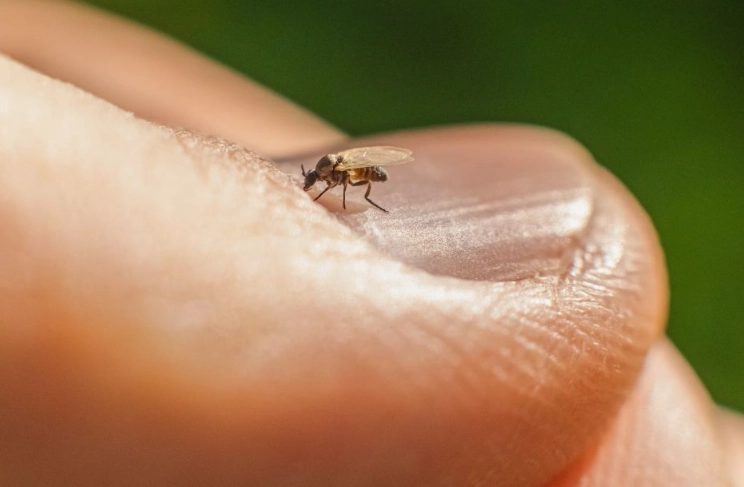
Common Questions About Biting Midges in Georgia (Answered)
Let's tackle the stuff people are really searching for.
This is the big worry. In the United States, biting midges are not significant vectors of human disease, unlike in some tropical regions. The primary risk in Georgia is the secondary infection from scratching the bites. However, their bites can cause severe allergic reactions in sensitive individuals, known as "midge allergy" or "Ceratopogonid hypersensitivity." If you experience extreme swelling, dizziness, or difficulty breathing after bites, seek medical attention immediately.
Their season is long. Activity typically begins in early spring (March/April) as temperatures rise, peaks during the hot, humid summer months (June-August), and can persist well into the fall (October/November) until the first hard frost. On the coast, a warm winter day can even bring out a few stragglers.
Absolutely. The coastal counties (Chatham, Bryan, Liberty, McIntosh, Glynn, Camden) are the epicenter due to the vast salt marshes. But inland areas with significant river systems, lakes, and swamps (like around the Okefenokee, the Altamaha River basin, or Lake Seminole) also have heavy populations. Even suburban yards near creeks or with poor drainage can have localized issues.
There's a lot of folklore here. Some people plant citronella, lemongrass, marigolds, or lavender, hoping it will drive them away. The truth is, while these plants have aromatic oils, simply having them in your garden does not create a protective bubble. The concentration of repellent compounds in the air around the plants is too low. Crushing the leaves and rubbing them on your skin might offer very short-term, minimal protection, but it's not reliable. Stick with EPA-registered repellents for guaranteed results.
Save your money. Biting midges are not strongly attracted to the UV light of bug zappers. These devices mostly kill harmless or beneficial insects. Ultrasonic repellers have been repeatedly shown in studies to have no effect on mosquitoes or midges. The CDC is clear on this: they are not recommended.
Living With (and Despite) Georgia's Biting Midges
Look, Georgia is an incredible place to live and play outdoors. The beaches, the marshes, the forests—they're why we're here. Biting midges are just part of the ecological package deal, a annoying reminder of the vibrant, wet ecosystems around us.
The goal isn't to declare a war you can't win, but to manage the conflict. Understand their habits, protect yourself diligently when you need to, and modify your immediate environment to take back your patio and yard. It's about smart adaptation, not surrender.
Arm yourself with the right repellent, get a good fan for your sitting area, fix those drainage issues, and maybe invest in some finer screens. The itch will become a manageable nuisance rather than a barrier to enjoying those beautiful Georgia evenings.
Now you know. Go enjoy the outdoors—just don't forget the picaridin.
LEAVE A REPLY
Your email address will not be published. Required fields are marked *