Your Quick Guide to Hobo Spiders in Utah
If you've lived in Utah for more than a minute, you've probably heard the stories. The dreaded hobo spider. It's the one that gets blamed for every mysterious itchy bump, the subject of whispered warnings between neighbors. "Watch out for those funnel webs in the basement," they say. But how much of what we hear about hobo spiders in Utah is actually true? And how much is just... well, spider lore?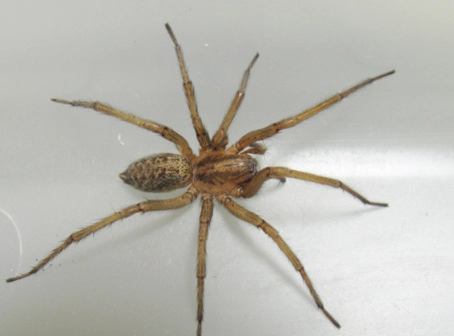
I remember the first time I saw what I thought was one. It was in my garage in Salt Lake County, tucked back in a corner behind some boxes. A grayish-brown spider, sitting in a messy-looking web that did indeed look like a funnel. My heart did a little jump. Was this the infamous, supposedly necrotic-bite-causing creature I'd been warned about? Turns out, it wasn't. It was a completely harmless grass spider. That experience sent me down a rabbit hole, trying to separate fact from fear when it comes to these eight-legged Utah residents.
Let's get straight to the point a lot of you are searching for: are they dangerously venomous? The short answer, according to current science, is probably not like we once thought. But that doesn't mean you want them setting up shop in your playroom. This guide is going to walk through everything—from positively identifying a hobo spider (they're often confused with other guys), to understanding their behavior in our state, to practical, non-panic-inducing control methods. We'll lean on real science, like the great work from entomologists at Utah State University Extension, to clear the air.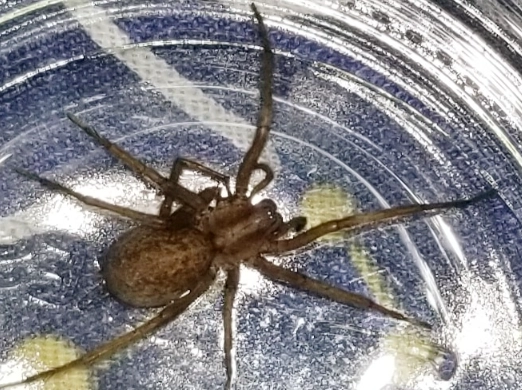
A Quick Reality Check
The reputation of the hobo spider (Tegenaria agrestis) is... complicated. For decades, it was listed alongside brown recluse and black widow spiders in North America as a spider of medical concern, suspected of causing necrotic (tissue-damaging) wounds. However, more recent and rigorous studies have seriously challenged that notion. Major health bodies have shifted their stance. It's a classic case of scary reputation outlasting scientific update.
So, What Exactly Is a Hobo Spider?
First, the basics. The hobo spider is a member of the funnel-web spider family (Agelenidae). They're not native to Utah or even North America. They're thought to have hitched a ride from Europe to the Pacific Northwest (likely through the port of Seattle) in the early 20th century. From there, they've spread inland. Their presence in Utah is well-documented, particularly in the northern, more temperate parts of the state. They prefer cool, damp, and undisturbed places. Think basement window wells, the space behind the water heater, garage corners, and foundation cracks.
They're not the biggest spider you'll see, but they're not the smallest either. Their body (the cephalothorax and abdomen combined) is usually about 1/4 to 1/2 an inch long, with legs that can make them appear over an inch across. Color is tricky—they're mostly a dull, unremarkable brown with some vague chevron patterns on their abdomen. Honestly, they're kind of... drab. The lack of striking markings is one reason they're so hard to tell apart from their harmless cousins.
How to Spot a Hobo Spider in Utah (The Real Signs)
This is where most online guides fall short. They give you a basic description that fits a dozen spiders. Let's get more specific. If you're trying to confirm a sighting of hobo spiders in Utah, you need a combination of clues:
- The Web: This is a big one. They build a funnel-shaped, non-sticky web. It looks like a messy sheet of silk with a distinct tunnel or retreat at one end where the spider hides. It's not the beautiful orb web of a garden spider. It's often built in a corner or against a wall, close to the ground.
- Legs and Stance: Hobo spider legs are solid-colored—no bold bands or stripes. They often hold their legs in a way that makes them look a bit... sprawled. When running, they have a characteristic clumsy-looking gait. They're not the most graceful sprinters.
- No Distinct Markings: This is crucial. Hobo spiders do not have two distinct dark stripes running down their back (that's a grass spider). They do not have a violin-shaped marking (that's the brown recluse, which is extremely rare and likely not established in Utah). Their pattern is faint and mottled.
- Spinnerets: This is for the brave and up-close observer. Hobo spiders have spinnerets that look like two short, finger-like appendages at the rear. They are not long and prominent.
See what I mean? It's not one thing, it's a checklist. And honestly, unless you're an entomologist with a magnifying glass, positive ID is tough. That's why behavior and habitat are often more useful clues for the average homeowner.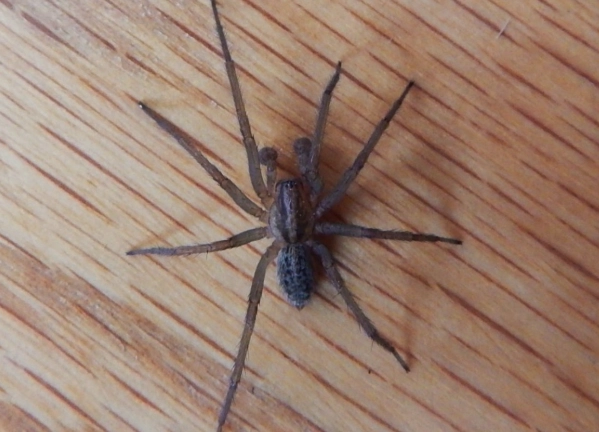
Common Look-Alikes in Utah (Don't Freak Out!)
You're far more likely to see these harmless spiders than an actual hobo spider. I made this mistake myself!
- Grass Spiders: Very common. They build funnel webs in grass and shrubs, often wander indoors in fall. They have those two pronounced dark stripes.
- Wolf Spiders: Big, fast, and hairy. They don't build webs to catch prey; they hunt on the ground. Often mistaken for something scarier because of their size and speed, but they're great pest controllers.
- Giant House Spiders: A close relative of the hobo spider, also from Europe. They look very similar but are much larger (legspan can be 2+ inches) and are harmless. Their presence in a home can actually help keep hobo spider numbers down, as they compete for space and food.
The Bite: Separating Myth from Medical Fact
This is the million-dollar question. Let's tackle the history first, because it explains the fear.
Back in the 1980s and 1990s, cases of necrotic skin lesions in the Pacific Northwest were often attributed to the hobo spider. The science at the time seemed to link them. This reputation solidified in field guides and pest control literature. For years, finding hobo spiders in Utah triggered major concern.
But science evolves. The problem was that many of those early diagnoses were "presumptive." A person with a mysterious sore who also found a brown spider in their house led to a hobo spider conclusion. Controlled laboratory studies on animals have failed to consistently reproduce severe necrosis from hobo spider venom. Furthermore, in their native European range, they are not considered a significant medical threat.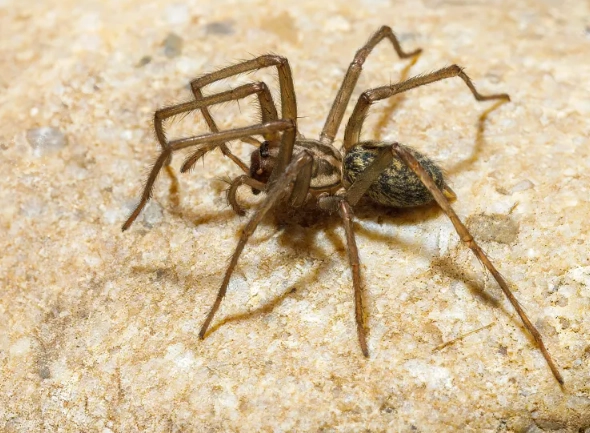
The U.S. Centers for Disease Control and Prevention (CDC) does not list the hobo spider among spiders of principal medical importance in the U.S. The Utah State University Extension also notes the declining medical concern. The current consensus among arachnologists and toxicologists is that the hobo spider's venom is not significantly dangerous to humans.
So what happens if one does bite you? They are not aggressive, but they will defend themselves if pressed against skin (like putting on clothes they've crawled into). A bite might be initially painless or feel like a mild pinprick. Potential local reactions can include:
- Redness and swelling around the bite site.
- Itching or a burning sensation.
- A headache that can last for a day or two.
- In some individuals, a small blister may form, which can crust over and heal slowly—this is likely the source of the necrosis myth, as any slow-healing wound can look concerning.
The most important thing? Severe systemic reactions or widespread tissue death are exceptionally unlikely from a hobo spider bite in Utah. If you have a wound that is rapidly spreading, turning black, or accompanied by fever and chills, seek medical attention immediately—but it's probably caused by something else (like a bacterial infection).
What To Do If You Think You've Been Bitten
- Stay Calm. Remember, the risk of a serious reaction is very low.
- Wash the area thoroughly with soap and water to prevent bacterial infection.
- Apply a cold pack to reduce swelling.
- You can take an antihistamine for itching or an over-the-counter pain reliever.
- Monitor the site. If you develop signs of a bacterial infection (increasing redness, warmth, pus, red streaks) or severe symptoms, see a doctor. Tell them you suspect a spider bite, but also mention that it might be something else. A course of antibiotics is a more likely treatment than antivenom.
Where and When You'll Find Them in Utah
Hobo spiders aren't evenly distributed across the state. They're much more common in the northern valleys and the Wasatch Front, where the climate is cooler and more to their liking. Reports from the hotter, drier southern parts of Utah are less frequent. They are outdoor spiders that sometimes come indoors, especially in late summer and fall when males wander looking for mates. That's your peak season for sightings.
Their favorite outdoor spots are undisturbed areas with moisture: woodpiles, rock retaining walls, dense ground cover like ivy, and the cracks in foundations. Indoors, they head for the same environment: cluttered basements, crawlspaces, window wells, and garages. They're not climbers. You won't typically find them up on ceilings or high on walls.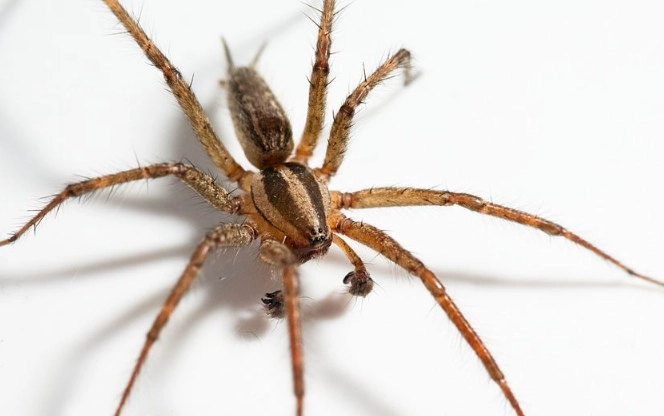
Here’s a quick breakdown of their activity through the year in Utah:
| Season | Hobo Spider Activity in Utah | Homeowner Action |
|---|---|---|
| Spring (Mar-May) | Egg sacs hatch. Young spiders disperse. Web-building begins. | Perfect time for preventative cleaning and sealing cracks. |
| Summer (Jun-Aug) | Rapid growth. Spiders are active in their webs hunting insects. | Keep vegetation trimmed back from the house foundation. |
| Fall (Sep-Nov) | PEAK ACTIVITY. Males wander aggressively seeking mates. Highest chance of indoor encounters. | Be vigilant. Check bedding and clothes. Use glue traps in basements/garages. |
| Winter (Dec-Feb) | Mostly dormant. Surviving adults and immature spiders hide in sheltered spots. | Deep-clean storage areas. This is when you find their quiet webs. |
I find that knowing their schedule takes a lot of the surprise out of it. You're not being invaded randomly; there's a reason.
Controlling Hobo Spiders: A Practical, Step-by-Step Plan
Okay, so maybe they're not medically significant. But I get it. You still don't want them in your house. Fair enough. Controlling hobo spiders in Utah is less about chemical warfare and more about making your property unappealing to them. It's integrated pest management.
Step 1: Exclusion (Keep Them Out)
This is the most effective long-term strategy. You're sealing the fortress.
- Seal cracks and gaps: Use silicone caulk or expandable foam to seal every tiny opening around your foundation, utility lines, windows, and doors. Pay special attention to where the concrete foundation meets the siding.
- Install door sweeps on exterior doors.
- Repair damaged window screens.
- Vent covers: Make sure vents to crawlspaces and attics have tight-fitting screens.
Step 2: Habitat Modification (Remove the Welcome Mat)
Make the area around your home a lousy place for a hobo spider to live.
- Move firewood, lumber, and rock piles as far away from the house as possible.
- Keep grass, ivy, and other ground cover trimmed back at least 12-18 inches from the foundation.
- Reduce moisture. Fix leaky faucets, ensure downspouts direct water away from the house, and improve drainage in wet areas. A dehumidifier in a damp basement works wonders.
- Get rid of clutter, both indoors and out. They love undisturbed boxes, piles of clothes, and stacked items.
Step 3: Direct Control (When You See Them)
For the spiders that make it inside.
- Vacuuming: This is your best weapon. Use the hose attachment to suck up spiders, egg sacs, and webs. Immediately empty the vacuum bag or canister into a sealed plastic bag and take it outside.
- Glue Traps: Place these flat against walls in basements, garages, and crawlspaces. They're excellent for monitoring activity and catching wandering males.
- Chemical Controls (Insecticides): I'm not a huge fan of widespread spraying indoors. It's often overkill. If needed, targeted spot treatments with a residual spider spray around baseboards, window frames, and in corners can provide a barrier. Always read and follow the label directions. For outdoor perimeter treatments, products containing bifenthrin or deltamethrin can be applied to the foundation and first foot or two of soil. Consider hiring a professional pest control service if the problem is extensive; they have access to more effective products and know where to apply them.
Remember, the goal isn't a sterile, spider-free environment (which is impossible and ecologically unwise). The goal is to manage the population so that encounters inside your living spaces are rare events.
Your Questions About Hobo Spiders in Utah, Answered
I've gotten a ton of questions from folks over the years. Here are the ones that come up again and again.
Wrapping It Up: A Balanced View
Look, spiders freak a lot of people out. I understand. But when it comes to hobo spiders in Utah, the fear has historically been bigger than the actual threat. They are a common part of our local ecosystem, working as pest controllers by eating insects. Their medical significance appears to be minimal.
That said, "minimal" doesn't mean "zero." And it certainly doesn't mean you have to like them in your basement. The best approach is a pragmatic one. Learn to identify them (or, more importantly, learn to identify what they're *not*). Focus your energy on the proven, long-term control methods: sealing up your home, reducing clutter and moisture, and using vacuuming and traps. Save the chemical sprays for serious, persistent problems.
By understanding the reality of hobo spiders—ditching the old myths but respecting their role as a household pest—you can manage them effectively without unnecessary panic. You can reclaim your garage, your basement, and your peace of mind. And maybe, just maybe, the next time you see a funnel web, you'll take a closer look before assuming the worst.
If you want to dive even deeper into the science, I highly recommend the arthropod section of the Utah State University Extension website. It's a fantastic, locally-relevant resource written by experts who know Utah's unique environment.
LEAVE A REPLY
Your email address will not be published. Required fields are marked *