Quick Guide to Sections
Let's clear this up right away, because this question drives people nuts every summer. You come back from a hike in the Maine woods, maybe around Acadia or down a coastal trail, and a day later you're covered in ferociously itchy red welts. Your first thought? Are there chiggers in Maine? Did I get chigger bites? The internet is full of conflicting, vague answers. Some folks swear they've been eaten alive by them here, while others insist they don't exist this far north. It's enough to make you scratch your head in confusion (and then scratch those bites).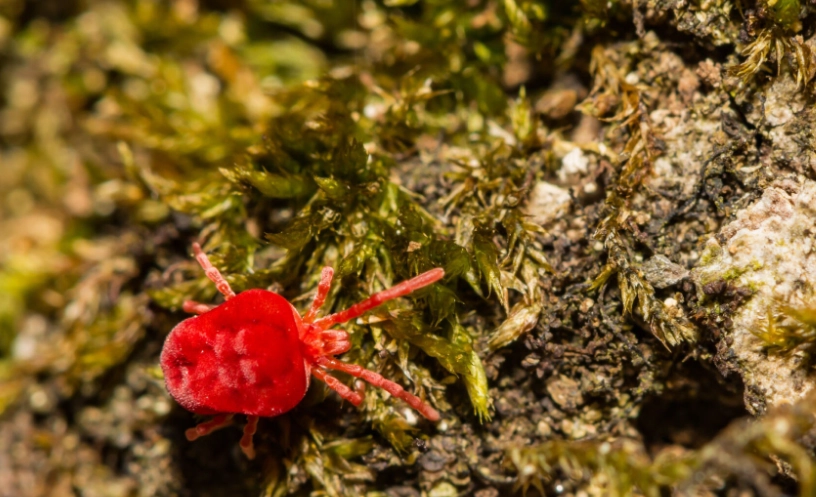
I've been there. A few summers back, after a glorious day of blueberry picking in a field in Waldo County, I woke up with a constellation of itchy bumps around my ankles and waistline. My initial panic-search was, you guessed it, "are there chiggers in maine." The information I found was a mess. So, I dug deeper, talked to experts, and sorted through the entomology facts. Here’s what you really need to know.
The Quick Verdict: Yes, chiggers (the larval stage of mites in the Trombiculidae family) do exist in Maine. However, their presence is significantly less common and widespread compared to the southeastern and midwestern United States. They are not a major, widespread pest here. Most of the time, when people in Maine have mysterious, itchy bites, they are dealing with something else entirely.
What Exactly Are Chiggers, Anyway?
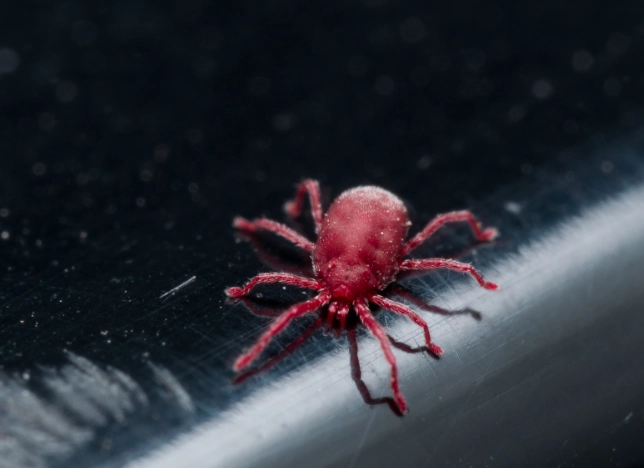
Before we get into the Maine-specific stuff, let's get our bug facts straight. A lot of the confusion comes from misidentification. Chiggers aren't insects; they're arachnids, teeny-tiny relatives of spiders and ticks. The biting stage is the larva, which is microscopic, often less than 1/150th of an inch. You almost never see them with the naked eye.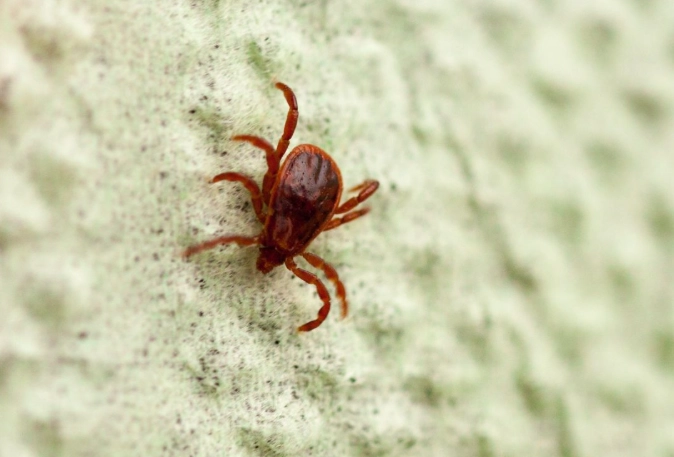
They don't burrow into your skin, despite the old wives' tale. What they do is even creepier, in my opinion. They latch onto a host (you, your dog, a deer), find a spot where the skin is thin and tight (think sock lines, waistbands, behind knees, armpits), and inject a digestive enzyme that liquefies your skin cells. They then suck up the slurry. It's that enzyme that causes the horrific, delayed itching reaction, which can start hours later and last for days or even a couple of weeks. The red bump is your body's reaction to the feeding tube they leave behind (called a stylostome).
The Maine Chigger Reality Check
So, are there chiggers in Maine? Entomological surveys and resources from the University of Maine Cooperative Extension confirm their presence in the state. But there's a huge, important caveat. Maine's climate is generally less than ideal for chiggers. They thrive in hot, humid environments with dense, tall grass, brush, and weedy areas. Southern Maine's warmer pockets might see occasional activity, but as you go north and inland, the likelihood plummets.
Their season is also much shorter here. While they can be a menace from spring to fall in the South, in Maine, if they appear at all, it's likely during the peak of summer heat and humidity—July and August primarily.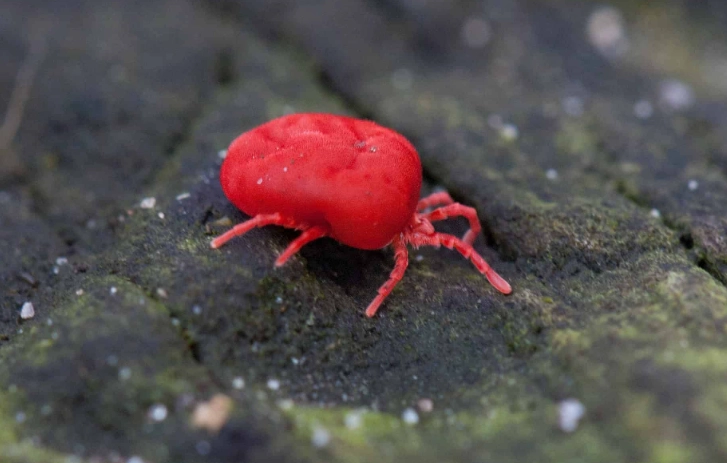
Here’s the kicker, and where most of the confusion lies: The vast majority of itchy bite clusters attributed to "chiggers" in Maine are actually from other pests. This misidentification is so rampant it's practically a state pastime.
I made this mistake myself. My "chigger" bites from blueberry picking? After a lot of research and showing photos to a knowledgeable friend, we concluded they were almost certainly from bird mites or possibly a reaction to something else in the field. The pattern and timing were off for true chiggers.
The Usual Suspects: What's Really Biting You in Maine?
If chiggers are rare, what's causing that unbearable itch? Let's play detective. This table breaks down the prime suspects when you're wondering, are there chiggers in maine, or is this something else?
| Pest | Bite Appearance & Timing | Where You Get Them | Key Difference from Chiggers |
|---|---|---|---|
| Black Fly Bites | Small, painful red dot that becomes a maddeningly itchy, swollen bump. Itches immediately. | Near rivers, streams, and wooded areas in late spring/early summer (May-June). | You feel the bite. Chigger bites itch hours later. Black flies are Maine's official state torment in spring. |
| No-See-Ums (Biting Midges) | Small, clustered red welts that itch fiercely. Can look very similar to chigger bites. | Damp, coastal areas, marshes, at dawn/dusk. Summer months. | Often bite in swarms, felt as a sharp pinch. More common near water. |
| Bird Mites or Rodent Mites | Random, intensely itchy red bumps, often on torso, arms, neck. Can be in loose clusters. | Disturbing old bird nests (in attics, eaves), or near rodent infestations. Any time of year indoors. | Often associated with a source (e.g., birds recently left a nest in your attic). Can bite indoors. |
| Mosquito Bites | Raised, round, itchy welt. Usually solitary, not in tight clusters. | Anywhere with standing water. Dusk and dawn. | Most people recognize a mosquito bite. The buzzing gives it away. |
| Fleas | Small red bumps, often in groups of three or a line, commonly on ankles and lower legs. | From pets, or in homes/apartments with previous pet occupants. | Strongly associated with pets. Bites are often in a tell-tale "breakfast, lunch, dinner" pattern. |
| True Chiggers (Rare in ME) | Intense itching starts 1-3 hours AFTER exposure. Bright red, pimple-like bumps, often in large groups under tight clothing. | Tall grass, weeds, brushy edges of forests in hot, humid summer weather. | The delayed, horrific itch is the biggest clue. Bites are almost always under clothing constraints. |
See the pattern? Maine has plenty of other biters ready to take the blame. The delayed reaction is the biggest clue for true chiggers. If you start itching while you're still outside, it's almost certainly not them.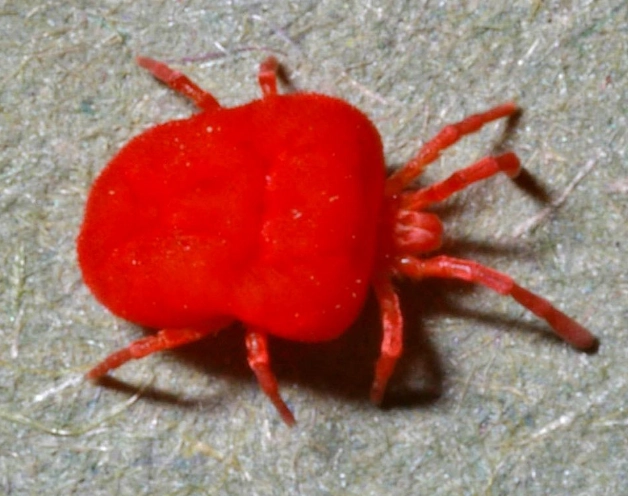
So, Should You Worry About Chiggers in Maine?
Worry? No. Be aware? Sure. For the average person hiking on maintained trails or enjoying their backyard, the risk of encountering chiggers in Maine is very low. You are orders of magnitude more likely to be dive-bombed by black flies or hunted by mosquitoes.
However, if you're someone who spends a lot of time in overgrown, weedy fields, working in brushy conservation areas, or gardening in dense, unkempt vegetation during a hot, sticky stretch in July or August, then the possibility, while still slim, exists. The question are there chiggers in maine becomes relevant for that specific, high-risk activity in that specific condition.
Important Note: Unlike ticks in Maine, which are a serious public health concern due to Lyme disease, chiggers in North America are not known to transmit any diseases to humans. Their threat is purely the misery of the itch. This is a key piece of info that should relieve a lot of anxiety.
Your Practical Guide: Prevention & Treatment (For All Itchy Bites)
Whether you're guarding against the rare Maine chigger or the more common no-see-ums and black flies, the prevention strategies are similar and good practice for any outdoor enthusiast.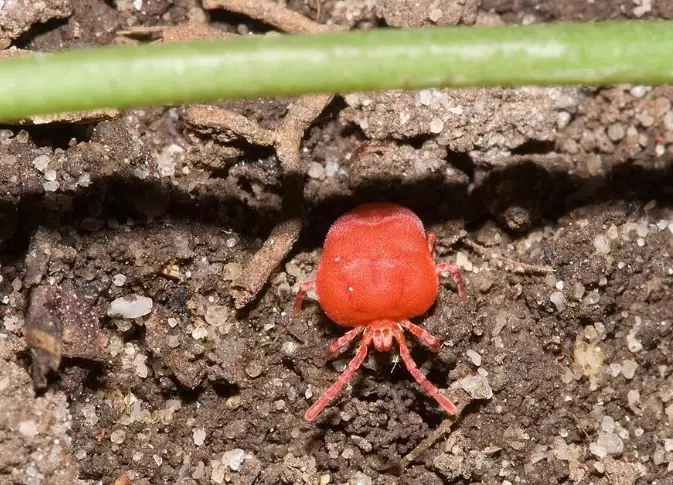
Prevention: How to Avoid Becoming a Bug Buffet
This isn't about paranoia; it's about smart habits. I've learned these through trial and (itchy) error.
- Clothing is Your First Defense: Wear long pants and long sleeves when in tall grass or brush. Tuck your pants into your socks. It looks a bit goofy, but it creates a physical barrier. Light-colored clothing makes it easier to spot ticks (a far more important Maine pest to watch for).
- Use the Right Repellent: The gold standard for repelling chiggers (and ticks and many other bugs) is DEET (20-30% concentration) or Picaridin. Spray it on your skin and on your clothing, especially around openings. For a natural(ish) option, products containing Oil of Lemon Eucalyptus (p-Menthane-3,8-diol) can be effective, but may need more frequent reapplication. Permethrin is a game-changer for clothing only (never skin). Treating your outdoor clothes, socks, and shoes with permethrin creates a long-lasting, lethal barrier for ticks and chiggers. It's a next-level step if you're serious about prevention.
- Post-Outdoor Ritual: When you come inside, take a shower immediately. Use plenty of soap and washcloth friction. This can physically remove chiggers before they have time to settle in and start feeding. Pay special attention to those classic target areas: ankles, waist, behind knees, armpits.
- Wash Your Gear: Throw your outdoor clothes directly into the wash with hot water. This kills any hitchhikers.
Pro Tip from a Maine Gardener: If you're working in a weedy area, keep a set of "yard clothes" treated with permethrin. It saves your regular clothes and gives you constant protection. Changed my summer completely.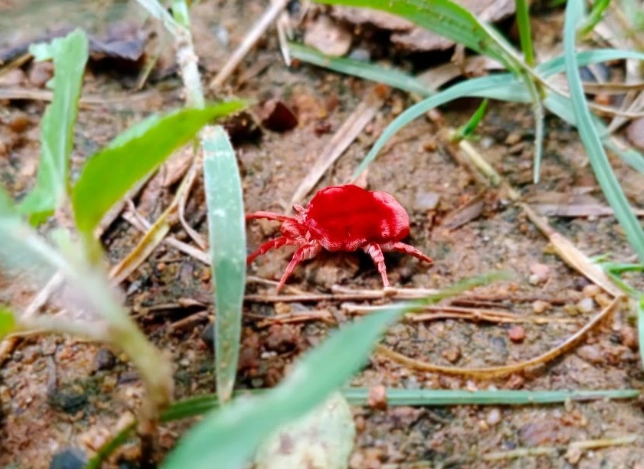
Treatment: Soothing the Itch When Prevention Fails
Okay, the bites happened. Now what? Whether it's from a chigger or its biting cousins, the goal is to stop the itch and prevent infection from scratching.
- Over-the-Counter Heroes: Antihistamine creams (like hydrocortisone 1%) or oral antihistamines (like cetirizine or loratadine) help reduce the allergic reaction and itching. Calamine lotion or products with pramoxine or menthol can provide a cooling, numbing relief.
- The Hot Spoon Trick: This sounds wild, but it works for many people on chigger-like bites. Heat a metal spoon under hot tap water (not boiling, test on your inner wrist), and press the back of the spoon firmly against the bite for a few seconds. The heat is thought to break down the proteins in the bug saliva/enzyme that cause the itch. It can provide surprisingly long-lasting relief.
- Don't Scratch: I know, it's the hardest part. Scratching breaks the skin, leading to potential bacterial infections. Keep nails short, consider wearing light gloves at night if you scratch in your sleep.
- When to See a Doctor: If the bites show signs of infection (increasing redness, warmth, pus, red streaks), or if your reaction is severe (extreme swelling, difficulty breathing), seek medical attention. Also see a doctor if the itching is completely unmanageable with OTC treatments.
Clearing the Air: Common Questions About Chiggers in Maine
Can chiggers live in your bed or house?
No. This is a persistent myth. Chiggers are outdoor pests that require a specific environment. They cannot survive indoors, on your bed, or in your carpets. They need vegetation and a certain humidity level. If you have bites that appear only indoors and persist, you are almost certainly dealing with a different pest, like bird mites, rodent mites, or fleas.
Do chiggers jump or fly?
No. They are very slow crawlers. They typically get onto you by climbing up from the tips of grass or weeds when you brush against them. They don't leap like fleas or fly like mosquitoes.
Are chiggers and harvest mites the same thing?
Essentially, yes. "Harvest mite" is another common name for the same larval stage of the trombiculid mite. It's a regional term you might hear.
What part of Maine has the most chiggers?
There's no official "chigger hotspot" map for Maine. Anecdotally, warmer, more humid areas with suitable habitat in southern and coastal Maine would be the most likely places. But remember, likely in this context still means uncommon. You're far more likely to find them in a specific overgrown field than in an entire county.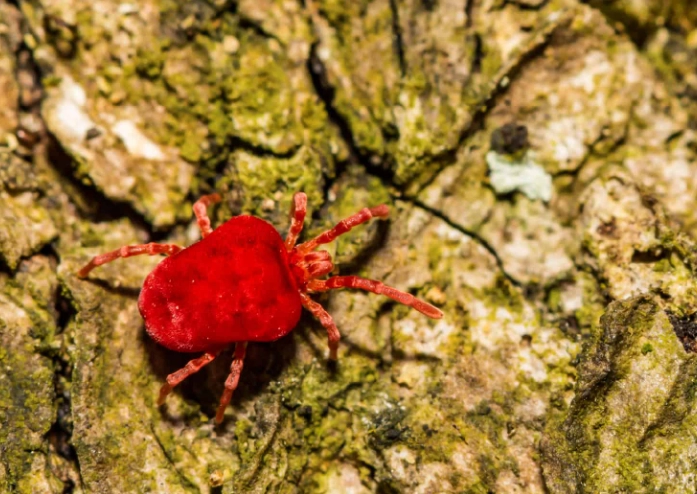
How do I treat my yard for chiggers?
First, confirm you actually have them (very unlikely). If you truly suspect an infestation, the key is habitat modification, not just spraying chemicals. Keep your lawn mowed short, remove brush piles, tall weeds, and overgrown vegetation. This eliminates the moist, shaded environment they need. Creating a dry, sunny barrier between your lawn and wooded areas helps. For severe concerns, consult a licensed pest control professional who can properly identify the issue. The Maine Board of Pesticides Control (Maine DACF) is a resource for finding licensed professionals and info on responsible pesticide use.
You can stop worrying about chiggers as a major Maine menace. They exist here in a technical, entomological sense, but they are not a defining feature of a Maine summer. Your itchy bites are far more likely the work of our more famous—or infamous—local biters.
Focus your energy on proven prevention against all biting pests: proper clothing, effective repellents, and prompt showers. And if you do get bitten, now you have a solid plan to tackle the itch, no matter which little critter was the culprit. Enjoy the Maine outdoors—just do it smartly.
LEAVE A REPLY
Your email address will not be published. Required fields are marked *