Quick Spider ID Guide
Let's be real for a second. You see a decent-sized, brownish spider scurrying across your basement floor or, worse, your living room rug. Your brain immediately jumps to the worst-case scenario. Is it a brown recluse? Is it dangerous? Should I evacuate the family and call an exterminator, or is it just a harmless wolf spider passing through?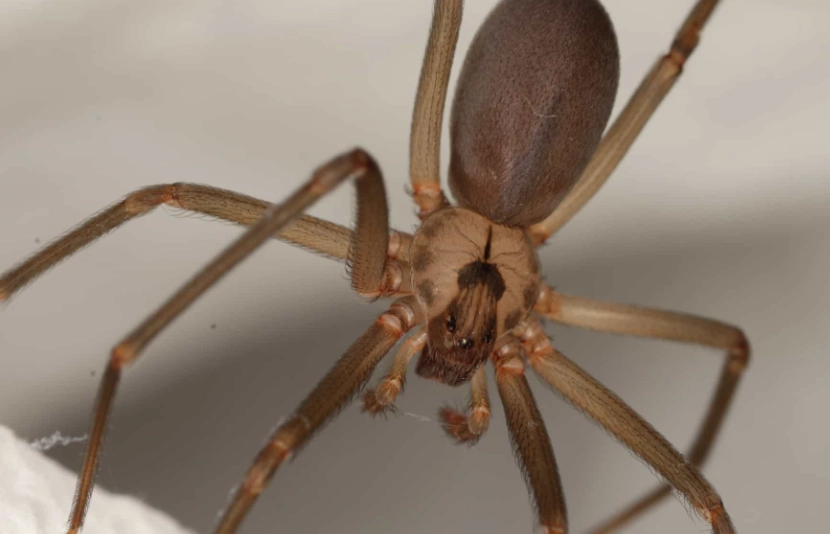
I've been there. A few years back, I found a fairly large, hairy spider in my garage. I spent a solid hour Googling grainy pictures, my heart rate climbing with every search result that mentioned "necrosis" or "flesh-eating venom." It was exhausting and frankly, terrifying. Turns out, it was just a wolf spider—a beneficial predator that meant me no harm. But that experience taught me how crucial it is to know the difference.
The confusion between a wolf spider versus a brown recluse is incredibly common, and for good reason. To the untrained eye, they can look somewhat similar. But mistaking one for the other leads to unnecessary panic or, conversely, dangerous complacency. This guide is my attempt to cut through the noise, the scary headlines, and the misinformation. We're going to break down everything you need to know, from the subtle markings on their backs to what you should actually do if you think you've been bitten. This isn't just a list of facts; it's the practical, clear-headed advice you need when you're staring at a spider and wondering what to do next.
The Bottom Line Up Front: Most large, fast-moving brown spiders you see actively hunting are wolf spiders. They're intimidating but not medically significant. The brown recluse is shyer, has a distinct dark violin-shaped marking on its head, and its bite, while rarely fatal, can cause serious skin damage. Knowing which is which comes down to a few key features.
The Core Differences: It's All in the Details
Forget trying to remember a dozen complex facts. When you're doing a quick wolf spider versus brown recluse check, focus on these three things first: appearance, behavior, and where you found it.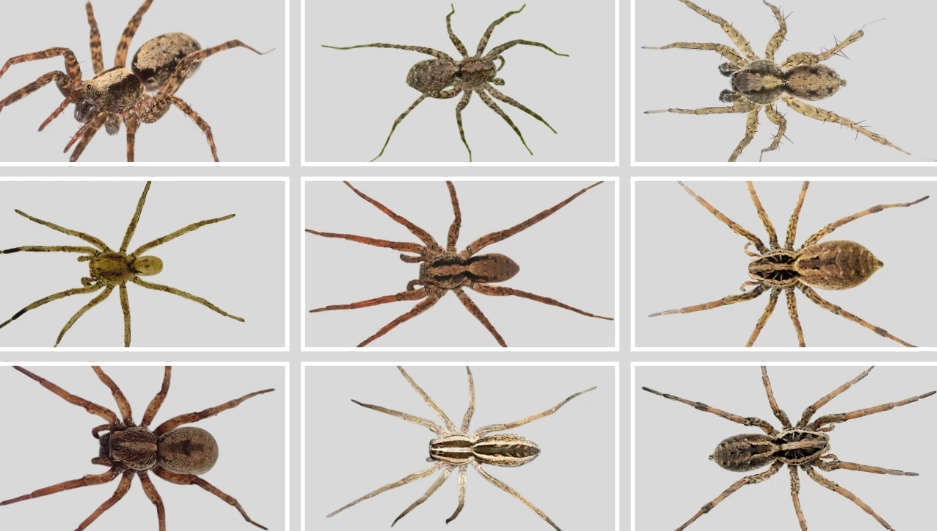
Wolf spiders are the linebackers of the spider world—stout, hairy, and built for power and speed. They have excellent eyesight (you can often see their two large forward-facing eyes gleaming) and they don't build webs to catch prey. They're active hunters, which is why you see them moving around. Their coloration is usually a mix of browns, grays, and blacks in a mottled pattern that helps them camouflage.
The brown recluse, true to its name, is a shy introvert. It's not hairy like a wolf spider; its body and legs are covered in fine, short hairs giving it a smoother, almost velvety appearance. Its most famous feature is the dark brown violin or fiddle-shaped marking on its cephalothorax (the front body segment), with the "neck" of the violin pointing toward the abdomen. This mark isn't always starkly obvious, especially on younger spiders, but it's the single best visual clue.
Here’s a breakdown to keep things clear:
| Feature | Wolf Spider | Brown Recluse |
|---|---|---|
| Primary Color & Texture | Mottled brown/gray/black; noticeably hairy body and legs. | Uniform tan to dark brown; fine, short hairs (velvety). |
| Key Marking | No consistent distinctive marking. Often has stripe-like patterns. | Dark brown violin/fiddle marking on the head region. |
| Eyes | 8 eyes arranged in 3 rows. Two large, prominent forward-facing eyes. | 6 eyes arranged in 3 pairs (dyads). Very small and hard to see. |
| Legs & Posture | Stout, spiny legs. Often seen in a "ready-to-pounce" stance. | Longer, slender legs relative to body. Less bulky appearance. |
| Web | Does NOT build a catching web. Uses silk for egg sacs and burrow lining. | Builds an irregular, off-white, sticky "sheet" web in secluded spots. |
| Behavior | Active hunter. Fast runner. May be seen during day or night. | Shy, reclusive. Avoids light. Usually only moves at night. |
See the violin? That's your red flag. No violin, and it's likely something else—often a wolf spider. But let's get even more specific.
Habitat and Geography: Where You'll Find Them (And Won't)
This is a huge factor that gets overlooked. You can save yourself a lot of worry by knowing if you even live in a brown recluse area.
Brown recluses have a very specific native range. They are primarily found in the south-central United States. Think states like Missouri, Kansas, Oklahoma, Arkansas, Tennessee, Kentucky, and parts of neighboring states. Isolated populations can exist outside this zone, but widespread, established infestations are uncommon elsewhere. If you're in New York, California, or Washington state, the odds of a true brown recluse in your home are astronomically low. You're almost certainly dealing with a look-alike, like a wolf spider, a funnel weaver, or a male southern house spider (which also has a vague fiddle mark but is harmless).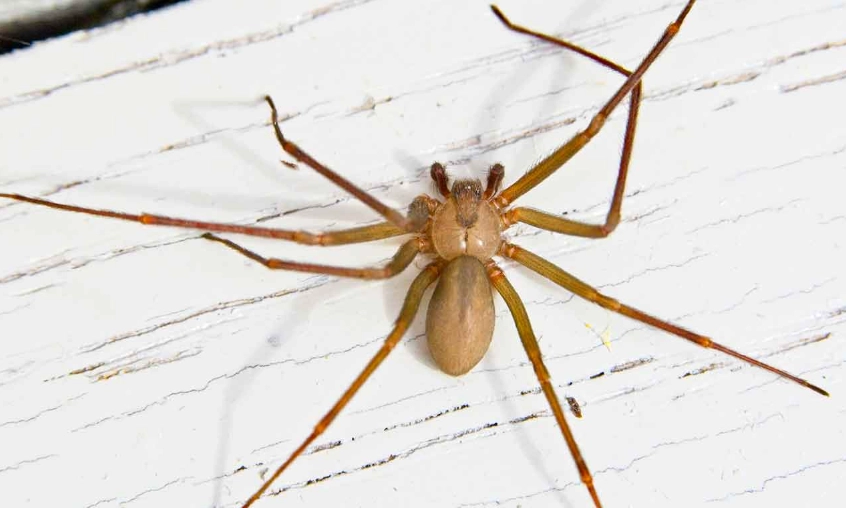
The University of California's Statewide Integrated Pest Management Program has a great resource on common spider look-alikes that highlights this geographic point.
Wolf spiders, on the other hand, are found almost everywhere in the United States and across much of the world. They're habitat generalists. You'll find them in forests, fields, deserts, and, yes, in our homes—especially basements, garages, and around doorways where insects are plentiful.
I once had a friend in Seattle absolutely convinced they had a brown recluse infestation. They sent me blurry photos, and the panic was real. After calming them down and checking a range map from a source like the CDC's page on brown recluse spiders, it was clear they were far outside the native range. The "infestation" turned out to be giant house spiders. Geography first, always.
Where they live in your house differs too. A brown recluse seeks undisturbed clutter: cardboard boxes in the attic, piles of old clothes, the space behind furniture that's never moved, inside storage closets. Wolf spiders are more likely to be patrolling open floor space in a basement or garage, or wandering in accidentally through a crack.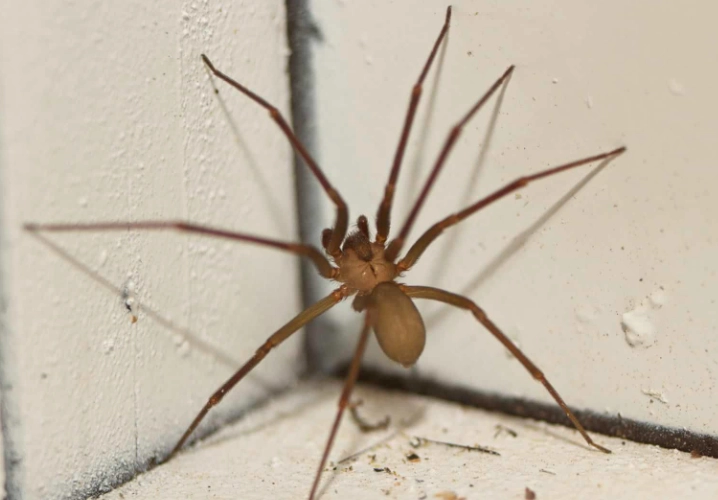
The Bite: Symptoms, Reality, and What to Actually Do
This is the heart of everyone's fear, and it's where misinformation runs wild. Let's separate Hollywood horror from medical reality.
Wolf Spider Bite
Wolf spiders are not aggressive toward humans. They bite only in extreme defense, like being pinned against your skin by clothing or bedding. Their venom is not considered medically significant for humans.
- Immediate Feeling: Often compared to a bee sting—sharp, local pain.
- Symptoms: Redness, swelling, and itchiness around the bite site. It might be mildly painful for a day or two.
- The Reality: It's a localized reaction. You won't get systemic illness or necrotic skin lesions from a wolf spider bite. The main risks are secondary infection from scratching or, rarely, an allergic reaction in sensitive individuals.
Brown Recluse Bite
The brown recluse is also not aggressive. Most bites occur when the spider is unintentionally pressed against skin. However, its venom contains enzymes that can destroy cell membranes, potentially leading to a necrotic lesion.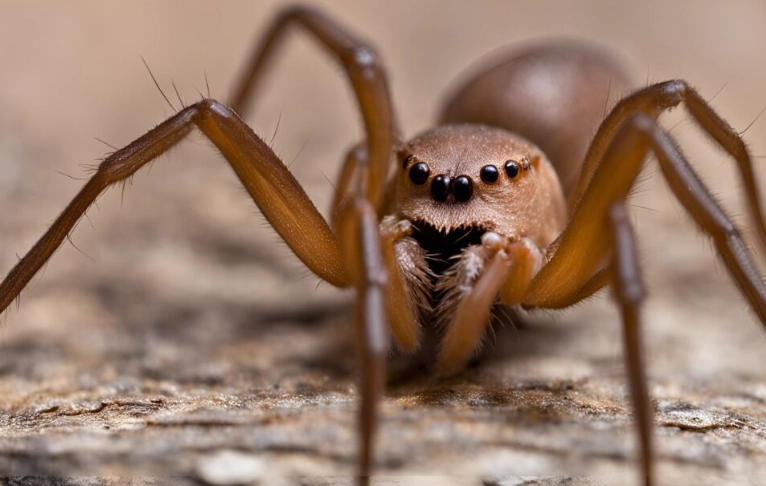
But here's the critical part: the majority of brown recluse bites do not result in severe necrosis. Many result in only mild, localized redness and healing without major issue. The severe, rotting-wound cases you see online are the exception, not the rule, and often involve delayed treatment or pre-existing health conditions.
- Initial Feeling: Often painless or a mild sting. You might not even notice it happened.
- Early Symptoms (2-8 hours later): The bite site may become red, swollen, and tender. A blister can form.
- Progression (1-3 days later): In some cases, the center may turn blue or purple as tissue damage (necrosis) begins. A sinking, ulcerated sore can develop.
- Systemic Reactions (Rare): In very rare cases, especially in children, fever, chills, nausea, or a rash can occur.
Important: Many skin conditions are misdiagnosed as brown recluse bites. Bacterial infections (like MRSA), diabetic ulcers, and other insect bites can look similar. Unless you saw the spider and positively identified it, a doctor should evaluate any suspicious, worsening sore. The American Academy of Dermatology has a useful overview on spider bites that emphasizes this point about misdiagnosis.
First Aid and Medical Response
If you suspect any spider bite:
- Stay Calm. Panic doesn't help.
- Clean the Wound. Wash gently with soap and water. Apply an antibiotic ointment.
- Use a Cold Compress. This reduces swelling and pain.
- Elevate the Area. If possible.
- Monitor Closely. Take a pen and draw a circle around the outer edge of the redness. Check every few hours to see if the redness is spreading beyond the line.
Seek medical attention immediately if: You are sure it was a brown recluse (you captured and identified it), the bite is on the face or near a joint, the victim is a young child or elderly, or if symptoms rapidly worsen—increasing pain, spreading redness, ulcer formation, fever, or nausea.
Doctors don't have a specific antivenom for brown recluse bites. Treatment focuses on wound care, managing pain, preventing infection, and, in severe cases, surgical intervention for necrotic tissue.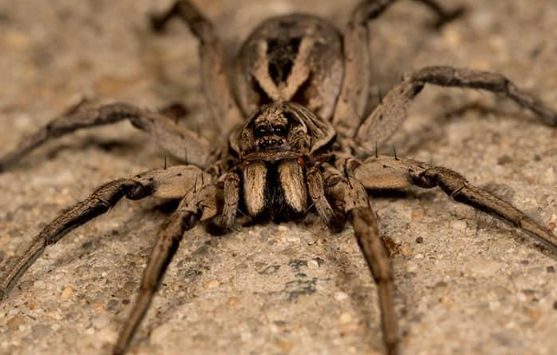
Control and Prevention: Keeping Them Out
Whether it's a wolf spider or a brown recluse, most people don't want them as roommates. The strategies overlap but have different emphases.
For Wolf Spiders: Since they're hunters, the goal is to make your home less attractive to their prey (other insects). Seal cracks, install door sweeps, and reduce outdoor lighting that attracts bugs. They often come inside in the fall seeking warmth. Gently capture and release them outside—they're beneficial pest controllers in your garden.
For Brown Recluses: This is about eliminating harborage sites. They love clutter.
- Declutter Ruthlessly: Get rid of cardboard boxes (they love the corrugated spaces). Use plastic, sealed totes for storage instead.
- Move and Clean: Regularly move furniture, appliances, and stored items to vacuum and clean behind them.
- Seal Entry Points: Caulk gaps around pipes, windows, and foundations.
- Glue Traps: Place sticky glue traps (like those used for mice) along walls, behind furniture, and in closets. These are excellent monitoring tools. They'll catch wandering spiders and help you gauge the level of activity.
- Professional Help: For a suspected infestation, consult a licensed pest control professional. They can perform a thorough inspection and use targeted pesticides in cracks and crevices. Broadcast spraying is largely ineffective against these reclusive spiders.
Common Myths and FAQs
Frequently Asked Questions About Wolf Spiders vs Brown Recluses
Final Thoughts: Respect, Not Fear
After diving deep into the world of wolf spider versus brown recluse comparisons, the main takeaway should be knowledge, not terror. Wolf spiders are fascinating, beneficial predators that deserve a quick relocation outside, not a smush from a shoe. They're part of a healthy ecosystem, even if that ecosystem is your backyard.
The brown recluse demands respect and caution, not hysterical fear. Understanding its true range, its reclusive nature, and the actual (not sensationalized) risks of its bite empowers you to take smart, effective actions to keep your home safe. The power is in knowing what to look for: the violin, the geography, the behavior.
Next time you see a brown spider, take a breath.
Remember the checklist: Active hunter out in the open? Probably a wolf spider. Shy, smooth spider with a dark fiddle in a cluttered box from a central U.S. state? Proceed with caution and capture it for identification. Most of the time, you'll find you're sharing your space with a harmless, and even helpful, eight-legged neighbor. And if you're ever in doubt, especially about a bite, erring on the side of consulting a medical professional is always the right call.
LEAVE A REPLY
Your email address will not be published. Required fields are marked *