Quick Guide
- What Exactly Is a Mud Dauber Wasp?
- Spotting the Different Types in Wisconsin
- Are Mud Daubers Dangerous? Let's Be Real.
- The Nuisance of the Nests: Why We Want Them Gone
- Mud Daubers vs. Other Wisconsin Stingers: Know Your Enemy (or Friend)
- How to Safely Remove a Mud Dauber Nest in Wisconsin
- When to Remove Them
- Step-by-Step Removal Guide
- Prevention: How to Keep Them From Building in the First Place
- The Beneficial Side: Why You Might Want to Tolerate Them
- Common Questions About Mud Daubers in Wisconsin
- Final Thoughts: Living With (or Without) Your Mud Dauber Neighbors
So you're out in your Wisconsin backyard, maybe in Madison or up near Door County, and you spot these weird little mud tubes stuck under your eaves or in your garage. They look like something a kid made with wet dirt. And then you see the culprit – a sleek, black and yellow wasp, calmly flying up with another little ball of mud. Your first thought might be "Great, more stinging insects." But hold on. Before you grab the can of spray, let's talk about what you're really dealing with. The mud dauber wasp in Wisconsin is one of the most misunderstood insects around. I've lived here for years and had my own share of encounters, and I can tell you, they're not what you think.
Honestly, most of the panic around wasps doesn't apply to these guys. They're solitary, which means no giant, angry hive to defend. They're also incredibly focused on their work – building those mud nests and hunting spiders. That's right, spiders. They're actually providing you with a pretty decent pest control service. The whole mud dauber Wisconsin situation is less about an invasion and more about a fascinating, if slightly messy, neighbor moving in.
Quick Take: If you're skimming for the bottom line on mud daubers in Wisconsin: they are generally non-aggressive, rarely sting humans, and are beneficial because they control spider populations. The main issue is the aesthetic nuisance of their mud nests on your home's exterior.
What Exactly Is a Mud Dauber Wasp?
Let's clear up the confusion right away. "Mud dauber" isn't just one species. It's a common name for a whole group of solitary wasps in the families Sphecidae and Crabronidae. In Wisconsin, you're most likely to run into a few specific types. Unlike the social yellow jackets or paper wasps that can ruin a picnic, mud daubers work alone. Each female is a single mom, handling all the construction, hunting, and child-rearing herself. No workers, no queen, no complex social drama. It's just her and her mud project.
I remember the first time I really watched one at work on my shed up north. I was expecting something frantic, but it was the opposite. She'd fly to a patch of wet soil, meticulously shape a little mud ball with her jaws, fly it back to the building, and smooth it into place. Then she'd do it again. And again. It was slow, deliberate, and honestly, kind of impressive. The nest isn't just a pile; it's a carefully constructed nursery for her young.
Spotting the Different Types in Wisconsin
Not all mud daubers look the same. If you know what to look for, you can identify which architect you're hosting.
- The Black-and-Yellow Mud Dauber (Sceliphron caementarium): This is the classic one. It's got a very skinny, thread-like waist (a "petiole") connecting its thorax and abdomen. The body is mostly black with bright yellow markings. Their nests are the classic series of mud tubes, often clustered together like a lumpy organ pipe. You'll see these everywhere in Wisconsin from summer into early fall.
- The Blue Mud Dauber (Chalybion californicum): This one is a stunner. It has a dark, metallic blue-black body that shines in the sun. It's less about new construction and more about renovation. Blue mud daubers often take over old nests made by other species, clean them out, and reuse them. They also have a particular taste for black widow spiders, which is a huge point in their favor.
- The Organpipe Mud Dauber (Tryptoxylon politum): True to its name, it builds nests that look like a set of parallel mud pipes. They tend to be a bit more particular about location, often choosing sheltered spots that are completely vertical.
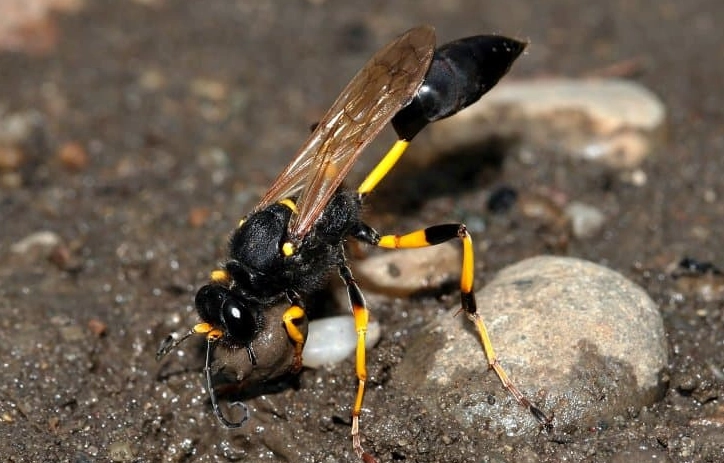 Here’s a quick comparison to help you tell them apart and understand their habits:
| Type | Primary Color & Markings | Nest Appearance | Favorite Prey | Aggression Level |
|---|---|---|---|---|
| Black-and-Yellow Mud Dauber | Black with bright yellow patterns | Clusters of cylindrical mud tubes | Various small spiders | Extremely low |
| Blue Mud Dauber | Metallic blue-black, no yellow | Often renovates old nests; smooth mud cells | Black widow spiders, other spiders | Very low |
| Organpipe Mud Dauber | Glossy black | Rows of parallel, long mud tubes | Spiders | Very low |
Are Mud Daubers Dangerous? Let's Be Real.
This is the million-dollar question, right? The short, honest answer is: almost never. I know that's hard to believe when you're looking at a wasp with a stinger. But their behavior is completely different from social wasps.
Mud daubers are not defensive of their nests in the same way. A yellow jacket nest is a fortress full of siblings they'll die to protect. A mud dauber nest is just a clay apartment for her babies. She has no colony to defend. Her instinct is to avoid conflict, not seek it. In all my years of poking around old barns and cleaning out garages in Wisconsin, I've never been stung by one, even when accidentally disturbing a nest. They usually just fly away. Their stingers are designed for paralyzing spiders, not for fighting large mammals like us.
The Real (Minor) Risk: The primary risk of a mud dauber sting is for the very small percentage of people with a severe allergy to wasp venom. For them, any sting can be dangerous. For everyone else, a sting would likely be similar to a bee sting – painful, swollen, and annoying for a day or two, but not medically significant. The chance of it happening, though, is remarkably low.
So, if you're searching "mud dauber Wisconsin dangerous," you can mostly relax. The fear is outsized compared to the actual risk. The bigger issue, and the real reason people want them gone, is the nests themselves.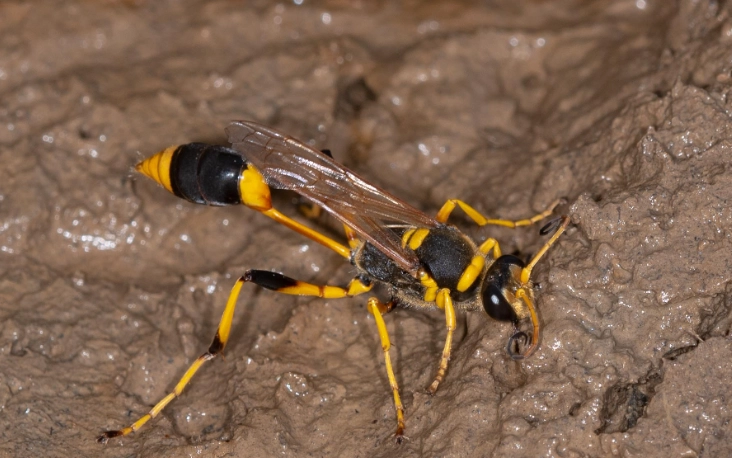
The Nuisance of the Nests: Why We Want Them Gone
Okay, so they're not out to get us. Why do we still care? Simple: their architecture doesn't match our home décor. Those mud nests can be a real eyesore. They stick them under eaves, on porch ceilings, inside garages and sheds, on window frames, and even in outdoor electrical boxes (which can cause problems). The mud can stain siding and, if left for years and years, very minor moisture issues could occur behind large nests, though that's rare.
The mess is the main complaint. When the nests are abandoned and dry out, they can crumble, leaving little piles of dirt on your windowsill or doorstep. It just looks untidy. And if you have a lot of them, it can feel like your house is falling apart. I get it. It's your property, and you want it to look maintained.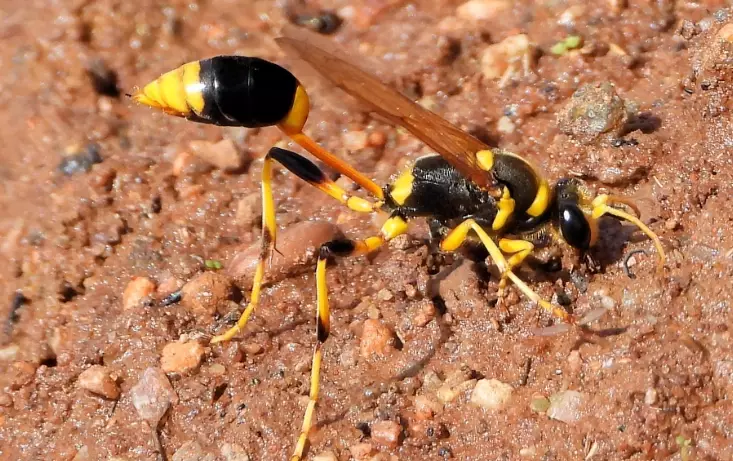
Mud Daubers vs. Other Wisconsin Stingers: Know Your Enemy (or Friend)
It's super important to not lump all flying, stinging insects together. Mistaking a mud dauber for a yellow jacket could lead you to use the wrong (and more dangerous) removal strategy. Here’s the breakdown.
Yellow jackets are social, aggressive, and attracted to your food and drinks. They build paper nests in the ground or in cavities. Paper wasps build those open-comb, umbrella-shaped nests under overhangs and are more defensive. Hornets build large, enclosed football-shaped paper nests high in trees. Bees are fuzzy and mostly interested in flowers.
The mud dauber in Wisconsin is the introvert of the group. She ignores your soda. She doesn't care about your hamburger. She's on a solo mission for spiders and mud. If you see a wasp carrying mud, you can 99.9% guarantee it's a harmless mud dauber. If you see many wasps flying in and out of a hole in the ground or a paper structure, that's a social nest, and you need to be much more cautious.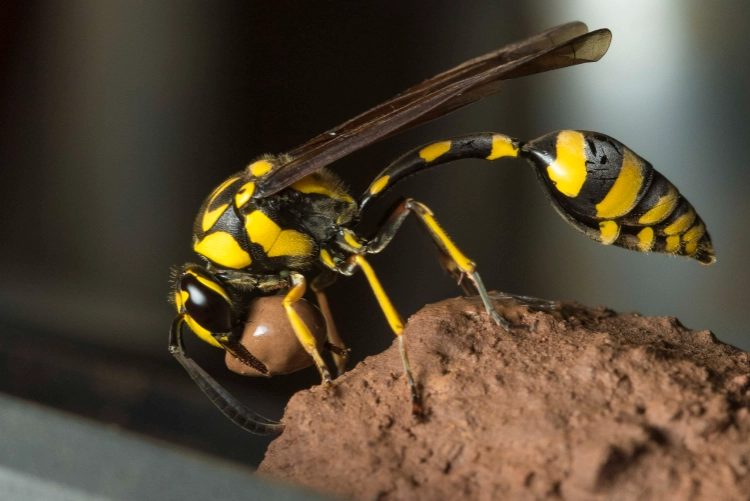
How to Safely Remove a Mud Dauber Nest in Wisconsin
Let's say you've decided the nests have to go. The good news? Removal is usually straightforward and doesn't require calling an exterminator (unless you have a massive infestation or a serious allergy). The key is timing and method.
When to Remove Them
This is crucial. The absolute best and safest time to remove a mud dauber nest is in late fall or winter, or very early spring before new adults emerge. By then, the wasps are gone. The nest is just an empty mud structure. You can simply knock it down with a putty knife or a brush into a trash bag. No drama, no chemicals needed.
If you need to remove one during the active season (summer), try to do it at night or very early morning when the wasp is less likely to be active. Even then, she's likely to just fly off. Wear long sleeves and gloves if it makes you feel better.
Step-by-Step Removal Guide
- Assess: Is the nest old and crumbling (probably empty)? Or is it sealed, with fresh mud (likely occupied)? For occupied nests, consider if you can wait until fall.
- Gear Up: Safety glasses and work gloves are sufficient. A dust mask isn't a bad idea to avoid breathing in dust from old, crumbly nests.
- Tool Up: A stiff putty knife, a paint scraper, or an old brush. Have a trash bag handy.
- Remove: Gently but firmly scrape the nest off the surface. Try not to smash it against the wall to minimize mess. Direct the debris into your trash bag.
- Clean Up: Use a damp cloth or a hose to wash away any residual mud stains. For stubborn stains on wood or vinyl, a little mild soap and water should do it.
Pro Tip: Before you scrape, tap the nest lightly from the side with your tool. If you hear a faint buzzing, an adult is inside. You might want to pause and reconsider timing. If it's silent, you're almost certainly clear.
I don't recommend spraying insecticides on active nests as a first resort. It's usually overkill for such a non-aggressive insect. Physical removal is safer for you, the environment, and doesn't leave chemical residues on your home.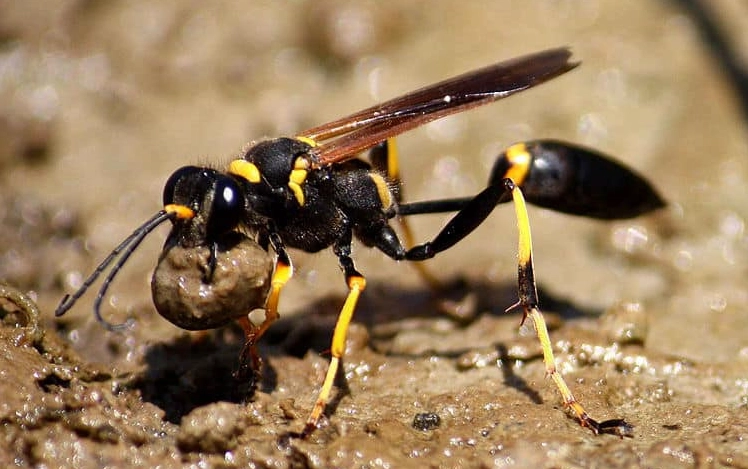
Prevention: How to Keep Them From Building in the First Place
It's always better to prevent the problem. Mud daubers are looking for two things: good mud and good nesting sites. You can make your property less appealing.
- Seal Entry Points: This is the big one. Check your home's exterior for gaps, cracks, and holes, especially under eaves, around vents, and where utilities enter. Use caulk, steel wool, or expanding foam to seal them up. This prevents them from getting inside your attic, garage, or walls to build.
- Manage Mud Sources: If you have a perpetually muddy area near your house from a leaky faucet or poor drainage, fixing it removes their local construction supply depot.
- Reduce Spider Populations: Since spiders are their food, general spider control (like keeping webs cleared from corners) makes your area less of a hunting ground. It's a bit of a cycle!
- Use Physical Deterrents: Some people have luck hanging up fake wasp nests (like the "Waspinator"), as some wasps are territorial. The evidence is anecdotal, but it's a harmless thing to try.
- Paint or Varnish Wood: Mud sticks much better to rough, unpainted wood. A smooth, painted or varnished surface is less attractive for nest attachment.
Look, you'll never keep every single insect away. But these steps can significantly reduce the number of mud dauber construction projects on your Wisconsin home.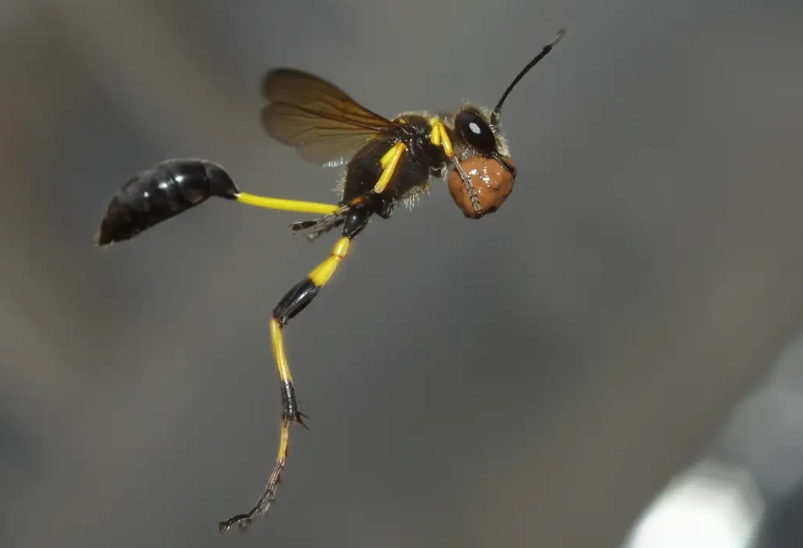
The Beneficial Side: Why You Might Want to Tolerate Them
Here's the part that might change your mind. Mud daubers are genuinely beneficial insects. They are a natural form of pest control. A single female can collect dozens, even hundreds, of spiders to feed her larvae. This includes spiders you might not want around, like the aforementioned black widow (whose range is creeping north, by the way).
By controlling spider populations, they help maintain a balance in your local ecosystem. They're also pollinators, albeit minor ones, as they occasionally visit flowers for nectar. If the nest is in an out-of-the-way spot—like the back corner of a tool shed or high up on a barn beam—leaving it alone is a perfectly valid, eco-friendly option. The new adults will emerge, disperse, and the old nest won't be reused (except maybe by a blue mud dauber).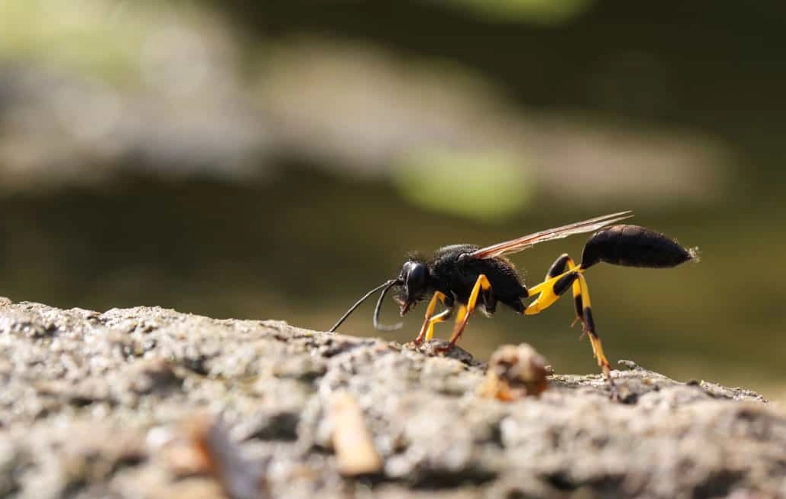
Common Questions About Mud Daubers in Wisconsin
Final Thoughts: Living With (or Without) Your Mud Dauber Neighbors
Dealing with mud dauber Wisconsin issues really comes down to your tolerance level. After learning about them, I've become much more relaxed. I'll remove nests from the front porch for curb appeal, but I often leave the ones in the back of my garage or on the woodshed alone. They're not hurting anything, and they're out there reducing the spider population.
They're a part of Wisconsin's summer soundscape and landscape.
If you choose to remove them, do it safely and smartly, preferably in the off-season. Focus on sealing up your home to prevent them from choosing it next year. And maybe take a second to appreciate the intricate little mud sculptures before you scrape them away. They represent a huge amount of work by a single-minded insect mom just trying to raise the next generation—a story that's pretty universal, even in the bug world.
Understanding is always better than fear. Now you know that the mud dauber in Wisconsin is more of a quirky neighbor than a threatening pest. You've got the knowledge to identify them, understand their habits, and manage their presence on your terms. That's the best way to handle any wildlife situation, big or small.
LEAVE A REPLY
Your email address will not be published. Required fields are marked *